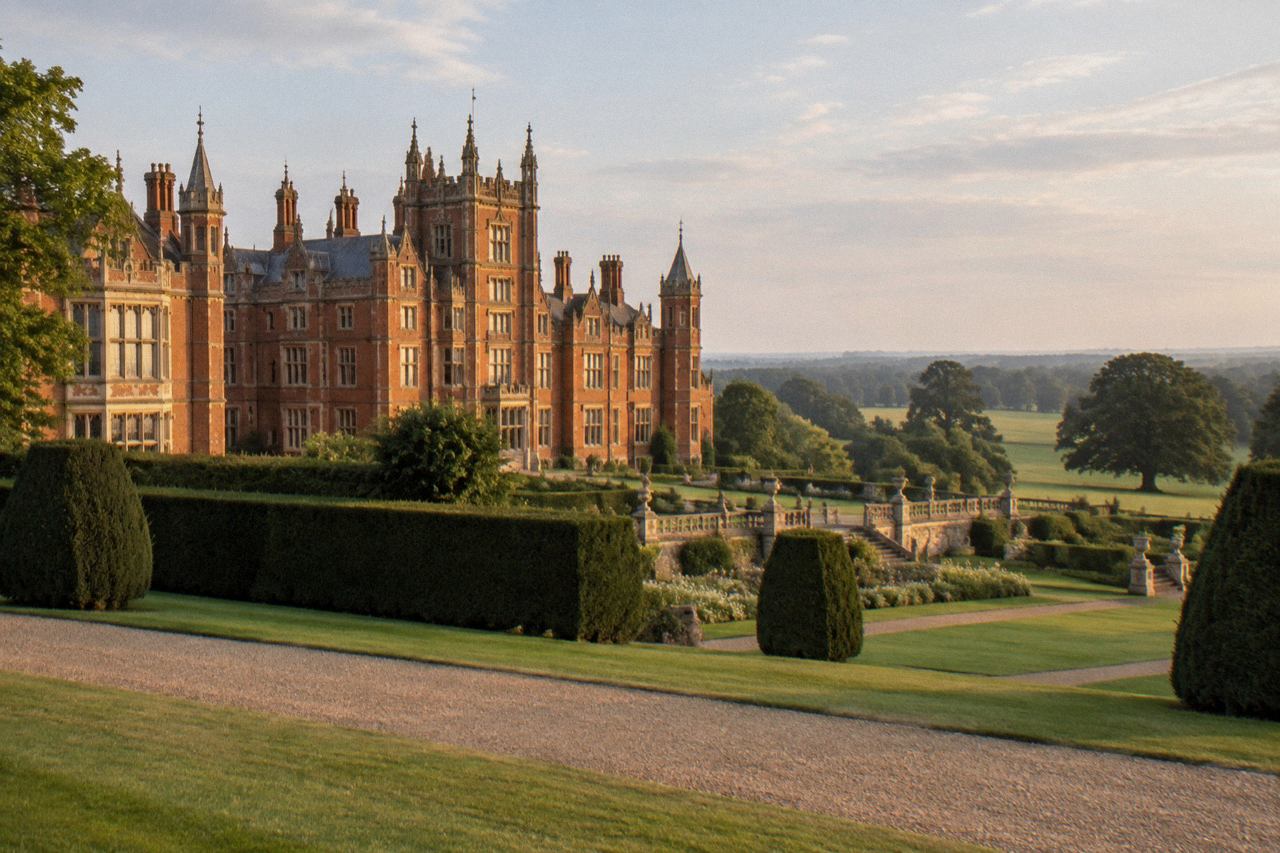
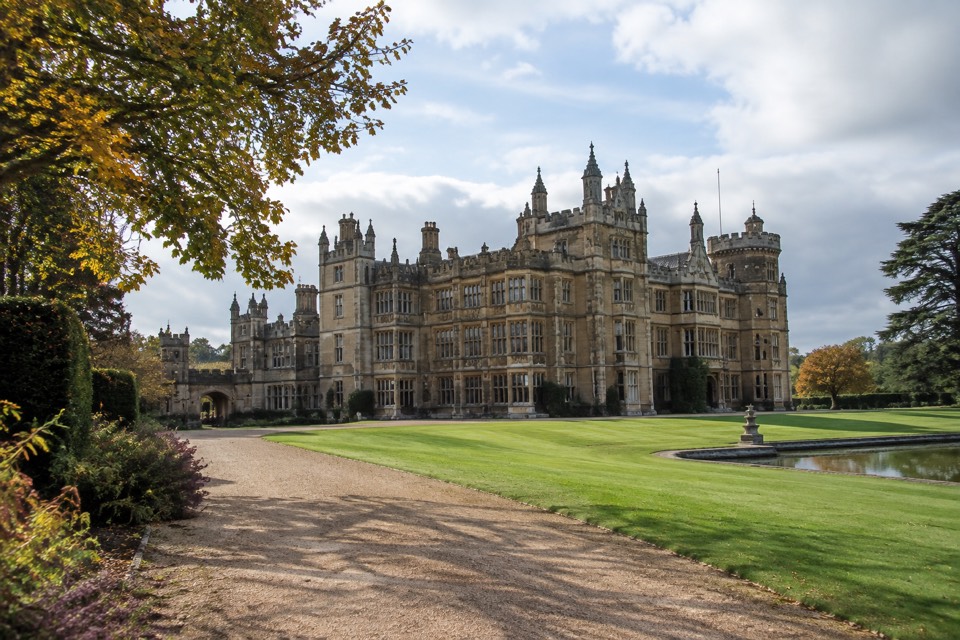
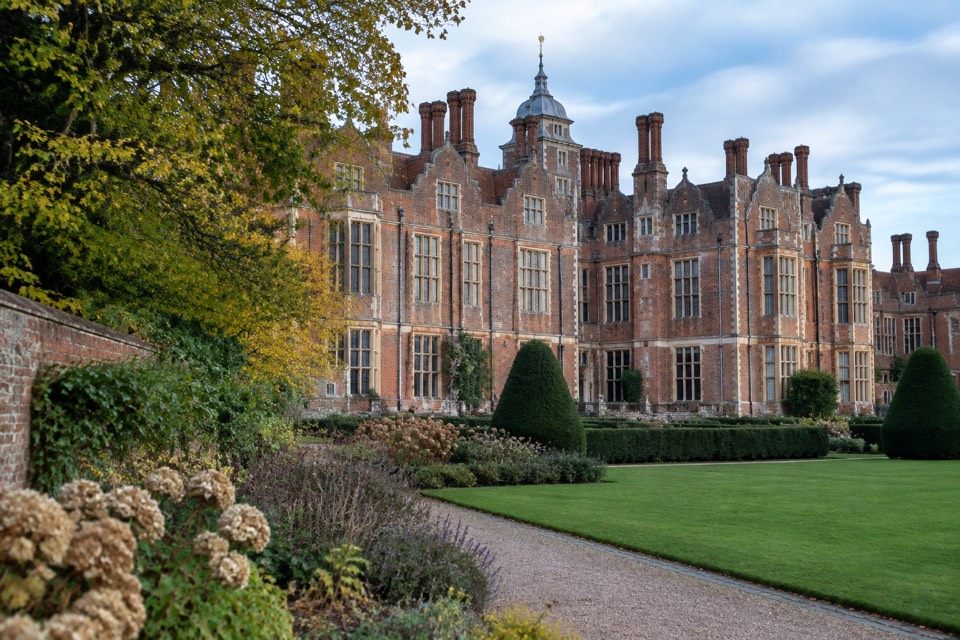
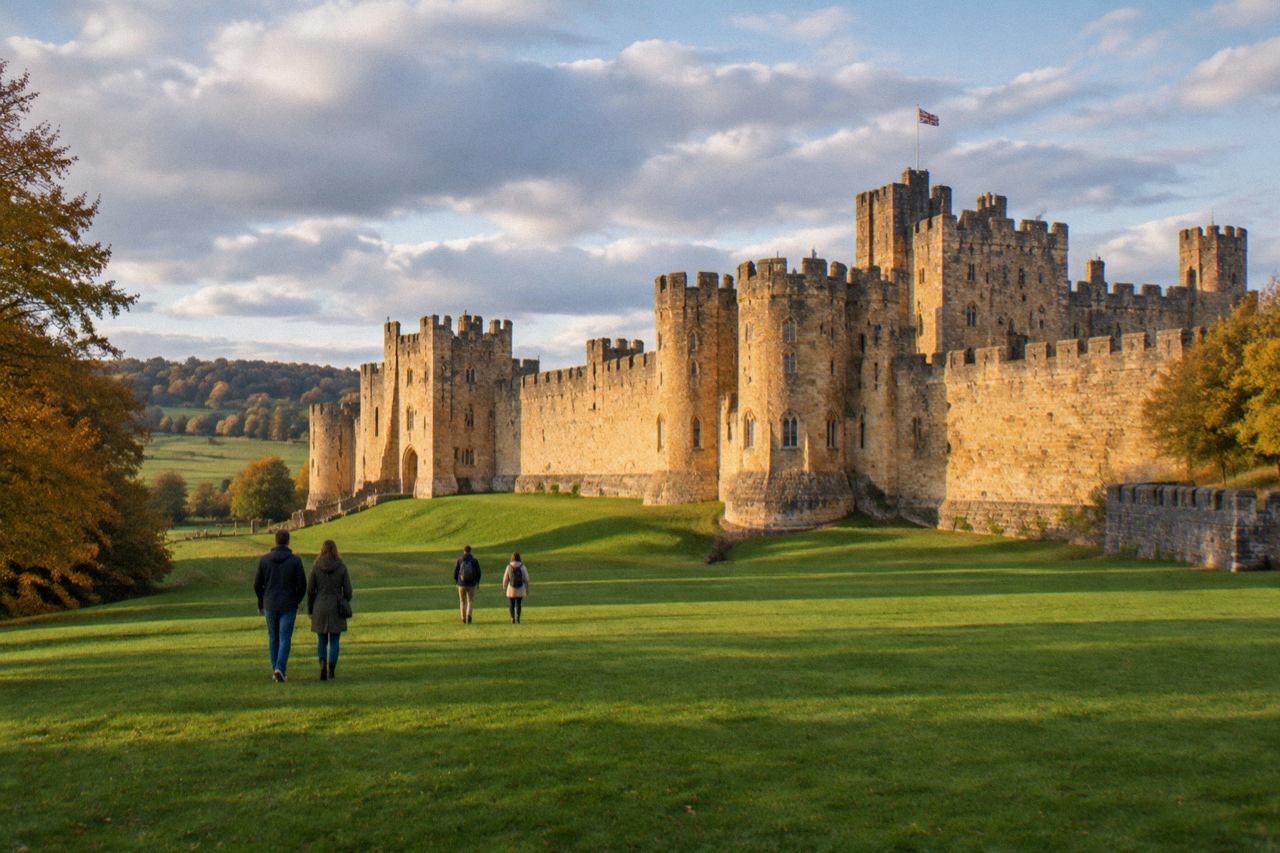
This Tudor Gothic house in Hertfordshire served as the Wayne Manor exterior in Tim Burton's 1989 Batman. The Victorian turrets and gatehouse gave the manor its brooding silhouette. Today Knebworth is open for tours and events, with gardens and parkland to explore. Tickets are required and opening dates vary, so check the house's schedule before travelling. It pairs well with Hatfield House, the other Wayne Manor site, for a Hertfordshire film day.
The Short Answer
Batman films were shot mainly in the United Kingdom and the United States. Tim Burton's Gotham was built at Pinewood, The Batman (2022) used Liverpool, Glasgow and London, and Nolan's trilogy filmed in Chicago. The 1966 series shot in Los Angeles. Several locations, including two studio tours, are open to visitors today.
Batman has been filmed on screen since 1966, and nearly every era of the franchise turned real cities into Gotham. British studios and streets did most of the heavy lifting, from Pinewood's enormous 1989 Gotham sets to Liverpool standing in for City Hall in 2022, while Chicago anchored Christopher Nolan's trilogy and Los Angeles hosted the campy television years.
The good news for travellers is that many of these places are easy to reach. Some are free public streets and parks, others are ticketed historic houses, and two working studios welcome visitors on official tours. This guide covers what was filmed where, what remains recognizable, and which guided options exist.
Every Location At A Glance
| Location | Where | What was filmed | Access |
|---|---|---|---|
| Knebworth House | Knebworth, United Kingdom | Wayne Manor exterior | Ticketed |
| St George's Hall | Liverpool, United Kingdom | Gotham City Hall exterior | Free to see |
| Bronson Caves | Los Angeles, United States | Batcave entrance | Free to see |
| Hatfield House | Hatfield, United Kingdom | Wayne Manor interiors | Ticketed |
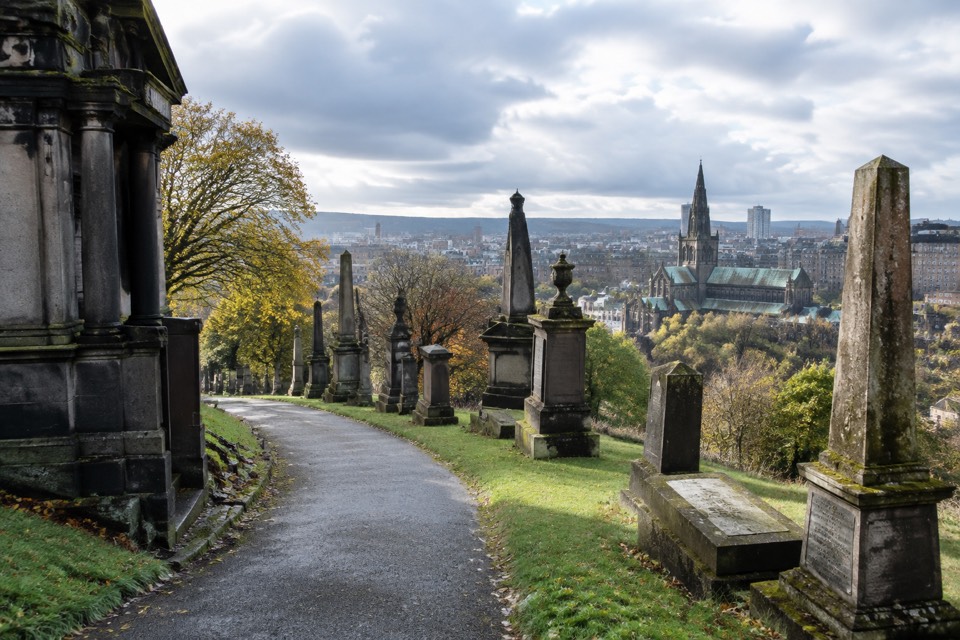
| Glasgow Necropolis | Glasgow, United Kingdom | Gotham cemetery motorcycle scene | Free to see |
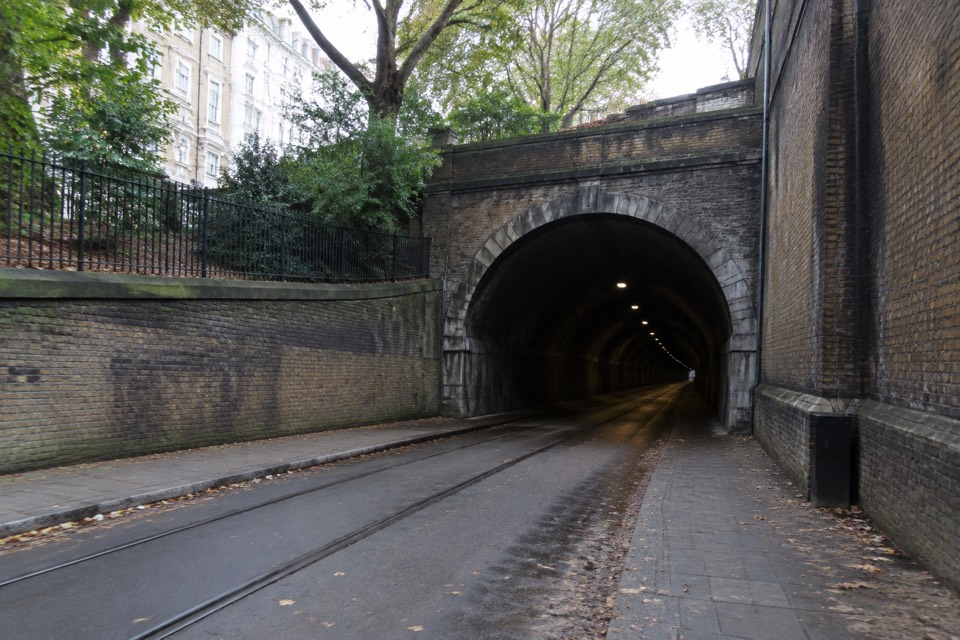
| Kingsway Tram Tunnel | London, United Kingdom | Batcave entrance | Outside only |
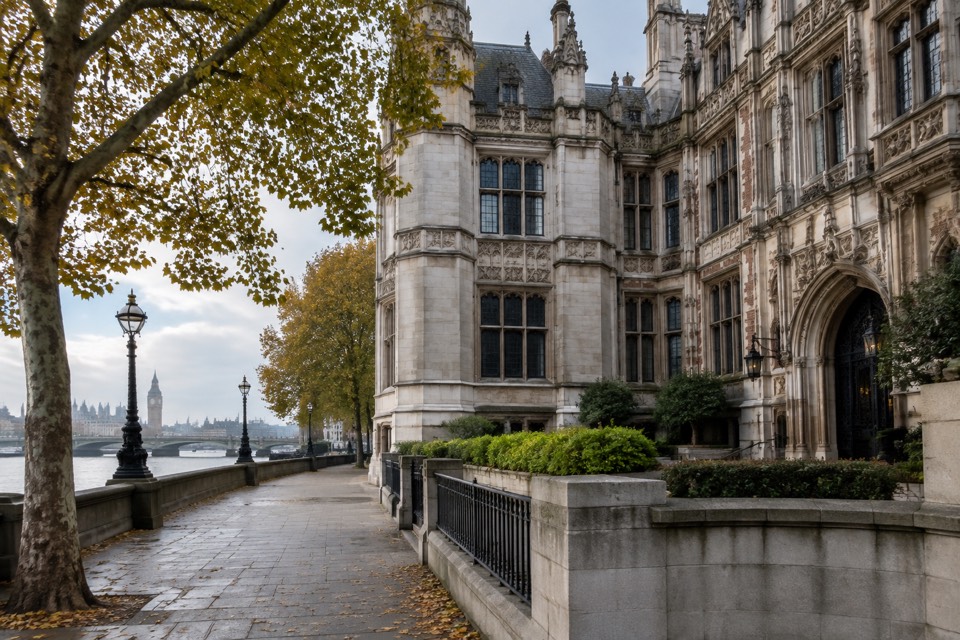
| Two Temple Place | London, United Kingdom | Mayor Mitchell's house | Ticketed |
| Old Chicago Main Post Office | Chicago, United States | Gotham National Bank robbery | Outside only |
| Lower Wacker Drive | Chicago, United States | Batmobile chase scenes | Free to see |
| Richard J. Daley Center | Chicago, United States | Wayne Enterprises HQ | Free to see |
Filming Locations Map
10 locations. The map loads when it scrolls into view.
Map data © OpenStreetMap contributors
Location By Location
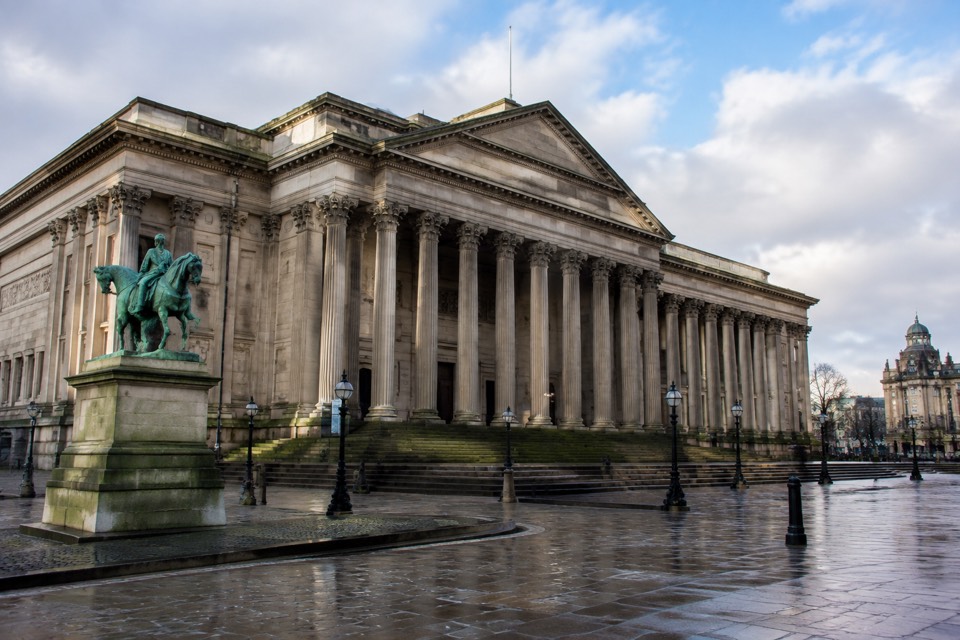
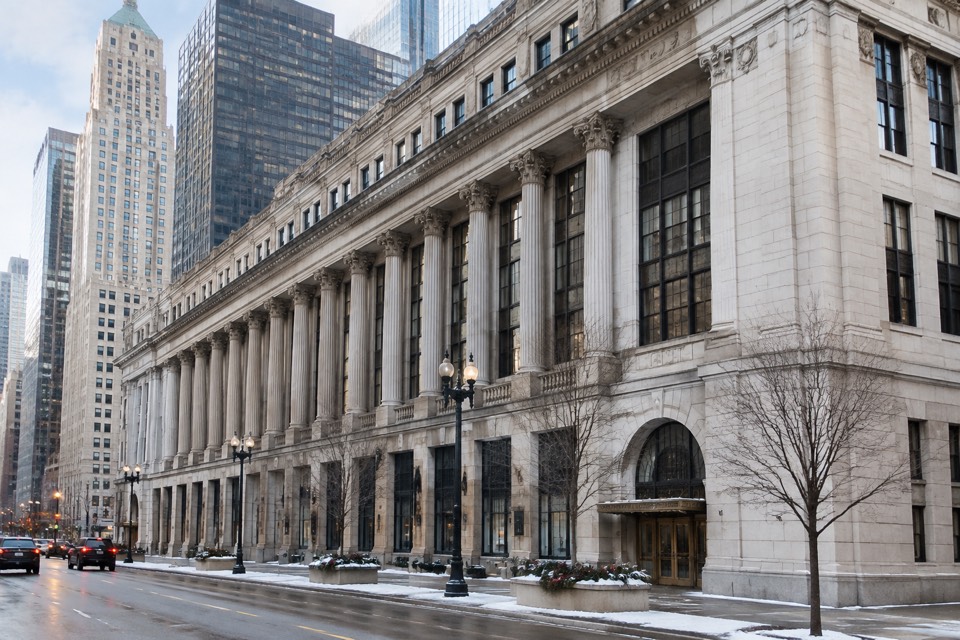
Liverpool's neoclassical St George's Hall played Gotham City Hall in The Batman (2022) and will appear again in The Batman: Part II. Its imposing columns and justice hall interiors made a convincing seat of corrupt civic power. The exterior is fully accessible from St George's Plateau at no cost, and the venue hosts public events inside. It sits opposite Lime Street station, making it one of the easiest Batman locations to visit in Britain.
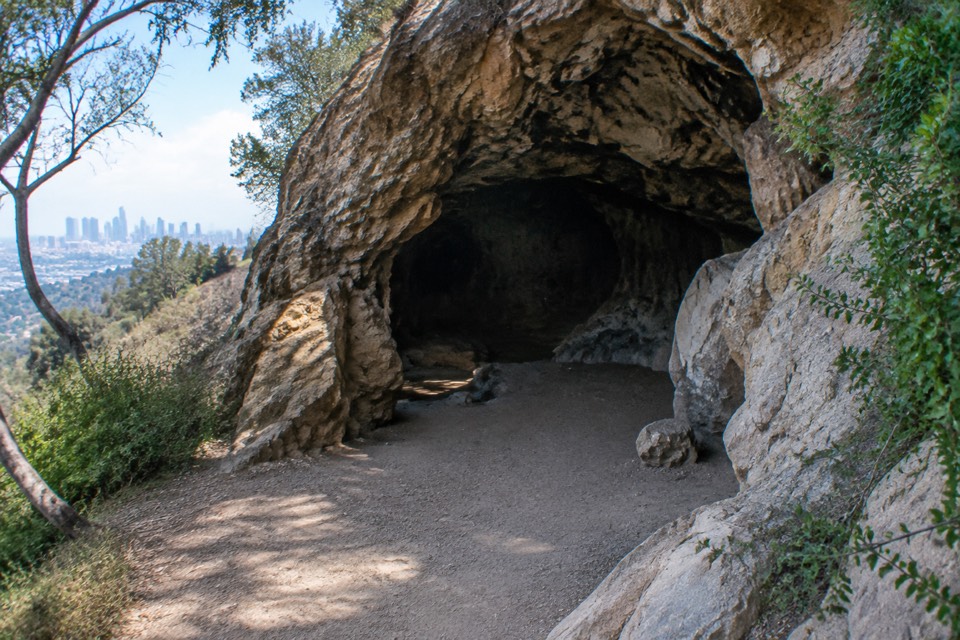
The 1966 Batman TV series used this short tunnel in Griffith Park, Los Angeles, as the Batcave entrance, and it remains one of the franchise's most visited free sites. The cave is a short walk from the park trailhead and open to the public, no tickets needed. Decades of other productions have shot here too. Wear decent shoes and bring water for the hike, and expect a modest crowd of film fans on weekends.
While Knebworth supplied the outside, Hatfield House provided Wayne Manor's interiors for Batman (1989). The Jacobean great hall and grand staircases appear in the film's mansion scenes. The house and gardens in Hertfordshire open seasonally to the public with timed tickets, and its proximity to Knebworth makes a two-manor day trip simple. Check seasonal opening before visiting, as winter access is limited.
This Victorian cemetery on a hill east of Glasgow city centre stood in for a Gotham cemetery in The Batman (2022), including a motorcycle sequence. Its weathered monuments and city views fit the film's grimy vision of Gotham perfectly. The Necropolis is free and open during daylight hours, sitting right beside Glasgow Cathedral. A steady uphill path links the two, so allow time to wander the grounds properly.
An abandoned tram tunnel beneath central London served as the Batcave entrance in The Batman (2022). The tunnel itself is not generally accessible, but the street-level entrance on Kingsway is easy to view from the pavement, and the surrounding Holborn area is full of other filming spots. There is no charge and no ticket needed. Combine it with Two Temple Place a short walk away for a compact Batman morning in London.
This ornate Victorian mansion on the Thames Embankment appeared as Mayor Mitchell's house in The Batman (2022), site of one of the film's early set pieces. Built for William Waldorf Astor, its richly carved interiors open to the public during exhibition seasons, so admission is ticketed and timing matters. Outside those windows only the striking exterior can be seen. It is a short walk from Temple station, ideal for a quick photo stop.
The opening bank robbery of The Dark Knight (2008) was filmed at this vast Art Deco former post office spanning the Eisenhower Expressway. Though the interior has since been redeveloped for offices, the exterior remains viewable from the street, and the building's presence over the highway is unmistakable. Access is exterior only and free. It sits a short transit ride from the Loop, close to other Nolan filming territory.
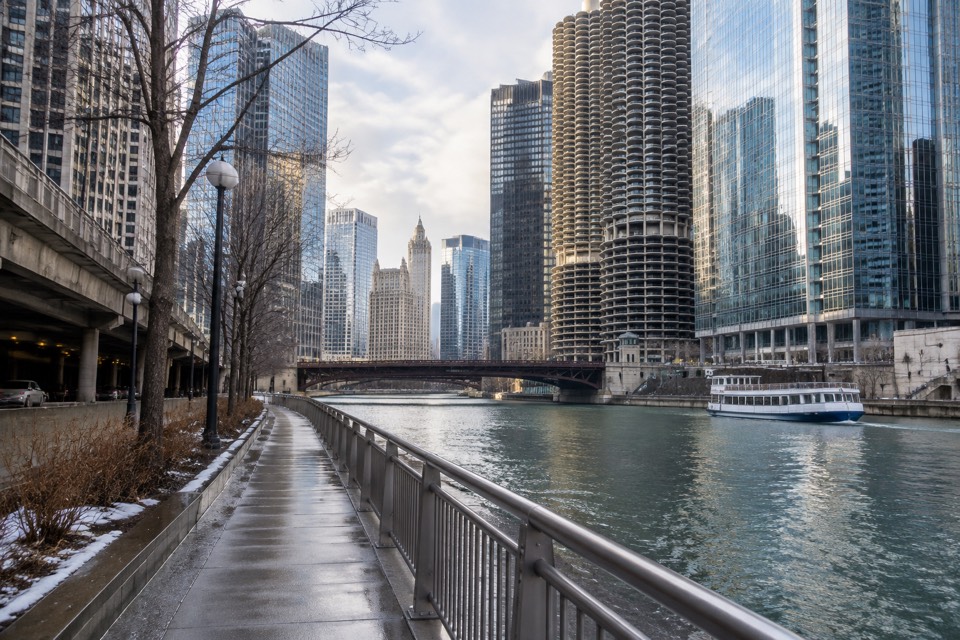
This double decked service road beneath downtown Chicago carried the Batmobile and Batpod chase sequences in The Dark Knight (2008). It remains a public roadway, so visitors can drive it themselves or look down from street level above. There is nothing to pay and no formal access point. Local film location walking tours in the Loop often fold the area's Nolan connections into their routes, which adds useful context.
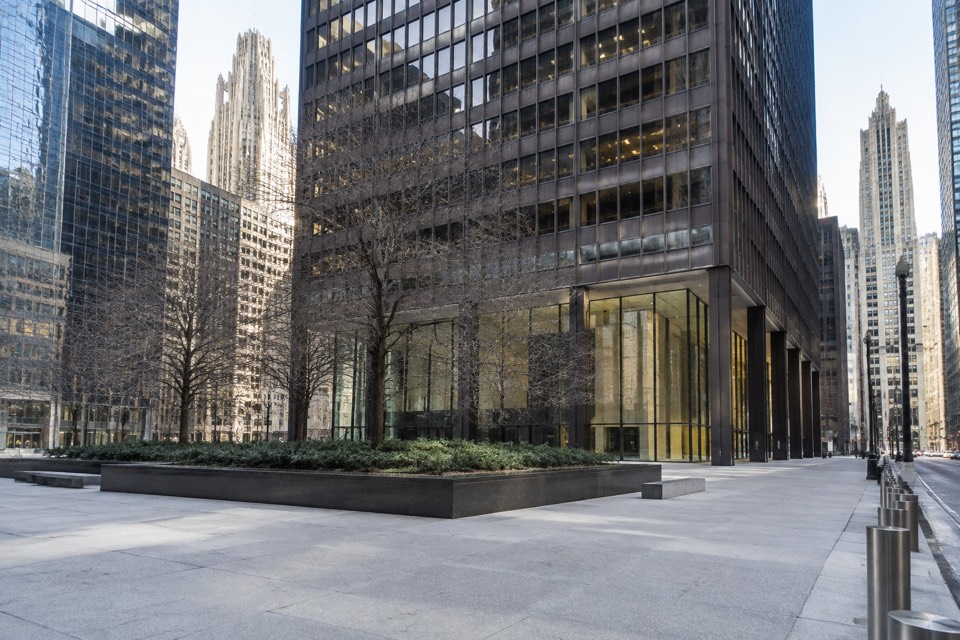
The Daley Center's stark modernist plaza and courthouse stood in for Wayne Enterprises headquarters in The Dark Knight (2008). Its plaza is fully public and free to visit, anchored by the unpainted Picasso sculpture. The building sits in the heart of the Chicago Loop, making it an easy add on to any downtown filming locations walk.
Where It Is Set Versus Where It Was Filmed
The Batman stories are set in fictional Gotham City, a decaying metropolis commonly read as a dark mirror of New York. In reality the films were shot largely in the United Kingdom, with Liverpool, Glasgow and London doubling for Gotham streets, plus major studio work at Leavesden and Pinewood. Chicago carried the Nolan trilogy, and Los Angeles hosted the 1966 series and earlier productions.
The Studio Side
Four studios anchor the franchise's production history. Tim Burton's 1989 Batman built its enormous Gotham set across 18 soundstages and backlot space at Pinewood in the UK, which is not open to the public. Warner Bros. Studios Leavesden hosted the Batcave and other major sets for The Batman (2022) and runs Warner Bros. Studio Tour London for visitors. In the United States, the 1966 series shot interiors at Culver Studios, now closed to tours, while the Burbank studio complex offers the Warner Bros. Studio Tour.
Tours That Visit These Locations
Guided options exist on both sides of the Atlantic. In Los Angeles, the studio tour covers a working lot with DC history. In Chicago, a downtown walking tour visits Nolan trilogy sites. In London, a private superhero walking guide covers locations including several from The Batman.
Hollywood Studio Lot Tour
Warner Bros. Studio Tour Hollywood
A rare chance to walk a working Hollywood studio lot with deep DC connections, ideal for visitors basing themselves in Los Angeles.
Downtown Chicago Film Walk
Downtown Chicago TV & Movie Filming Locations Walking Tour
A 45 dollar guided walk through downtown Chicago filming locations, a natural fit for Dark Knight fans wanting Loop sites explained rather than hunted alone.
Private Superhero Walk, London
Superhero London Walking Tour with Private Guide
A private guide for 262.63 dollars, rated 4.3, taking small parties past London locations tied to The Batman and other comic adaptations.
Frequently Asked Questions
Was Batman filmed in a real city?
Yes. Though set in fictional Gotham City, the films used real locations, primarily Liverpool, London and Glasgow in the UK, Chicago for Nolan's trilogy, and Los Angeles for the 1966 series and other productions.
Where Is The Batcave In Real Life?
There are several. The 1966 series used Bronson Caves in Griffith Park, Los Angeles, which is free to visit. The Batman (2022) used the abandoned Kingsway Tram Tunnel in London for its entrance, viewable from street level, while the Batcave sets were built at Warner Bros. Studios Leavesden.
Can You Visit Wayne Manor?
Partly. Knebworth House in Hertfordshire was the 1989 exterior and opens for tours and events, while Hatfield House supplied the interiors and opens seasonally with tickets. Check dates before travelling as winter access is limited at both.
Which Chicago Locations Appear In The Dark Knight?
The Old Chicago Main Post Office hosted the opening bank robbery, Lower Wacker Drive carried the chase scenes, and the Richard J. Daley Center stood in for Wayne Enterprises. All three are free to view from public streets or plazas.
Is Any Batman Studio Open To The Public?
Yes, two. Warner Bros. Studios Leavesden runs Warner Bros. Studio Tour London, and the Burbank lot offers the Warner Bros. Studio Tour in Los Angeles. Pinewood and Culver Studios are not open for public tours.
Are Liverpool And Glasgow Batman Locations Free?
Yes. St George's Hall in Liverpool is viewable free from outside, and Glasgow Necropolis is open free during daylight hours. Both are short walks from major rail stations, making them easy additions to a city break.
Batman travel is unusually rewarding because the productions reused the same handful of cities. A UK trip can string together Liverpool, Glasgow, London and Hertfordshire in a few days, while Chicago and Los Angeles each offer a full day of recognizable sites plus a studio tour. Start with whichever era of the franchise matters most, then build the route from there.