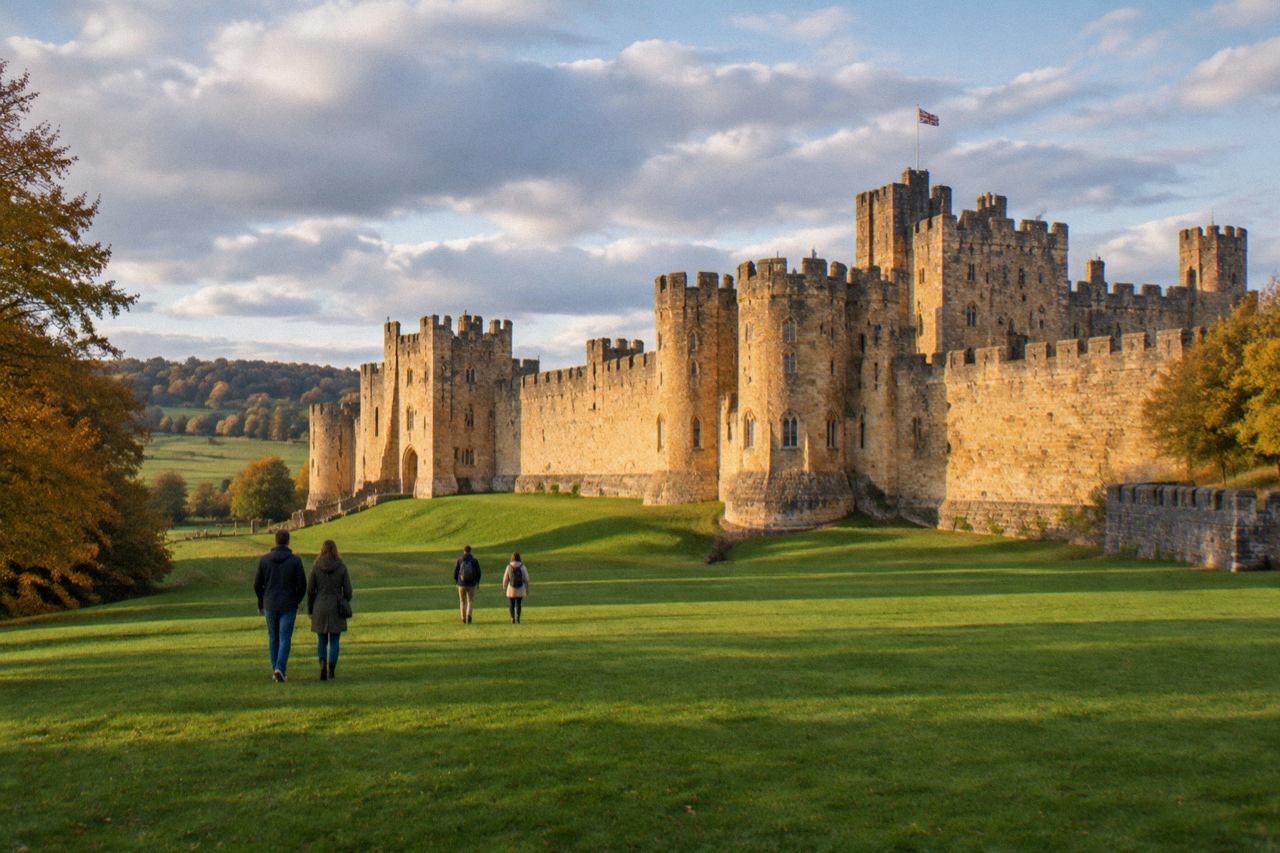
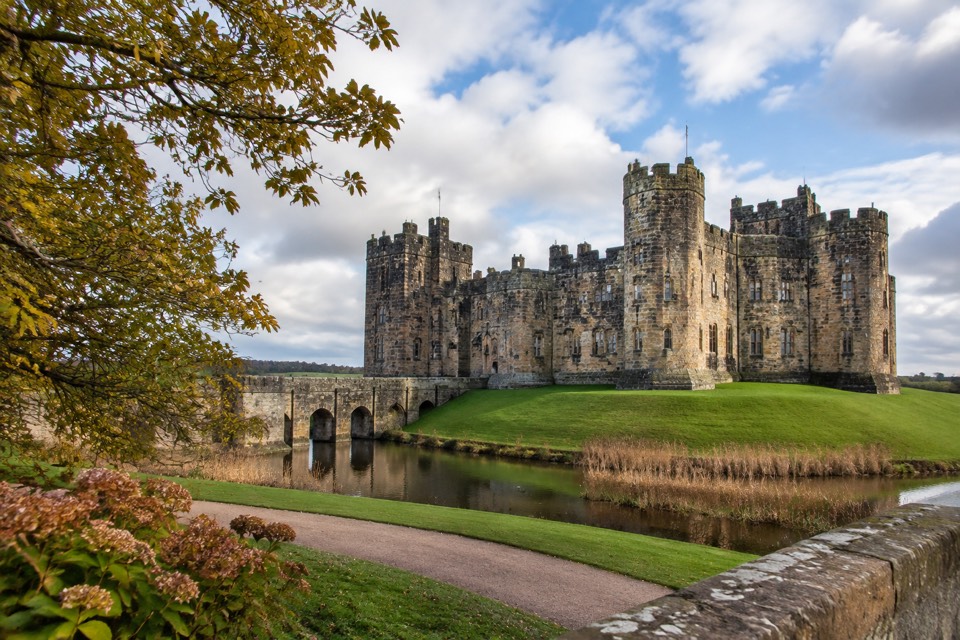
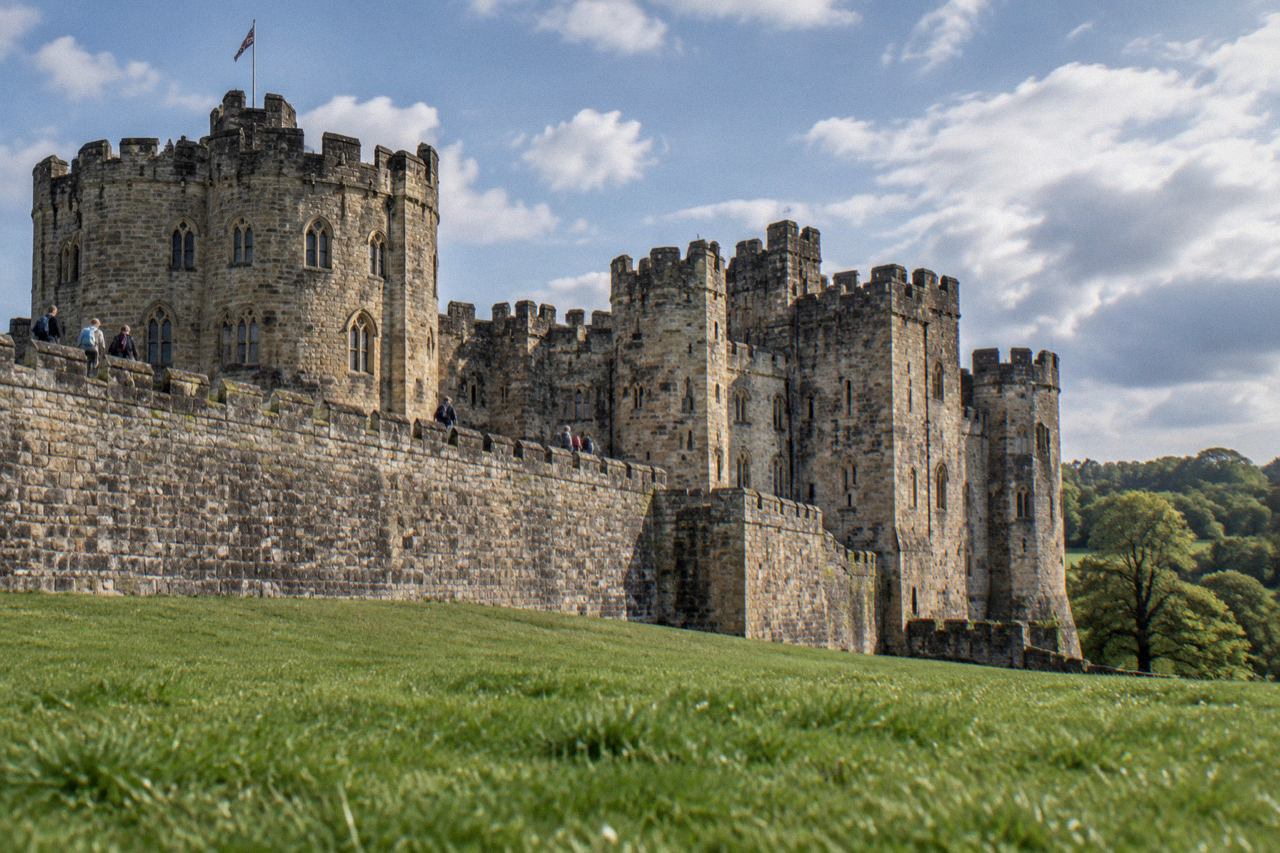
Alnwick Castle in Northumberland stood in for Hogwarts exteriors in the first two films. The Outer Bailey hosted Harry's first broomstick flying lesson and Quidditch practice, while the Inner Bailey appeared in the flying car crash scene. The castle is open to the public year-round with admission fees and runs its own Harry Potter tours and events, making it one of the most accessible filming sites in northern England.
The Short Answer
The Harry Potter films were mainly made at Warner Bros. Studios Leavesden in Hertfordshire, England, where all principal photography took place across 588 constructed sets. Exterior and supporting scenes were filmed at historic sites across England, Scotland, Wales, and Ireland, including Alnwick Castle, Glenfinnan Viaduct, Gloucester Cathedral, Lacock Abbey, Oxford, and the Cliffs of Moher.
Harry Potter is one of the most filmed franchises in British cinema history. Between 2001 and 2011, eight films took audiences into a fictional wizarding world, but almost every frame was captured in real places: a working film studio in Hertfordshire, medieval cloisters in Wiltshire, a Victorian covered market in the City of London, and a steam railway viaduct in the Scottish Highlands.
Many of these locations are open to the public today, and some rank among the most visited attractions in Britain and Ireland. Fans can stand in the corridors that doubled for Hogwarts, walk the streets that became Diagon Alley, and tour the actual studio sets where the magic was filmed.
Every Location At A Glance
| Location | Where | What was filmed | Access |
|---|---|---|---|
| Alnwick Castle | Alnwick, United Kingdom | Hogwarts exteriors, broomstick flying lessons in Outer Bailey, Quidditch practice, flying car crash in Inner Bailey | Ticketed |
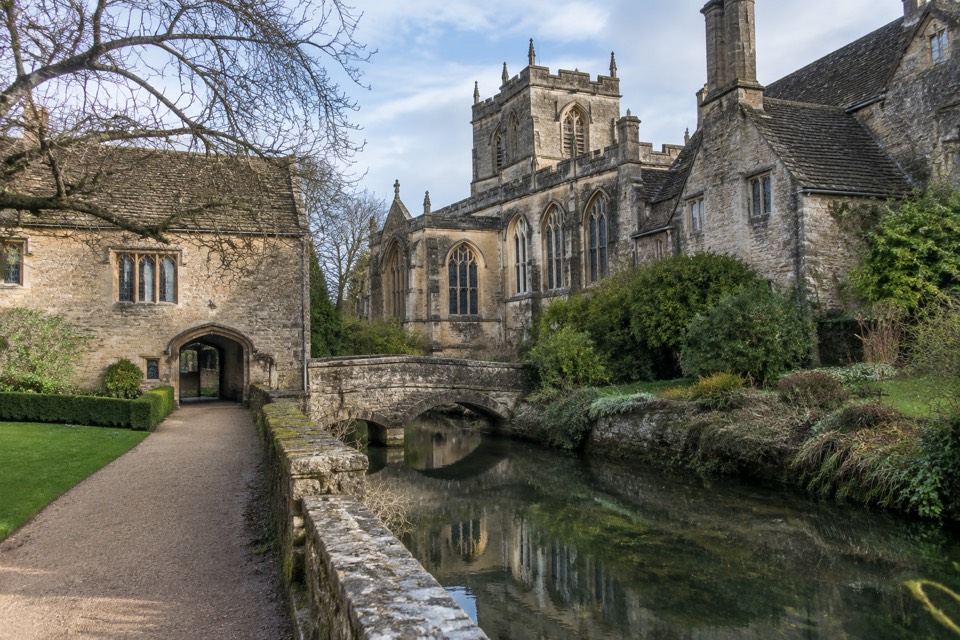
| Lacock Abbey | Lacock, United Kingdom | Hogwarts corridors and cloisters, Quirrell's Defence Against the Dark Arts classroom, Snape's Potions classroom, Mirror of Erised scene in Chapter House | Ticketed |
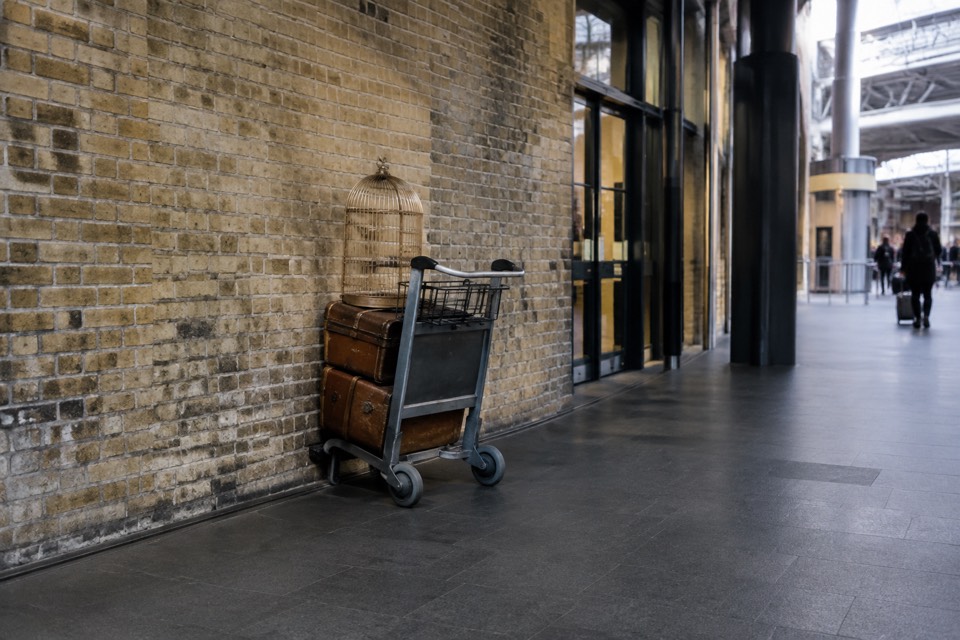
| King's Cross Station (Platform 9¾) | London, United Kingdom | Hogwarts Express departures from Platform 9¾ (filmed at platforms 4/5) | Free to see |
| Glenfinnan Viaduct | Glenfinnan, United Kingdom | Hogwarts Express crossing the viaduct | Free to see |
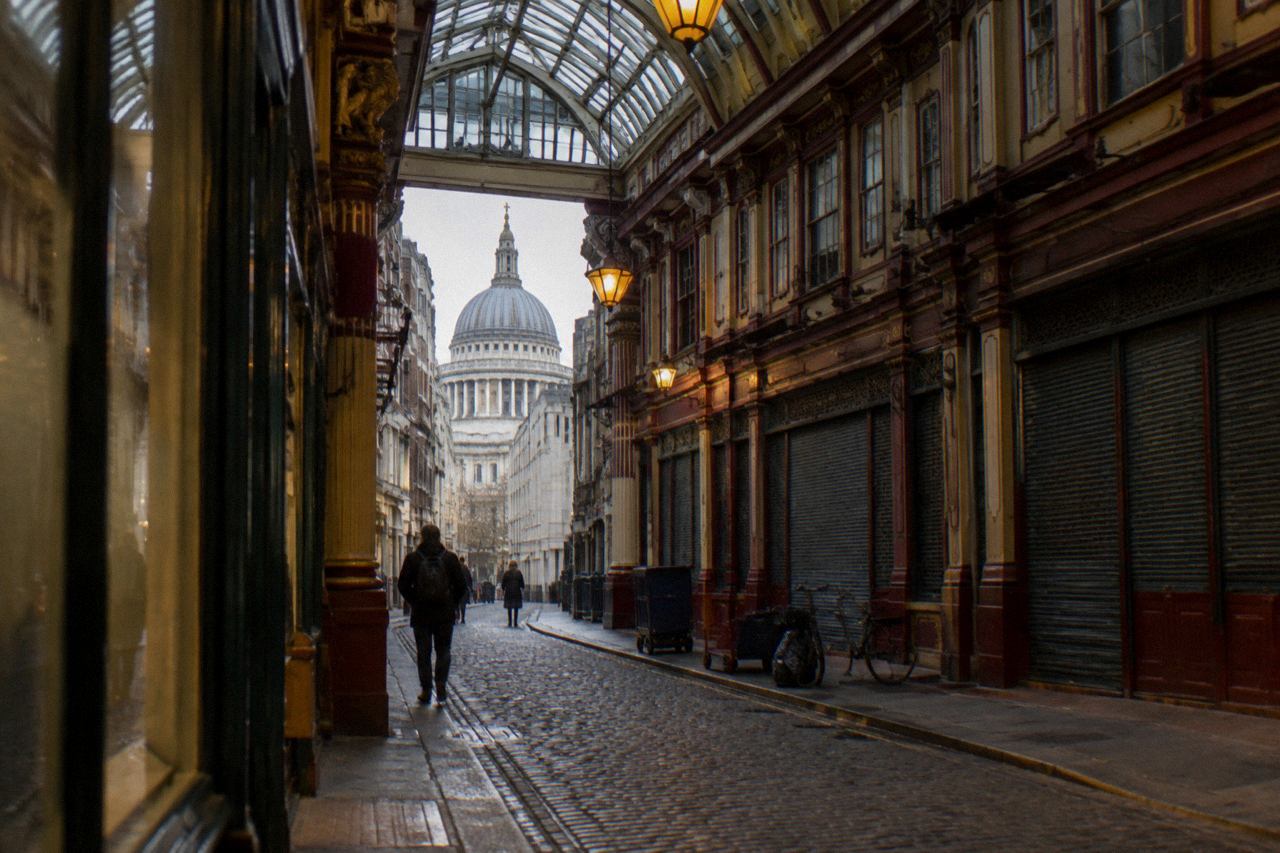
| Leadenhall Market | London, United Kingdom | Diagon Alley exteriors, Leaky Cauldron entrance | Free to see |
| Gloucester Cathedral | Gloucester, United Kingdom | Hogwarts corridors, Great Hall inspirations, various interior scenes | Ticketed |
| Bodleian Library Divinity School | Oxford, United Kingdom | Hogwarts library and infirmary scenes | Ticketed |
| Cliffs of Moher | Liscannor, Ireland | Cave entrance for Horcrux search (digitally altered) | Ticketed |
Filming Locations Map
8 locations. The map loads when it scrolls into view.
Map data © OpenStreetMap contributors
Location By Location
This National Trust property in Wiltshire supplied some of the most recognisable Hogwarts interiors. Its medieval cloisters doubled as school corridors, while rooms served as Quirrell's Defence Against the Dark Arts classroom and Snape's Potions classroom. The Chapter House appeared in the Mirror of Erised scene. Lacock Abbey appears in three of the films. Visitors can take guided tours or explore on their own, and the adjoining village adds to the experience.
The Hogwarts Express departure scenes were filmed at King's Cross, specifically at platforms 4 and 5. Today the station offers a free trolley photo opportunity at the marked Platform 9¾ spot, complete with an official Harry Potter shop nearby. It is a public station, so access costs nothing, though the photo op is one of London's busiest tourist spots. The station appeared in the first three films.
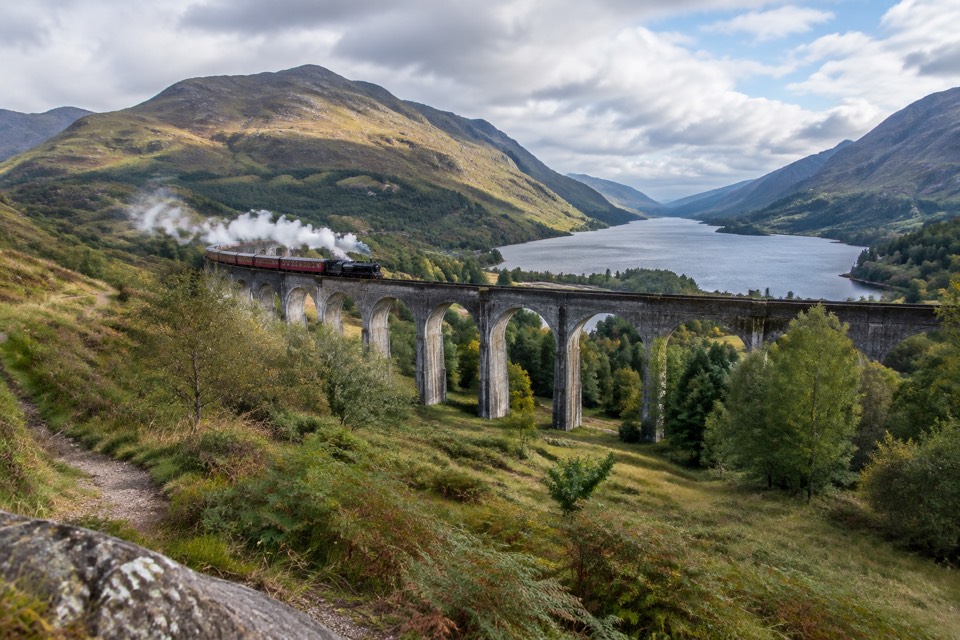
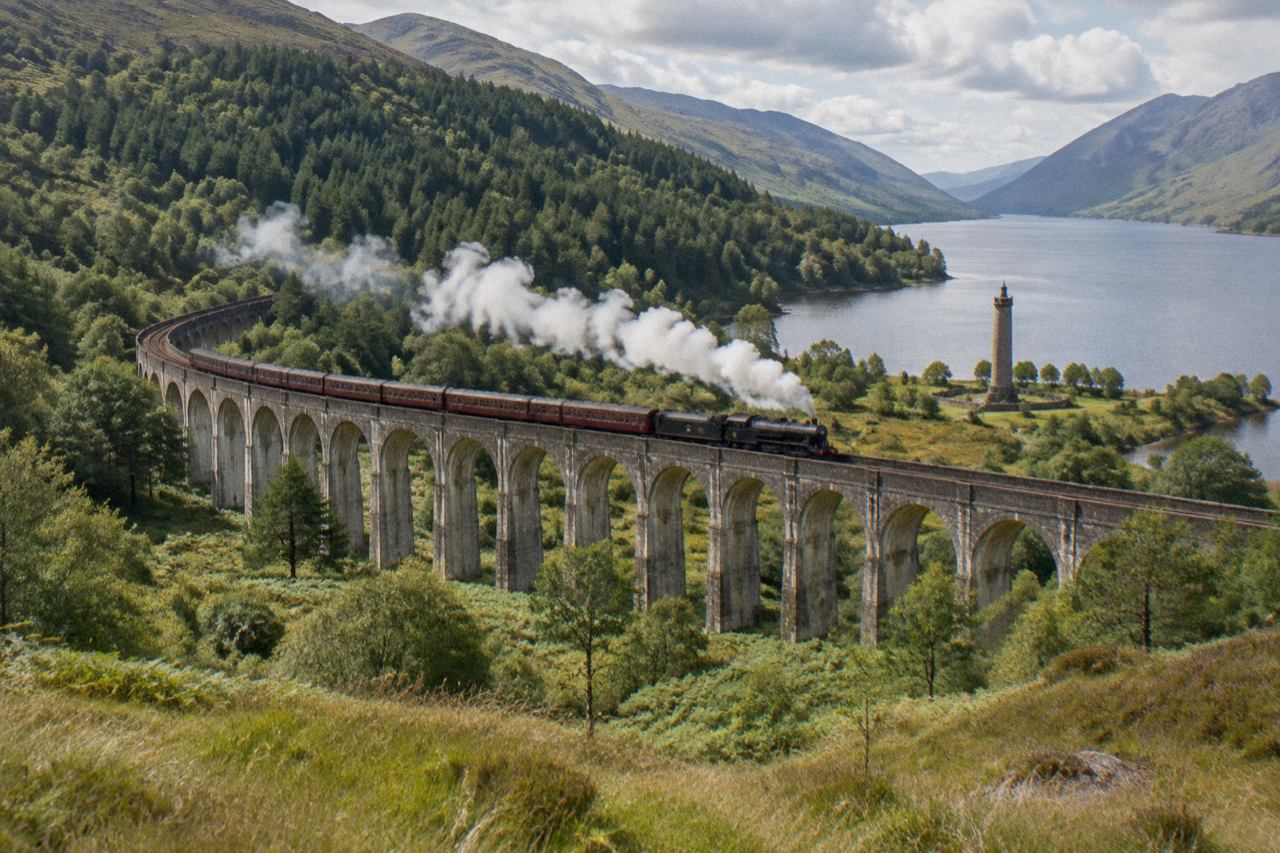
This Highland viaduct is where the Hogwarts Express, the real Jacobite steam train, was filmed crossing the arches. It appears in four of the films, from the Chamber of Secrets through the Order of the Phoenix. The viaduct is free to view from public paths, and many visitors choose to ride the Jacobite itself. The location is remote, best reached by car or train, and featured in the second through fifth films.
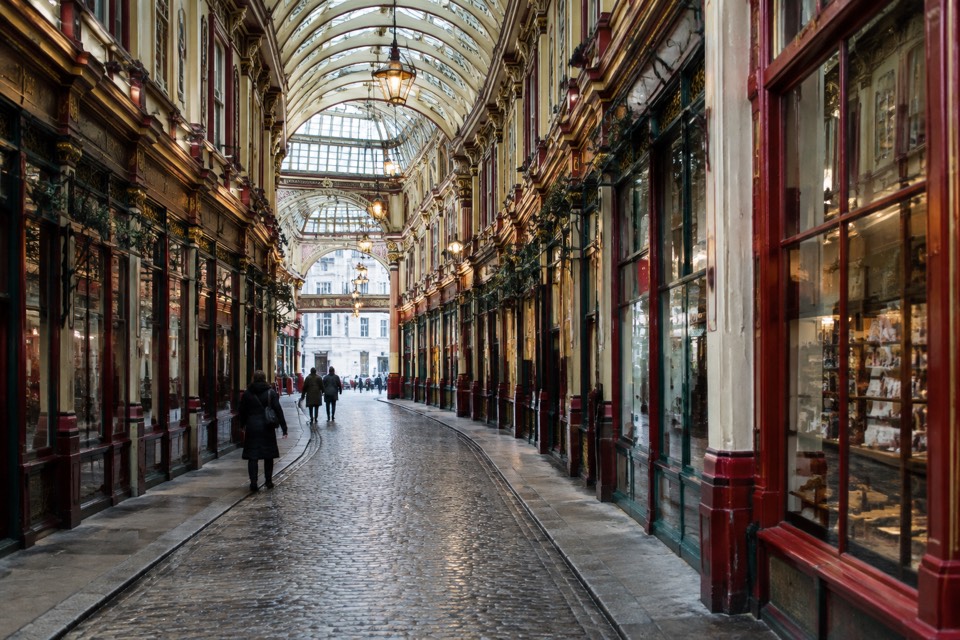
This ornate covered market in the City of London provided the Diagon Alley exteriors and the Leaky Cauldron entrance in the Philosopher's Stone. It remains a working market with free public access during opening hours, and its Victorian glass-and-iron architecture looks much as it did on screen. It sits close to other City landmarks and makes an easy stop on any London walking itinerary.
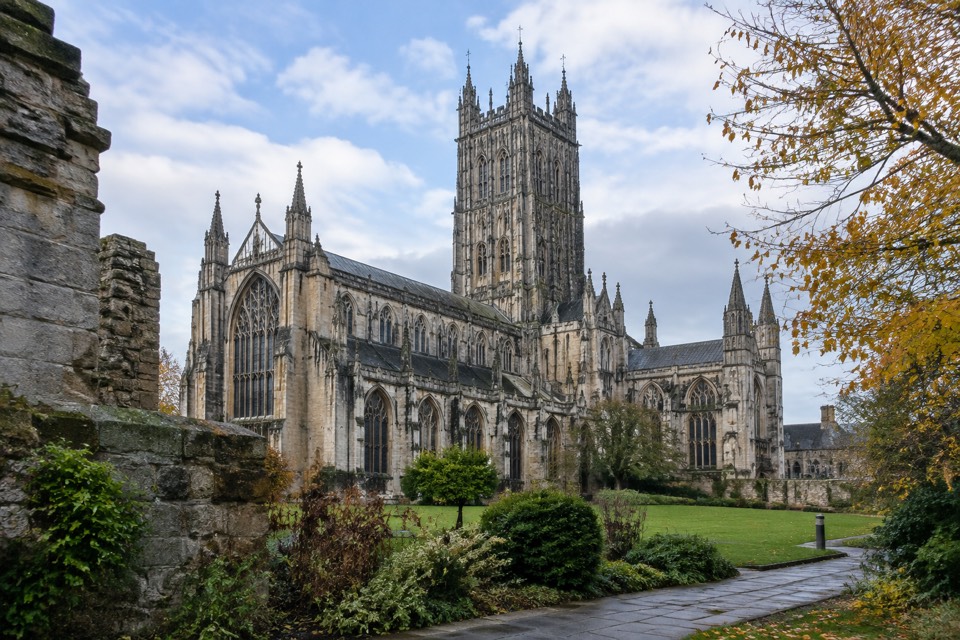
Gloucester Cathedral's corridors appeared as Hogwarts walkways in three films, including the Philosopher's Stone and the Half-Blood Prince, and its architecture helped inspire the Great Hall. The cathedral remains an active place of worship with a visitor entry fee, and it offers Harry Potter trails and exhibits for fans. Its cloisters are among the most filmed Gothic spaces in England and are a short walk from the city centre.
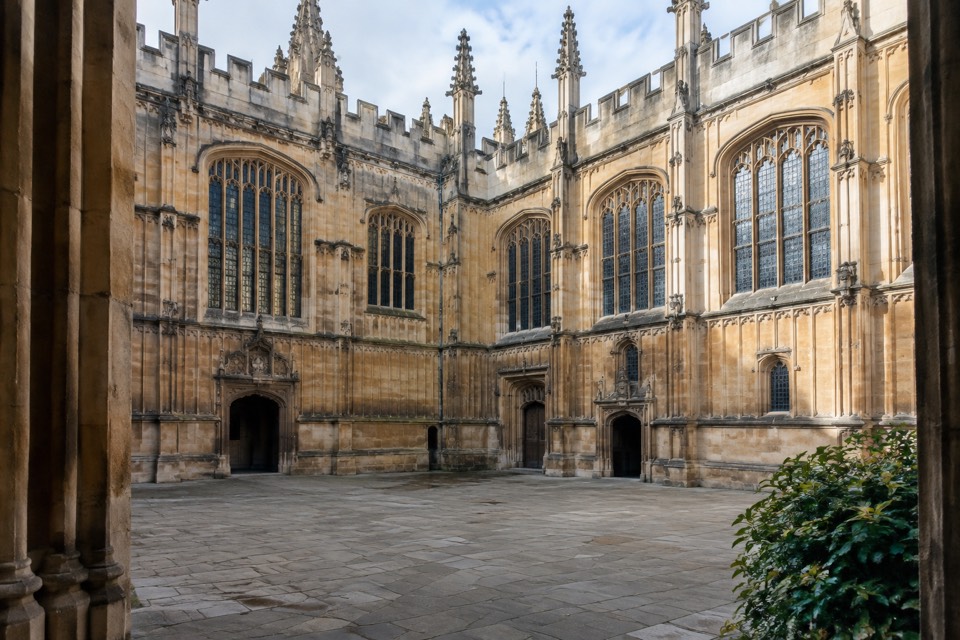
The Divinity School, part of the University of Oxford's Bodleian Library, served as the Hogwarts library and infirmary in the Philosopher's Stone, the Chamber of Secrets, and the Goblet of Fire. Its fan-vaulted ceiling is one of the most recognisable interiors in the series. Access is by public tour or paid entry, and Oxford's other colleges make the city a rewarding day trip from London for fans.
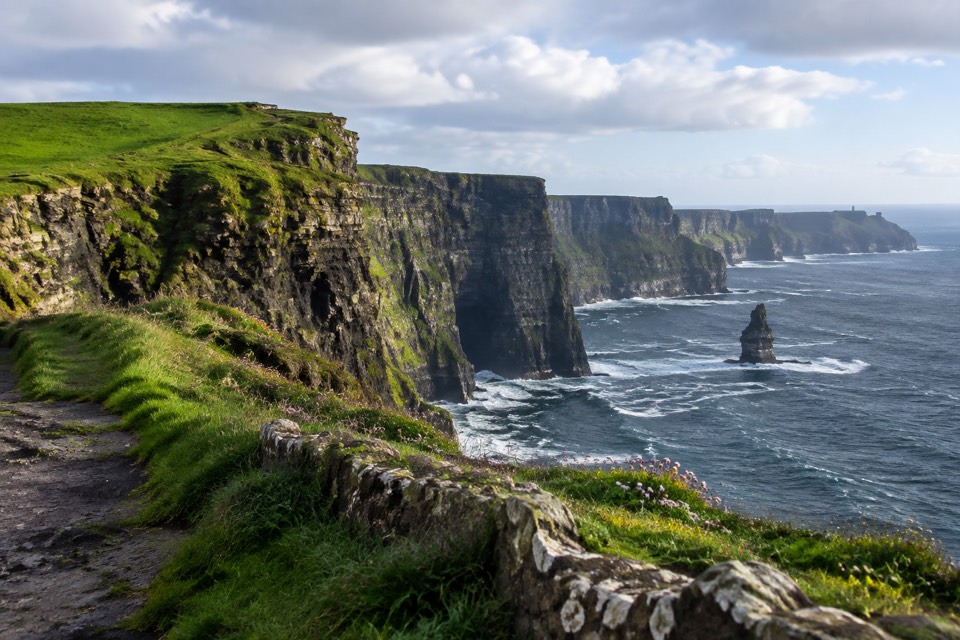
The Cliffs of Moher in County Clare stood in for the cave entrance during the Horcrux search in the Half-Blood Prince, with digital alteration enhancing the scene. The cliffs are one of Ireland's biggest attractions, with a visitor centre and cliff-edge paths. Access depends on weather conditions. The site is ticketed and can be combined with wider tours of Ireland's Atlantic coast, including nearby Galway and the Burren.
Where It Is Set Versus Where It Was Filmed
The story may unfold in a fictional wizarding world with Hogwarts located in the Scottish Highlands, but production realities were different. All eight films were based at Leavesden Studios in England, with location shooting spread across the United Kingdom and Ireland. Scotland supplied dramatic scenery such as Glenfinnan Viaduct, while England provided most of the castles, cloisters, and streets that became Hogwarts and Diagon Alley.
The Studio Side
Warner Bros. Studios Leavesden in Hertfordshire hosted every Harry Potter film from 2001 to 2011, with 588 sets constructed across the series. The site is now home to Warner Bros. Studio Tour London, The Making of Harry Potter, a permanent visitor attraction where fans can walk through original sets, costumes, and props from all eight films. It is the single most important stop for anyone tracing where the films were made.
Tours That Visit These Locations
Guided options cover both the studio experience and the wider world of location shooting, from Tokyo's official studio tour to private Highland journeys in Scotland.
Private Highland Day Tour
Private Harry Potter, Glenfinnan Viaduct, Highland Edinburgh Tour
A private tour from Edinburgh rated 4.9 out of 5 across 31 reviews, pairing Glenfinnan Viaduct with Highlands scenery on a flexible itinerary.
Tokyo Studio Tour Entry
Tokyo WB. Studio Tour Harry Potter's Creation E-Ticket Optional
Skip the counter with an e-ticket for the Warner Bros. Studio Tour in Tokyo, covering the making of the films with original sets and props.
Frequently Asked Questions
Where were the Harry Potter films mainly filmed?
At Warner Bros. Studios Leavesden in Hertfordshire, England. All principal photography for the eight films took place there between 2001 and 2011, with 588 sets built on site. Exterior and supporting scenes were shot at locations across England, Scotland, Wales, and Ireland.
Can you visit the studio where Harry Potter was filmed?
Yes. The studio site now operates as Warner Bros. Studio Tour London, The Making of Harry Potter, a permanent attraction featuring original sets, props, and costumes from the films. Booking in advance is advisable as time slots regularly sell out.
Is Platform 9¾ a real place you can visit?
Yes. King's Cross Station in London has a public Platform 9¾ photo opportunity with a trolley embedded in the wall, plus an official Harry Potter shop. The original scenes were filmed at platforms 4 and 5 of the station.
Which castle was used for Hogwarts?
Alnwick Castle in Northumberland stood in for Hogwarts exteriors in the first two films, including the broomstick flying lesson and Quidditch practice scenes. Other sites such as Gloucester Cathedral and Lacock Abbey provided corridors and interiors. The castle is open to the public year-round with admission fees.
Where is the Hogwarts Express bridge?
The viaduct crossed by the Hogwarts Express is Glenfinnan Viaduct in the Scottish Highlands, appearing in four of the films. Visitors can view it from public paths or ride the Jacobite, the real steam train used in the films, which crosses the viaduct on its route.
Was any Harry Potter filming done in Ireland?
Yes. The Cliffs of Moher in County Clare were used for the cave entrance scene during the Horcrux search in the Half-Blood Prince, with digital alteration applied. The site is a major visitor attraction with a visitor centre and cliff paths.
From a working film studio in Hertfordshire to a steam railway in the Highlands, the Harry Potter films left footprints across four countries, and nearly all of them can be visited. Pair the studio tour with a handful of real-world locations and the geography of the films comes into sharp focus.