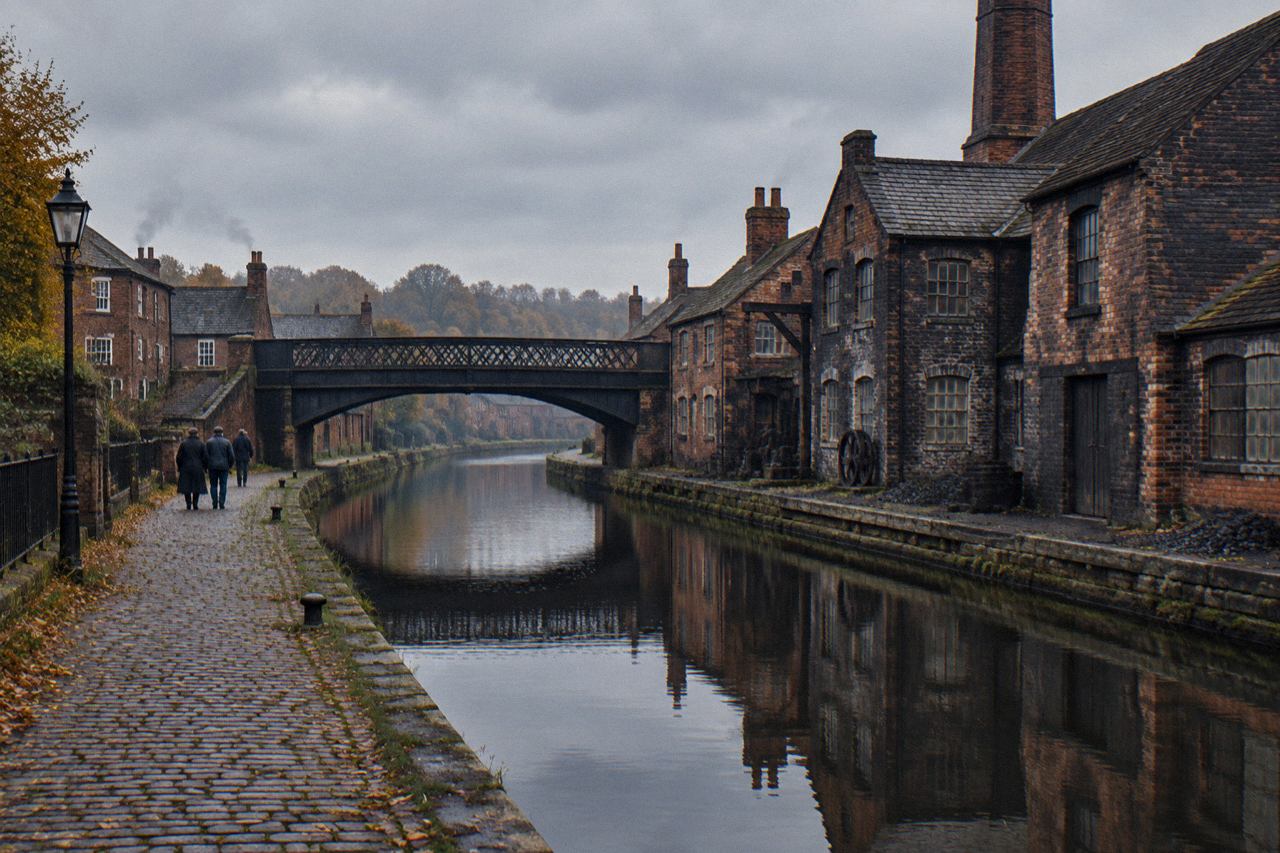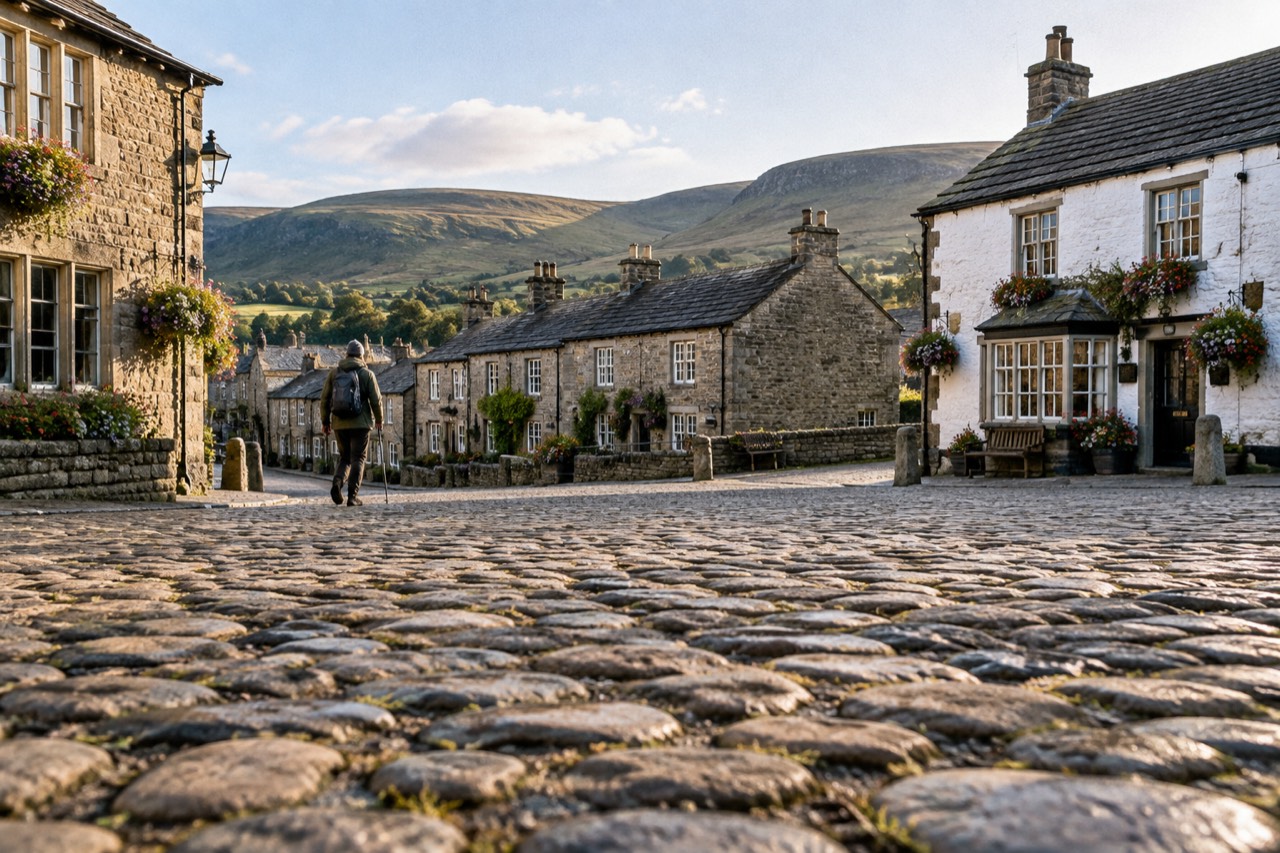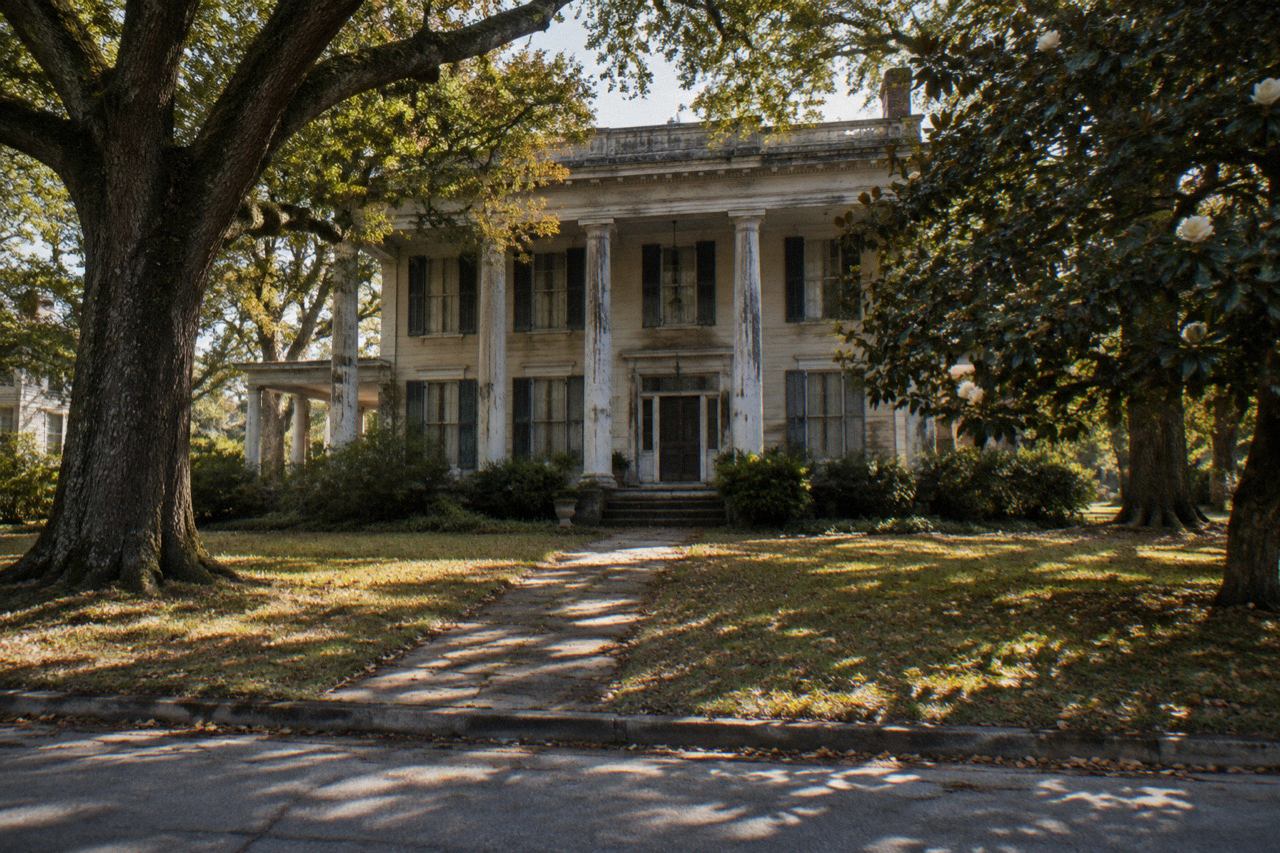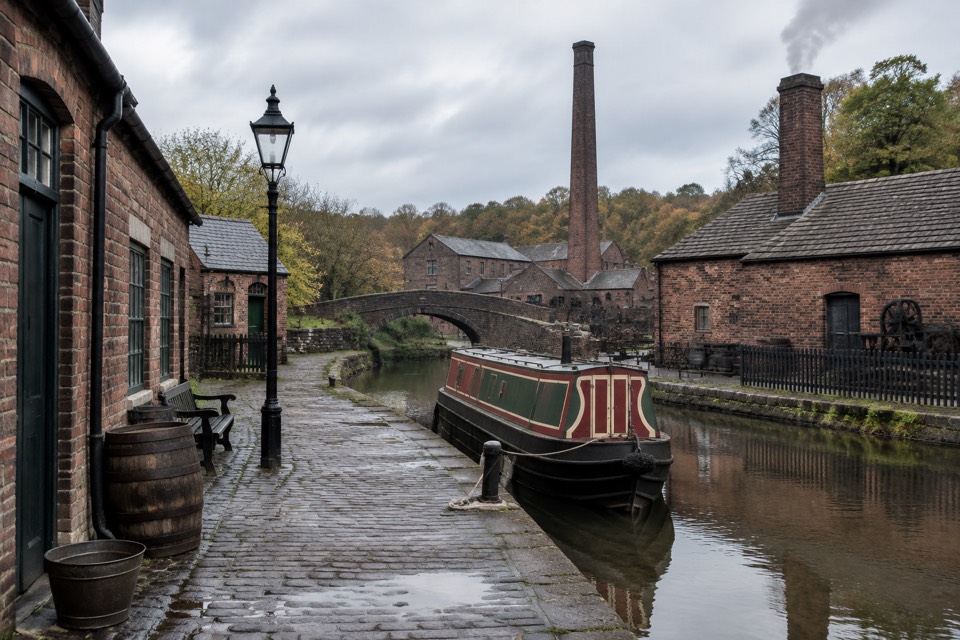
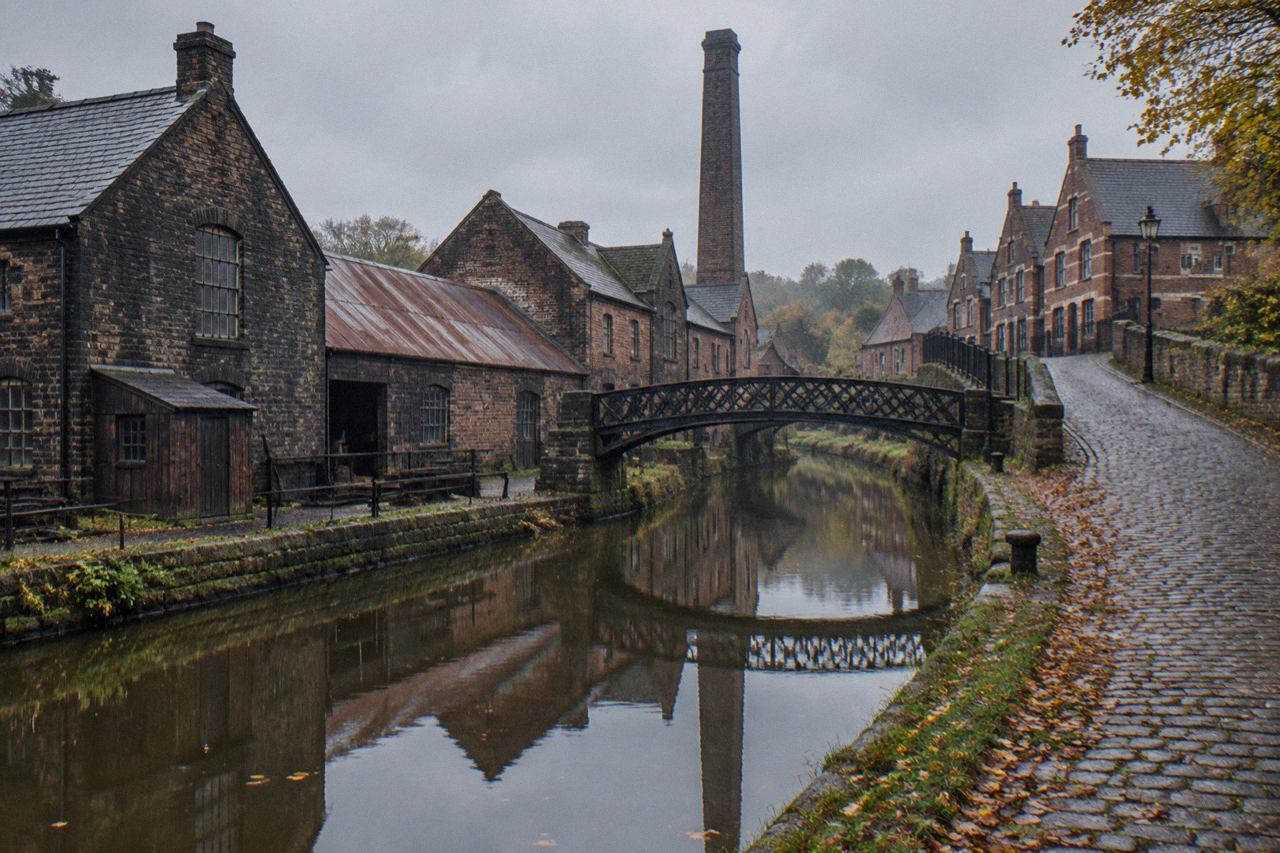
This open-air museum in Dudley appears in every season and stands in for multiple Birmingham spots: Charlie Strong's yard with its canal arm and Anchor Forge, the Canal Street bridge where Ada met Freddie, St. James Academy for a murder scene, plus the blacksmiths, chainmaker's, rolling mill, and Workers' Institute. The museum runs official filming location tours and hands out location maps. Entry is ticketed and includes an annual pass; it opens most days, and current hours and events are listed at bclm.com.
The Short Answer
Peaky Blinders is set in early 20th-century Birmingham but was primarily filmed across Northern England, especially in Yorkshire, Liverpool, Manchester, and at the Black Country Living Museum in Dudley. Most famous street and industrial scenes were shot outside Birmingham itself because few preserved 1920s locations survive there. Key sites include Powis Street in Liverpool, Arley Hall in Cheshire, and Bradford's Little Germany district.
Few television series have a gap as wide between setting and shooting location as Peaky Blinders. The Shelbys rule Small Heath, Birmingham, yet almost none of the show's streets are actually in that city. Producers faced a simple problem: Birmingham lost most of its surviving 1920s industrial streetscape to redevelopment, so they looked north and west instead.
The result is a trail of locations scattered from Merseyside to West Yorkshire, with a single open-air museum in Dudley anchoring the series across all six seasons. For travelers, that spread is good news. Most sites sit in cities that reward a longer stay, and several can be visited for free, simply by walking up.
Every Location At A Glance
| Location | Where | What was filmed | Access |
|---|---|---|---|
| Black Country Living Museum | Dudley | Charlie Strong’s yard (canal arm and Anchor Forge), Canal Street bridge (Ada and Freddie’s meetings), St. James Academy (murder scene), blacksmiths, chainmaker's, rolling mill, Workers' Institute | Ticketed |
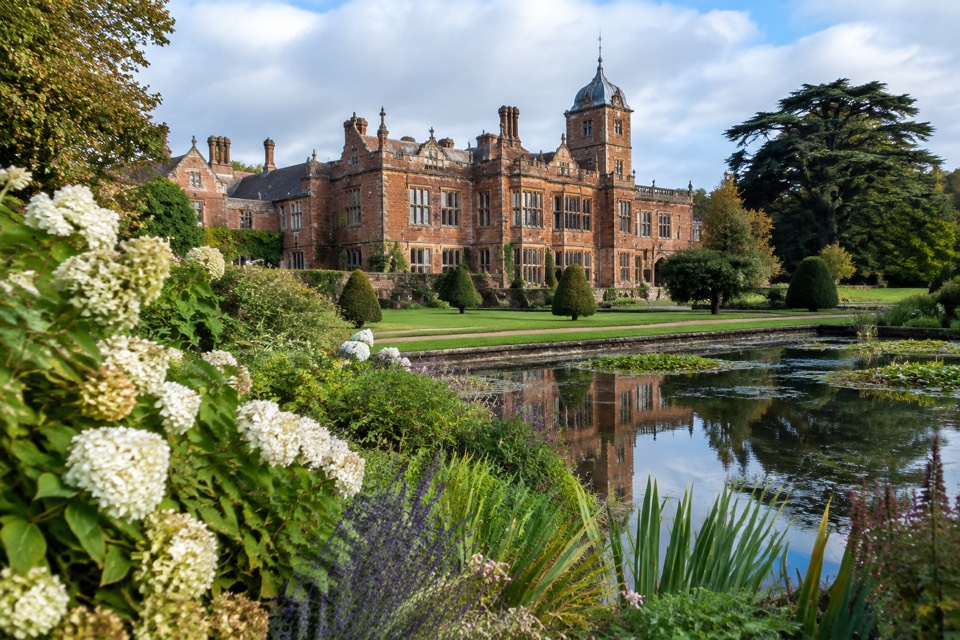
| Arley Hall & Gardens | Northwich | Arrow House (Tommy Shelby’s mansion), library as his study | Ticketed |
| Powis Street (Toxteth/Welsh Streets) | Liverpool | Watery Lane (Shelby family neighborhood, opening scene) | Free to see |
| Port Sunlight Village | Wirral | Aunt Polly’s house | Free to see |
| Victoria Baths | Manchester | Horse fair where Tommy meets May Carleton | Ticketed |
| Stanley Dock | Liverpool | Dockside and warehouse scenes | Outside only |
| Leeds Town Hall | Leeds | Various interior and exterior scenes including political and public buildings | Free to see |
| Cater Street, Little Germany | Bradford | Tommy’s office and boardroom, boxing scenes | Free to see |
Filming Locations Map
8 locations. The map loads when it scrolls into view.
Map data © OpenStreetMap contributors
Location By Location
From series 3 onward, this Cheshire historic house plays Arrow House, Tommy Shelby's mansion, with the library doubling as his study. The family home of Viscount Ashbrook opens to the public with ticketed access, and visitors can explore the gardens, walk the trails, and eat at the restaurant. It sits near Northwich, an easy stop between Liverpool or Manchester and the Birmingham area. Of all the show's locations, this is the one that most feels like stepping straight into Tommy's private world.
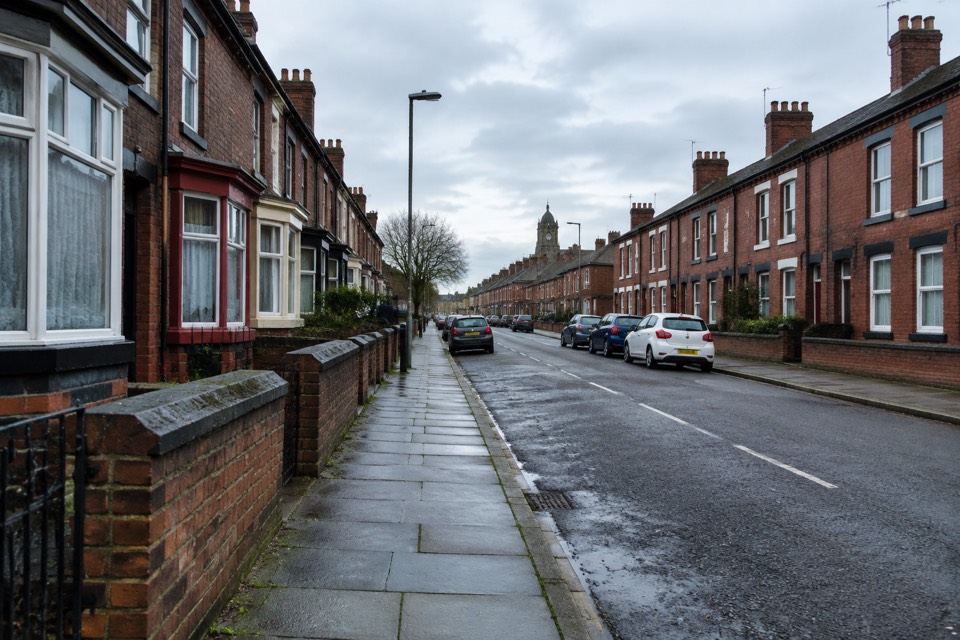
The very first shot of the series, Tommy walking his horse down Watery Lane, was filmed here on Powis Street in Liverpool's Toxteth area. It served as the Shelby family neighborhood in season 1. The street is public and freely walkable, sitting near Ringo Starr's childhood home. It remains a residential street, so visitors should explore quietly and respect the people who live there. For fans, it is arguably the single most recognizable stretch of pavement in the entire show.
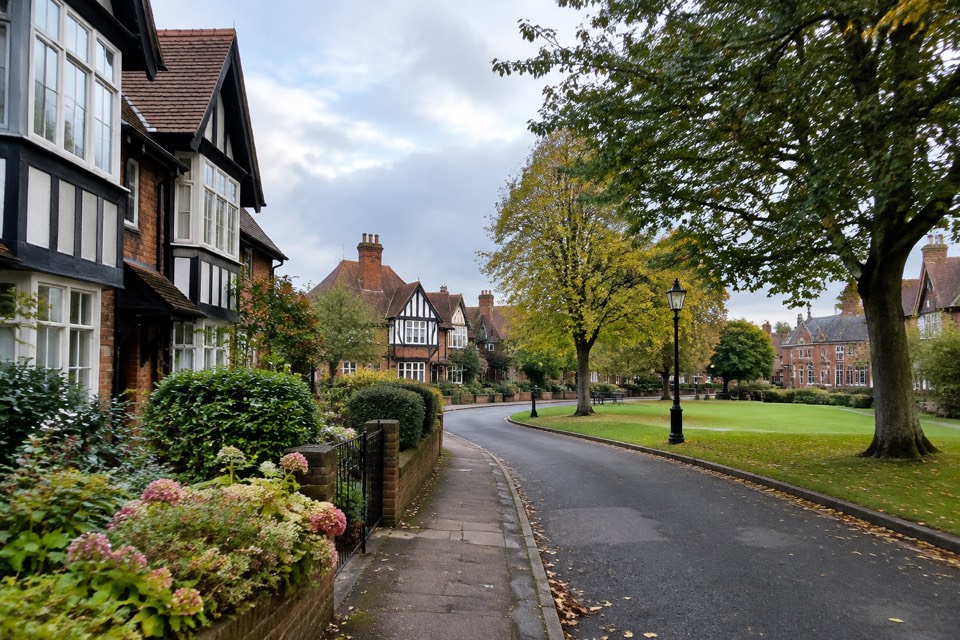
Aunt Polly's house was filmed in Port Sunlight, a model village on the Wirral built in the 1880s for factory workers. The village streets are public and free to wander, with self-guided maps available from Port Sunlight Museum. Beyond its screen credit, the village is genuinely picturesque, with manicured streets and a museum open to visitors. It pairs naturally with a Liverpool trip, sitting just across the water from the city center and close to other Merseyside filming sites.
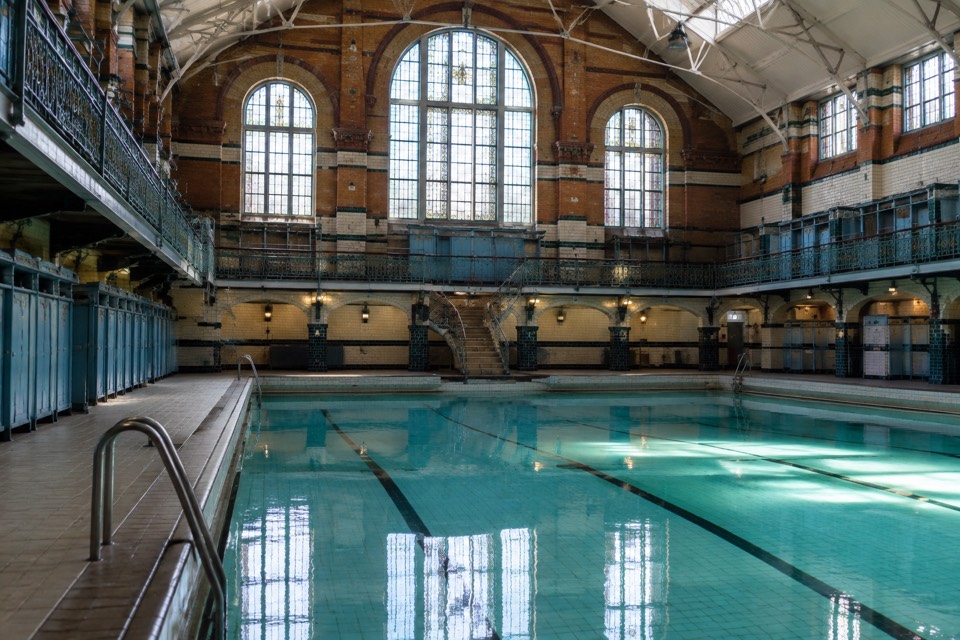
This restored Manchester bathing complex played the horse fair where Tommy meets May Carleton. The building is one of the city's most striking heritage venues, all tiled pools and stained glass. Access is ticketed and limited to select tour days, so check the website before visiting rather than turning up on spec. When open, guided tours do justice to both the architecture and its screen moment, making it a solid addition to a Manchester itinerary built around the show.
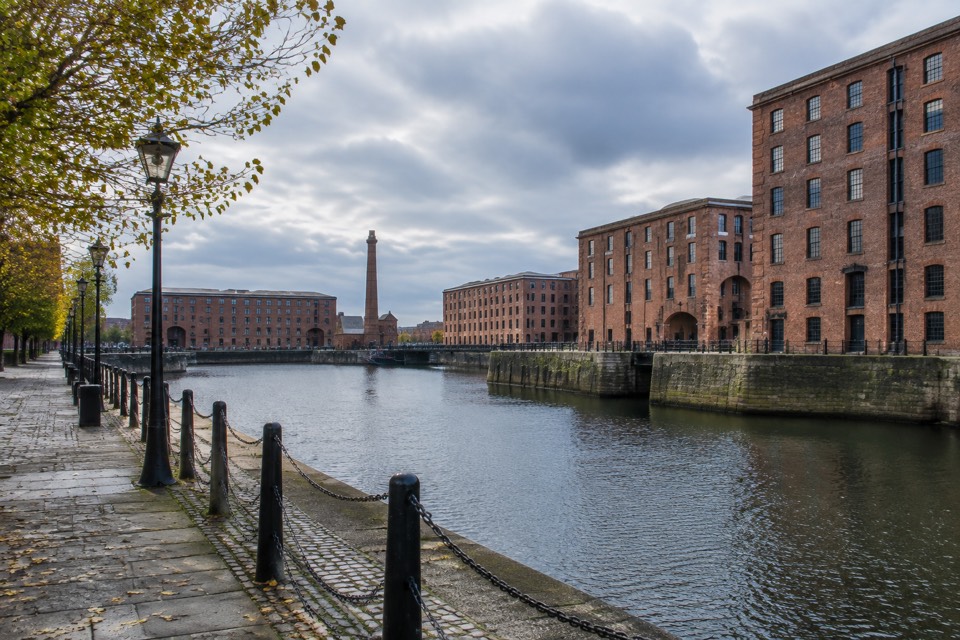
Liverpool's Stanley Dock hosted the show's dockside and warehouse scenes, including the tobacco warehouse that looms over the area. The dock is exterior-only viewing today: the surrounding area is public, walkable, and part of a UNESCO site, though it remains industrial in character. Photography from the outside is the realistic expectation here. It sits within reach of the city centre, so it works as a brief stop on a walking route that takes in Powis Street and other Liverpool locations.
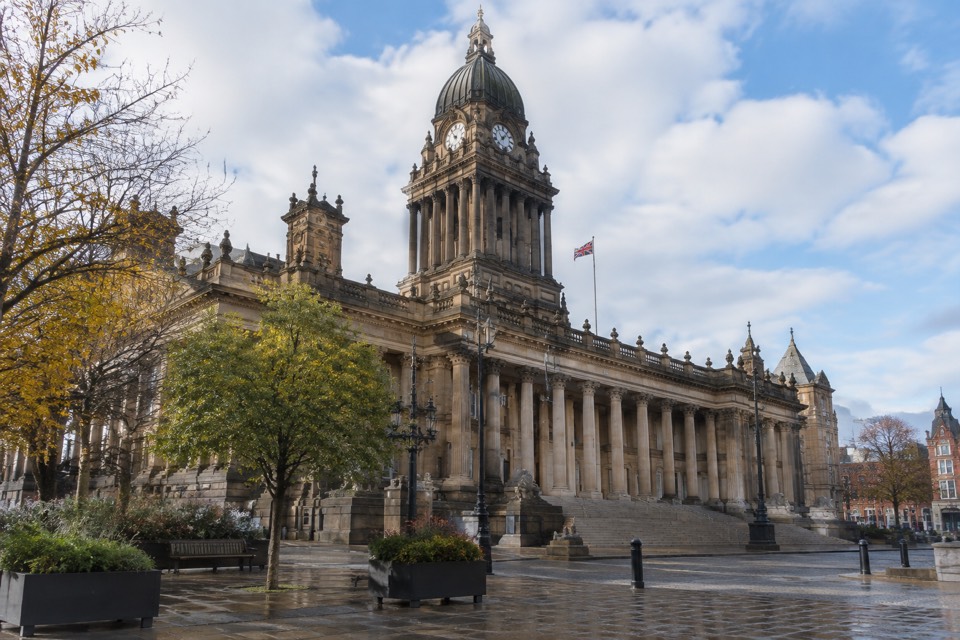
Leeds Town Hall appears in various interior and exterior scenes, standing in for political and public buildings in the Shelby world. The Victorian hall is a working civic venue, open for events and tours, with details on access at leeds.gov.uk. Because tour days vary with the events calendar, checking ahead is essential. Leeds sits within easy reach of other West Yorkshire filming territory, including the Keighley & Worth Valley Railway, so it fits naturally into a broader Yorkshire Peaky Blinders route.
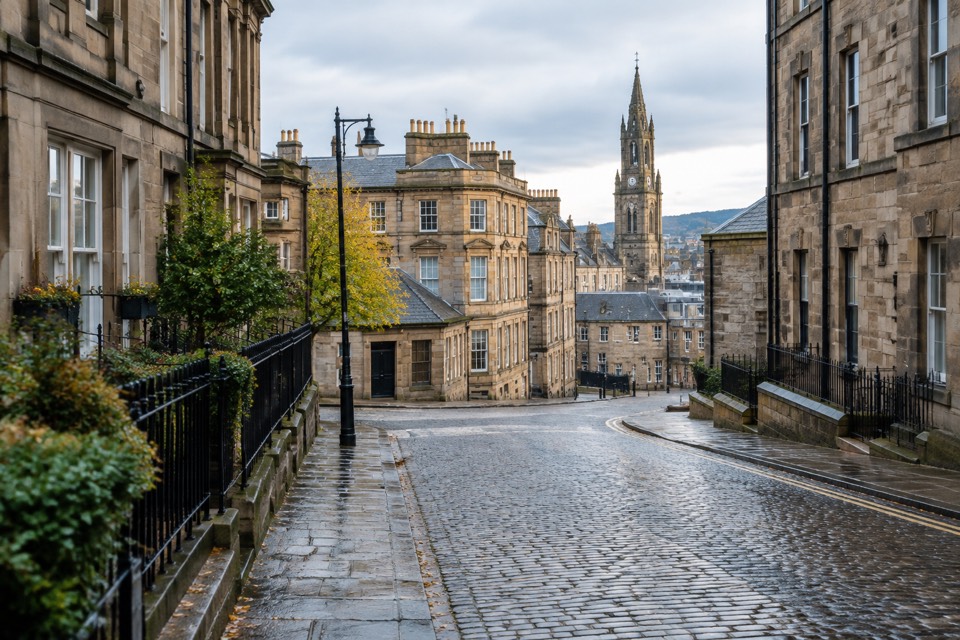
Bradford's Little Germany district supplied Tommy's office and boardroom plus several boxing scenes. The area is a dense cluster of Victorian warehouses, and the streets, including Cater Street, are public and free to walk. Some buildings are private property, so stick to the pavement. The district's heavy, ornate architecture gives it a convincing 1920s business-quarter atmosphere even without the cameras, and Bradford combines well with Leeds for a West Yorkshire filming locations day trip.
Where It Is Set Versus Where It Was Filmed
The series is set in Birmingham, specifically Small Heath and its surroundings, but production largely bypassed the city. Early seasons leaned on Yorkshire locations, with later help from Liverpool, Manchester, Cheshire, and the Black Country Living Museum in Dudley. Interior work for the show's later years and the related film used studios in Manchester and Birmingham. The gap between the fictional geography and the real one is significant: viewers who travel to Small Heath expecting to find Watery Lane will be looking in the wrong city entirely.
The Studio Side
Two studios feature in the production story. Space Studios Manchester handled studio work during the series run, and Digbeth Loc Studios in Birmingham was used for the later production, bringing at least some filming back into the city where the story is set. Neither studio is open to the public, so travelers should focus their itineraries on the on-location sites listed above rather than attempting to visit either facility.
Tours That Visit These Locations
Booking a guided walk saves research time and delivers context most visitors miss on their own, and Liverpool, home to the show's most famous street scenes, is where guided options concentrate. Two walking tours cover the Liverpool city centre locations from the ground.
Five-Star Liverpool Walk
Peaky Blinders Walking Tour of Liverpool City Centre
This city centre walk costs $40.4 and carries a perfect 5 rating across 83 reviews, making it the most-reviewed of the pair.
Official Liverpool Walking Tour
Liverpool: Official Peaky Blinders City Centre Walking Tour
The official tour, priced at $39.72, with a 4.9 rating from 63 reviews, takes in the central Liverpool sites connected to the Shelby family's on-screen neighborhood.
Frequently Asked Questions
Was Peaky Blinders actually filmed in Birmingham?
Only partly. The story is set in Birmingham, but most filming happened elsewhere, in Yorkshire, Liverpool, Manchester, Cheshire, and at the Black Country Living Museum in Dudley. Digbeth Loc Studios in Birmingham was used for later production. Everyday Birmingham street scenes were largely shot elsewhere because the city has few preserved 1920s locations.
Where is Watery Lane in real life?
Watery Lane was filmed on Powis Street in Liverpool's Toxteth area. The opening shot of the series, Tommy walking down the lane, was shot there in season 1. The street is public and free to visit, but it is residential, so visitors should respect the people living there.
Can you visit Tommy Shelby's mansion?
Yes. Arrow House is Arley Hall & Gardens near Northwich in Cheshire, used from series 3 onward, with the library playing Tommy's study. The hall is open to the public with ticketed entry, and the estate includes gardens, trails, and a restaurant.
Which Peaky Blinders location appears in every season?
The Black Country Living Museum in Dudley. It stood in for Charlie Strong's yard, the Canal Street bridge, St. James Academy, the blacksmiths, the chainmaker's, the rolling mill, and the Workers' Institute. The museum offers official filming location tours, and a ticket includes an annual pass.
Where were the train scenes filmed?
Most train scenes, including the confrontation between Grace and Inspector Campbell, were filmed on the Keighley & Worth Valley Railway in West Yorkshire. The heritage line fits naturally into a Yorkshire itinerary alongside Leeds Town Hall and Bradford's Little Germany district.
Are there guided Peaky Blinders tours?
Yes, guided walking tours operate in Liverpool city centre, covering the locations used for the Shelby neighborhood and dockside scenes. Both options listed above run in English and take a couple of hours on foot, making them easy to slot into a day in the city.
The geography of Peaky Blinders rewards travelers willing to move around. A single trip can pair Liverpool's Powis Street and Stanley Dock with Port Sunlight across the water, or link Leeds Town Hall and Bradford's Little Germany in one West Yorkshire day. The Black Country Living Museum alone justifies a stop in Dudley, since it appears in every season. Wherever fans start, the key is accepting that Birmingham, the show's spiritual home, played a smaller part on camera than most viewers ever suspected.