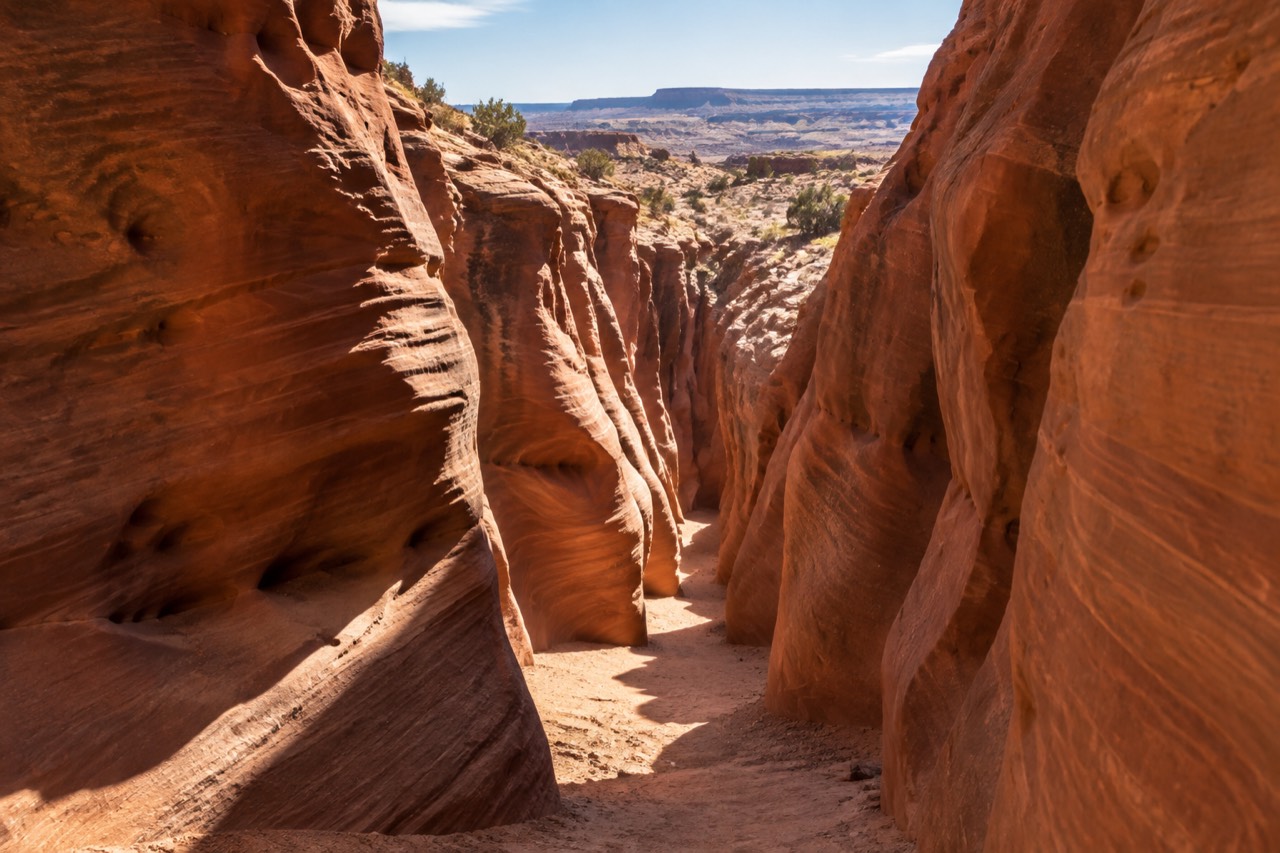
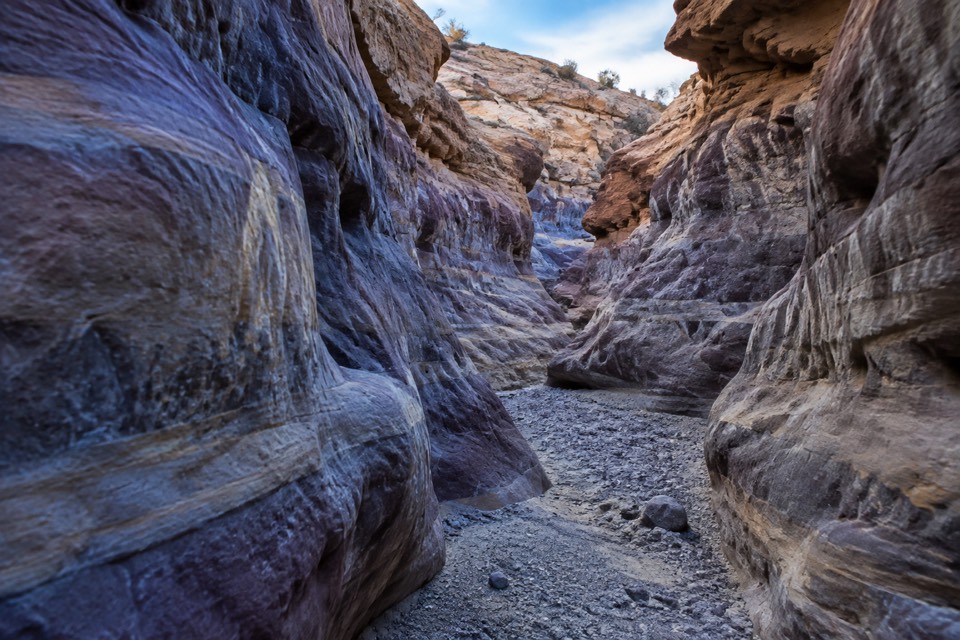
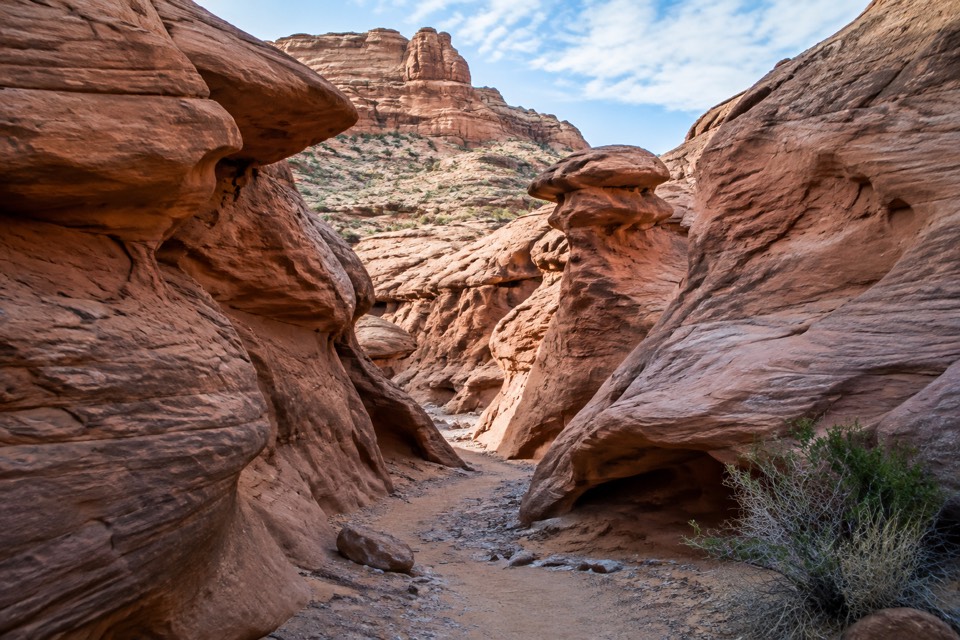
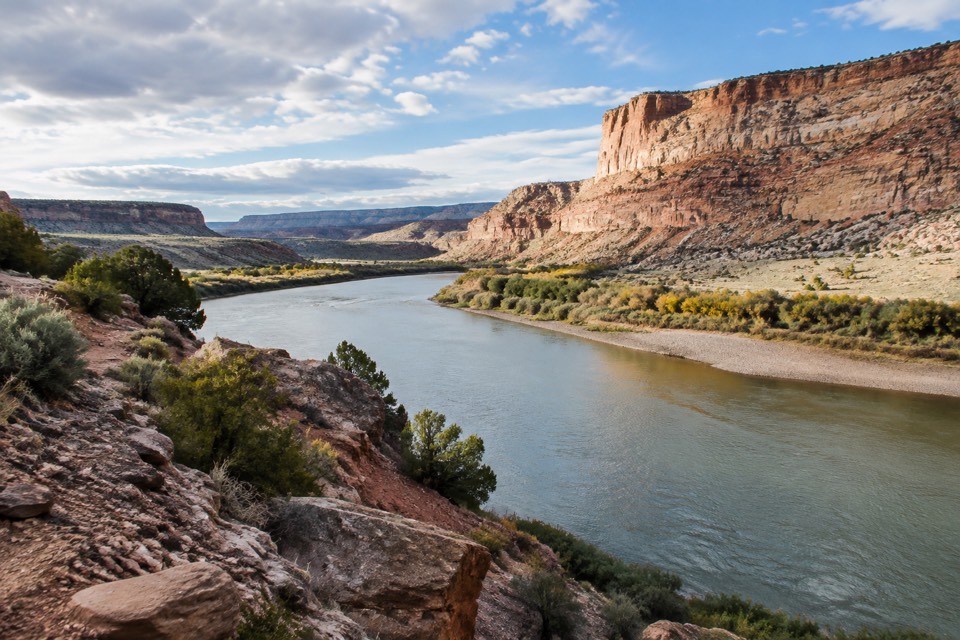
The entrapment and survival scenes were shot at the actual site of the 2003 incident, along with exteriors and some rappelling footage. Filming here lasted only about a week because the canyon is so remote that the crew needed helicopter supply drops. Today Bluejohn remains a public but demanding destination near Hanksville in Wayne County. Reaching the canyon floor requires technical canyoneering skills, permits, and thorough preparation. It is isolated, with no easy access, and should not be attempted casually.
The Short Answer
127 Hours was filmed mainly in Utah's Bluejohn Canyon near Hanksville, at the actual site of Aron Ralston's 2003 entrapment. Most interior canyon scenes were shot on a replica set built in a Salt Lake City warehouse. The pool sequence was filmed at Homestead Crater in Midway, with additional scenes around Green River, Antelope Island, and other Utah locations.
Danny Boyle's 2010 survival film tells the true story of Aron Ralston, the canyoneer who amputated his own arm after being trapped by a falling boulder in a Utah slot canyon in 2003. The production chose unusual realism: it filmed at the actual canyon for about a week, then rebuilt that canyon, nearly piece for piece, inside an abandoned warehouse.
The result is a film geography concentrated almost entirely within one state. Travelers can visit several of these sites today, though the central location demands serious technical skill and preparation, and one key site remains private property with no public access.
Every Location At A Glance
| Location | Where | What was filmed | Access |
|---|---|---|---|
| Bluejohn Canyon | near Hanksville | Entrapment and survival scenes at the actual site of the 2003 incident; exteriors and some rappelling | Free to see |
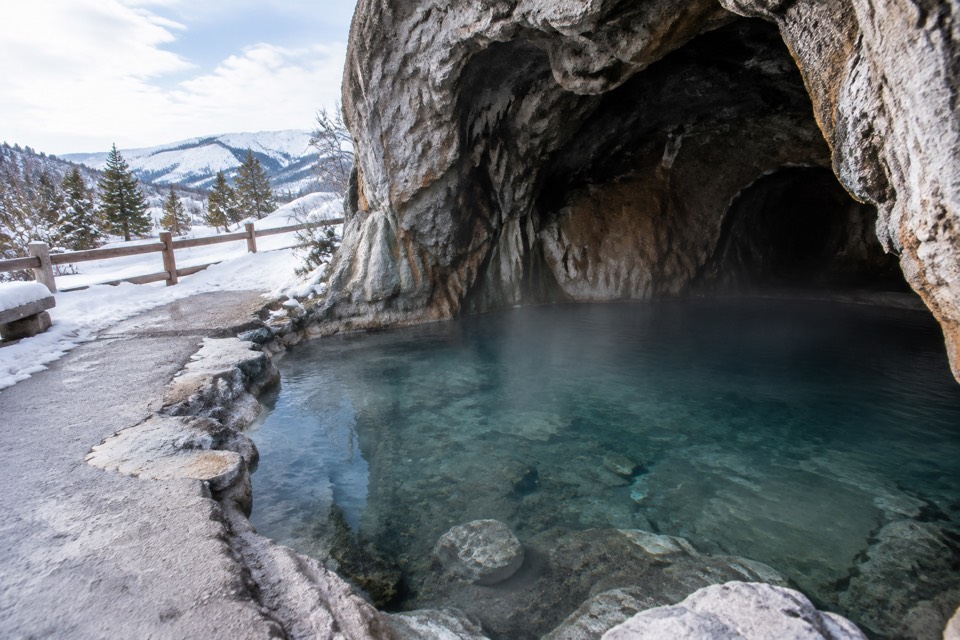
| Homestead Crater | Midway | Pool-dipping scenes with Kristi and Megan at the geothermal spring inside the limestone dome | Ticketed |
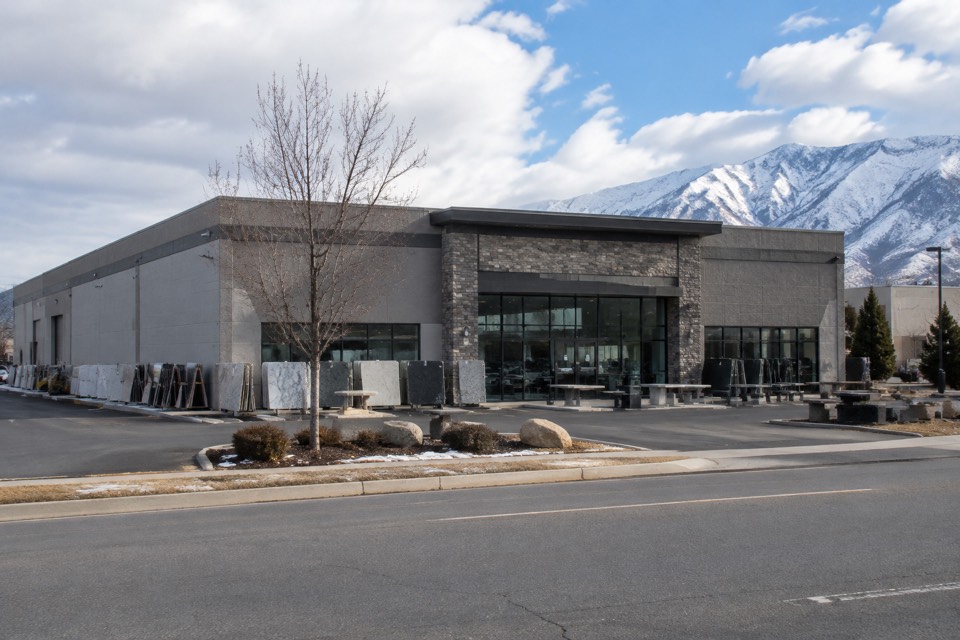
| Granite Furniture Warehouse | Salt Lake City | Replica canyon floor and vertical shaft set for most entrapment, surgery, and interior scenes | Private property |
| Leprechaun Canyon | near Hanksville | Rappelling and additional canyon sequences | Free to see |
| Green River area | Green River | Various desert and approach scenes | Free to see |
| Antelope Island | Syracuse | Additional outdoor sequences | Ticketed |
| Tibble Fork Reservoir | American Fork Canyon | Water and outdoor scenes | Free to see |
| Emigration Canyon | Salt Lake City | Additional hiking and transition scenes | Free to see |
Filming Locations Map
8 locations. The map loads when it scrolls into view.
Map data © OpenStreetMap contributors
Location By Location
The famous pool dipping scene with the two hikers, Kristi and Megan, was filmed inside this geothermal spring beneath a limestone dome in Midway, roughly 300 miles north of the real canyon. Unlike Bluejohn, it is easy to visit. The crater is part of Homestead Resort and is open year round for swimming, snorkeling, and scuba diving. Reservations and fees apply, so book ahead. It is the most accessible filming location from the film by a wide margin.
Most of the entrapment, surgery, and interior scenes were filmed not in the canyon but on a replica set built inside this former furniture warehouse in Salt Lake City's Sugar House district. Production designer Anne Suttirat Larlarb spent two months surveying Bluejohn Canyon to build a 98% accurate recreation, including a 33-foot vertical shaft. There is nothing for travelers to see today. The building at 1050 E 2100 S is private property with no public access.
Rappelling and additional canyon sequences were shot in this slot canyon near Hanksville, close to Bluejohn. It served as a practical stand-in for some of the film's more technical rope work. Like its neighbor, Leprechaun Canyon is public land but remote and technically demanding. Anyone considering a visit needs genuine canyoneering expertise, proper gear, and solid preparation. Casual hikers should treat both Hanksville area canyons as places to appreciate from a distance.
Various desert and approach scenes were filmed on public lands around the town of Green River in Emery County. The landscape here matches the wide, empty terrain that opens the film and frames Ralston's journey into the canyon country. For visitors, this is one of the easier areas to explore, reachable by road with a vehicle. Conditions in the desert can change quickly, so check local road and weather information before heading out onto the surrounding public lands.
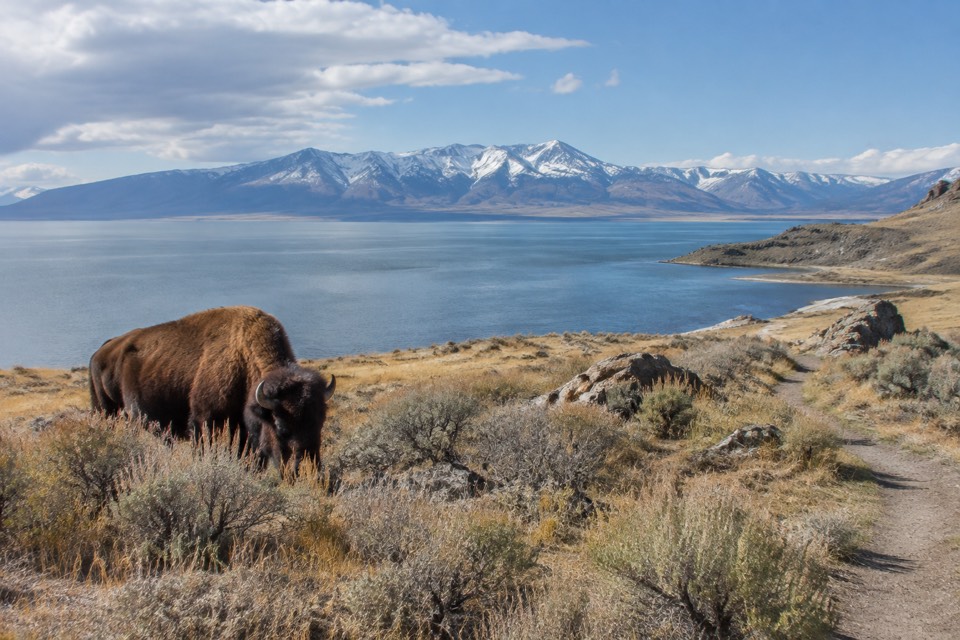
Additional outdoor sequences were shot on Antelope Island, a state park in the Great Salt Lake reached from Syracuse in Davis County. The island is a popular destination in its own right, known for bison herds and sweeping lake views, and it doubles as a filming location for the movie. Access is ticketed, with entry fees at the gate. A visitor center and a network of trails make it a straightforward half-day or full-day stop for travelers based in Salt Lake City.
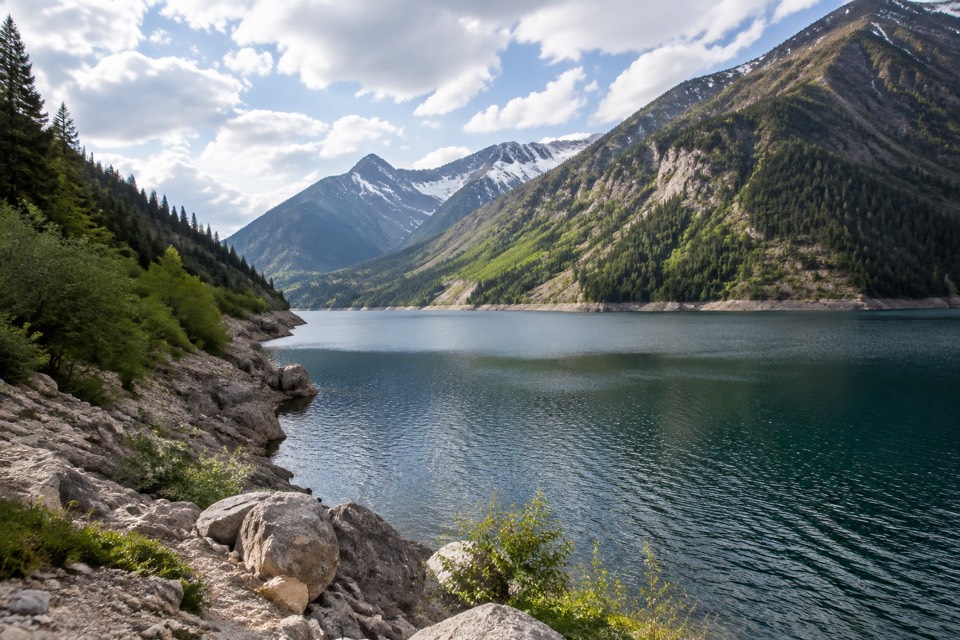
Water and outdoor scenes for the film were shot at Tibble Fork Reservoir in American Fork Canyon, within the Uinta-Wasatch-Cache National Forest. The reservoir sits in the mountains above the Salt Lake Valley and is a favorite spot for picnics, fishing, and paddling. Access follows standard national forest rules, and the drive up the canyon is paved and scenic. It makes an easy add-on for visitors combining film locations with Utah's more conventional outdoor attractions.
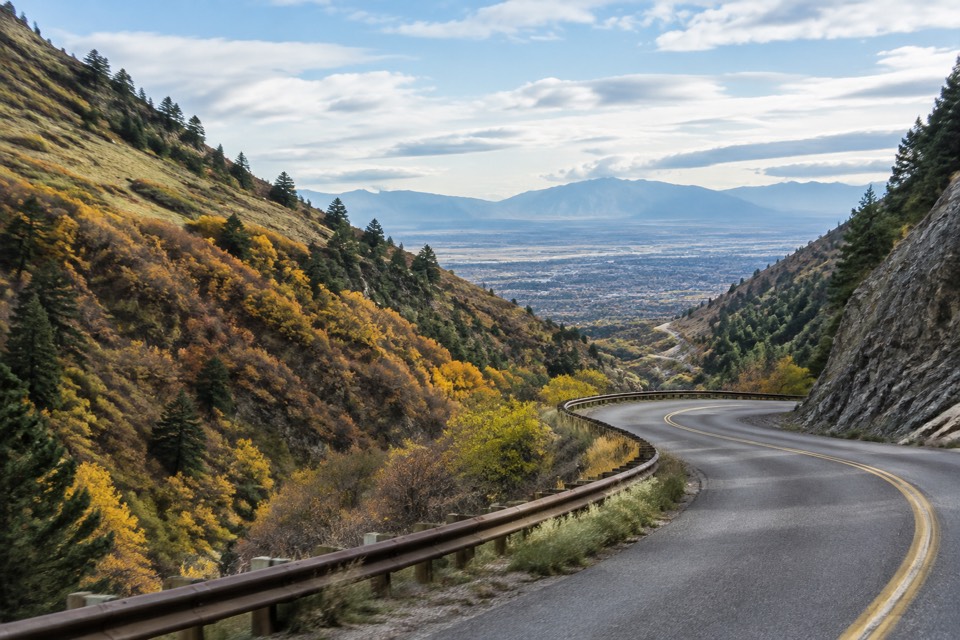
Additional hiking and transition scenes were filmed in Emigration Canyon, which rises directly east of Salt Lake City. This is the most convenient filming location for anyone staying downtown, reachable by a public road with trailheads along the way. Cyclists and runners use the canyon regularly, and it offers a quick taste of the film's high desert terrain without any technical skills or permits. It pairs naturally with a visit to the nearby Sugar House district warehouse site.
Where It Is Set Versus Where It Was Filmed
The story is set in Bluejohn Canyon in southern Utah, where Aron Ralston's real ordeal took place in 2003, and the film did shoot there for about a week. However, most of the canyon entrapment footage was captured on a replica set in a Salt Lake City warehouse, because filming the full sequence in the real remote canyon was impractical and dangerous. The pool scene shifts the action to Homestead Crater in Midway, about 300 miles north, with further scenes around Green River, Antelope Island, and Emigration Canyon.
Tours That Visit These Locations
Travelers who want to experience the canyon country of the film without independent canyoneering gear and training can book a guided adventure instead. Two operators run small-group canyoneering trips into the Canyonlands region that echo the terrain seen in the film.
Small-Group Canyoneering Adventure, Canyonlands
Canyonlands: 127 Hours Canyoneering Adventure
At $339.89, this Canyonlands canyoneering adventure includes guided rappelling through the kind of slot terrain the film made famous, with a perfect 5 rating from past participants.
Guided Canyon Adventure, Full Day
127 Hours Canyon Adventure Tour
This $369 guided adventure covers the canyon experience with all technical handling done by the guide, rated 5 out of 5 by the two travelers who have reviewed it.
Frequently Asked Questions
Can You Visit The Canyon Where Aron Ralston Was Trapped?
Yes. Bluejohn Canyon is public land near Hanksville, but it is a remote technical slot canyon requiring canyoneering skills, permits, and serious preparation. It is dangerous and isolated, with no easy access, so most visitors should go with a guided tour or choose an easier site like Homestead Crater instead.
Why Was Most Of The Canyon Filmed In A Warehouse?
Filming the full entrapment sequence in the real canyon was impractical and dangerous. The production built a 98% accurate replica, including a 33-foot vertical shaft, in an abandoned Granite Furniture warehouse in Salt Lake City, after production designer Anne Suttirat Larlarb spent two months surveying the real canyon.
Where Was The Pool Scene Filmed?
The pool dipping scene with Kristi and Megan was filmed at Homestead Crater in Midway, Utah, a geothermal spring inside a limestone dome. It is roughly 300 miles north of Bluejohn Canyon and is open year round for swimming, snorkeling, and scuba with reservations and fees.
How Long Did Filming At Bluejohn Canyon Take?
Only about a week. The canyon's extreme remoteness meant the crew required helicopter supply drops, which made an extended shoot unworkable. The remaining canyon footage came from the warehouse replica in Salt Lake City and from Leprechaun Canyon nearby.
Did Utah Subsidize The Production?
Yes. Utah offered a 20% tax credit incentive that helped attract the production, which spent $14 million in the state and created 150 jobs.
Which Filming Locations Are Easiest To Visit?
Homestead Crater, Antelope Island, Tibble Fork Reservoir, Emigration Canyon, and the Green River area are all reachable by road and require no technical skills. The Hanksville canyons demand canyoneering expertise, and the Salt Lake City warehouse set is private property with no public access.
For most travelers, 127 Hours works best as a Utah road trip with a few strategic stops: swim at Homestead Crater, explore Antelope Island, and let a professional guide handle the slot canyon rappelling. Bluejohn Canyon itself rewards only the well prepared, and the warehouse that stood in for it can be glimpsed only from the street in Sugar House.