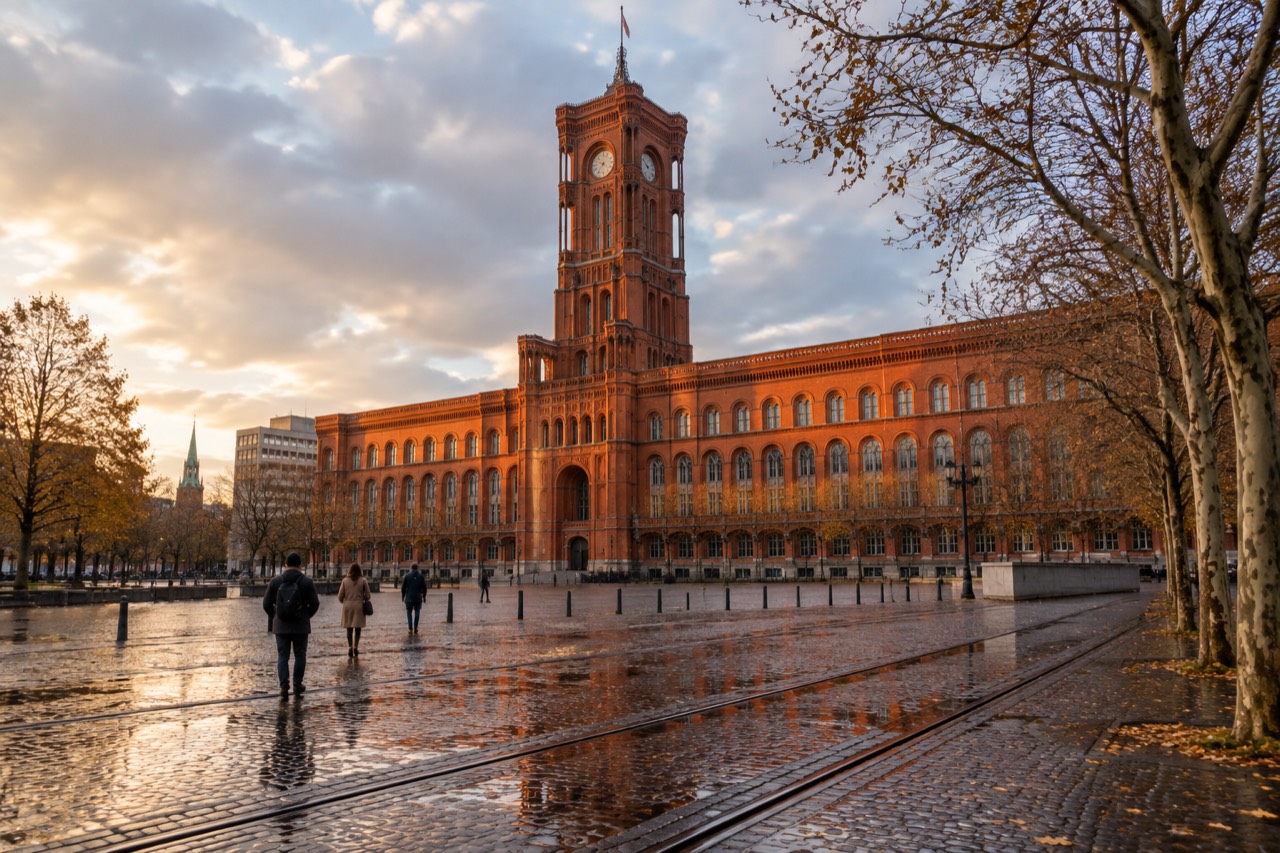
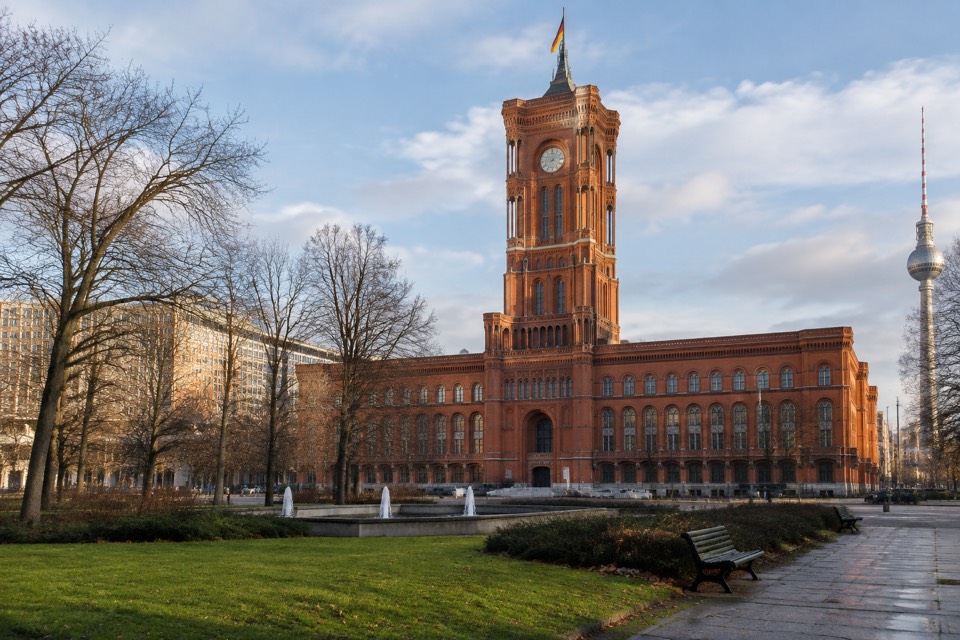
The Red Town Hall stood in for the Polizeipräsidium, the so-called Rote Burg, with both exterior and some interior scenes filmed here. It is a working public building in Mitte, near Alexanderplatz, and the exterior is freely accessible at any time. Visitors should check ahead for events, since parts of the building may be closed on official occasions. It is one of the easiest recognisable stops for fans of the series.
The Short Answer
Babylon Berlin was mainly filmed in Berlin, Germany, and at the Studio Babelsberg backlot in Potsdam. Additional scenes were shot in Brandenburg and North Rhine-Westphalia, including railway sequences around Essen. Over 300 locations were used across the three regions, mixing real Berlin buildings with purpose-built period sets.
Babylon Berlin may be set in the 1920s, but almost all of it was shot in the present-day city it depicts. The production used genuine Berlin locations such as the Rotes Rathaus and the historic Delphi cinema in Weißensee, alongside purpose-built sets at Studio Babelsberg in Potsdam, where an entire period street, the Neue Berliner Straße, was constructed for the series.
For visitors, that means many filming sites are easy to reach. Some are public buildings you can walk past freely, others are ticketed venues, and the Babelsberg backlot sits inside a theme park that runs its own studio tours. Here is where the series was filmed and what you can see today.
Every Location At A Glance
| Location | Where | What was filmed | Access |
|---|---|---|---|
| Rotes Rathaus | Berlin | Exterior and some interior scenes as the Polizeipräsidium 'Rote Burg' | Free to see |
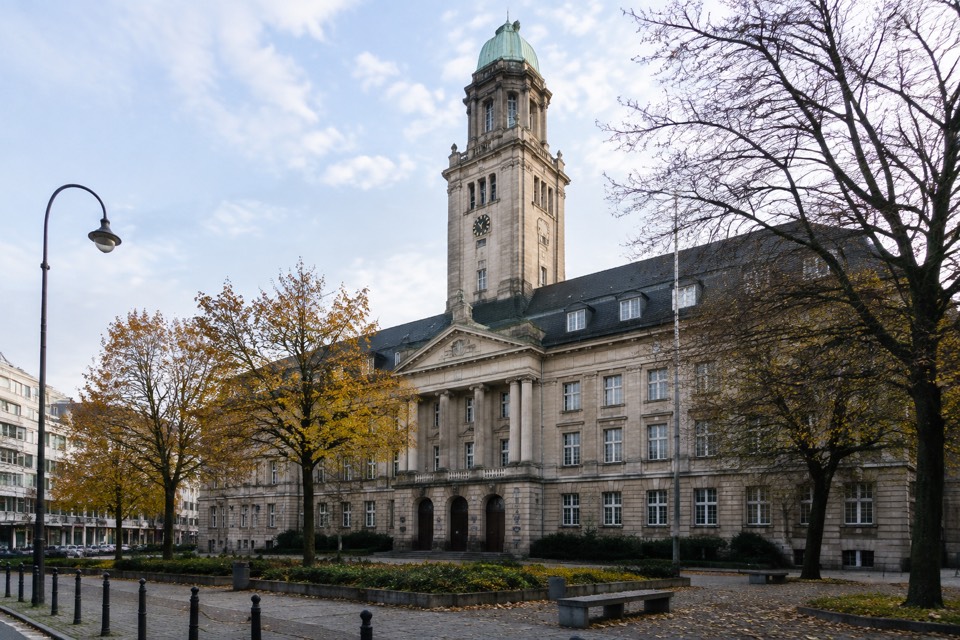
| Rathaus Schöneberg | Berlin | Interior scenes as police headquarters including Aschinger restaurant and paternoster lift | Free to see |
| Theater im Delphi | Berlin | Moka Efti club and dance scenes | Ticketed |
| Alexanderplatz | Berlin | Street scenes and police station exteriors | Free to see |
| Filmpark Babelsberg | Potsdam | Neue Berliner Straße backlot scenes including streets and facades | Ticketed |
| Theater am Schiffbauerdamm | Berlin | Theater and bar scenes including Der Holländer | Ticketed |
| Hermannplatz U-Bahn station | Berlin | Station and kiosk scenes | Free to see |
| Bar Tausend | Berlin | Queer bar scenes as Der Holländer | Ticketed |
Filming Locations Map
8 locations. The map loads when it scrolls into view.
Map data © OpenStreetMap contributors
Location By Location
This town hall in Schöneberg provided interior scenes for police headquarters, including the Aschinger restaurant and the paternoster lift, thanks to its well preserved historic interior. Parts of the building are open to the public, although the Ratskeller may have limited hours, so checking before a visit is wise. The paternoster and canteen atmosphere made it a convincing stand-in for a 1920s police canteen.
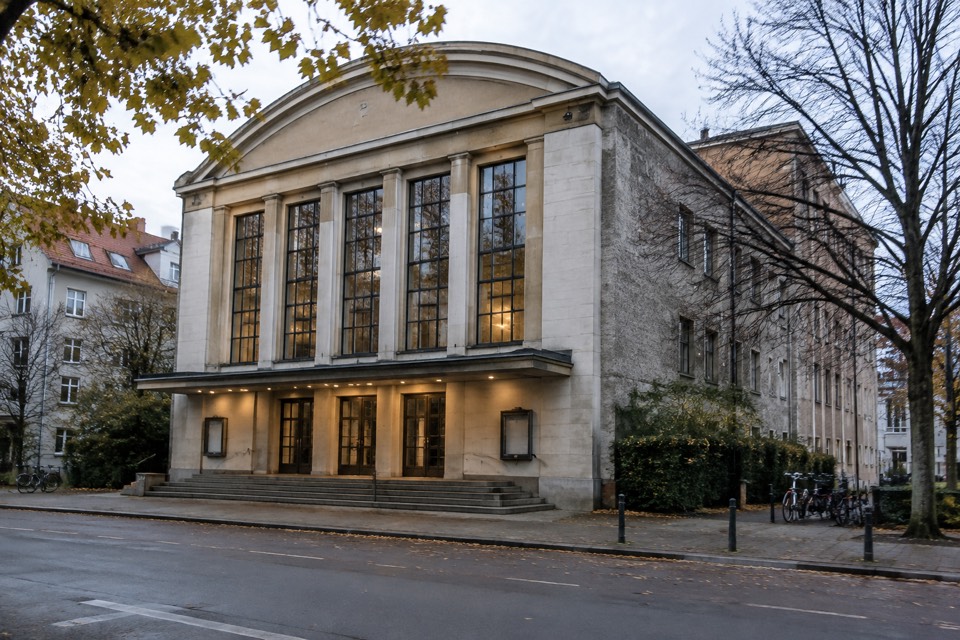
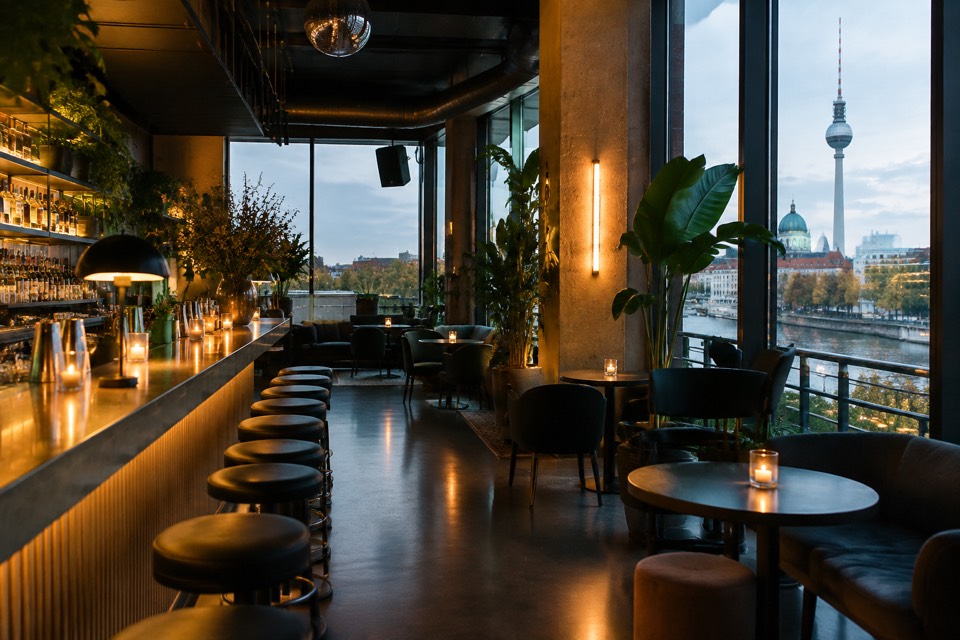
The Moka Efti club, arguably the most famous setting in the show, was filmed at this historic former cinema in Weißensee, which opened in 1929 like the original club. The dance and cabaret scenes were shot inside its atmospheric hall. Today it operates as an events venue, so access is ticketed. Check the schedule for tours or shows, since attending a performance here is the most reliable way to see inside.
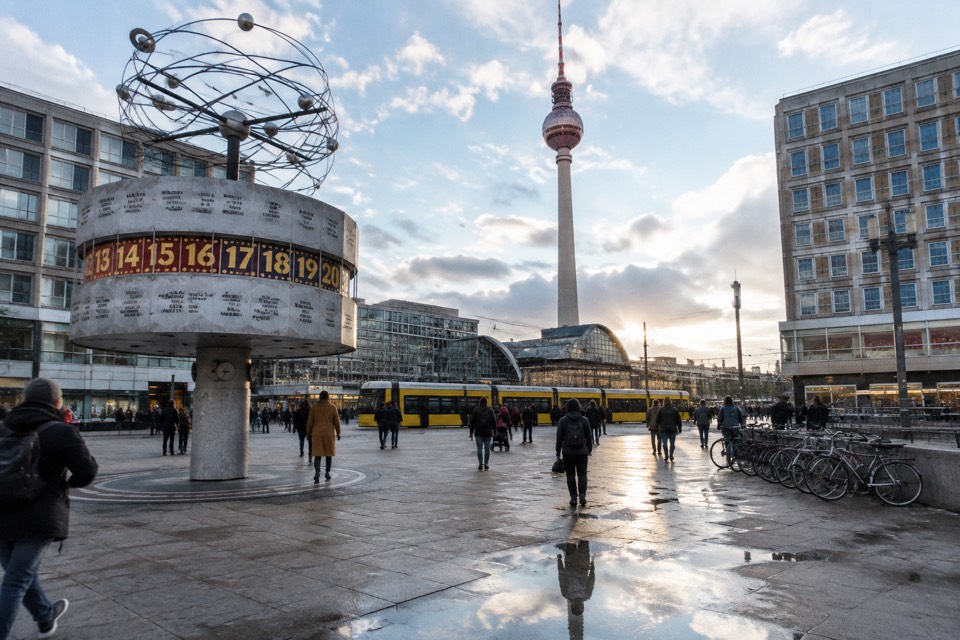
Alexanderplatz stood in for surrounding street scenes and police station exteriors, placing viewers in the busy heart of Weimar-era Berlin. It remains one of the city's most important public squares, dominated by the TV tower and transport links. Access is free and it is busy at most hours, so off-peak visits are recommended for photographs. It sits close to the Rotes Rathaus, making an easy pairing.
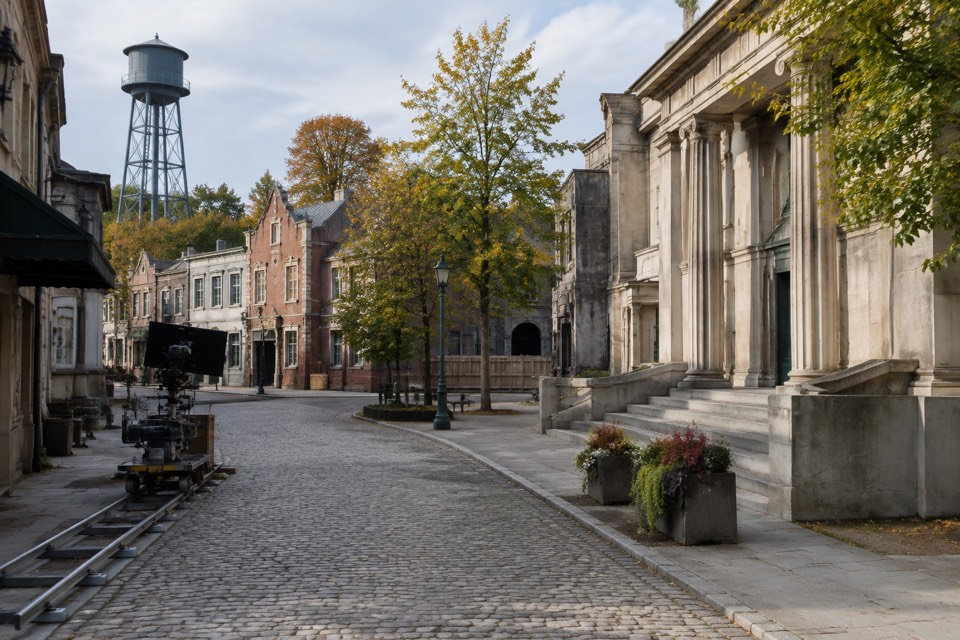
The theme park at Studio Babelsberg in Potsdam contains the Neue Berliner Straße backlot, built specifically for the series at a cost of around 16 million euros, where street and facade scenes were filmed. Entry is ticketed and the park offers studio tours, though opening hours vary by season so check before travelling. It is the single best place to see purpose-built sets from the show up close.
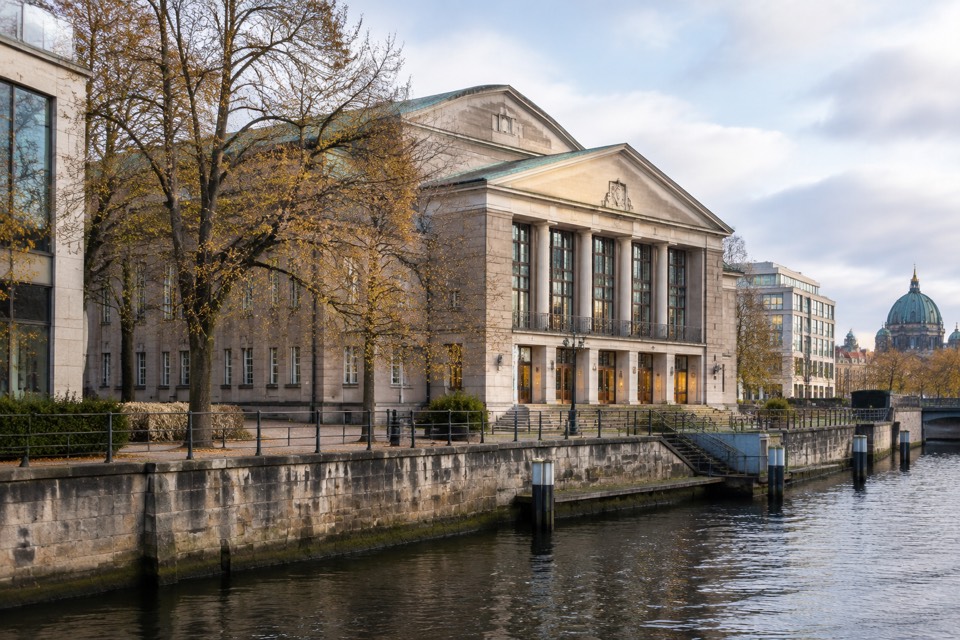
This working theater in Mitte hosted theater and bar scenes, including Der Holländer. It is a ticketed venue rather than a sightseeing stop, and the best way to experience it is simply to attend a performance in the same auditorium used by the production. Home of the Berliner Ensemble, it sits right on the Spree near Friedrichstrasse, so it can be combined easily with other central filming locations.
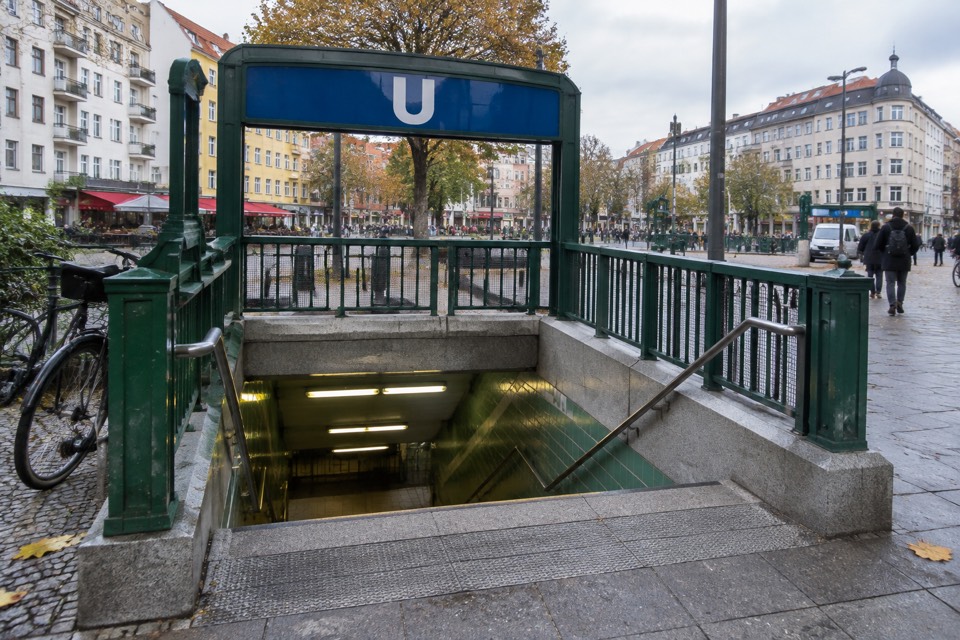
Hermannplatz in Neukölln appeared in station and kiosk scenes. It is an ordinary public transit station, open during normal operating hours and free to visit with a valid ticket, making it one of the most casual stops on any locations itinerary. The surrounding area, with the Karstadt building and busy street life, retains some of the energy the production was after. Use it during normal transit hours.
The queer bar scenes set in Der Holländer were filmed at Bar Tausend, a nightclub in Mitte near the Spree. It is a ticketed, night-time venue rather than a daytime stop, so check events and entry policies before going. Its intimate, low-lit interior suited the show's bar sequences well. Anyone hoping to visit should plan around its opening nights rather than dropping by during the day.
Where It Is Set Versus Where It Was Filmed
The series is set in 1920s Weimar Berlin, and it was filmed primarily in contemporary Berlin and Potsdam's Babelsberg Studio, supported by period sets and additional locations in Brandenburg and North Rhine-Westphalia. Over 300 locations were used in total. Rather than relying entirely on sets, the production matched surviving pre-war architecture across the region to recreate the era on screen.
The Studio Side
Studio Babelsberg in Potsdam served as the series' production base. The Neue Berliner Straße backlot was built specifically for the show at a cost of around 16 million euros, providing period streets and facades. The studio complex is visitable through Filmpark Babelsberg, a theme park with studio tours, making it possible to walk the same backlot streets seen on screen. Check opening hours before visiting, as they vary.
Tours That Visit These Locations
Most of the Berlin locations above can be visited independently, since many are public buildings or squares clustered in Mitte. A guided tour adds context, linking the filming sites to the real Weimar history behind them.
Guided Walking Tour, Berlin
Babylon Berlin Walking Tour - 2026 (Verified Reviews)
At 38 USD, this walking tour pairs the show's central Berlin filming locations with the history of the era they depict, a practical option for visitors who want the sites connected by a local guide rather than explored alone.
Frequently Asked Questions
Where was Babylon Berlin filmed?
Mainly in Berlin, Germany, and at the Studio Babelsberg backlot in Potsdam, with additional scenes shot in Brandenburg and North Rhine-Westphalia. Over 300 locations were used across the three regions.
Can you visit the Babylon Berlin studio sets?
Yes. The Neue Berliner Straße backlot at Studio Babelsberg, built for the series at a cost of around 16 million euros, sits inside Filmpark Babelsberg, a theme park with studio tours. Entry is ticketed and opening hours vary.
Is the Moka Efti club a real place?
The club scenes were filmed at the Theater im Delphi in Weißensee, a former cinema that opened in 1929 like the original Moka Efti. It is now an events venue, so check its schedule for shows or tours.
Which locations were filmed outside Berlin?
Railway scenes in season 1 were filmed at Baldeneysee and the Hespertalbahn in Essen, North Rhine-Westphalia. The main studio work took place at Babelsberg in Potsdam, and further scenes were shot in Brandenburg.
Are the Berlin filming locations free to visit?
Several are, including the Rotes Rathaus exterior, Alexanderplatz and Hermannplatz station. Others are ticketed venues, such as the Theater im Delphi, Theater am Schiffbauerdamm, Bar Tausend and Filmpark Babelsberg.
How many filming locations did the series use?
Over 300 locations were used across Berlin, Brandenburg and North Rhine-Westphalia during production.
Babylon Berlin offers an unusually visitable filming trail, since so much of it was shot in the real city. Public squares and stations sit alongside ticketed venues, and the Babelsberg backlot adds purpose-built sets to the mix. A couple of days in Berlin plus a trip to Potsdam covers the highlights.