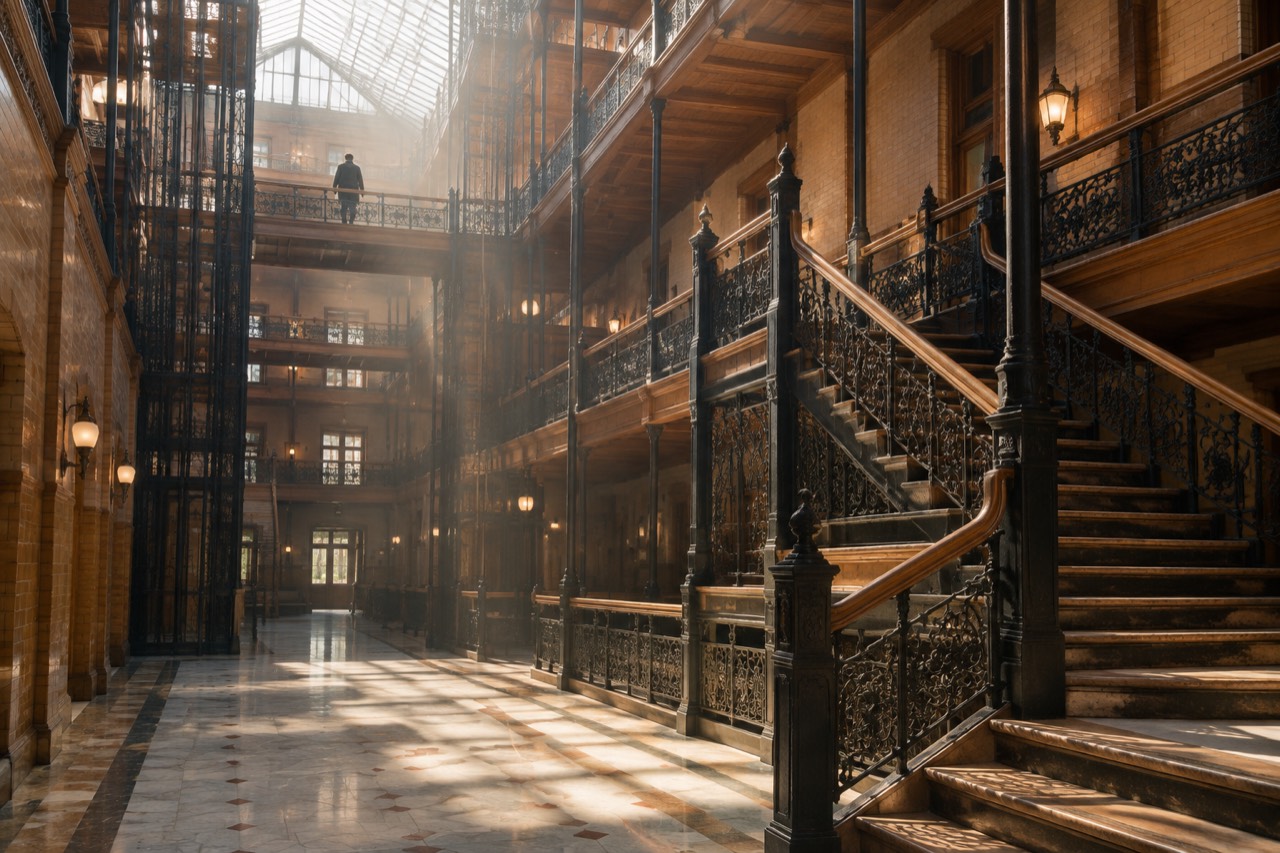
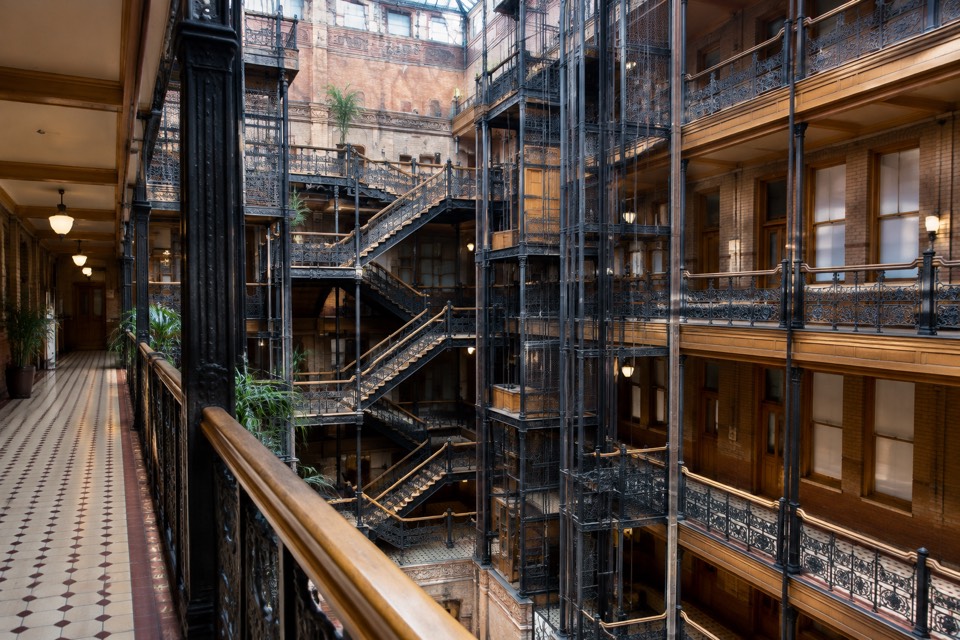
The Bradbury Building's ornate ironwork atrium served as J.F. Sebastian's home, covering the interior atrium and the final showdown scenes. It was a key practical location that required minimal set dressing, since the building's own character did most of the work. Today it is a historic landmark with limited public access to the atrium. Tours are available via the Los Angeles Conservancy or special events, and the exterior can be viewed from the street at any time.
The Short Answer
Blade Runner was filmed mainly on location in downtown Los Angeles, California, using real landmarks such as the Bradbury Building, Union Station, and the 2nd Street Tunnel for exteriors and atmospheric scenes. Interiors and backlot work took place at Warner Bros. Studios in Burbank, with additional scenes shot at Shepperton Studios and in London, UK.
The 1982 film presents a decayed future Los Angeles of 2019, yet much of what appears on screen is genuinely Los Angeles. Ridley Scott's production shot in working streets, train stations, and historic buildings across downtown, then dressed studio backlots in Burbank into neon-soaked marketplaces for the rest.
That mix of real architecture and constructed sets is good news for visitors. Several key locations sit within walking distance of each other in downtown LA, and the studio backlot where the futuristic street scenes were built can be visited on an official tour.
Every Location At A Glance
| Location | Where | What was filmed | Access |
|---|---|---|---|
| Bradbury Building | Los Angeles, United States | J.F. Sebastian's home, including interior atrium and final showdown scenes | Ticketed |
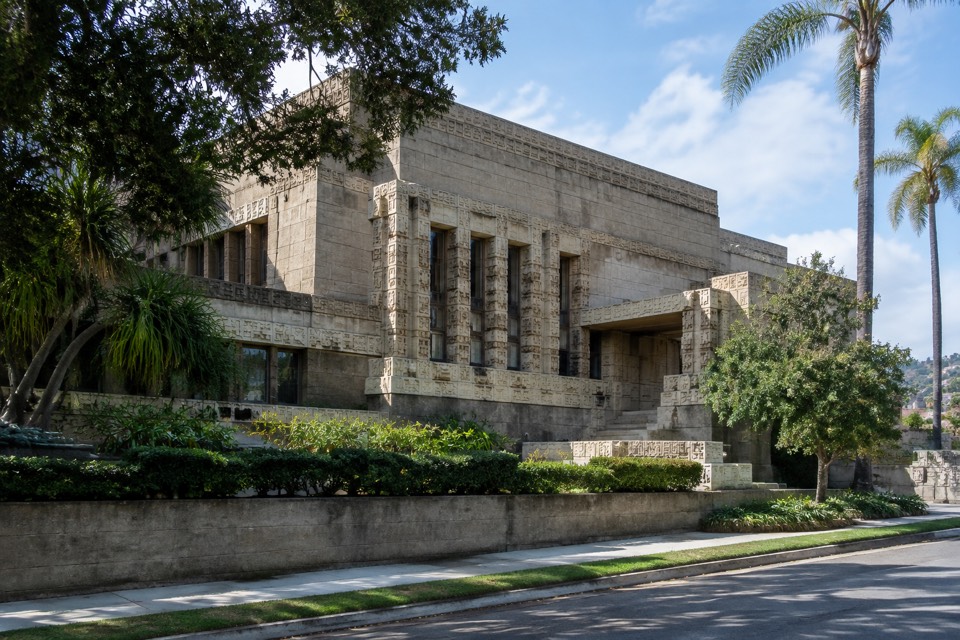
| Ennis House | Los Angeles, United States | Exterior of Rick Deckard's apartment (interiors built on studio set) | Private property |
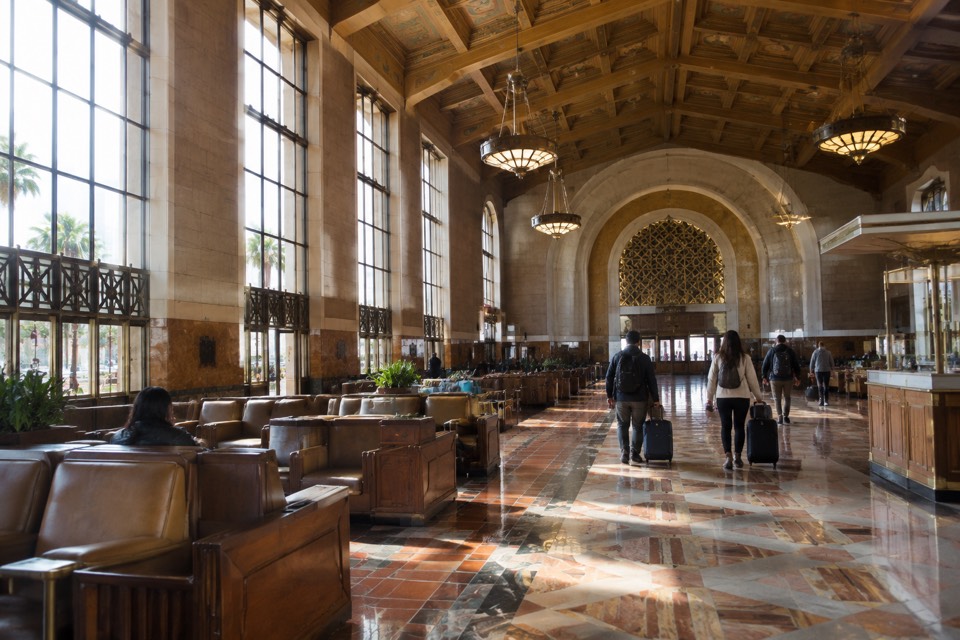
| Union Station | Los Angeles, United States | Police station where Deckard is told to return to duty | Free to see |
| 2nd Street Tunnel | Los Angeles, United States | Tunnel scene as Deckard drives home | Free to see |
| Million Dollar Theatre | Los Angeles, United States | Street scenes and theater marquee shots | Outside only |
| Pan American Building (Yukon Hotel) | Los Angeles, United States | Yukon Hotel interior and exterior | Outside only |
| Warner Bros. Backlot (New York Street) | Burbank, United States | Futuristic street scenes and early market sequences | Ticketed |
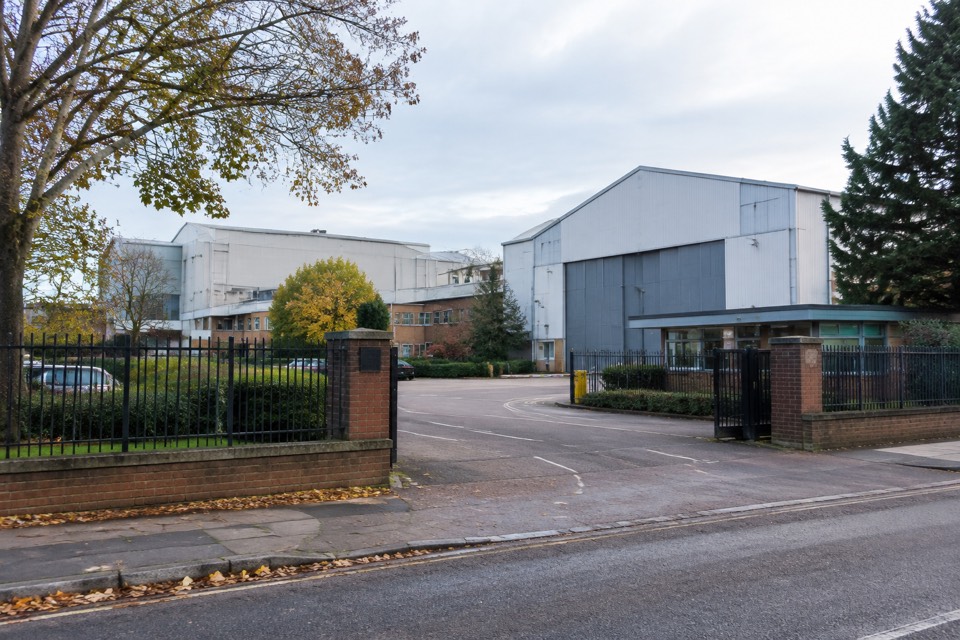
| Shepperton Studios | Shepperton, United Kingdom | Sound stage work and some model/post-production elements | Private property |
Filming Locations Map
8 locations. The map loads when it scrolls into view.
Map data © OpenStreetMap contributors
Location By Location
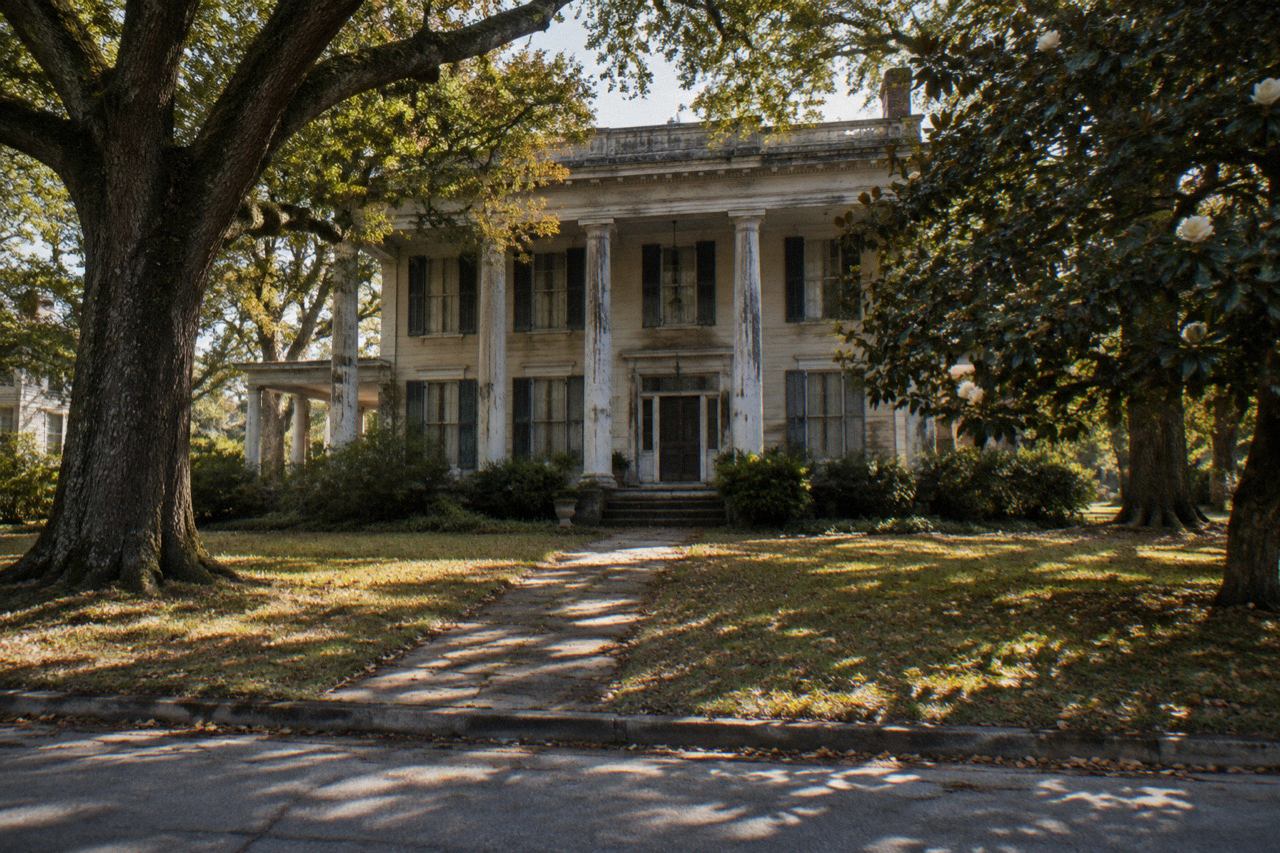
Ennis House provided the exterior of Rick Deckard's apartment, though only the outside was used. All interior apartment scenes were built on Warner Bros. soundstages modeled after the house's design. The building is a private residence today, so there is no interior access for visitors. The exterior remains visible from the street or from Glendower Avenue, which is enough to recognize the distinctive Mayan-inspired blockwork seen in the film.
Union Station stood in for the police station where Deckard is told to return to duty. The production dressed its vast concourse with temporary office sets and smoke to create the future police headquarters. It is an active train station today, open to the public, so anyone can walk through the historic concourse and recognize its soaring ceilings and waiting hall. Occasional tours also cover the building's history and architecture.
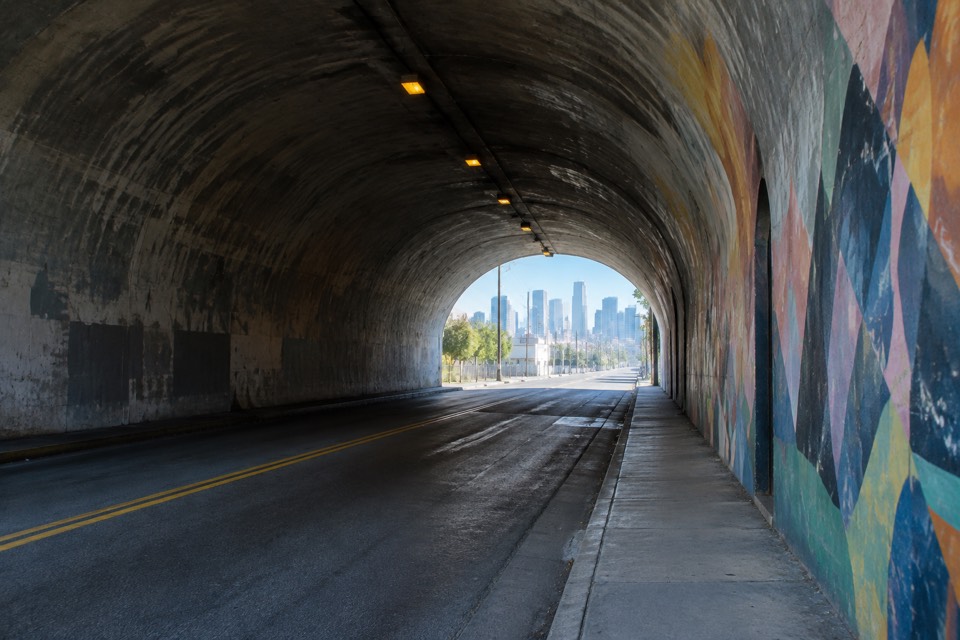
The 2nd Street Tunnel appears in the tunnel scene as Deckard drives home, its tiled walls and linear lights giving the sequence an otherworldly glow. It is a public roadway tunnel in downtown LA, still in regular use by traffic. Visitors can drive through it or walk alongside for views, making this one of the easiest Blade Runner locations to experience exactly as filmed. The tiled interior remains instantly recognizable from the movie.
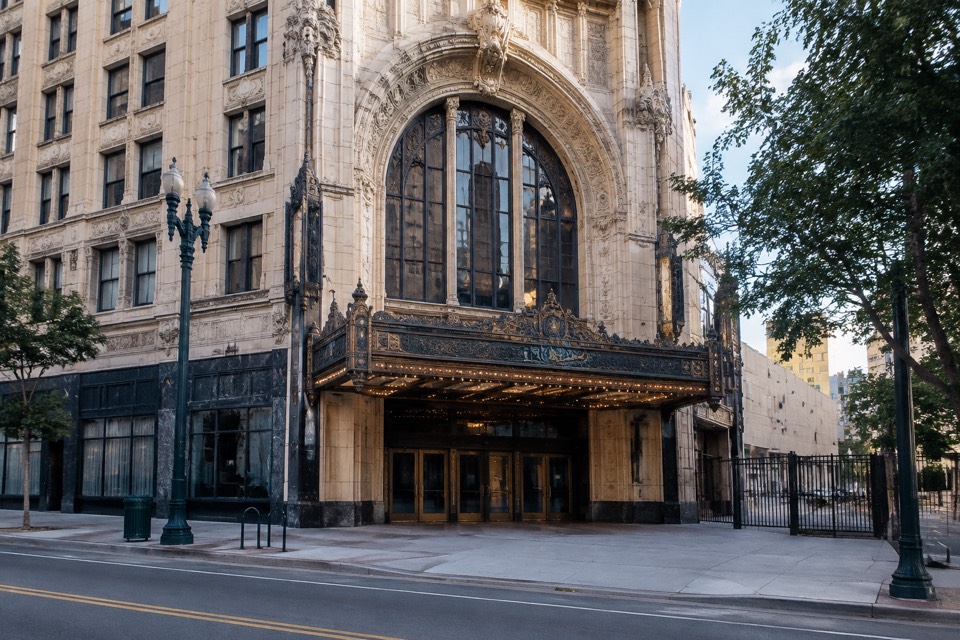
The Million Dollar Theatre contributed street scenes and theater marquee shots to the film's crowded downtown atmosphere. The historic theater exterior can be viewed from Broadway, where its elaborate terracotta facade still anchors the block. The interior is not generally open for Blade Runner fans, so plan on an exterior stop rather than a full visit. It pairs naturally with the Bradbury Building and other nearby locations on a walking route.
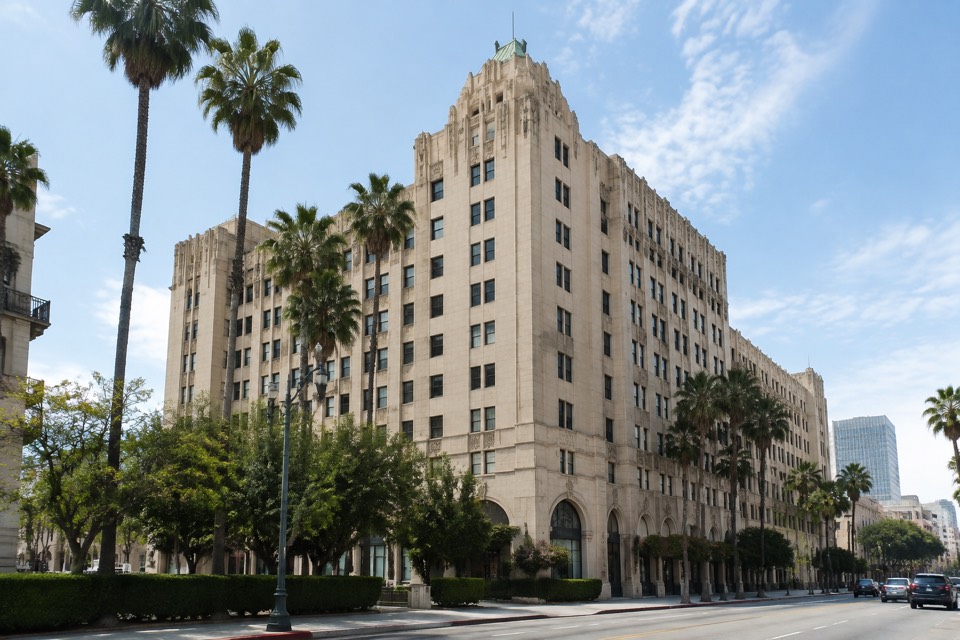
The Pan American Building appears as the Yukon Hotel in the film, used for both interior and exterior shots. It sits directly across from the Bradbury Building, so the two locations can be covered in a single stop. Today it functions as an apartment building, with street-level exterior views only and no access for tourists. The facade is close enough to Broadway's Blade Runner cluster to fit easily into a downtown walking itinerary.
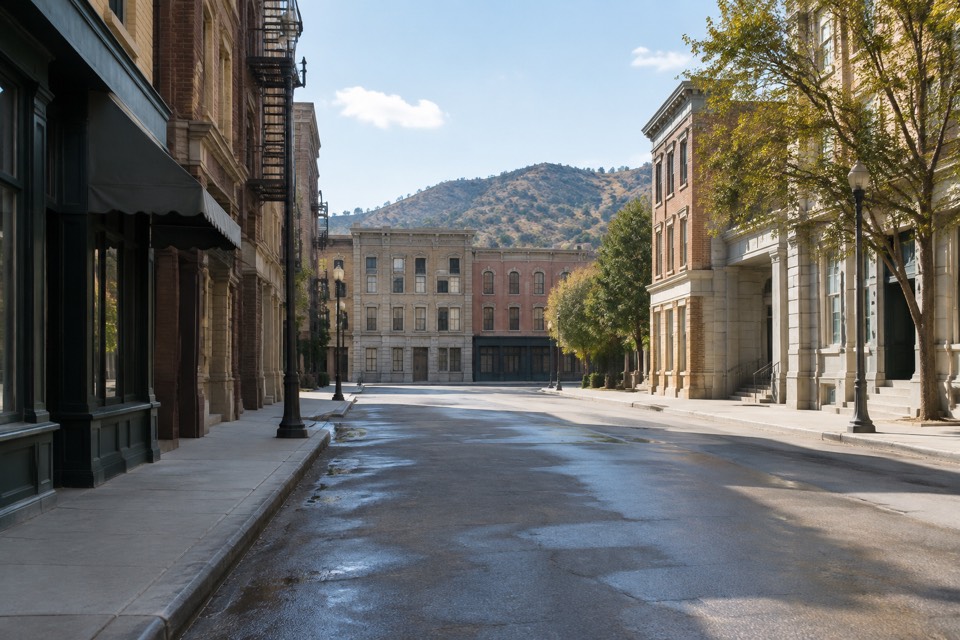
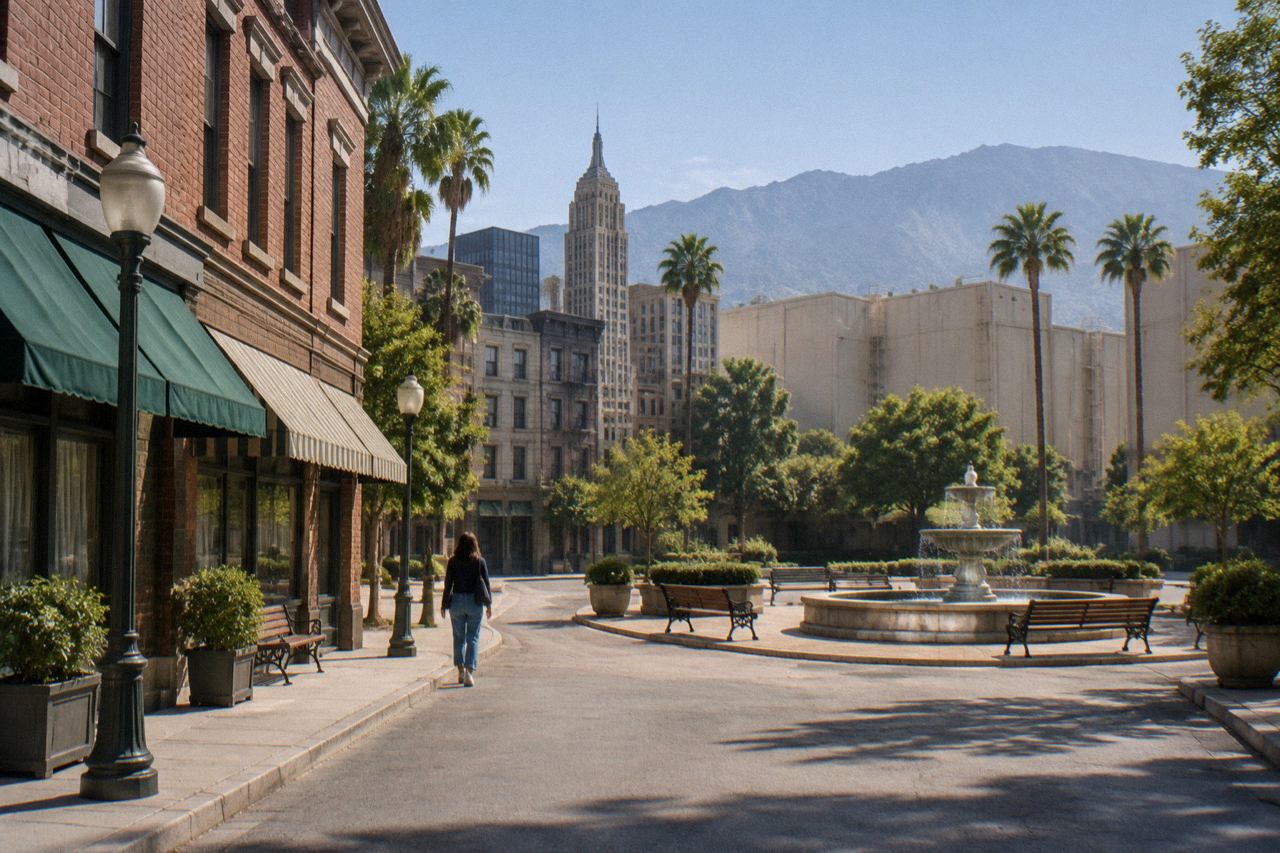
The Warner Bros. backlot area known as New York Street was transformed into futuristic street scenes and early market sequences. The production filmed mostly at night, adding pipes, junk, and rain effects to turn the standing set into a neon-lit future LA. The backlot is accessible through the ticketed studio tour, though sets have been heavily dressed and changed over time, so expect the space rather than the exact scenery.
Shepperton Studios in Surrey handled sound stage work and some model and post-production elements for the film. It is a working studio and not open to public visitors, so there is nothing to book or see here as a tourist. Some scenes, including Leon's bathroom, were filmed in London, England, tying the production to the UK as well as California. Blade Runner fans visiting Britain will have to admire this chapter from afar.
Where It Is Set Versus Where It Was Filmed
The story is set in a dystopian Los Angeles in November 2019, and the production largely honored that setting by filming in real downtown Los Angeles locations, which keeps the on-screen city grounded in actual streets and buildings. Principal studio work took place at Warner Bros. in Burbank, with minor UK studio work at Shepperton and some scenes shot in London.
The Studio Side
Warner Bros. Studios in Burbank carried the bulk of studio production, from Deckard's apartment interiors, built on soundstages modeled on Ennis House, to the night shoots on the New York Street backlot. Shepperton Studios in Surrey handled sound stage work plus model and post-production elements. Warner Bros. is visitable today through its official studio tour, which includes the backlot area used for the film, while Shepperton remains closed to the public.
Tours That Visit These Locations
No dedicated Blade Runner tour exists among the bookable options here, but one experience covers meaningful ground: the Warner Bros. studio tours include the New York Street backlot, where the production built its futuristic market scenes.
Studio Tour With Backlot Stop
Los Angeles: Warner Bros. Studio Tour Hollywood
This Los Angeles studio tour passes through New York Street, the backlot Ridley Scott dressed with pipes, junk, and rain to create the film's future markets, alongside sets from many other productions. Rated 4.6 from 8,721 reviews.
Warner Bros. Studio Tour Option
Warner Bros. Studio Tour Hollywood
An alternative booking of the same Warner Bros. Studio Tour Hollywood, covering the New York Street backlot used for Blade Runner's street scenes among its regular stops. Rated 4.6 from 5,668 reviews.
Frequently Asked Questions
Was Blade Runner actually filmed in Los Angeles?
Yes. Most of the film was shot on location in downtown Los Angeles, including the Bradbury Building, Union Station, and the 2nd Street Tunnel, with studio work at Warner Bros. in Burbank.
Can you visit the Bradbury Building?
Partly. The exterior is viewable from the street anytime, and the interior atrium has limited public access. Tours run via the Los Angeles Conservancy or special events.
Is Deckard's apartment a real building you can see?
Yes. Ennis House in Los Angeles provided the exterior of Deckard's apartment. It is a private residence, but the outside can be viewed from the street or Glendower Avenue. The interiors were studio-built.
Is Shepperton Studios open to visitors?
No. Shepperton Studios in Surrey, which handled sound stage work and post-production elements, is a working studio with no public access.
Where was the final showdown filmed?
The final showdown, along with the scenes set in J.F. Sebastian's home, was filmed inside the Bradbury Building's atrium in downtown Los Angeles.
Do any tours cover Blade Runner locations?
There is no dedicated Blade Runner tour listed here. The Warner Bros. Studio Tour Hollywood includes the New York Street backlot used for the futuristic street scenes, and downtown locations can be explored independently on foot.
Blade Runner rewards a self-guided approach in downtown Los Angeles, where the Bradbury Building, Million Dollar Theatre, Pan American Building, 2nd Street Tunnel, and Union Station cluster within easy walking or short driving distance. Pair that with the Warner Bros. studio tour for the backlot where the neon future was built, and most of the film's geography can be covered in a single trip.