Where It Is Set Versus Where It Was Filmed
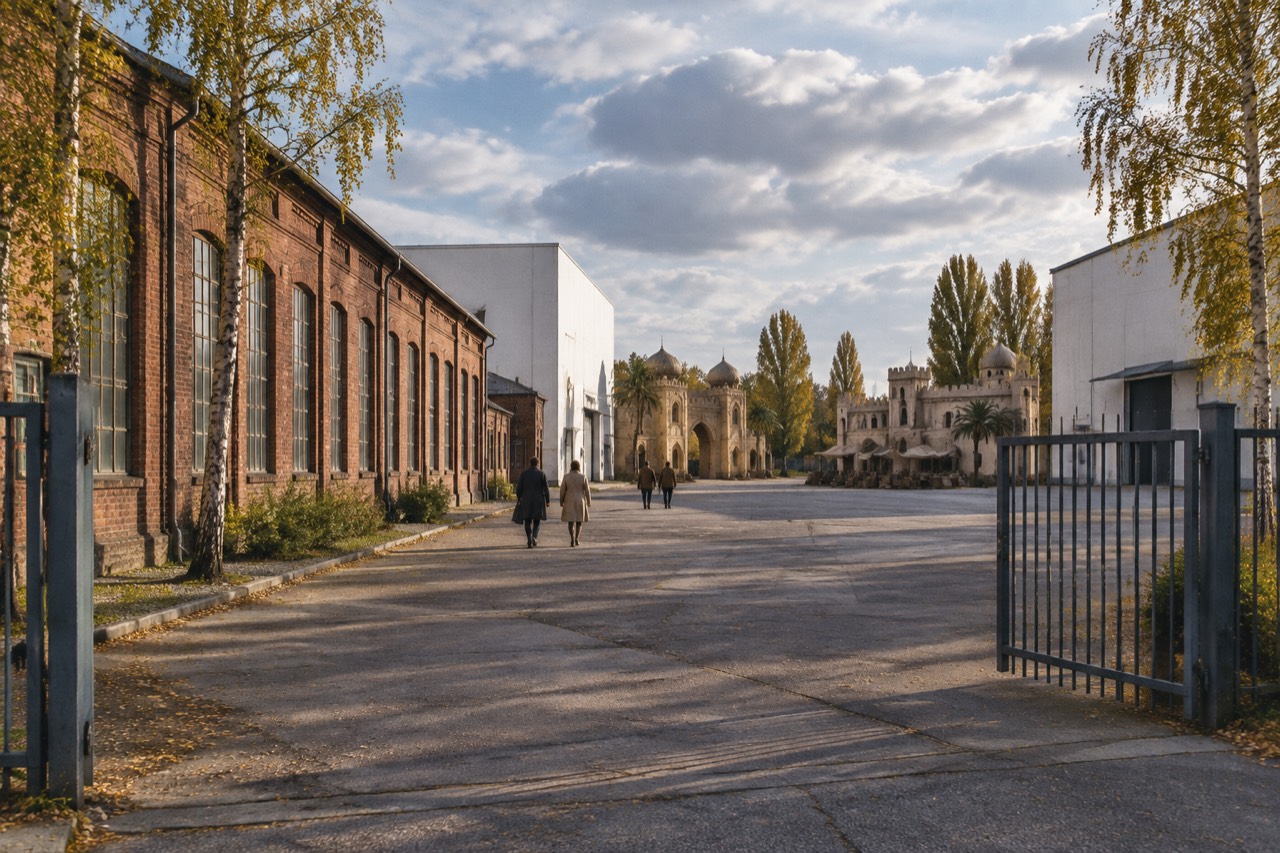
The story is set in a fictional Oriental city resembling Baghdad, yet nothing was filmed anywhere near the Middle East. Instead, the entire world of the film, its palace, bazaars, and deserts, was constructed within the Babelsberg studio grounds in Brandenburg, Germany. Production was not without incident: shooting of the fountain race scene was interrupted by Soviet tanks during the June 17, 1953 uprising.
The Studio Side
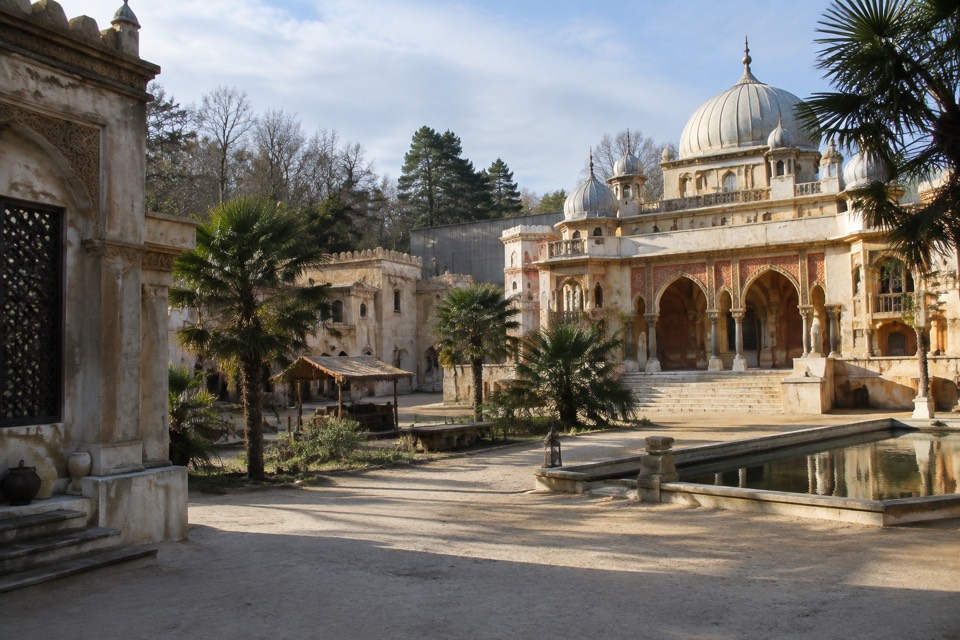
The DEFA-Studio für Spielfilme in Potsdam-Babelsberg hosted the full production. The studio lot, one of the oldest film studios in the world, has since been transformed into Filmpark Babelsberg, a theme park where visitors can walk the grounds and see surviving pieces of film history, including the Sultan's fountain basin from the 1953 production.
Tours That Visit These Locations
For travellers who want to stand where the film was made, one listed tour includes the Babelsberg studio as a stop on a broader film-history excursion through Potsdam and Babelsberg.
5-Hour Film-History Tour by VW Bus
Potsdam-Babelsberg: 5-Hour-Tour "Film-History" by VW-Bus
This 5-hour guided tour by VW bus explores Potsdam-Babelsberg's film history and includes the Babelsberg Film Studio, the very studio grounds where Der kleine Muck was shot in 1953. Rated 4.9 from 7 reviews, it costs USD 428.
★ 4.9 out of 5 · 7 reviews
Frequently Asked Questions
Can You Visit The Sets From Der Kleine Muck?
Partly. The studio grounds are now Filmpark Babelsberg, a ticketed theme park. The replica of the Sultan's palace fountain remains visible there as a photo spot, though most of the 1953 sets are gone.
Was Any Of Der Kleine Muck Filmed Abroad?
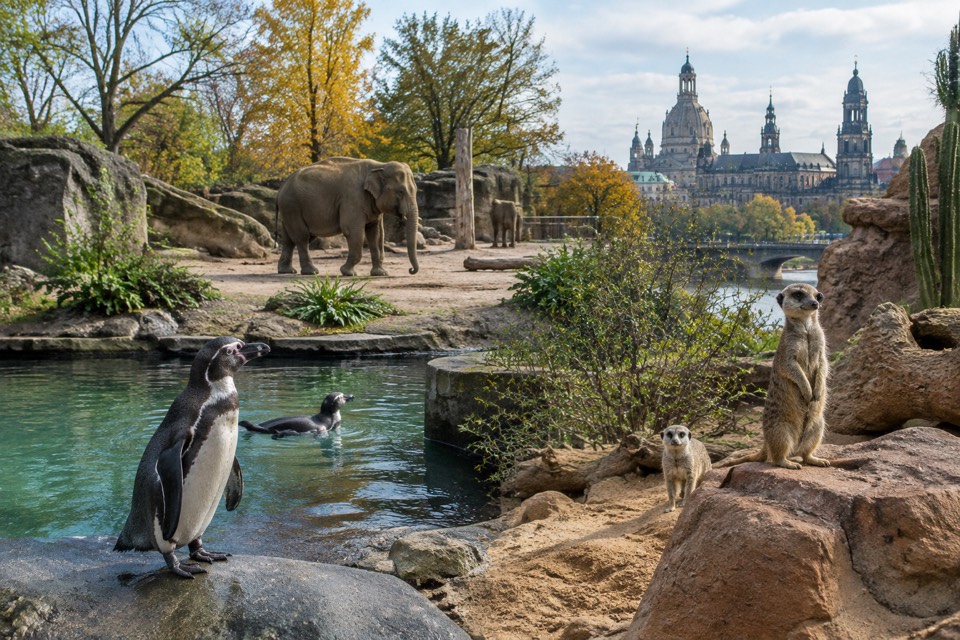
No. Principal photography took place entirely in the DEFA studios and grounds in Potsdam-Babelsberg, Germany. The only other filming site was Dresden Zoo, where animal footage for desert sequences was captured.
Why Did The Production Use Studios Instead Of Real Locations?
The filmmakers constructed Oriental palace, bazaar, and desert sets on the studio lot, giving full control over the look of the fictional Baghdad-like city. The production ran 140 shooting days and was one of DEFA's most expensive color productions.
Were Real Animals Used In The Film?
Yes. Around 160 animals, including elephants, camels, and lions, were brought in from zoos in Leipzig and Halle as well as Circus Busch. Some lion and other animal footage was shot at Dresden Zoo using temporary sets built in the enclosures.
Is Dresden Zoo Worth Visiting For Film Fans?
The zoo still operates, but the 1953 temporary sets no longer exist, so there is nothing specific to Der kleine Muck to see. It suits travellers already visiting Dresden rather than a dedicated film pilgrimage.
How Long Did Filming Take?
Shooting lasted 140 days, from February to July 1953. The schedule was disrupted at one point when Soviet tanks interrupted filming of the fountain race scene during the June 17, 1953 uprising.
Der kleine Muck belongs to that special category of film made nowhere near where its story unfolds. Travellers can still walk the Babelsberg grounds where it all happened, see the Sultan's fountain replica, and, on a guided film-history tour, hear the wider story of the studio that produced it.