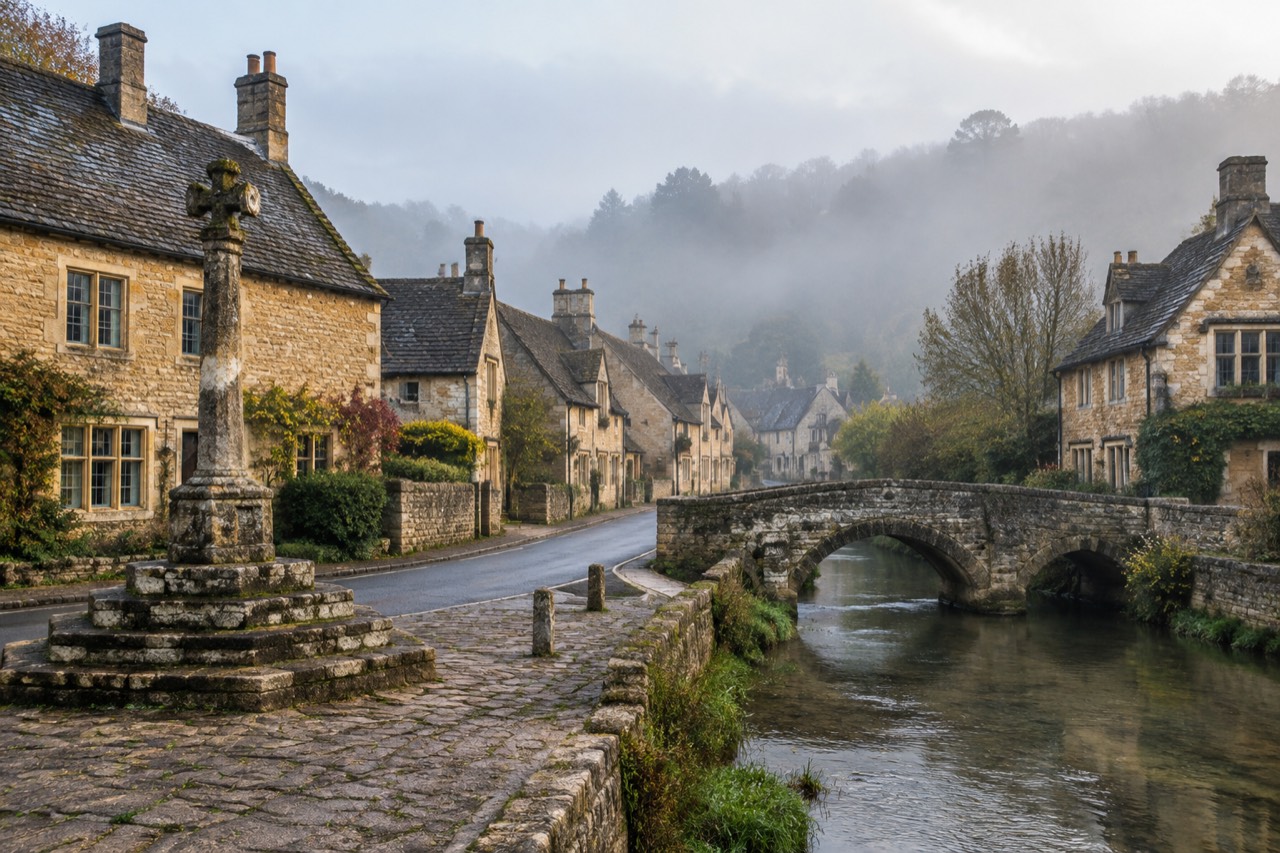
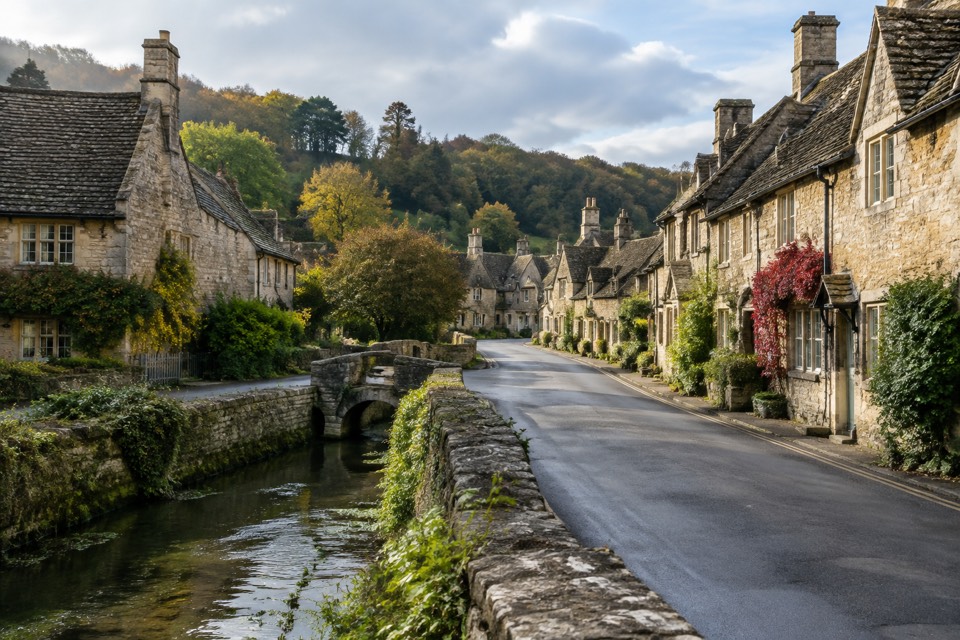
Castle Combe in Wiltshire played Puddleby-on-the-Marsh, standing in for the fictional coastal village. Streets, the market cross, the By Brook, the doctor's house, and the bridge all appear in the film. The village is inland, so artificial sea elements were added during production. Today it is a popular Cotswold tourist spot with many original buildings preserved. Walk The Street and the market area to match scenes from the film. Access is free and public.
The Short Answer
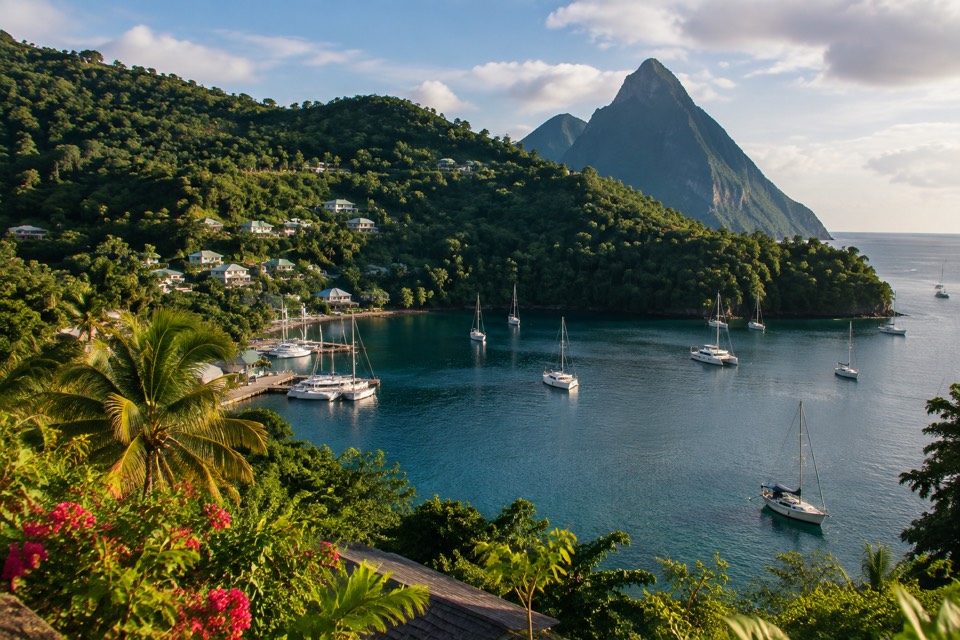
Doctor Dolittle (1967) was filmed mainly on location in Castle Combe, Wiltshire, which stood in for the fictional village of Puddleby-on-the-Marsh. Tropical island scenes, including the giant pink snail, were shot at Marigot Bay in Saint Lucia. Weather problems in England forced production to rebuild village sets at the 20th Century Fox Ranch in Calabasas, California, with interior work done in Los Angeles.
Richard Harris was originally attached, Rex Harrison ended up in the lead, and the animals numbered over 1,700. Doctor Dolittle was one of the most troubled productions of its era, and the film's locations tell that story. What began as an English village shoot ended up spread across three countries, with rain, quarantine rules, and tropical storms pushing the production in unexpected directions.
The good news for travelers is that the two main location sites, Castle Combe and Marigot Bay, are both fully visitable today, and one remains one of the prettiest villages in England. Here is where the cameras rolled and what each place offers now.
Every Location At A Glance
| Location | Where | What was filmed | Access |
|---|---|---|---|
| Castle Combe village | Castle Combe, United Kingdom | Puddleby-on-the-Marsh village scenes, including streets, market cross, By Brook, doctor's house, and bridge | Free to see |
| Marigot Bay | Marigot Bay, Saint Lucia | Tropical island scenes including giant pink snail on the beach | Free to see |
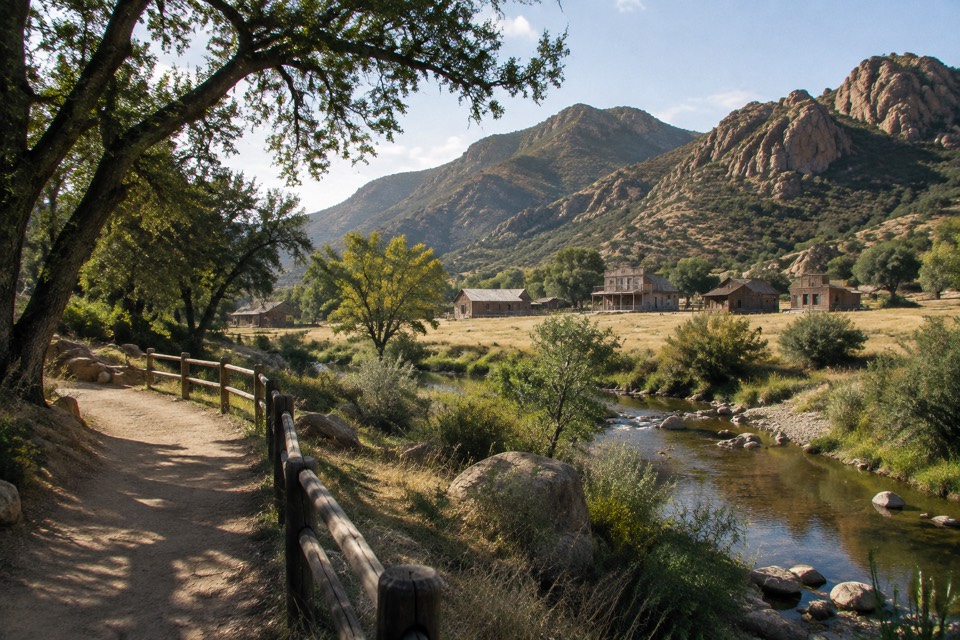
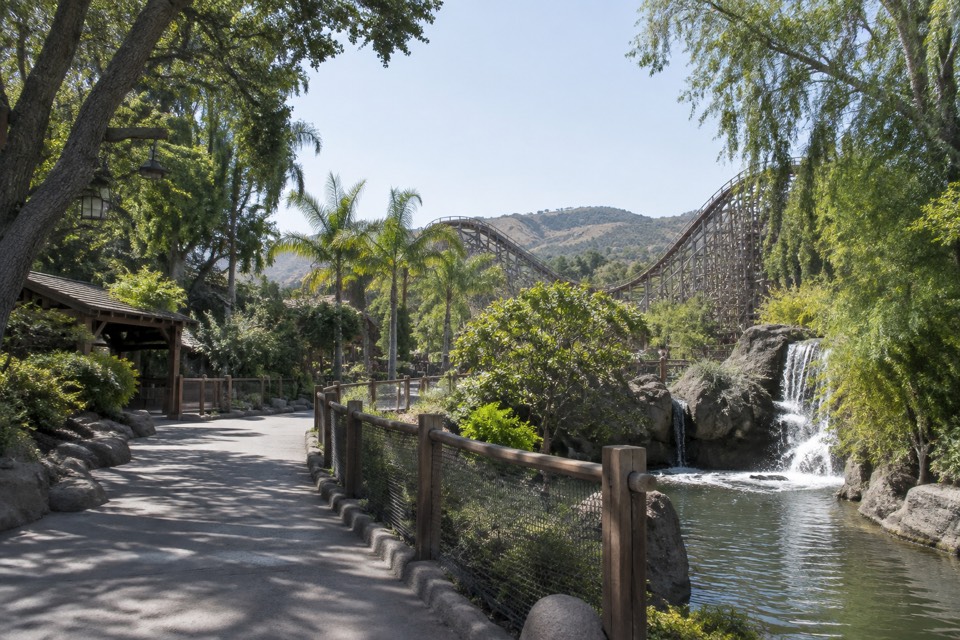
| Malibu Creek State Park (20th Century Fox Ranch) | Calabasas, United States | Studio exteriors and reconstructed village sets after UK weather delays | Ticketed |
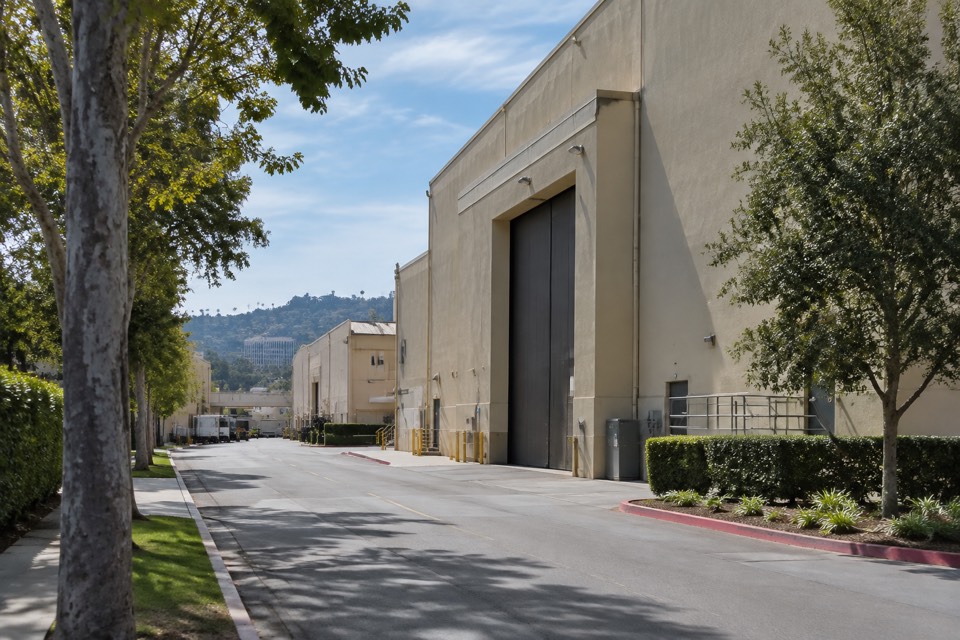
| 20th Century Fox Studios Stage 20 | Century City, Los Angeles, United States | Interior studio scenes | Private property |
| Jungleland | Thousand Oaks, United States | Animal training and supply for over 1,700 animals | Closed |
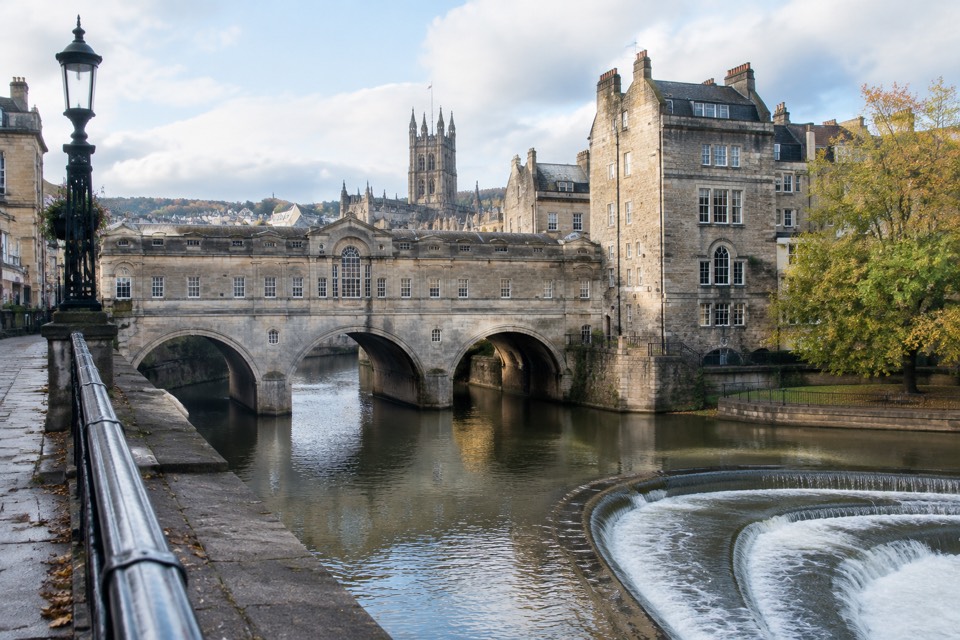
| Bath | Bath, United Kingdom | Additional English location scenes | Free to see |
Filming Locations Map
6 locations. The map loads when it scrolls into view.
Map data © OpenStreetMap contributors
Location By Location
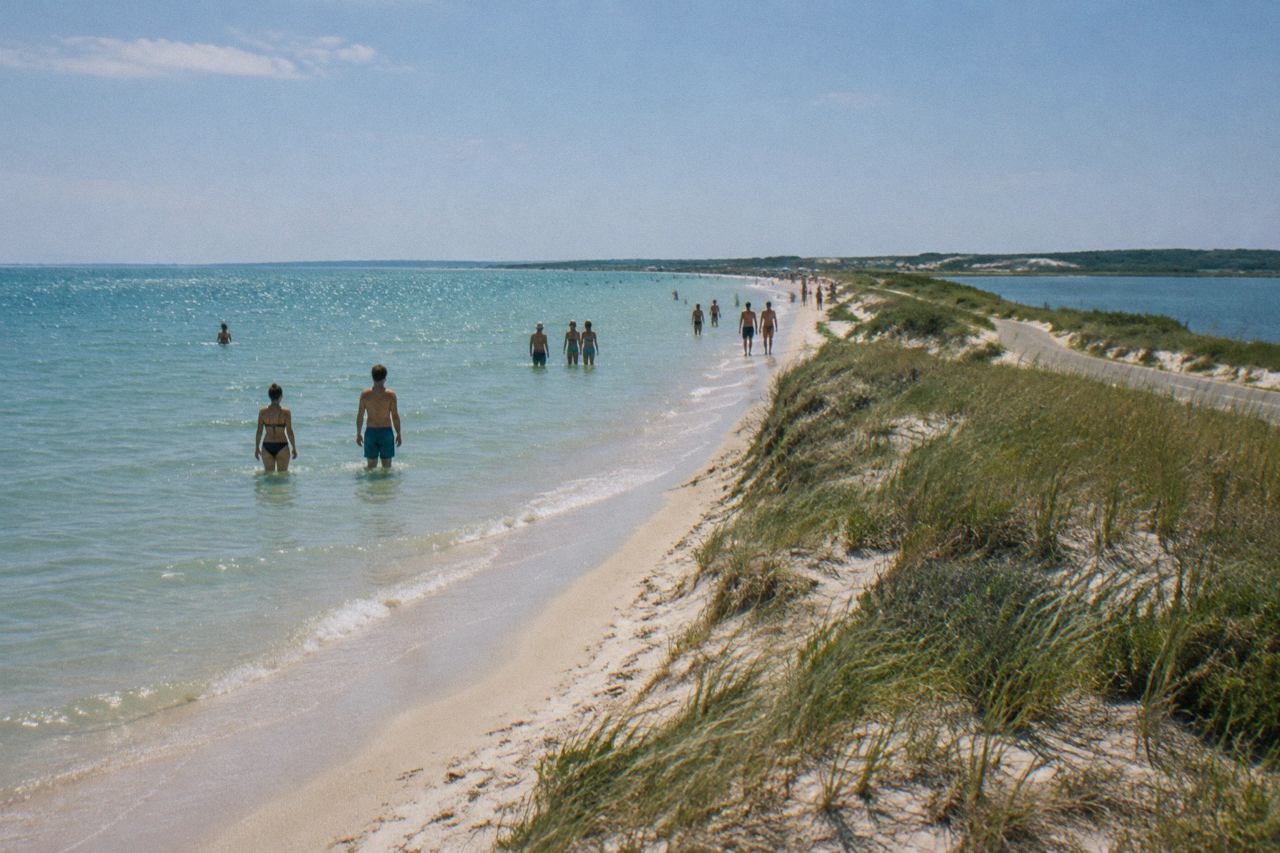
This bay in Saint Lucia's Castries District hosted the tropical island scenes, most famously the giant pink snail on the beach. Filming here was anything but easy: insects and tropical storms delayed the shoot and left crew members ill, and the snail prop stirred local unease after a recent snail-related epidemic. Today Marigot Bay is a resort area with a marina, and the Pink Snail Champagne Bar at Marigot Bay Hotel commemorates the production. The beach is publicly accessible.
Heavy rain in England forced the production to rebuild village sets in California, and the reconstructed Puddleby exteriors were shot at the 20th Century Fox Ranch in Calabasas. The former movie ranch is now Malibu Creek State Park, a public park with hiking trails where visitors can explore the old studio grounds. Entry requires a fee. It is the closest a traveler can get to the film's rebuilt village environment.
Interior studio scenes were filmed on Stage 20 at the 20th Century Fox lot in Century City, Los Angeles. This is an active studio lot and generally not open to public tours, so there is little for a visitor to see beyond the exterior of the historic property. Fans of studio history may still appreciate passing the site, which sits in the heart of Century City near other film-industry landmarks.
Jungleland in Thousand Oaks, California, supplied and trained animals for the production, which used over 1,700 animals in total. US-trained animals had to be replaced because of UK quarantine rules, adding to the production's difficulties. Jungleland closed in 1969 and the site has since been redeveloped, so nothing remains for visitors to tour. Its role in the film survives mainly in production records and local history.
The historic city of Bath in Somerset hosted additional English location scenes for the film. Bath sits near Castle Combe, which makes it a natural pairing for a location trip: visitors can base themselves in the city and drive out to the village in a single day. Bath itself needs no film connection to justify a visit, with its Georgian architecture and Roman-era sights drawing visitors year round.
Where It Is Set Versus Where It Was Filmed
The story is set in Victorian England, in the fictional village of Puddleby-on-the-Marsh, and on a tropical island. Filming took place primarily in Wiltshire, England and Saint Lucia, with additional studio work in California. Castle Combe, chosen as the prettiest village in England, is in fact inland, so the production added artificial sea elements to sell the coastal setting.
The Studio Side
Two Fox facilities anchored the studio side. Stage 20 at the 20th Century Fox lot in Century City, Los Angeles, handled interior scenes and remains an active, private studio. The 20th Century Fox Ranch, also called Century Ranch, in Calabasas, hosted the reconstructed village exteriors after UK weather delays; it is now Malibu Creek State Park and open to the public with an entry fee.
Tours That Visit These Locations
Travelers who want a guided connection to the film have one direct option: a movie filming locations bus tour in San Francisco that includes scenes from Doctor Dolittle among its stops. It is a general film tour rather than a dedicated Dolittle experience, so it suits visitors who want a broader studio and movie sightseeing day with this title included.
San Francisco Film Sights By Bus
San Francisco: Movie Filming Locations Bus Tour
This bus tour from San Francisco covers a mix of movie filming locations, including scenes from Dr. Doolittle, with 414 reviews to date at 79 USD per person. Expect a general film itinerary rather than a Dolittle-only route.
Frequently Asked Questions
Was Dr. Doolittle filmed in England?
Yes. The main village scenes were shot in Castle Combe, Wiltshire, with additional English location work in Bath. However, heavy rain disrupted the shoot and forced parts of the production to move to California, where village sets were rebuilt at the 20th Century Fox Ranch in Calabasas.
Can you visit Castle Combe?
Yes. Castle Combe is a public Cotswold village and a popular tourist destination. Many original buildings that appear in the film are preserved, and visitors can walk The Street and the market area freely.
Where was the giant snail scene filmed?
The giant pink snail scene was filmed on the beach at Marigot Bay in Saint Lucia. The bay is now a resort area with a marina, and the Pink Snail Champagne Bar at Marigot Bay Hotel commemorates the film.
Why did production leave England?
Persistent heavy rain in England wrecked the schedule, so sets were rebuilt and filmed in California. The production faced other troubles too: UK quarantine rules forced the replacement of US-trained animals, and the Saint Lucia shoot was delayed by insects and tropical storms that left crew ill.
Is the Fox Ranch open to visitors?
The former 20th Century Fox Ranch in Calabasas is now Malibu Creek State Park, a public park with hiking trails and an entry fee. The main studio lot in Century City, where Stage 20 interiors were shot, is an active private facility and generally not open to tours.
Are there tours of Dr. Doolittle filming locations?
There is no dedicated tour of the film's locations. The closest option is a movie filming locations bus tour from San Francisco that includes scenes from Dr. Doolittle among a broader itinerary of film sites. Castle Combe and Marigot Bay can both be explored independently.
Castle Combe and Marigot Bay reward independent travelers most: both are publicly accessible, both look much as they did in 1967, and each carries a visible reminder of the production, from the preserved village streets to a champagne bar named after a giant pink snail. Pair Castle Combe with nearby Bath for an easy day trip, or add Malibu Creek State Park to a California itinerary to walk the ground where the village was rebuilt.