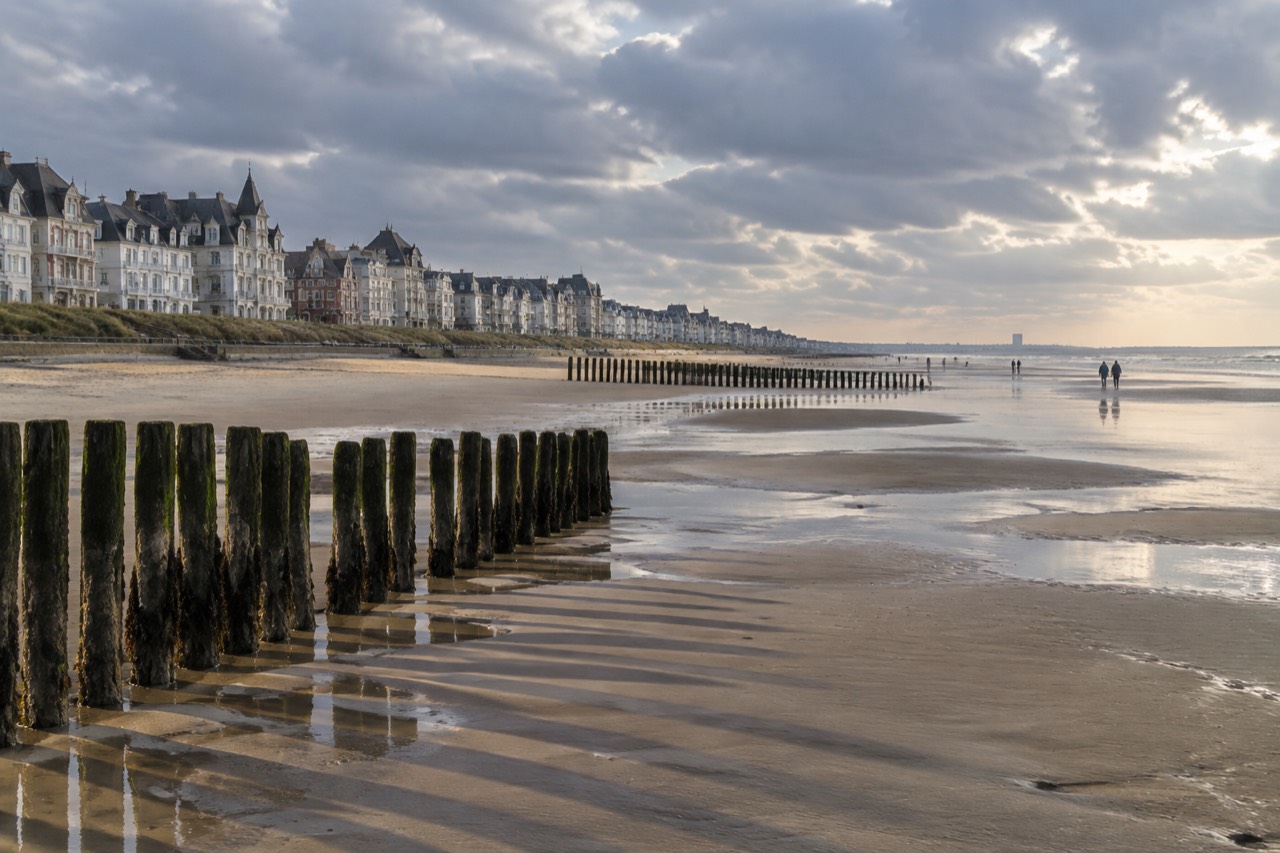
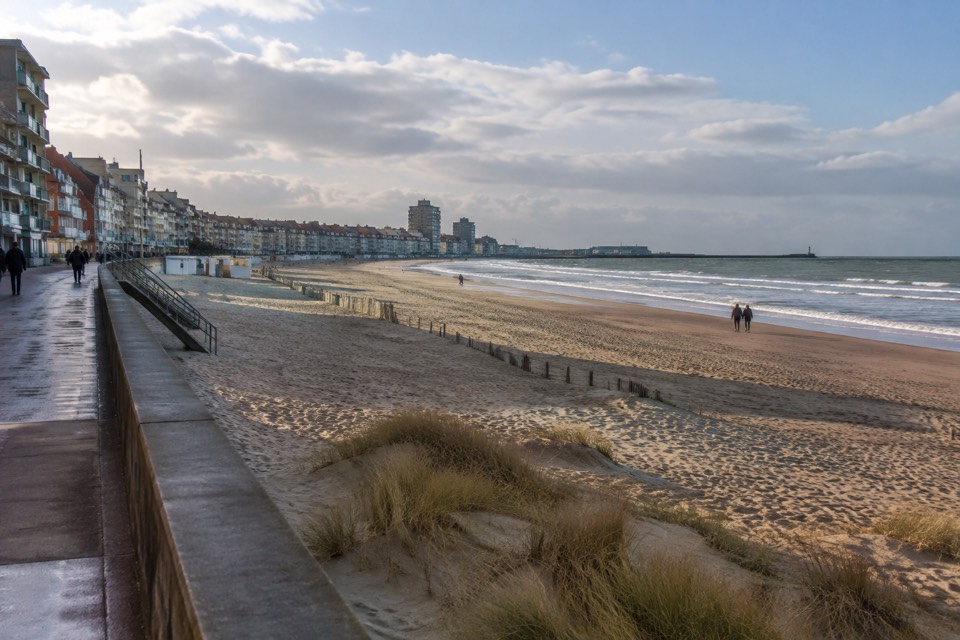
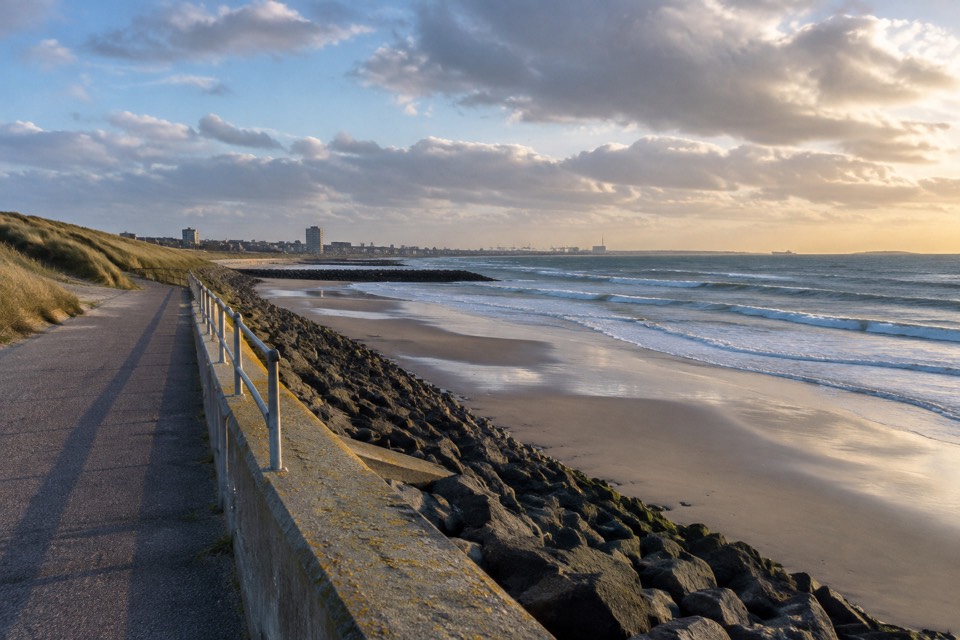
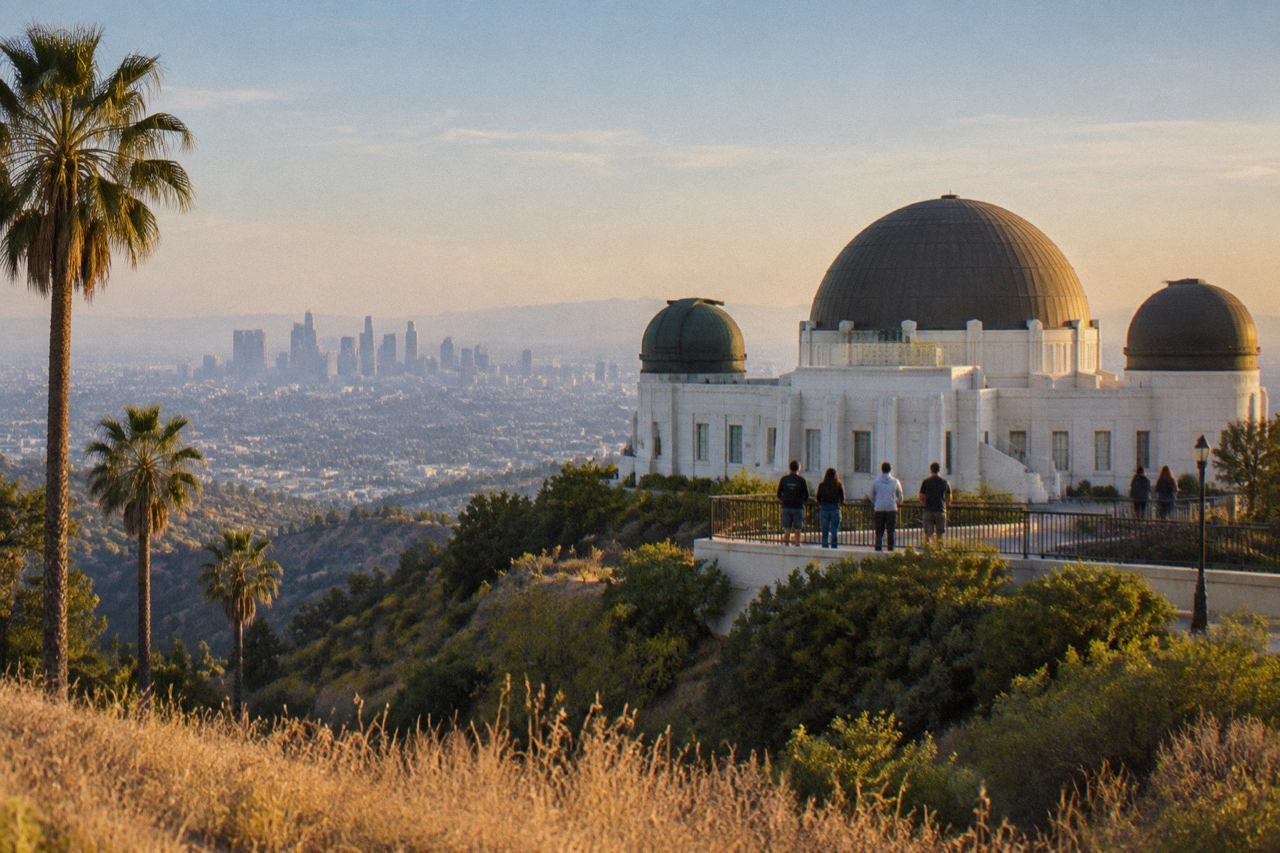
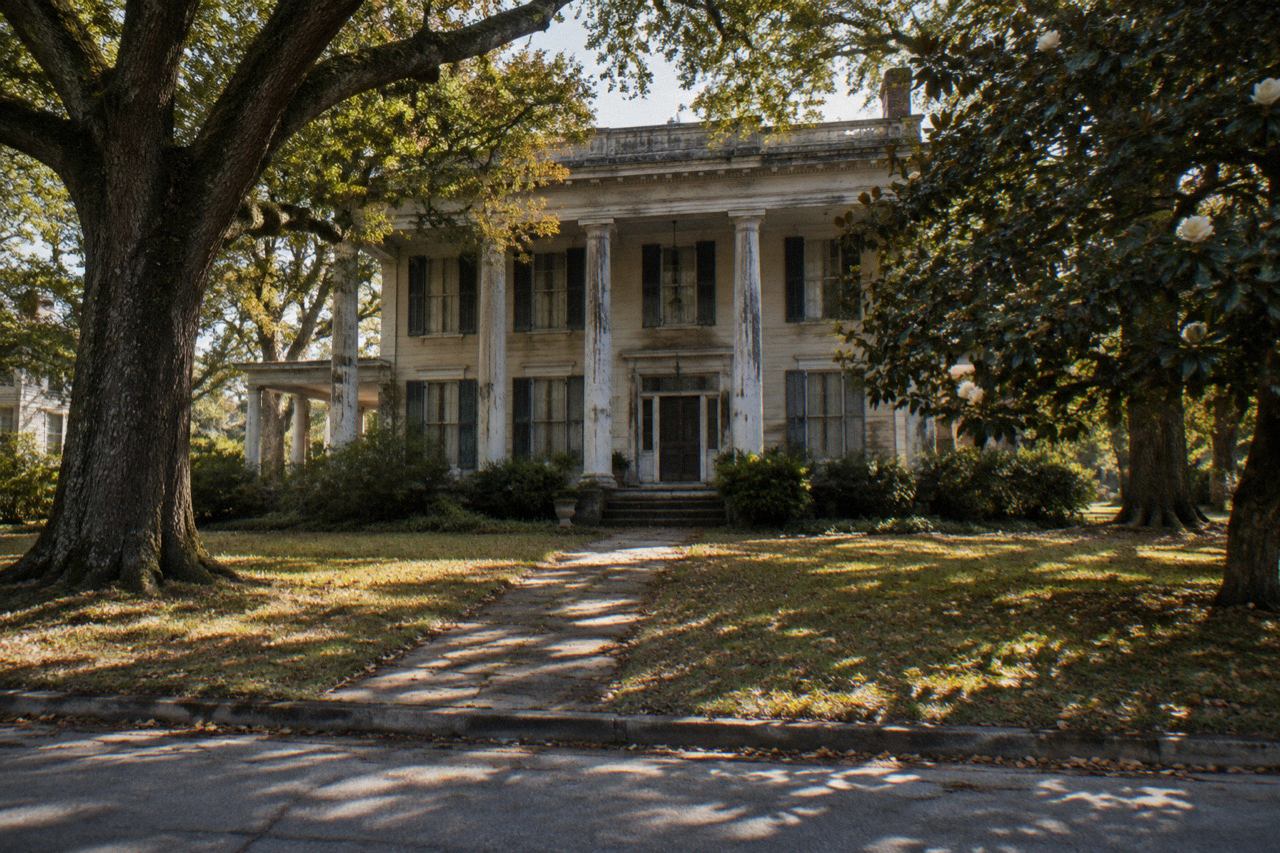
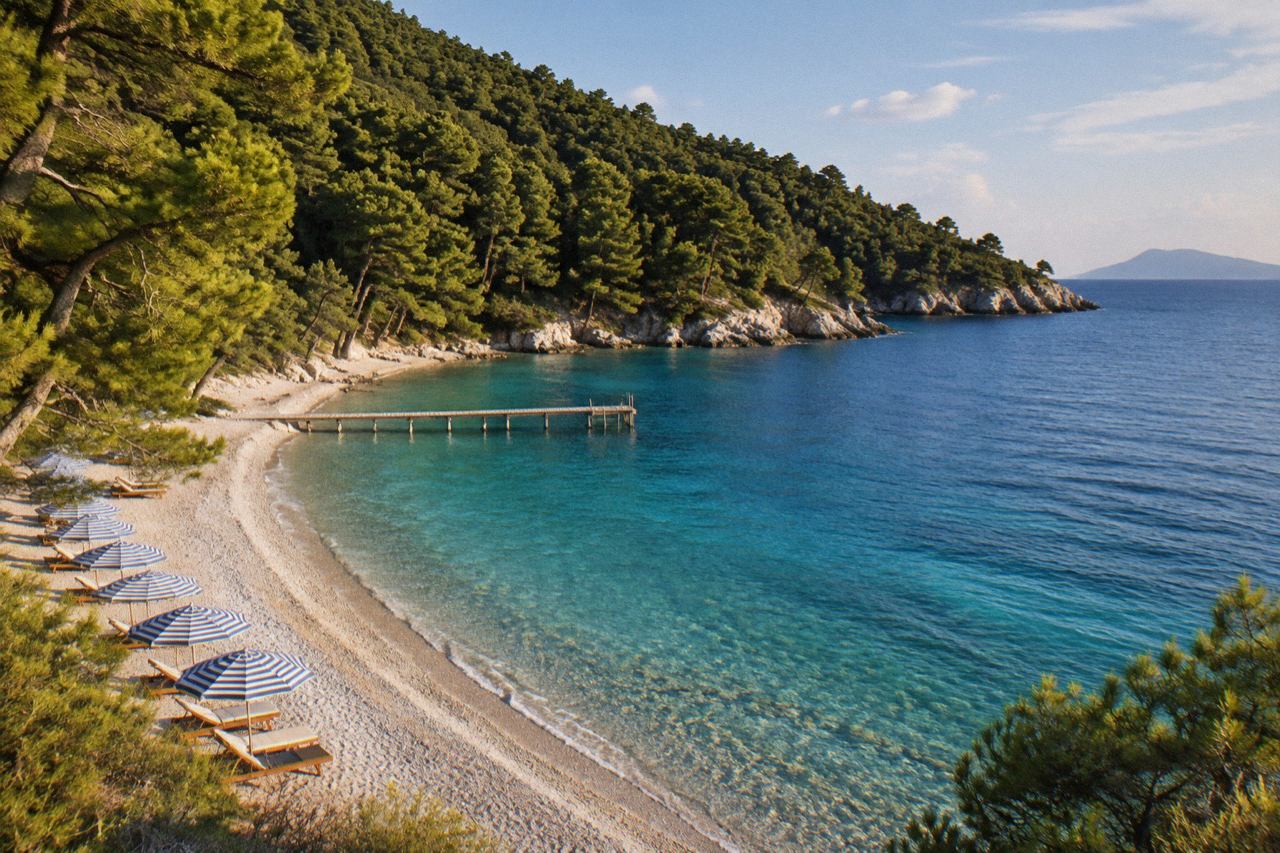
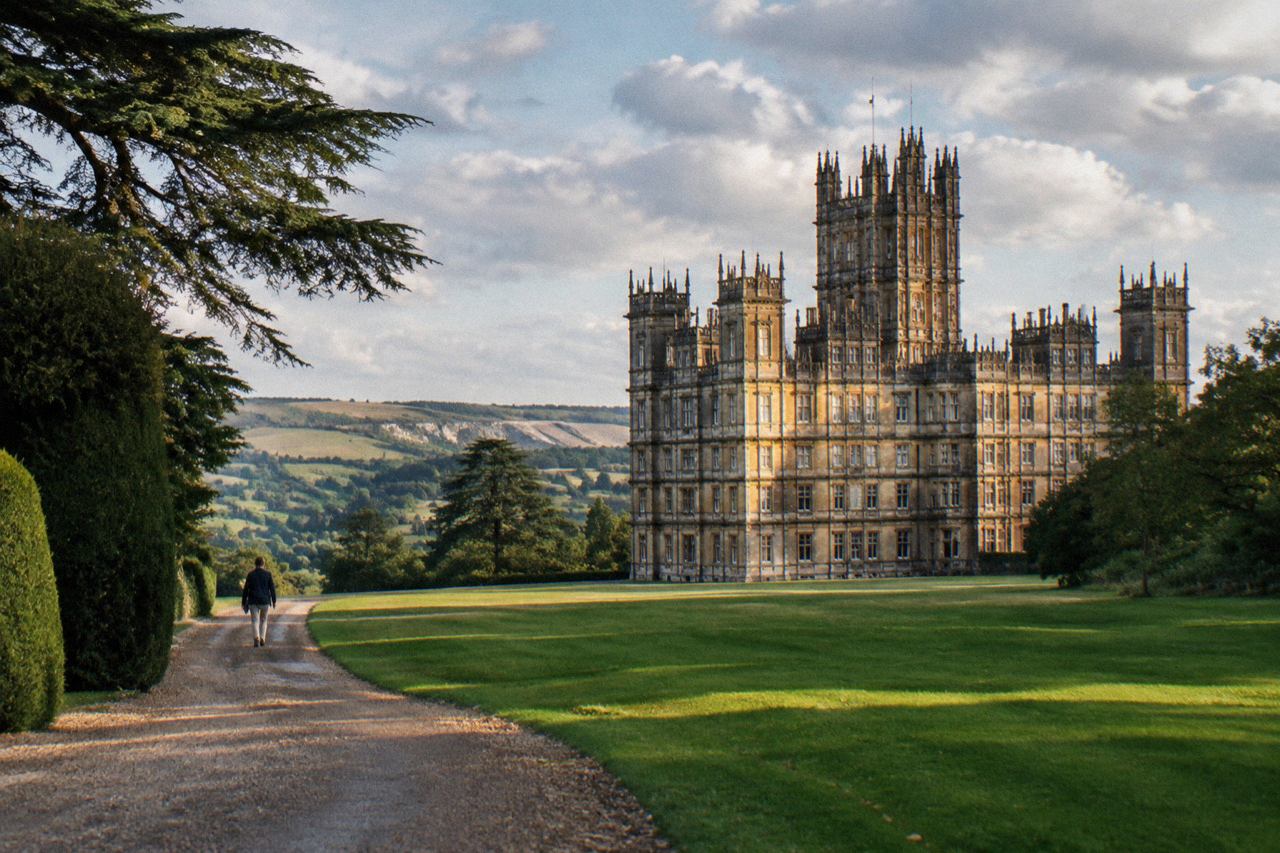
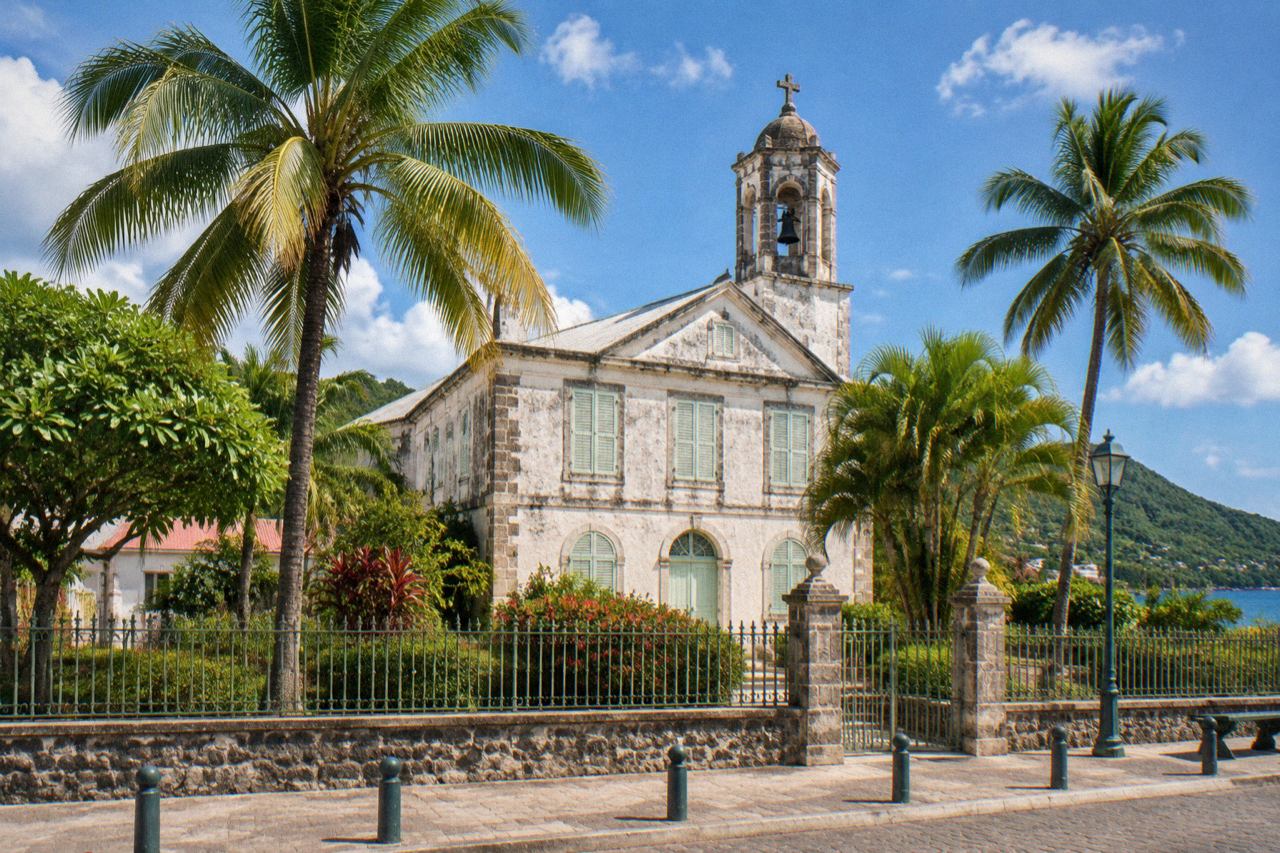
This wide sandy beach in Dunkerque hosted the main evacuation sequences, with rows of troops lined up under fire waiting for rescue. It remains a public beach today and still resembles its 1940 appearance closely enough that standing on it requires little imagination. Access is free and unrestricted, and the Dunkerque tourism office can point visitors to the exact stretches used for filming.
The Short Answer
Dunkirk was mainly filmed on location at the real historical site in Dunkirk, France, including Plage de Malo-les-Bains beach and the East Mole, supplemented by Dorset in the UK, the IJsselmeer lake near Urk in the Netherlands, and studio work plus coastal sites in California.
Most war films recreate their battlefields on backlots. Christopher Nolan went to the actual place. His 2017 film about the 1940 evacuation was shot on the same sands where Allied troops waited for rescue, and the production even timed its schedule to match the dates of the real event so tides and conditions would line up.
The production also stretched far beyond northern France. Scenes were shot in Weymouth and Swanage in Dorset, on a Dutch freshwater lake standing in for the open sea, on a cliffside in California, and inside sound stages in Burbank, where some sequences were built in tanks alongside more than 50 real historic boats.
Every Location At A Glance
| Location | Where | What was filmed | Access |
|---|---|---|---|
| Plage de Malo-les-Bains | Dunkerque, France | Main beach evacuation and action sequences with troops lined up | Free to see |
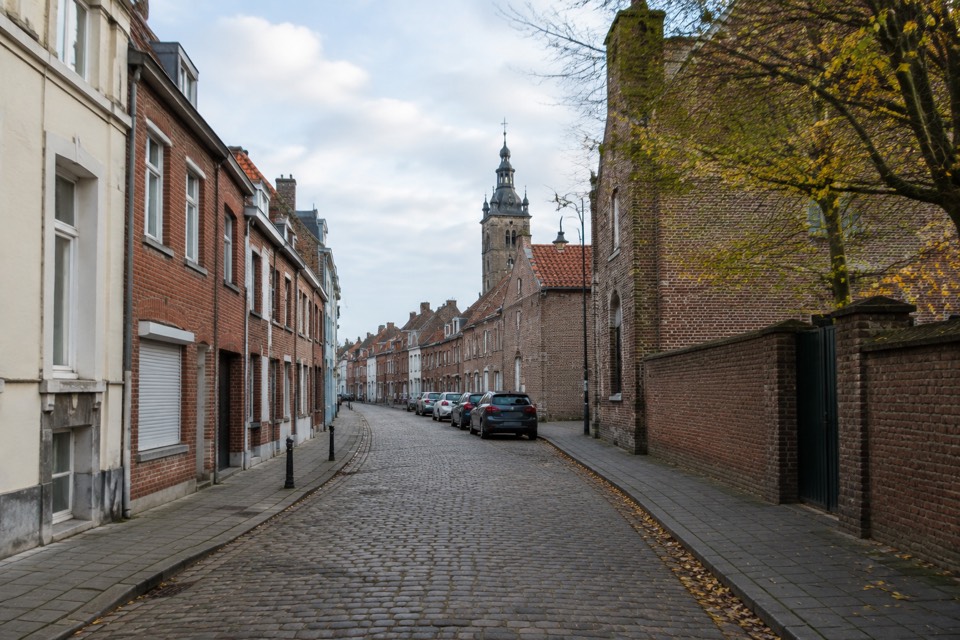
| Rue des Fusillés | Dunkerque, France | Opening street scenes with soldiers and falling leaflets | Free to see |
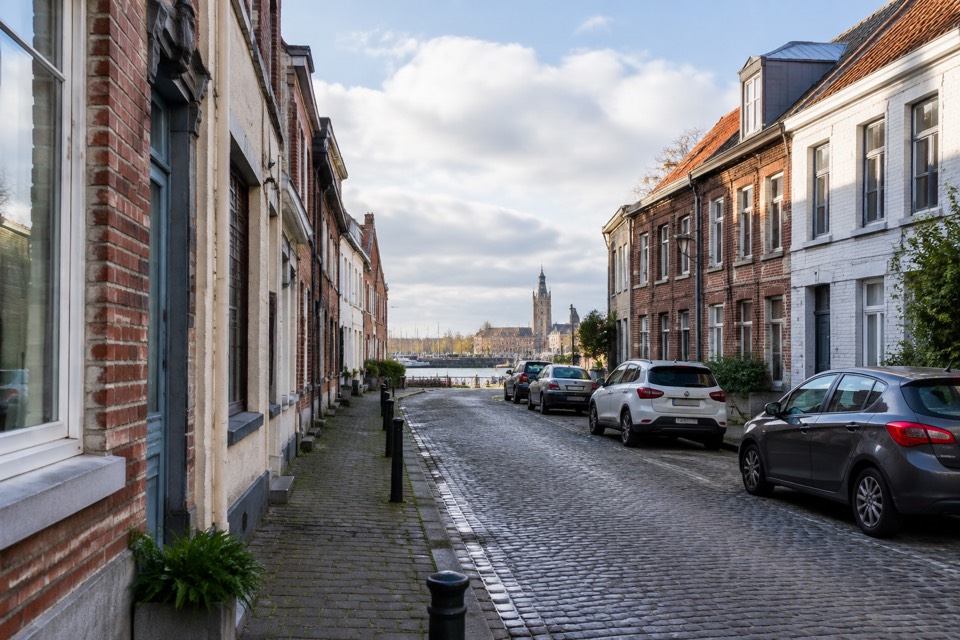
| Rue Belle Rade | Dunkerque, France | Soldier running from gunfire and alley to beach scenes | Free to see |
| Jetée de Malo (East Mole) | Dunkerque, France | Evacuation scenes on the pier/mole with troops and hospital ship | Free to see |
| Dune Dewulf (Réserve Naturelle) | Leffrinckoucke, France | Swimming back to beach and nature reserve scenes after torpedo | Free to see |
| Digue du Braek | Dunkerque, France | Farrier landing plane and setting it alight on the dike | Free to see |
| Weymouth Harbour (Custom House Quay) | Weymouth, United Kingdom | Civilian boat departure and newspaper office scenes | Free to see |
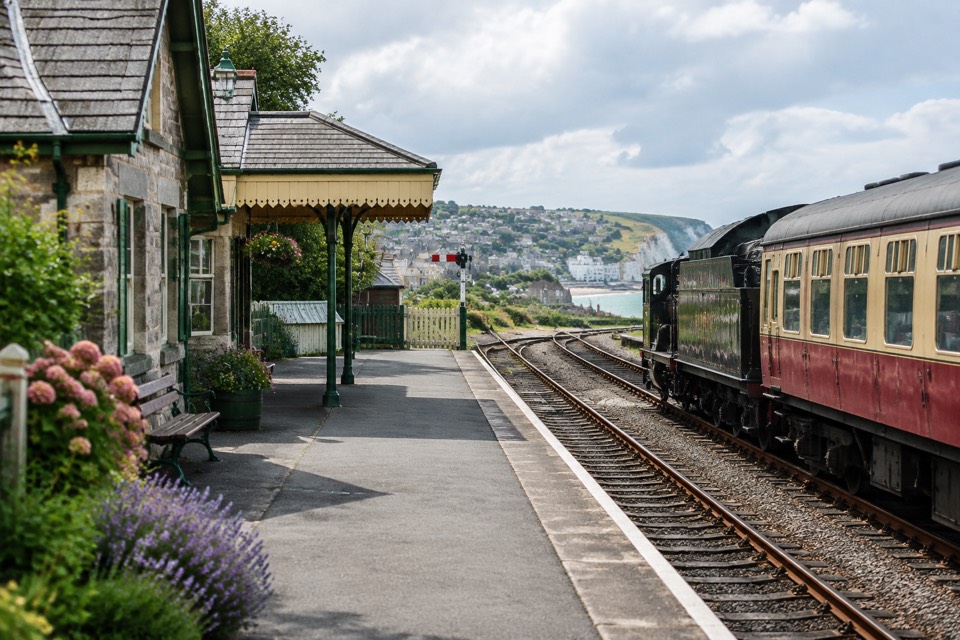
| Swanage Railway Station | Swanage, United Kingdom | Train journey scenes with Tommy and Alex returning to London | Ticketed |
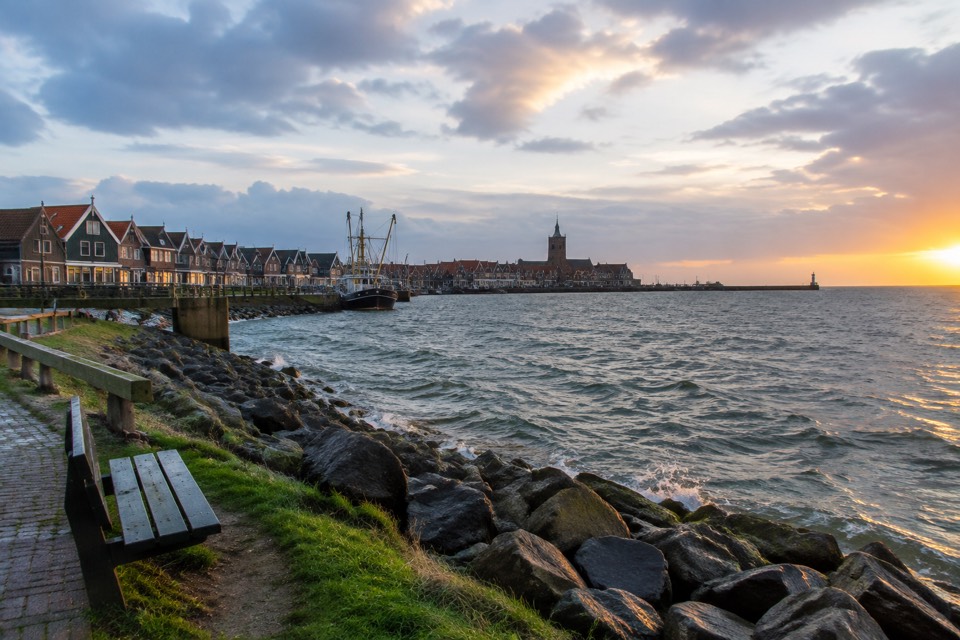
| IJsselmeer near Urk | Urk, Netherlands | Boat evacuation scenes on the lake for Moonstone yacht | Free to see |
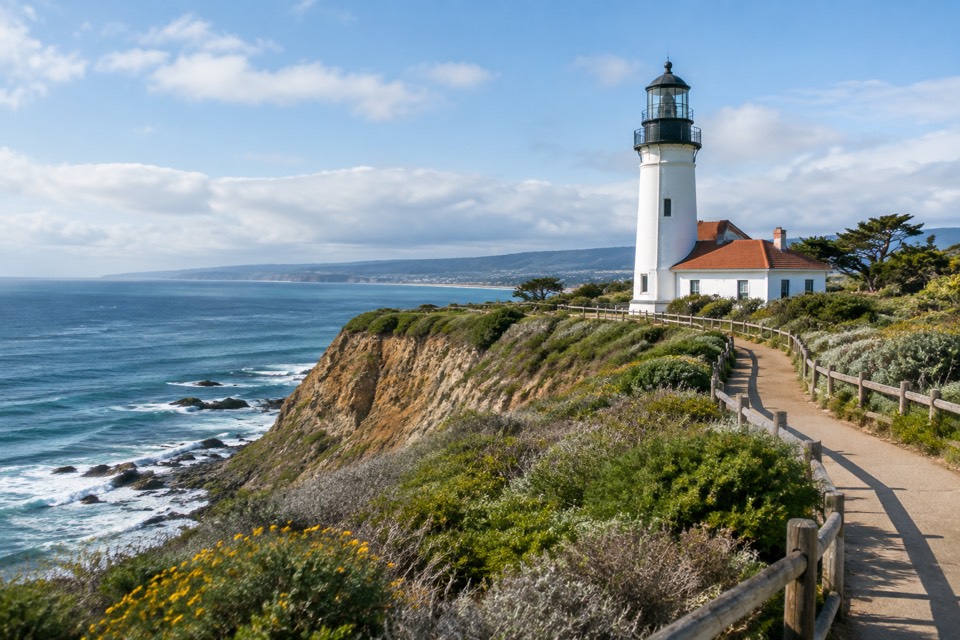
| Point Vicente Lighthouse / Interpretive Center | Rancho Palos Verdes, United States | Aerial dogfight and explosion sequences from cliffside | Free to see |
Filming Locations Map
10 locations. The map loads when it scrolls into view.
Map data © OpenStreetMap contributors
Location By Location
The film's opening moments, with soldiers walking streets as leaflets flutter down from the sky, were shot here in the Malo-les-Bains district of Dunkerque. These are ordinary public residential streets, free to wander at any time. Visitors often combine them with nearby Rue Belle Rade, which appears moments later in the same sequence.
This residential street appears in the early chase, with a soldier running from gunfire and cutting through an alley toward the beach. Multiple specific addresses along it were used during the shoot. Like its neighbor Rue des Fusillés, it is a public street with open access, making it an easy add-on to a beach visit in Malo-les-Bains.
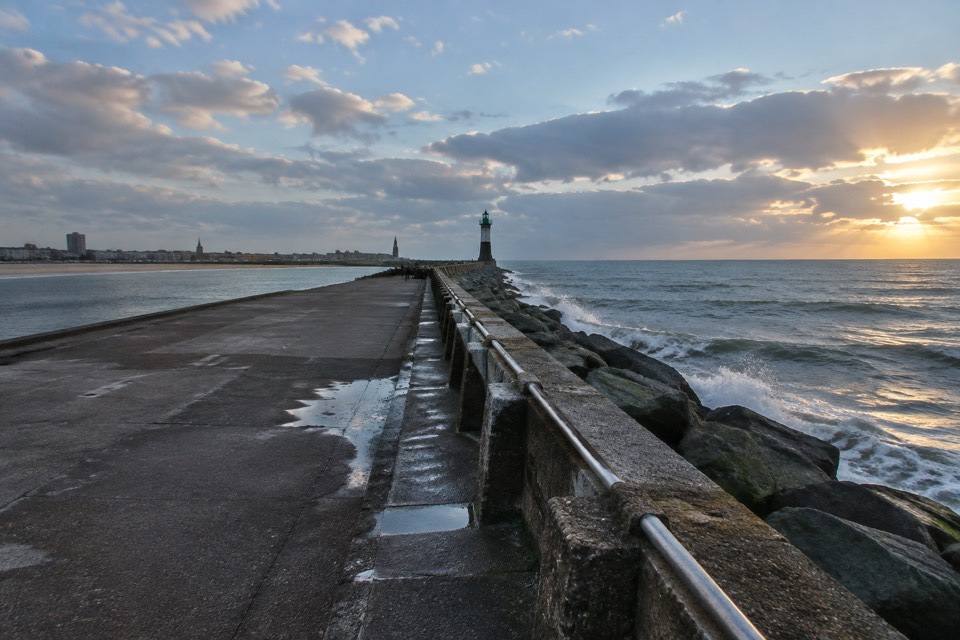
The historic jetty played itself, standing in for the East Mole from which troops boarded ships during the evacuation. The production built a temporary 900-foot wooden superstructure on it for the pier scenes with soldiers and a hospital ship, and weather repeatedly destroyed the set during filming. The structure was removed afterward, and the jetty remains publicly accessible today.
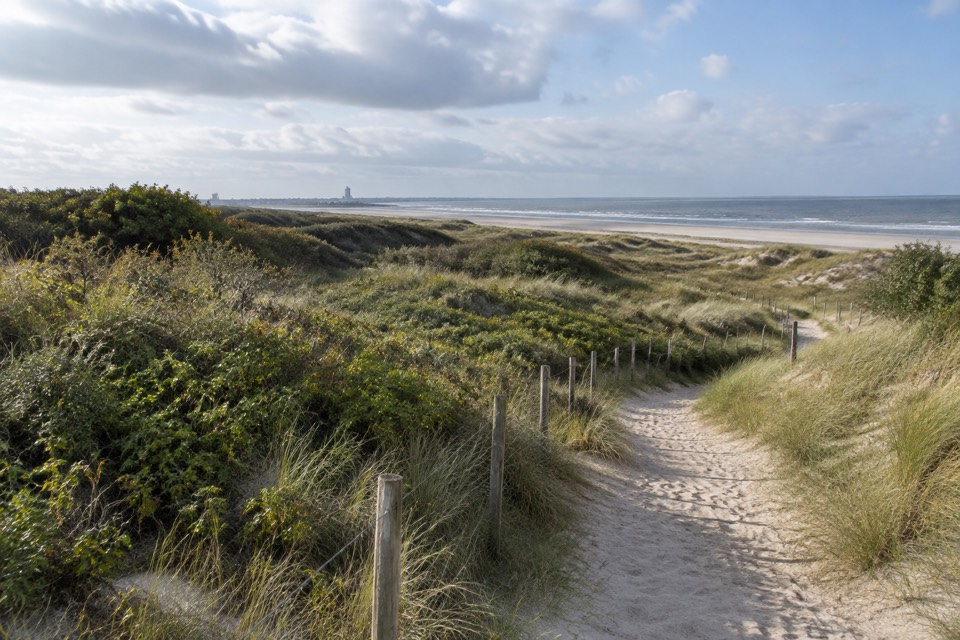
This nature reserve at Leffrinckoucke, a short distance east of Dunkirk, served for the scenes of soldiers swimming back to shore after a torpedo strike. The protected dune landscape is open to visitors and offers a quieter, wilder stretch of coastline than the town beaches. It is a public site, so no tickets or permissions are needed.
The long barrier dike east of Dunkirk is where Farrier lands his fighter plane and sets it alight in the film's final act. Today it is a publicly accessible dike popular for bird-watching, with an industrial backdrop along part of its length. It stretches out into the sea and can be walked by visitors wanting to reach the exact stretch seen on screen.
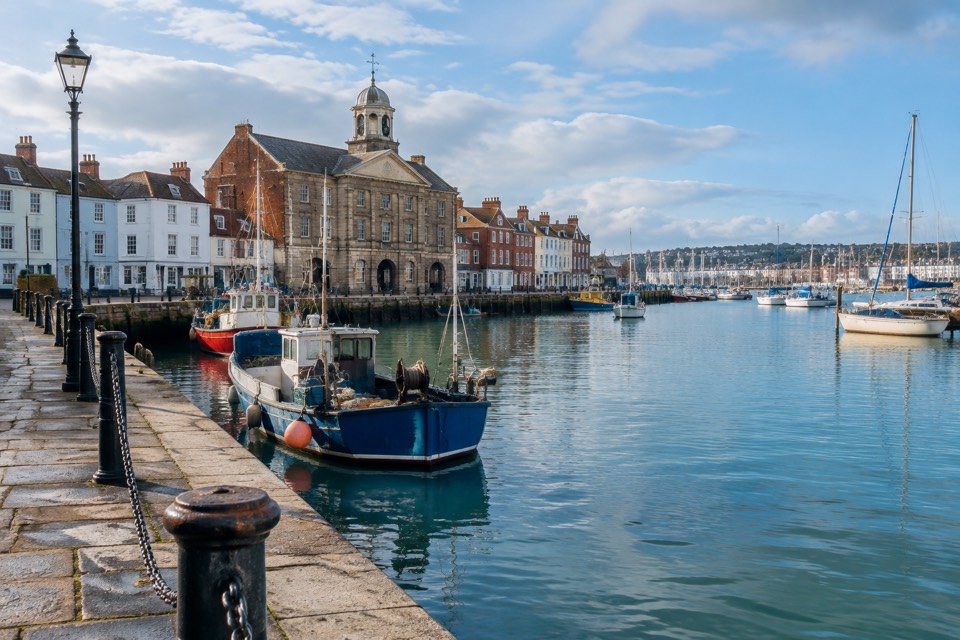
The Dorset harbour stood in for the English departure point, with the civilian boat scenes and the newspaper office sequences shot around Custom House Quay. It remains a working historic harbour framed by Georgian architecture, and the quayside is fully open to the public. Film fans can simply stroll the waterfront and match it to the movie's small-craft scenes.
The heritage railway station at Swanage provided the platform and train for the closing journey, with Tommy and Alex returning to London. Unlike most locations on this list, this one requires a ticket, as the line is an operational heritage railway offering rides to visitors. The station itself preserves a period atmosphere that suited the 1940 setting.
The Netherlands' large freshwater lake stood in for the open sea during the Moonstone yacht's evacuation scenes, shot on the water near the old fishing village of Urk in Flevoland. The lakeshore around Urk is publicly accessible. The scale of the IJsselmeer made it a practical stand-in for the Channel while giving the production more control than open sea shooting allows.
This California headland in Rancho Palos Verdes doubled for the cliffs of northern France during the aerial dogfight and explosion sequences. The site is a public park and lighthouse area with sweeping ocean views, so visiting is free and simple. It is an unexpected stop for a European war film, sitting on the Los Angeles coast rather than the Channel.
Where It Is Set Versus Where It Was Filmed
The story is set during the 1940 Dunkirk evacuation in northern France, and unusually for a modern blockbuster, it was filmed primarily at those authentic real-world locations in Dunkirk itself. Nolan's team supplemented the French sites with Dorset in the UK, the IJsselmeer in the Netherlands, and California in the USA, choosing each for practicality and control over conditions, while keeping the historical geography intact on screen.
The Studio Side
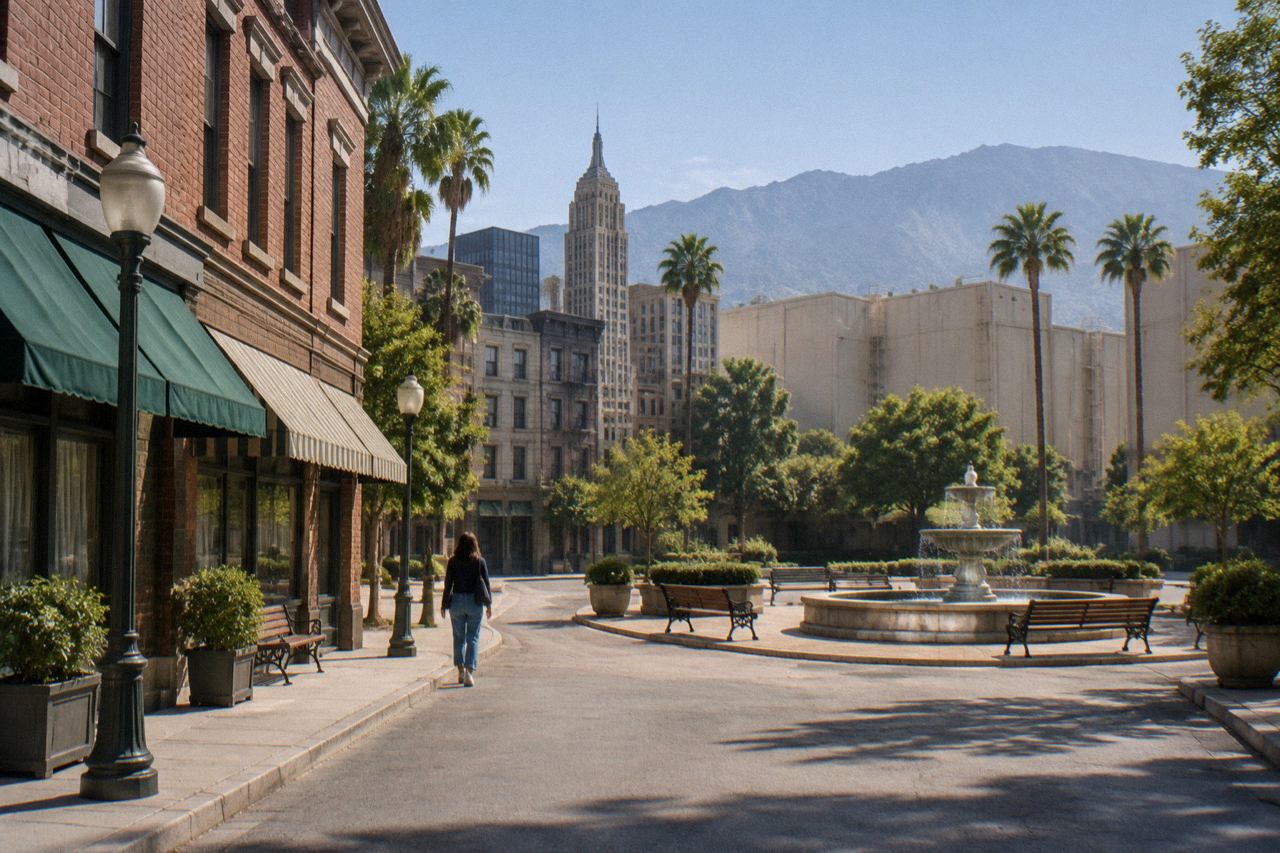
Studio work took place at Warner Bros. Burbank Studios in Burbank, USA, which visitors can see on the Warner Bros. Studio Tour, and at Universal Pictures Falls Lake in Universal City, USA, which is not open for visits. The production combined these sound stages and tanks with over 50 real historic boats, including 20 actual Little Ships of Dunkirk, and shot about 75% of the film in IMAX 65mm large format. A real French destroyer was even towed out to sea off France for the torpedo scenes before the action moved to studio tanks.
Tours That Visit These Locations
Most of the Dunkirk locations are public streets, beaches, and parks that need no booking. The main bookable experience tied to the film is the Warner Bros. Studio Tour in Los Angeles, which includes Stage 16, one of the sound stages where the film's tank and boat sequences were shot.
LA Studio Tour, Stage 16 Stop
Los Angeles: Warner Bros. Studio Tour Hollywood
This Los Angeles studio tour passes Stage 16, the cavernous sound stage where Dunkirk's water sequences were built, alongside sets from many other Warner films.
Hollywood Backlot Tour
Warner Bros. Studio Tour Hollywood
A Hollywood backlot tour that includes Stage 16 among its stops, putting visitors inside the actual Burbank facility where Dunkirk's tank work was filmed.
Frequently Asked Questions
Was Dunkirk filmed at the real Dunkirk?
Yes. The production shot extensively on location in Dunkerque, France, including Plage de Malo-les-Bains, the East Mole, and surrounding streets and dunes. Filming even coincided with the dates of the real 1940 evacuation to match tides and conditions.
Can you visit the beach from the film?
Yes, Plage de Malo-les-Bains is a public beach with free access, and it still closely resembles its 1940 appearance. The Dunkerque tourism office provides information for visitors wanting to find the exact filming stretches.
What was the wooden pier seen in the film?
The production built a temporary 900-foot wooden superstructure on the Jetée de Malo, the historic East Mole. Weather repeatedly destroyed it during filming, and it was removed entirely once shooting wrapped, so visitors today see the original jetty.
Which English locations were used?
Weymouth Harbour's Custom House Quay in Dorset stood in for the civilian boat departure and newspaper office scenes, and Swanage Railway Station in Dorset was used for the train journey back to London. The harbour is free to visit, while the heritage railway requires a ticket.
Were any real Dunkirk boats used in the film?
Yes. Over 50 real historic boats took part, including 20 actual Little Ships of Dunkirk that had served in the 1940 evacuation, used alongside studio tanks at the Burbank sound stages.
Can you visit the studios where Dunkirk was filmed?
Warner Bros. Burbank Studios can be visited on the Warner Bros. Studio Tour, which includes Stage 16. Universal Pictures Falls Lake in Universal City is not open to visitors.
Dunkirk stands out among location-shot films because its key sites really are the places where history happened, and nearly all of them remain free and open to anyone. A trip to Dunkerque covers the beach, the mole, and the streets of Malo-les-Bains on foot, while Dorset, Urk, and Rancho Palos Verdes add surprising footnotes. For the indoor side of the production, the Warner Bros. Studio Tour in Los Angeles offers the closest look at where the tanks and boats came together.