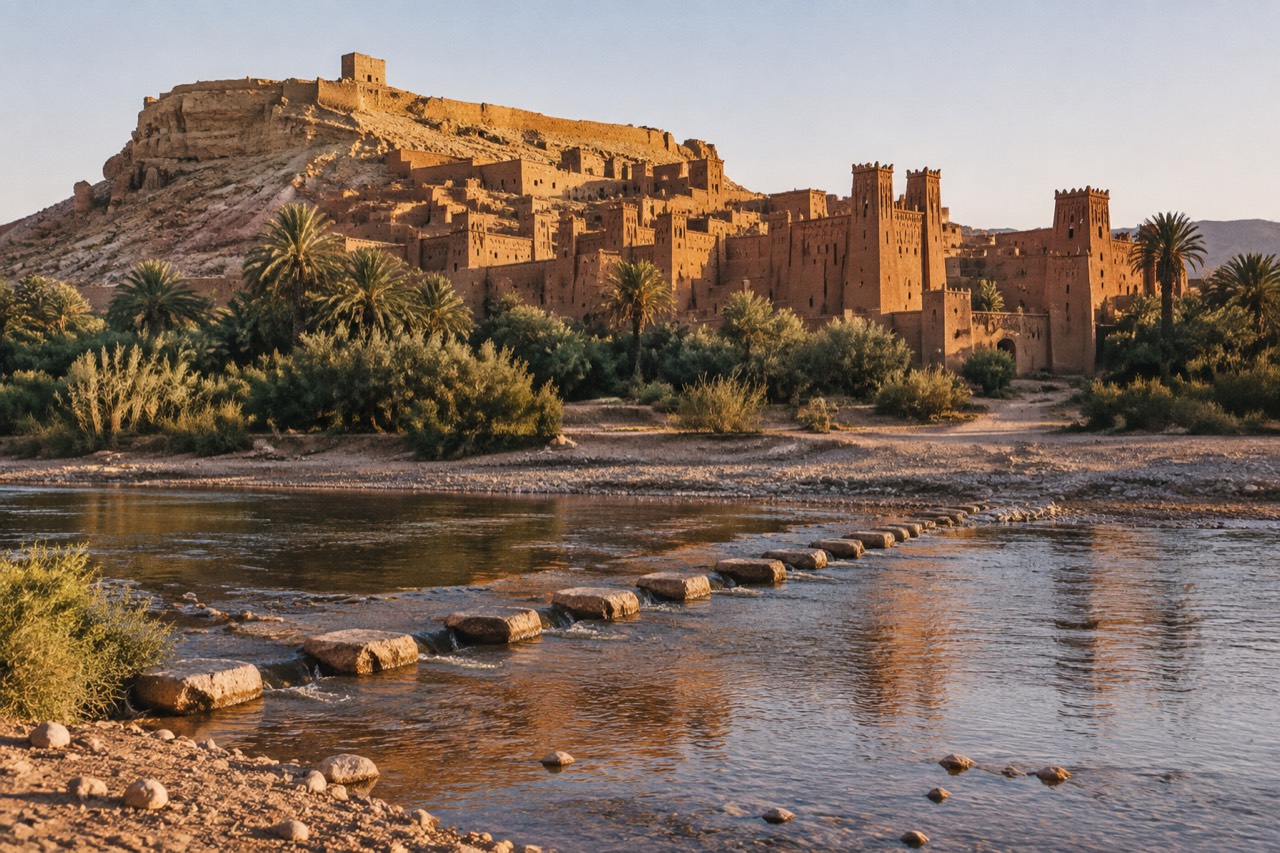
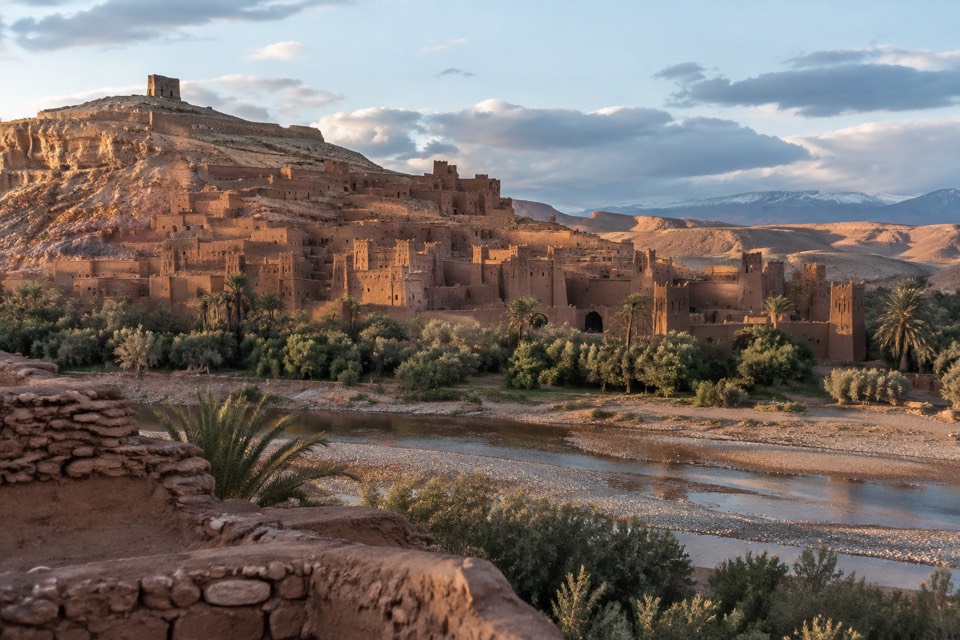
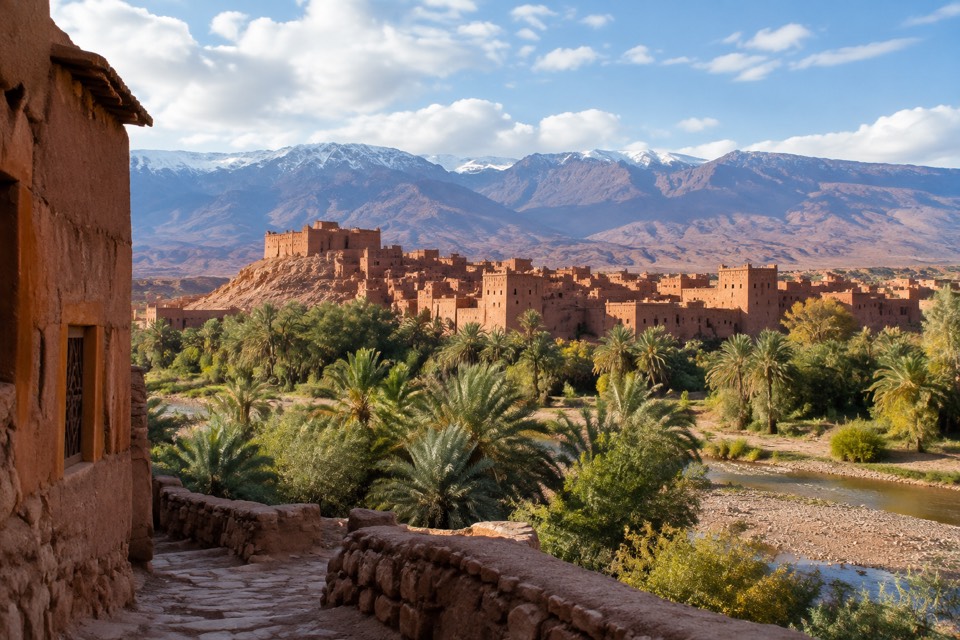
This fortified mud-brick village on the old caravan route played Zucchabar, the provincial town where Maximus is sold at the slave market and fights his first arena battles. It is a UNESCO World Heritage Site that has appeared in more than 200 films and TV productions, and local guides work the site daily. Visitors reach it by footbridge or river crossing, and it remains one of Morocco's most popular destinations. Scott returned here for both Kingdom of Heaven and Gladiator II.
The Short Answer
Gladiator was mainly filmed in Malta, Morocco and England. Fort Ricasoli in Malta stood in for Rome, where a one-third scale Colosseum replica was built. Aït Benhaddou and Ouarzazate in Morocco played the North African province of Zucchabar. The opening Germania battle was shot at Bourne Wood in Surrey, with further location work in Tuscany and Alabama Hills, California.
Ridley Scott's 2000 epic sends its hero from the forests of Germania to the arenas of Rome and the wheat fields of Elysium, yet almost none of it was filmed where the story takes place. The production hopped between three continents, dressing a Maltese fort as the capital of the empire and a Moroccan ksar as a dusty provincial slave market.
Most of the locations can be visited today, and several are remarkably easy to reach. One is a public woodland in Surrey with a car park. Another is a UNESCO World Heritage Site a short walk from a Moroccan highway town. The trickiest, Fort Ricasoli, is closed to the public, though harbour cruises in Malta get you close enough for a look.
Every Location At A Glance
| Location | Where | What was filmed | Access |
|---|---|---|---|
| Aït Benhaddou | Aït Benhaddou, Morocco | Zucchabar provincial town, slave market, first gladiator fights and arena scenes | Free to see |
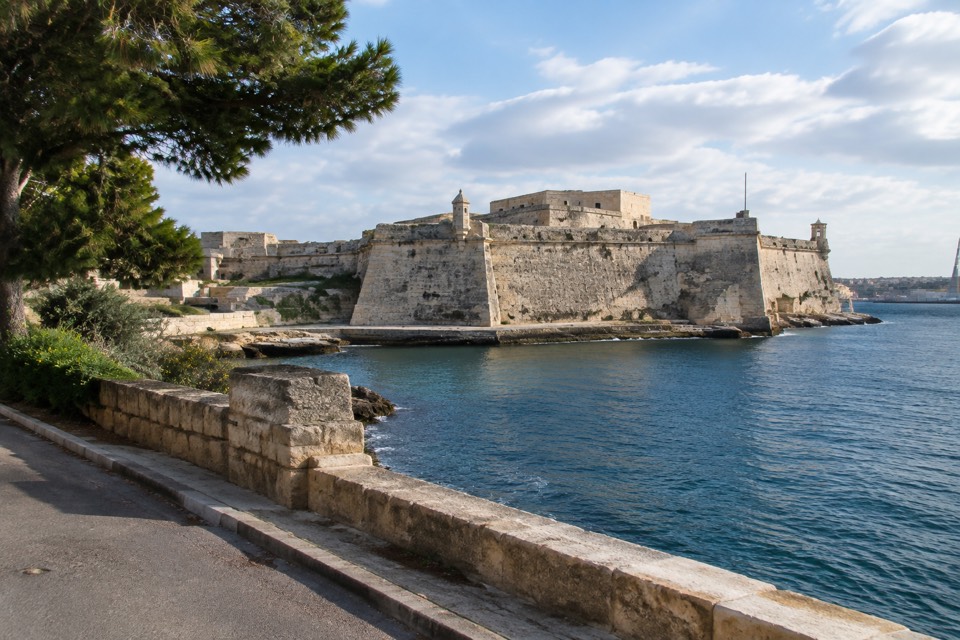
| Fort Ricasoli | Kalkara, Malta | Ancient Rome streets, Colosseum replica (1/3 scale with CGI), various Roman scenes | Private property |
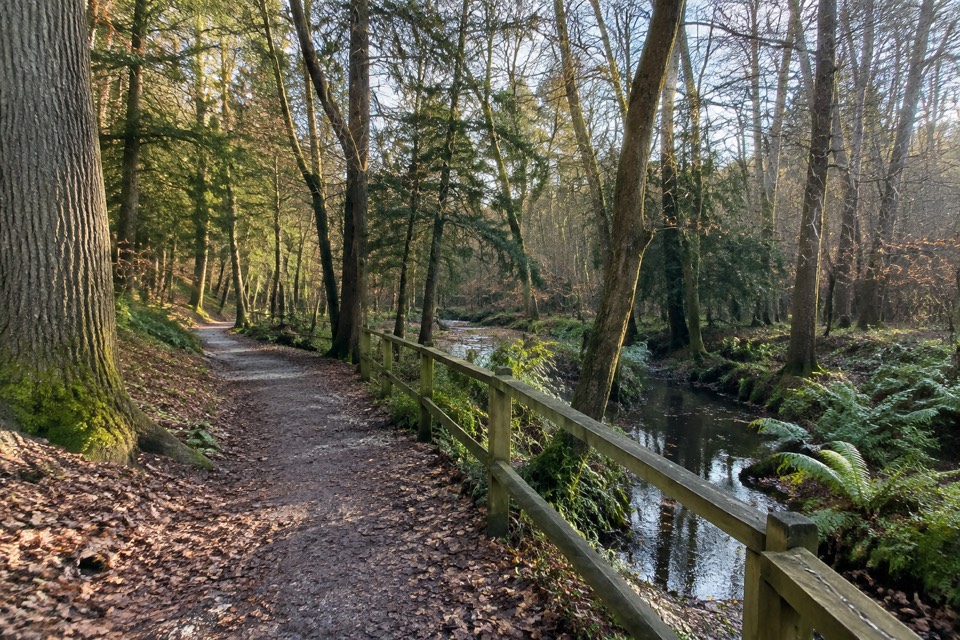
| Bourne Wood | Farnham, United Kingdom | Opening battle in Germania forest | Free to see |
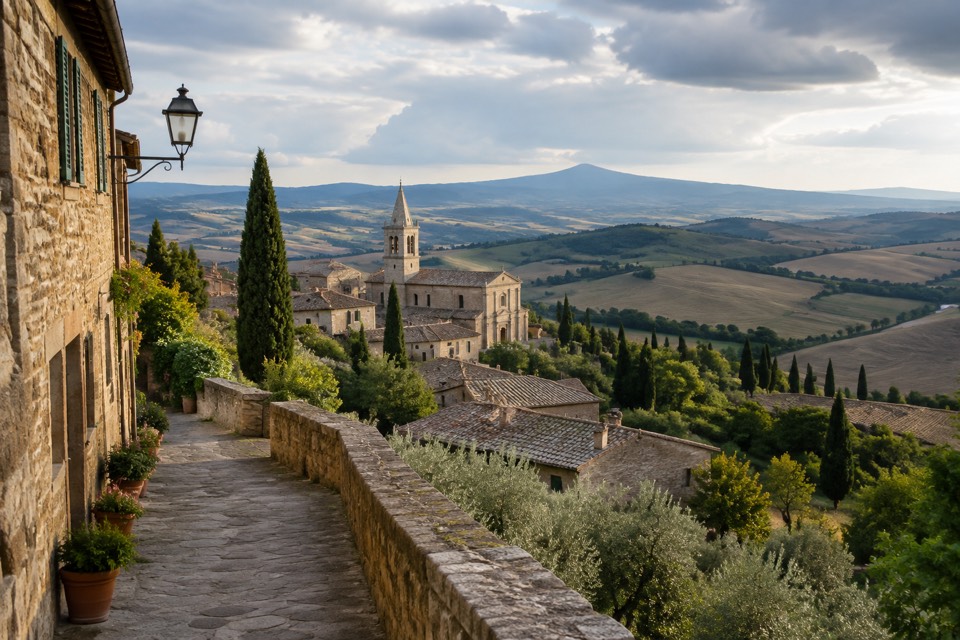
| Val d'Orcia | Pienza, Italy | Maximus' home and Elysian Fields wheat field scenes | Free to see |
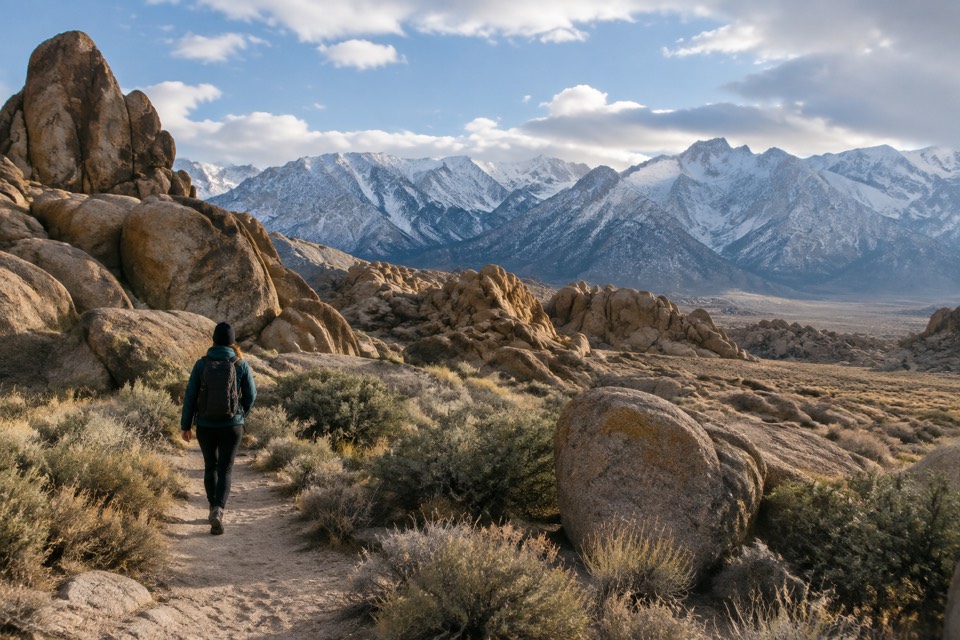
| Alabama Hills | Lone Pine, United States | Maximus' journey home scenes | Free to see |
| Ouarzazate | Ouarzazate, Morocco | Desert and provincial scenes; studio interiors | Free to see |
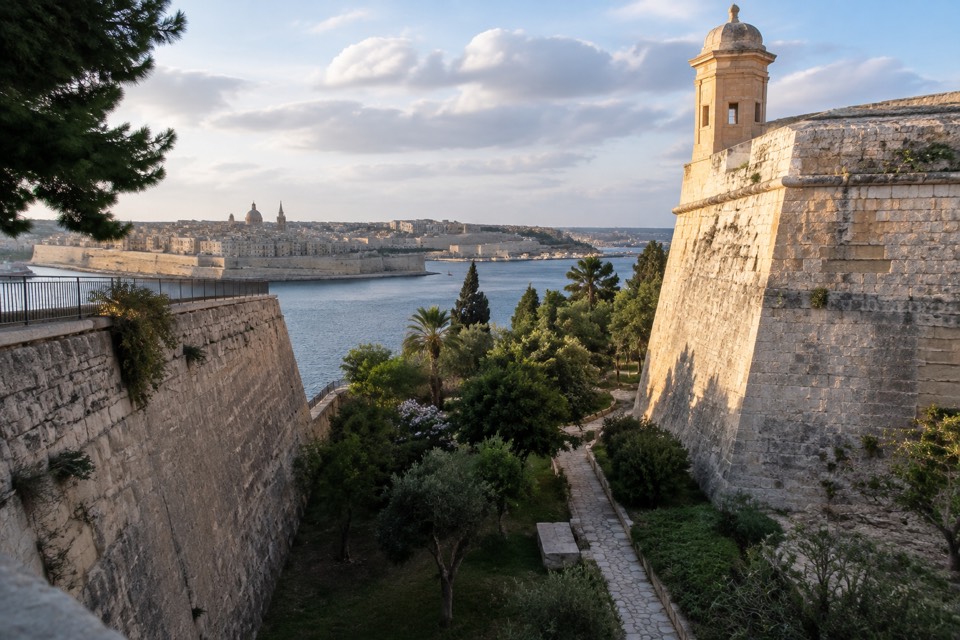
| Valletta Ditch / St. Michael's Bastion | Valletta, Malta | Rome establishing shots and street scenes | Free to see |
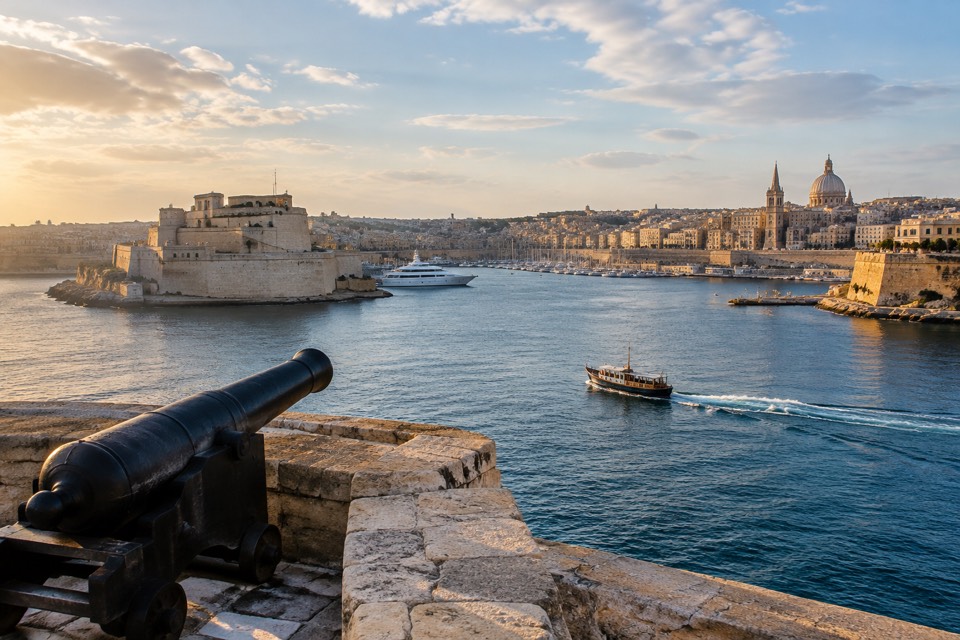
| Grand Harbour | Valletta, Malta | Wide shots of Rome and harbor scenes | Free to see |
Filming Locations Map
8 locations. The map loads when it scrolls into view.
Map data © OpenStreetMap contributors
Location By Location
The bulk of the Rome sequences were shot at this fortification in Kalkara, including a one-third scale replica of the Colosseum, completed with CGI. Set construction, including statues and roads, cost nearly $1 million. The fort is not open to the public and access is controlled by the Maltese film commission, so the practical options are viewing it from a distance or from one of the harbour cruises that pass the headland.
The film's snowy opening battle in Germania was staged in this commercial pine forest near Farnham in Surrey, which happened to be scheduled for clearance by the Forestry Commission, making the burn-and-clear sequence convenient. Today Bourne Wood is public woodland managed by Forestry England, with parking available. It is popular with walkers and has a long filming history, so visitors can wander the same rides where the Roman lines formed.
The rolling farmland around Pienza in southern Tuscany provided Maximus' home and the famous wheat field of the Elysian Fields, the image that recurs throughout the film. The Val d'Orcia is a UNESCO site of cypress-lined lanes and hilltop towns, accessible by car or by train to nearby towns. Several day tours from Florence route through the area alongside Siena, Cortona and Montepulciano, making it the easiest Gladiator location to fold into a wider Tuscan itinerary.
The twisted rock formations at Lone Pine in California stood in for part of Maximus' journey home. The area is managed by the Bureau of Land Management with free public access, and its dramatic granite arches against the Sierra Nevada have drawn filmmakers for a century. Hiking and photography are the main draws, and Mobius Arch framing Mount Whitney is the signature shot. Road access from the town of Lone Pine makes this an easy half-day stop.
The desert gateway town of Ouarzazate hosted Gladiator's desert and provincial scenes along with studio interiors shot nearby. It serves as the practical base for reaching Aït Benhaddou and the wider desert country of the Drâa-Tafilalet region, and Atlas Studios on its outskirts offers tours of its sound stages and sets. Most visitors arrive by road from Marrakech over the Tizi n'Tichka pass and stay at least one night.
Parts of the Rome street scenes and establishing shots were filmed among the historic fortifications of Valletta, including the ditch below St. Michael's Bastion. The bastions are fully public and sit at the heart of the capital, so they turn up naturally on city walking tours. Visitors exploring Valletta's grid of baroque streets will pass within metres of camera positions without needing any special arrangement.
Wide shots of Rome and harbour scenes used the Grand Harbour, the deep natural inlet that made Malta attractive to the production in the first place. The harbour views are among the most photographed in the country, accessible on foot along the waterfront or by ferry crossing between Valletta and the Three Cities. A harbour cruise doubles as a way to see Fort Ricasoli from the water.
Where It Is Set Versus Where It Was Filmed
The story unfolds across the Roman Empire, in Italy, Spain, Germania and North Africa, but almost every frame was shot elsewhere. Malta doubles for Rome, Morocco for the North African province, an English forest for Germania, Tuscany for Maximus' farm, and the Alabama Hills in California for his journey home. Studio interiors were completed at Shepperton in England and Atlas Studios in Morocco.
The Studio Side
Two studios supported the production. Atlas Corporation Studios in Ouarzazate, Morocco, is visitable and runs its own studio tours, making it a natural pairing with a trip to Aït Benhaddou. Shepperton Studios in the United Kingdom is not open to the public. The Fort Ricasoli backlot work in Malta functioned as a third studio site, though it too is closed to visitors.
Tours That Visit These Locations
No dedicated Gladiator tour exists, but a handful of day trips pass through the Val d'Orcia, where the wheat field scenes were filmed. These are general Tuscan tours that include the region among their stops.
Small-Group Minivan Tour, Max 8
Siena, Cortona, Montepulciano & Val D'Orcia: Minivan Tour, Max 8
The same four-stop route, Siena, Cortona, Montepulciano and the Val d'Orcia, run as a minivan tour capped at eight passengers. It has drawn 139 reviews and appeals to those who prefer a smaller vehicle and a tighter group for a long day on winding country roads.
From Florence, Hill Towns Day Trip
From Florence: Siena, Cortona, Montepulciano & Val D'Orcia
A full-day excursion from Florence through Siena, Cortona and Montepulciano that finishes in the Val d'Orcia, the landscape behind Maximus' farm and the Elysian Fields. With 59 reviews booked to date, it suits travellers who want the Gladiator scenery wrapped into a classic Tuscan circuit.
Frequently Asked Questions
Can You Visit The Colosseum Set From Gladiator?
Not directly. The one-third scale replica stood at Fort Ricasoli in Malta, which is privately controlled and closed to the public. It was demolished after filming, and the completed Colosseum seen on screen was finished with CGI. Harbour cruises from Valletta offer the best view of the fort itself.
Was Any Of Gladiator Filmed In Rome?
No. Although the story is set largely in Rome, none of the city sequences were filmed there. Malta stood in for the capital, with Fort Ricasoli and Valletta's fortifications providing the streets and establishing shots.
Where Is The Wheat Field In Gladiator?
The Elysian Fields wheat field and Maximus' farm were filmed in the Val d'Orcia near Pienza in Tuscany, Italy. The area is a UNESCO site of working farmland and rolling hills, reachable by car or train to nearby towns, and it appears on several day tours from Florence.
Is Aït Benhaddou Worth Visiting?
Yes. The village is a UNESCO World Heritage Site with more than 200 film and TV credits, including Gladiator's Zucchabar slave market and arena scenes. Local guides are available on site, and visitors cross to the ksar by footbridge or river crossing depending on the season.
Where Was The Opening Battle Filmed?
The Germania forest battle was shot at Bourne Wood near Farnham in Surrey, England. It was a commercial pine forest scheduled for clearance, which suited the production's need to burn it. The wood is now public Forestry England land with parking, popular for walks.
Did Gladiator Film In The United States?
Yes, briefly. The Alabama Hills near Lone Pine, California, stood in for part of Maximus' journey home. The area is free to access and managed by the Bureau of Land Management, with hiking trails among the rock formations.
Gladiator's geography is happily scattered. A single trip can cover the Surrey forest and the Val d'Orcia's wheat fields, while a Moroccan itinerary pairs Aït Benhaddou with the Atlas Studios tours in Ouarzazate. Malta rewards the persistent, since Fort Ricasoli stays off limits but Valletta's fortifications, the Grand Harbour and the viewing cruises that pass the Colosseum site are all within a day's walking and sailing.