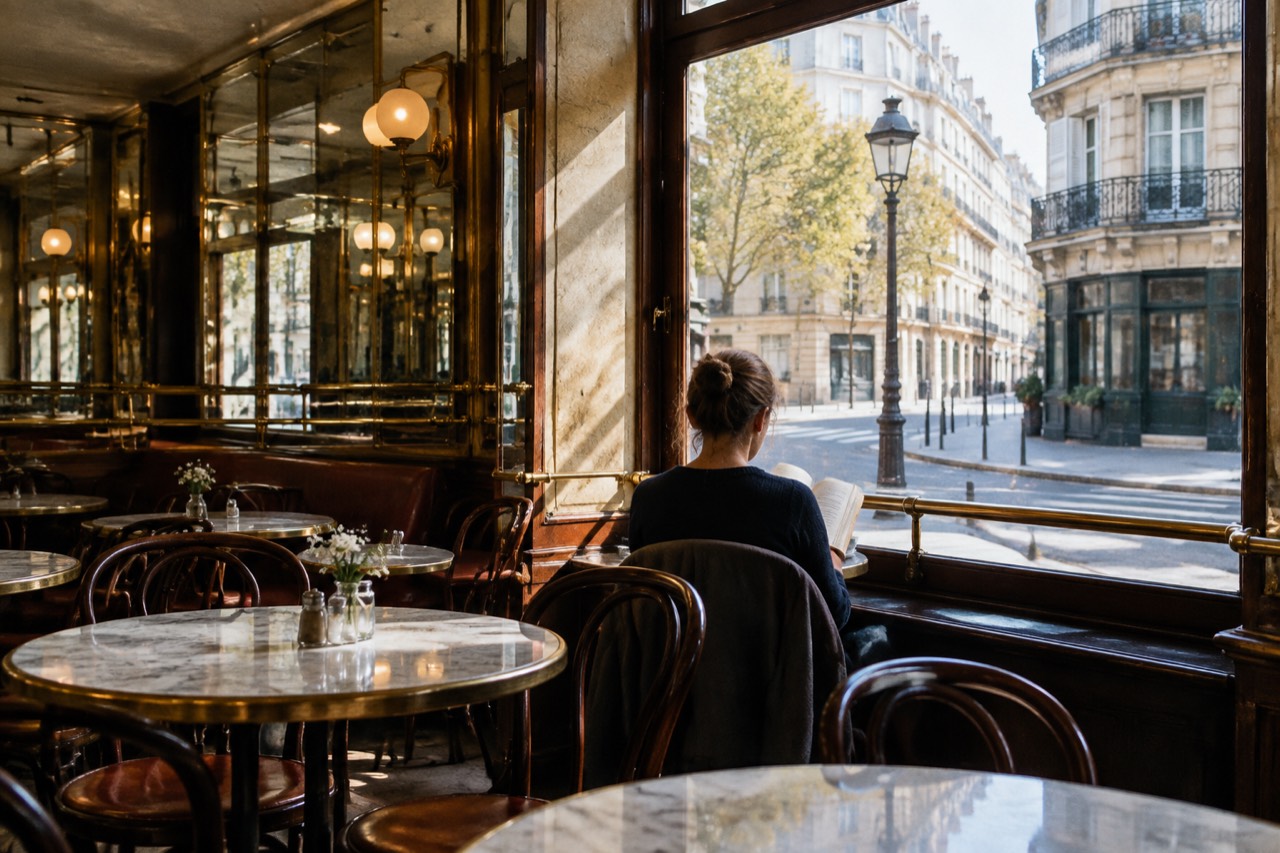
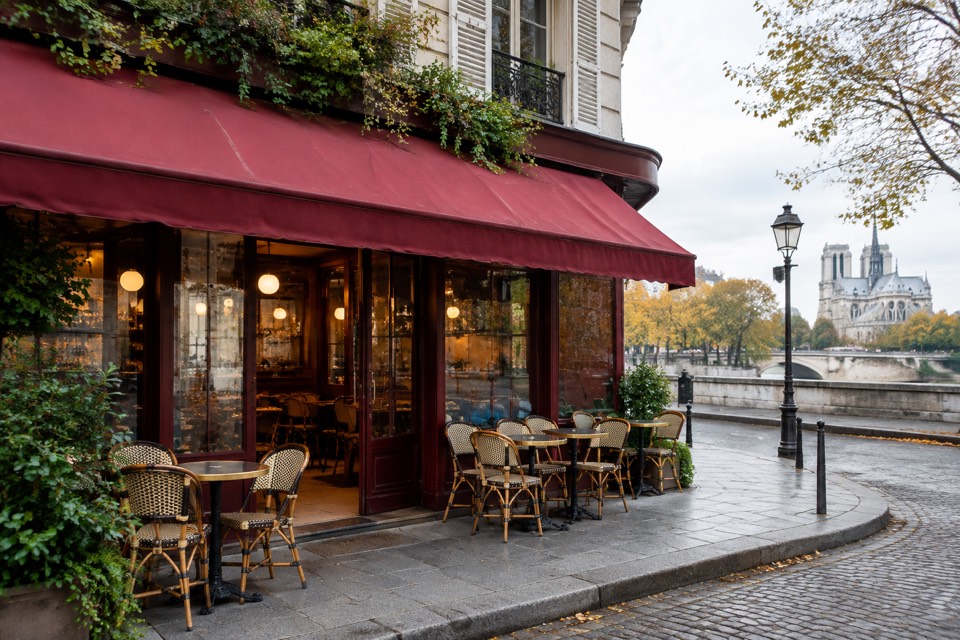
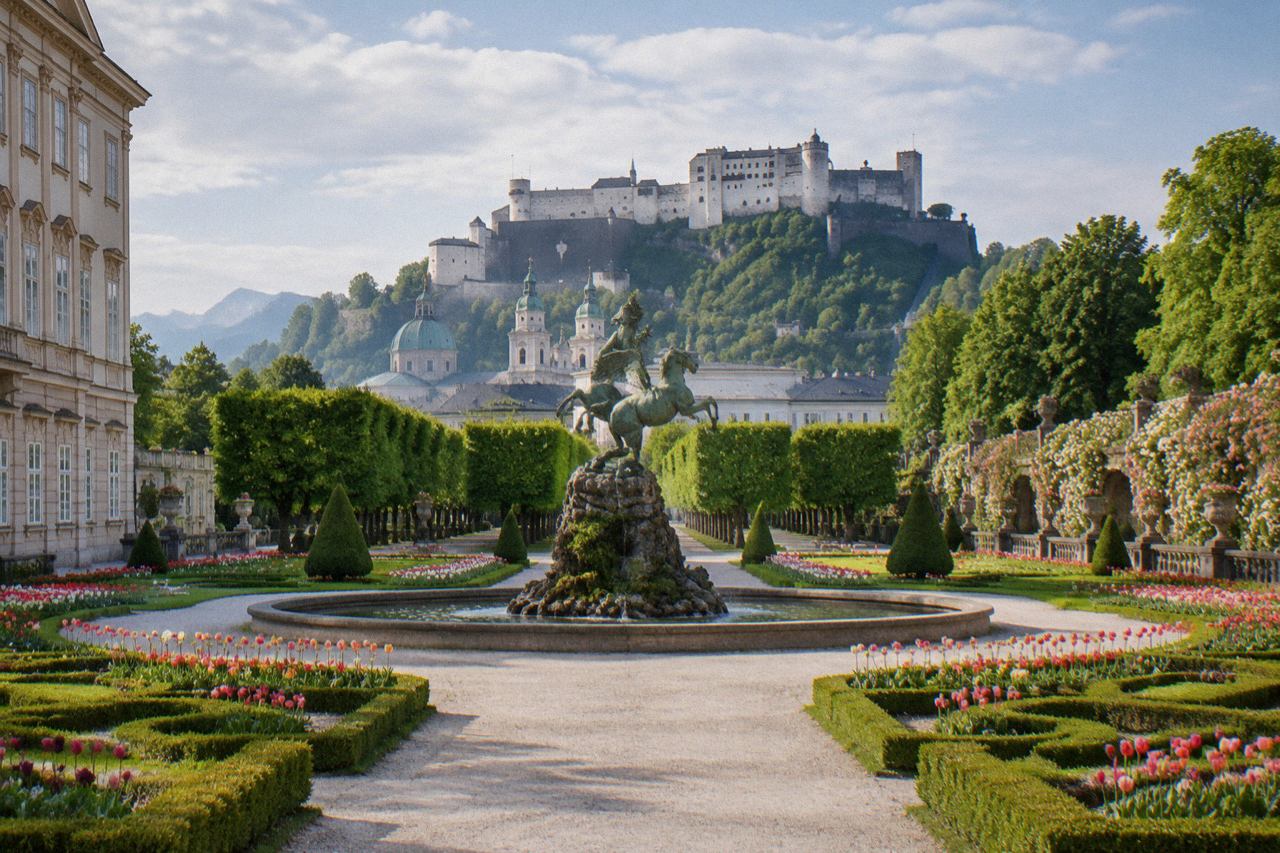
This is the only genuine French location in the film. Shosanna reads at a table here when Frederick Zoller approaches her, in the scene that reignites the film's central cat-and-mouse dynamic. Tarantino chose the bistro because it had remained unchanged since appearing in a 1984 film he admired. It still operates as a restaurant and looks much as it did on camera, so visitors can simply book a table in the Île-de-France capital.
The Short Answer
Inglourious Basterds was mainly filmed in Germany at Studio Babelsberg in Potsdam and various sites around Berlin and Saxony. The sole authentic French location is a bistro in Paris. Filming ran from October 9, 2008 in Bad Schandau until February 6, 2009, with sets built at Babelsberg and a former chemical plant near Berlin standing in for occupied France.
Inglourious Basterds takes place in Nazi-occupied France, yet almost every frame was shot in Germany. Quentin Tarantino and his production team rebuilt wartime France across studio lots in Potsdam, a Saxon market town, a fort on Berlin's edge, and one untouched Parisian bistro.
Filming began October 9, 2008, in Bad Schandau and wrapped on February 6, 2009. Several locations can be visited today, from public streets and a working restaurant to guided tours of the world's oldest large-scale film studio.
Every Location At A Glance
| Location | Where | What was filmed | Access |
|---|---|---|---|
| Bistrot La Renaissance | Paris, France | Shosanna reading in the bistro when approached by Frederick Zoller | Free to see |
| Fort Hahneberg | Berlin, Germany | Basterds interrogating and scalping Nazis in wooded ravine | Ticketed |
| Studio Babelsberg | Potsdam, Germany | Cinema interior and exterior sets, many interiors | Ticketed |
| Görlitz Untermarkt Town Hall | Görlitz, Germany | Scenes from the film-within-the-film 'Nation's Pride' | Free to see |
| Hertigswalde road near Sebnitz | Sebnitz, Germany | Lapadite farmhouse exterior (set) | Outside only |
| Former chemical plant Rüdersdorf | Rüdersdorf, Germany | Cinema interior for fire scenes | Private property |
| Krampnitz Barracks | Potsdam, Germany | Meeting with General Fenech and Churchill | Private property |
| Neue Straße 29 | Nauen, Germany | La Louisiane bar exterior | Outside only |
Filming Locations Map
8 locations. The map loads when it scrolls into view.
Map data © OpenStreetMap contributors
Location By Location
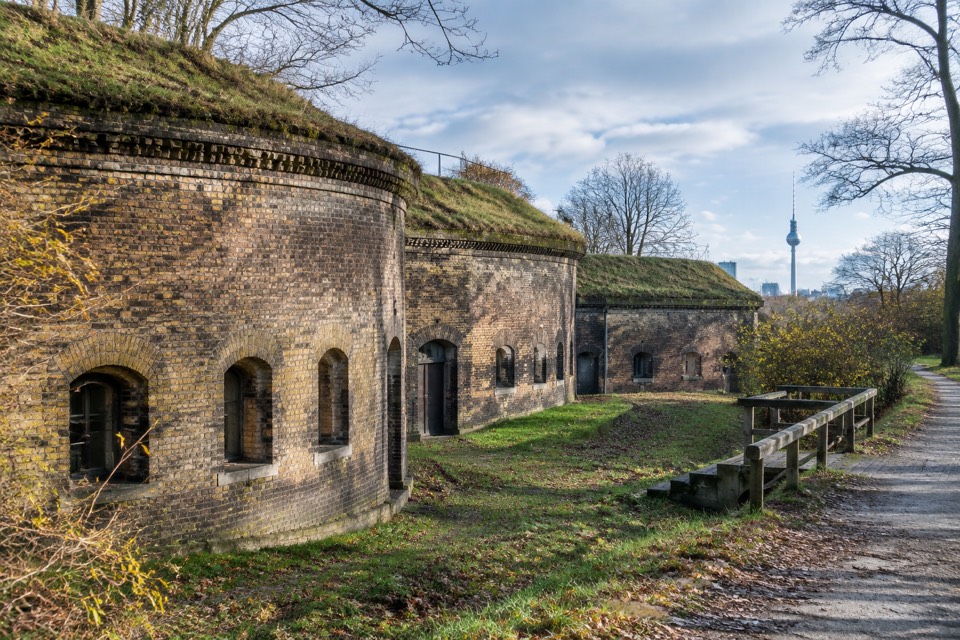
The Basterds interrogate and scalp Nazis in a wooded ravine at this fort on Berlin's western edge. Built in 1888, the fort was never used for military purposes and served as no-man's-land during the Cold War, which helped preserve its raw character. Access is ticketed, and guided tours run from April to October, making it one of the more atmospheric stops for film fans visiting Berlin.
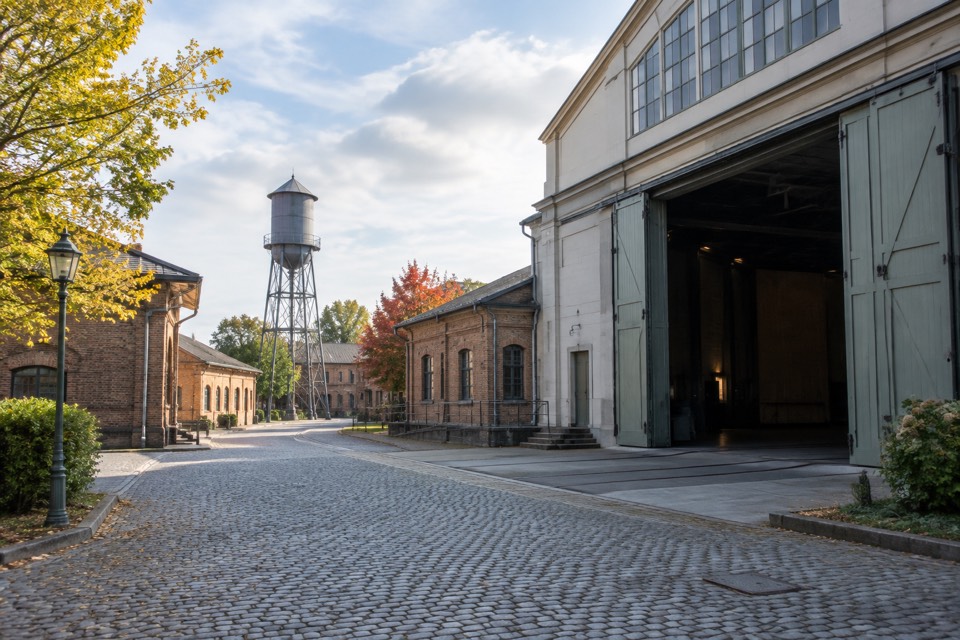
The heart of the production. The cinema Le Gamaar, both its interior and exterior, was entirely constructed on stages here, along with many other interiors. Located in Potsdam, the studio is ticketed and runs public tours that cover more than a century of German film history, so visitors can stand where Tarantino's production built its centerpiece sets. It remains a working studio, one of the oldest large-scale facilities in the world.
Görlitz stands in for the film-within-the-film, with scenes from the propaganda feature Nation's Pride shot around the Untermarkt town hall in Saxony. The production closed the town hall for four days during filming. Today the town hall area is fully public and easy to wander, and Görlitz's preserved historic core makes it a rewarding stop for anyone tracing the movie through eastern Germany.
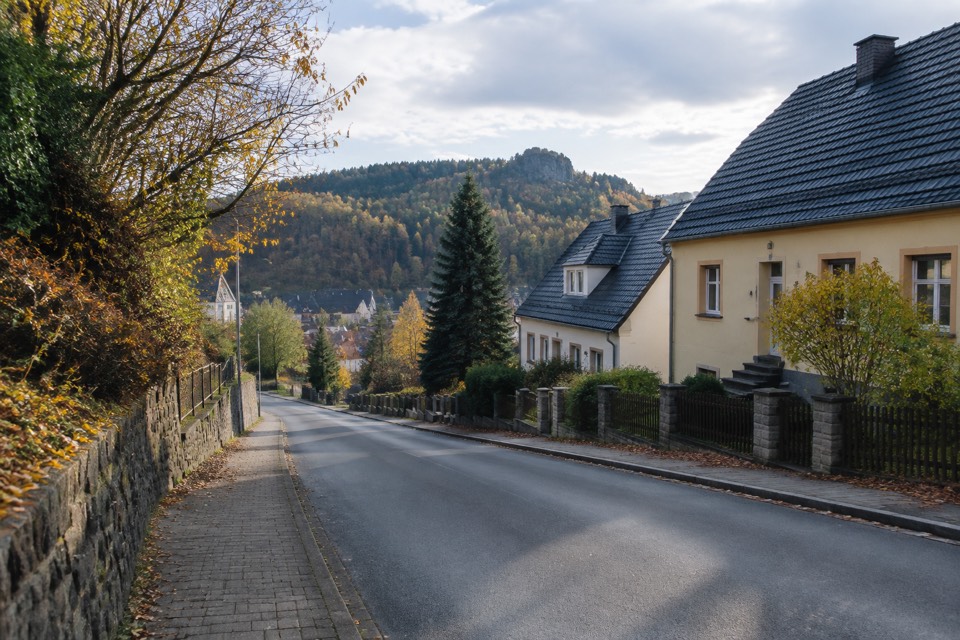
The opening farmhouse of Perrier LaPadite, where Colonel Landa interrogates the dairy farmer hiding the Dreyfus family, was a purpose-built exterior set on this road near Sebnitz in Saxony. The structure stands on private property, so visitors can only view it from the road. Still, the rural Saxon landscape here matches the film's tense opening sequence almost exactly, and it costs nothing to drive past.
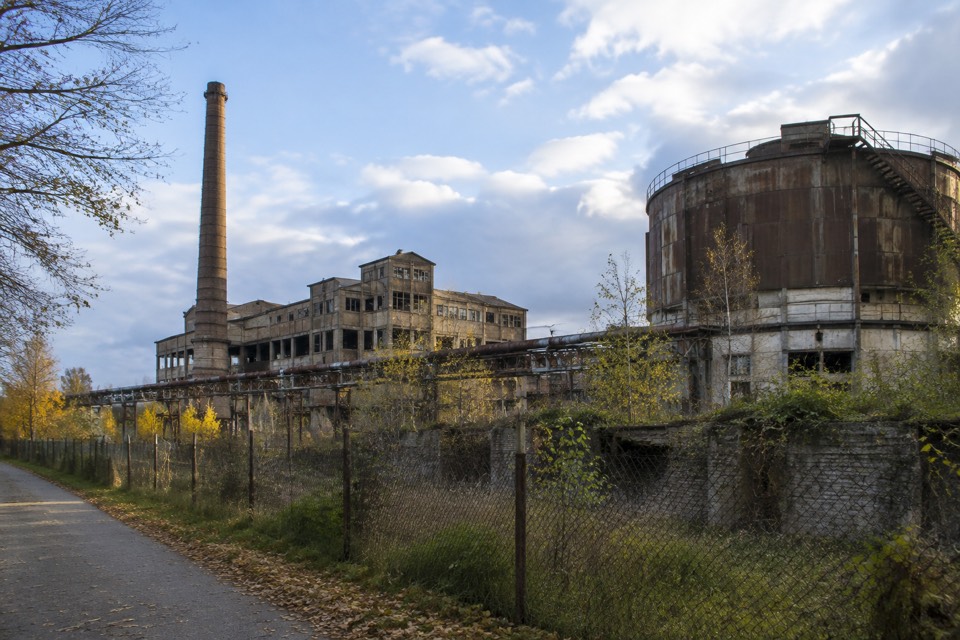
The fiery climax demanded more than studio stages could safely handle, so the burning cinema interiors were shot inside this former chemical plant in Brandenburg, east of Berlin. The cavernous industrial spaces accommodated the large-scale fire effects for Le Gamaar's destruction. The site is private and not accessible to the public, so there is no way to visit; it earns a place on the map for completeness only.
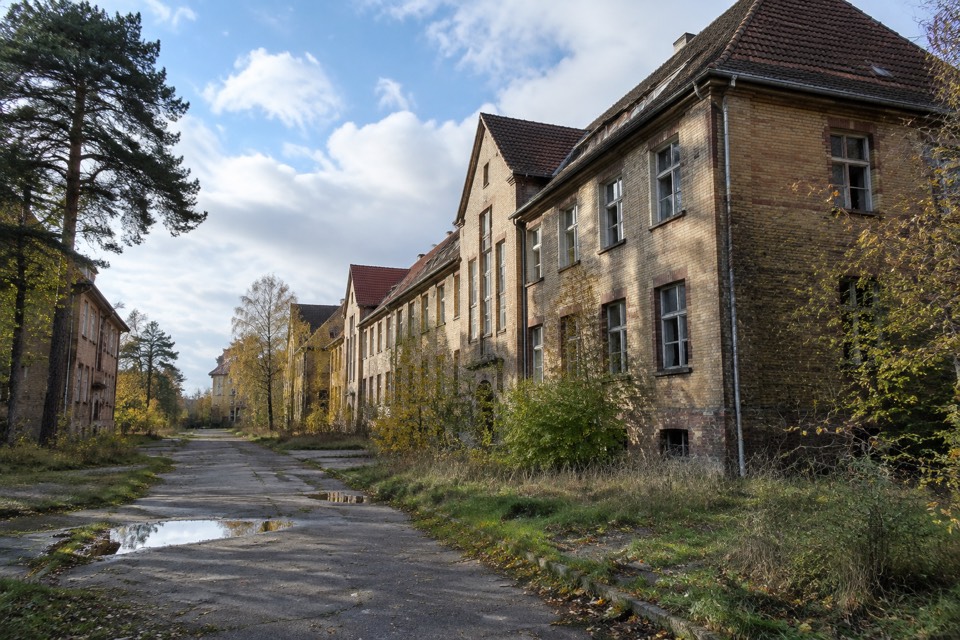
The meeting between Lieutenant Aldo Raine's handlers, General Fenech and Churchill, was filmed at this derelict barracks complex in Potsdam. The site is off-limits due to safety concerns, with no public access. Curious travellers can glimpse the abandoned buildings only from a distance. Its decaying military architecture has attracted other productions over the years, but for Inglourious Basterds fans it remains a look-but-don't-enter entry on the list.
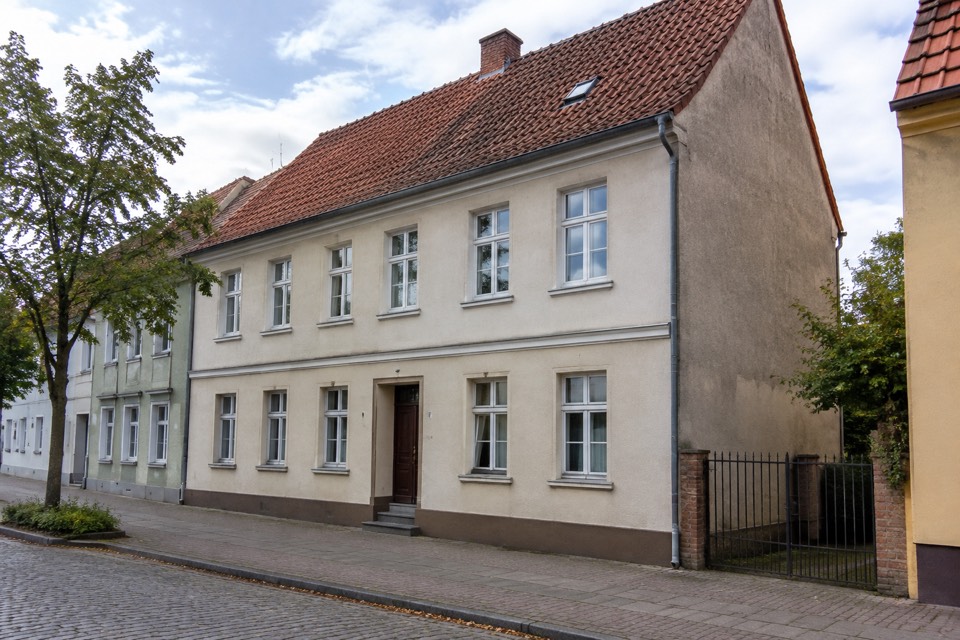
The exterior of La Louisiane, the basement tavern where a deadly game of cards and accents unravels, was filmed at this address in Nauen, Brandenburg. Only the street facade appears in the movie; the claustrophobic interior was a studio build. The building is private, so viewing is limited to the street, but fans of the film's most celebrated suspense scene will recognize the spot immediately.
Where It Is Set Versus Where It Was Filmed
The film is set in Nazi-occupied France during World War II, but nearly all of it was filmed in Germany: Studio Babelsberg in Potsdam, locations around Berlin and Brandenburg, and sites in Saxony. Just one scene used a real French location, the Paris bistro where Shosanna meets Frederick Zoller. Everything else, from French farmhouses to a Parisian cinema, was reconstructed on German ground.
The Studio Side
Studio Babelsberg in Potsdam was the production's base. The entire Le Gamaar cinema, interior and exterior, was built there, along with many other interiors. Fire scenes for the cinema's destruction were shot separately at a former chemical plant in Rüdersdorf, whose industrial scale allowed the large fire effects. Babelsberg remains a working studio and offers public tours covering its long film history.
Tours That Visit These Locations
One bookable experience connects directly to the filming: a film-history tour of the Potsdam-Babelsberg area that stops at the studio where Inglourious Basterds built its sets.
VW Bus Film Tour
Potsdam-Babelsberg: 5-Hour-Tour "Film-History" by VW-Bus
This 5-hour tour by vintage VW bus explores film history across Potsdam and includes Babelsberg Film Studio, where the Le Gamaar cinema sets stood. Rated 4.9 from 7 reviews, it suits travellers who want the studio story with broader context.
Frequently Asked Questions
Was Inglourious Basterds filmed in France?
Only partially. The sole authentic French location is Bistrot La Renaissance in Paris, where Shosanna is approached by Frederick Zoller. Everything else was shot in Germany, despite the story being set in Nazi-occupied France.
Can you visit Studio Babelsberg where the film was made?
Yes. Studio Babelsberg in Potsdam is ticketed and offers public tours. The Le Gamaar cinema and many other interiors were built on its stages.
Where is the La Louisiane tavern from the card game scene?
The exterior was filmed at Neue Straße 29 in Nauen, Brandenburg. The interior was a studio set. The building is private, so it can only be viewed from the street.
Where was the opening farmhouse scene filmed?
The LaPadite farmhouse was a purpose-built set on the Hertigswalde road near Sebnitz in Saxony. Filming actually began in this region on October 9, 2008. The site is private property and viewable from the road only.
When was Inglourious Basterds filmed?
Filming ran from October 9, 2008, in Bad Schandau until February 6, 2009, and the film was released in 2009.
Can you visit the Fort Hahneberg location?
Yes, with a ticket. Guided tours of the fort run from April to October. Built in 1888, it was never used for military purposes and sat in no-man's-land during the Cold War.
Inglourious Basterds rewards location hunters willing to cross Germany. Pair a Babelsberg studio tour in Potsdam with Fort Hahneberg near Berlin, then head south to Görlitz and Sebnitz in Saxony. Finish in Paris at Bistrot La Renaissance, the one true French location, where a meal comes with the film's most quietly menacing conversation.