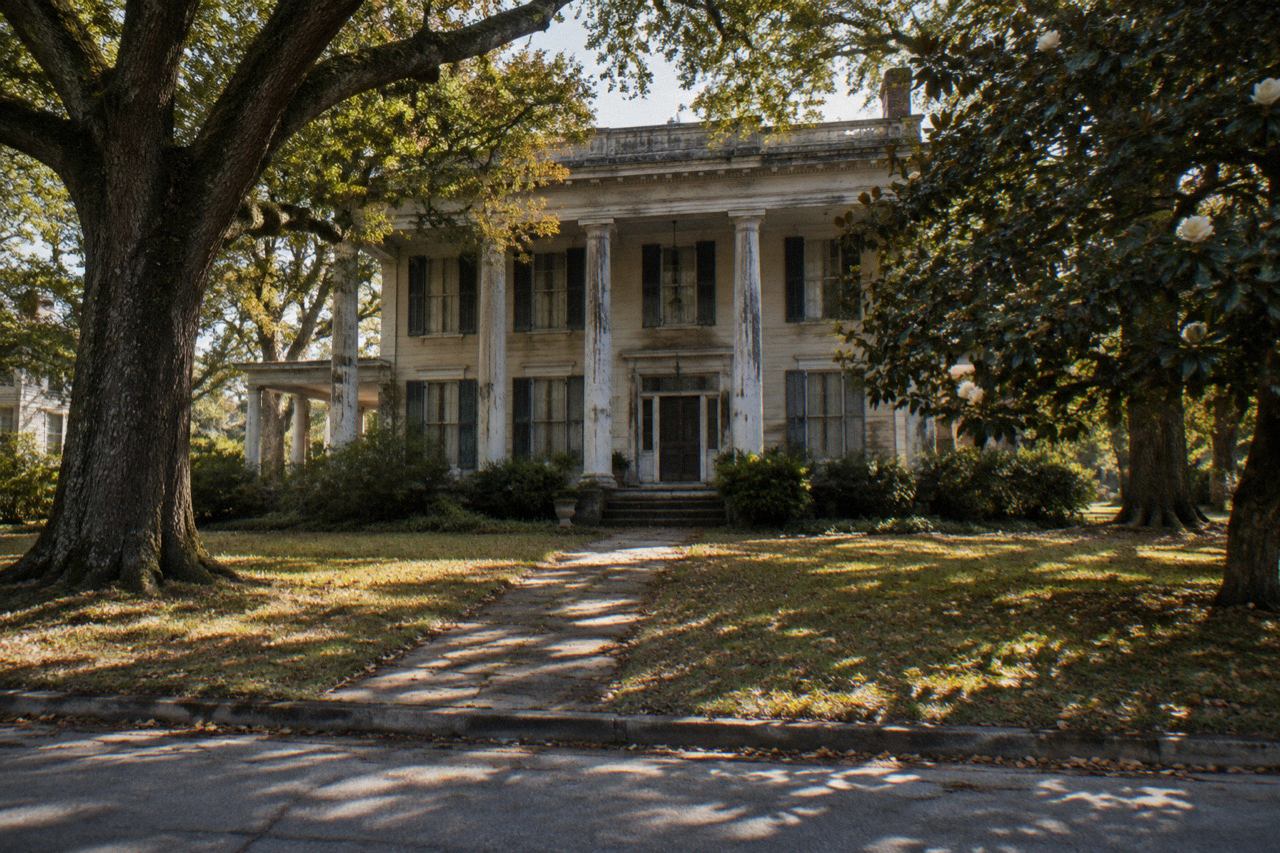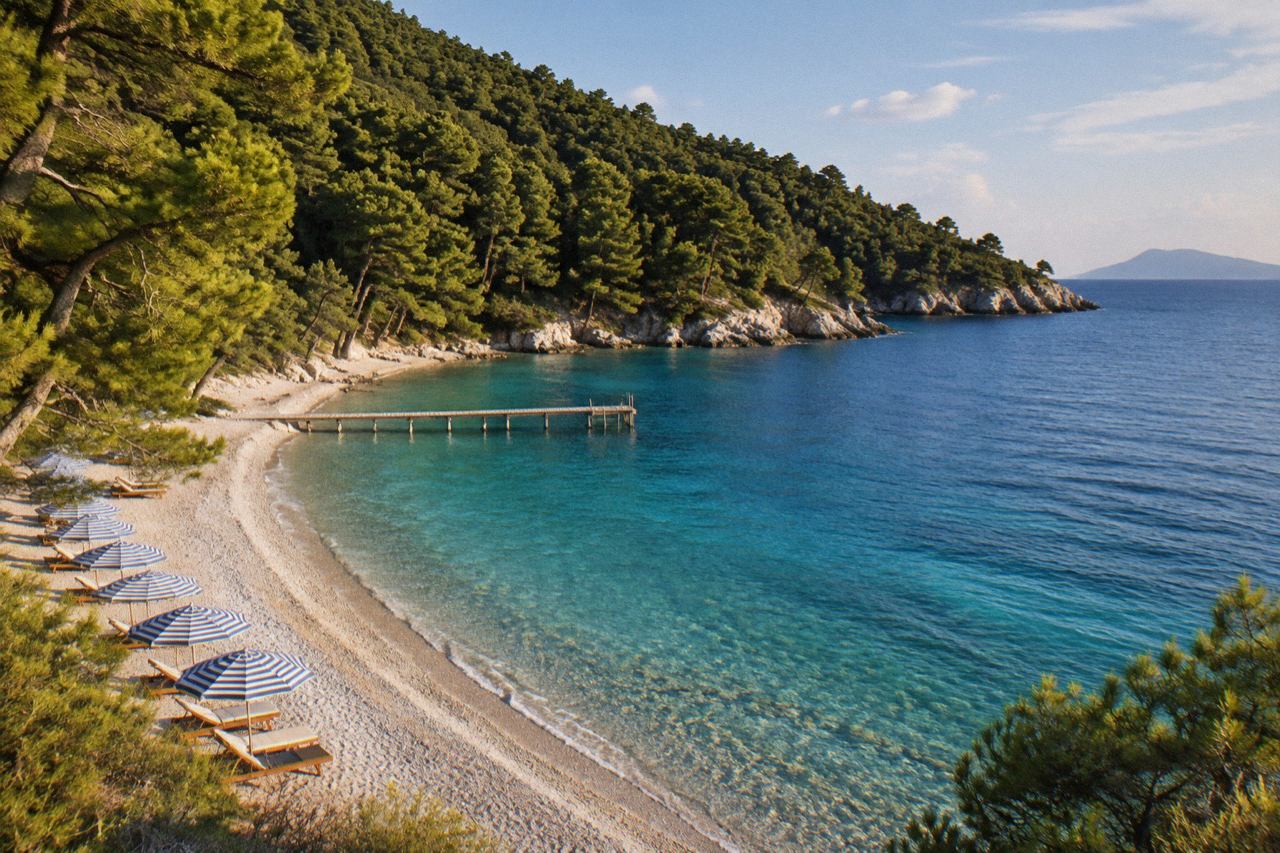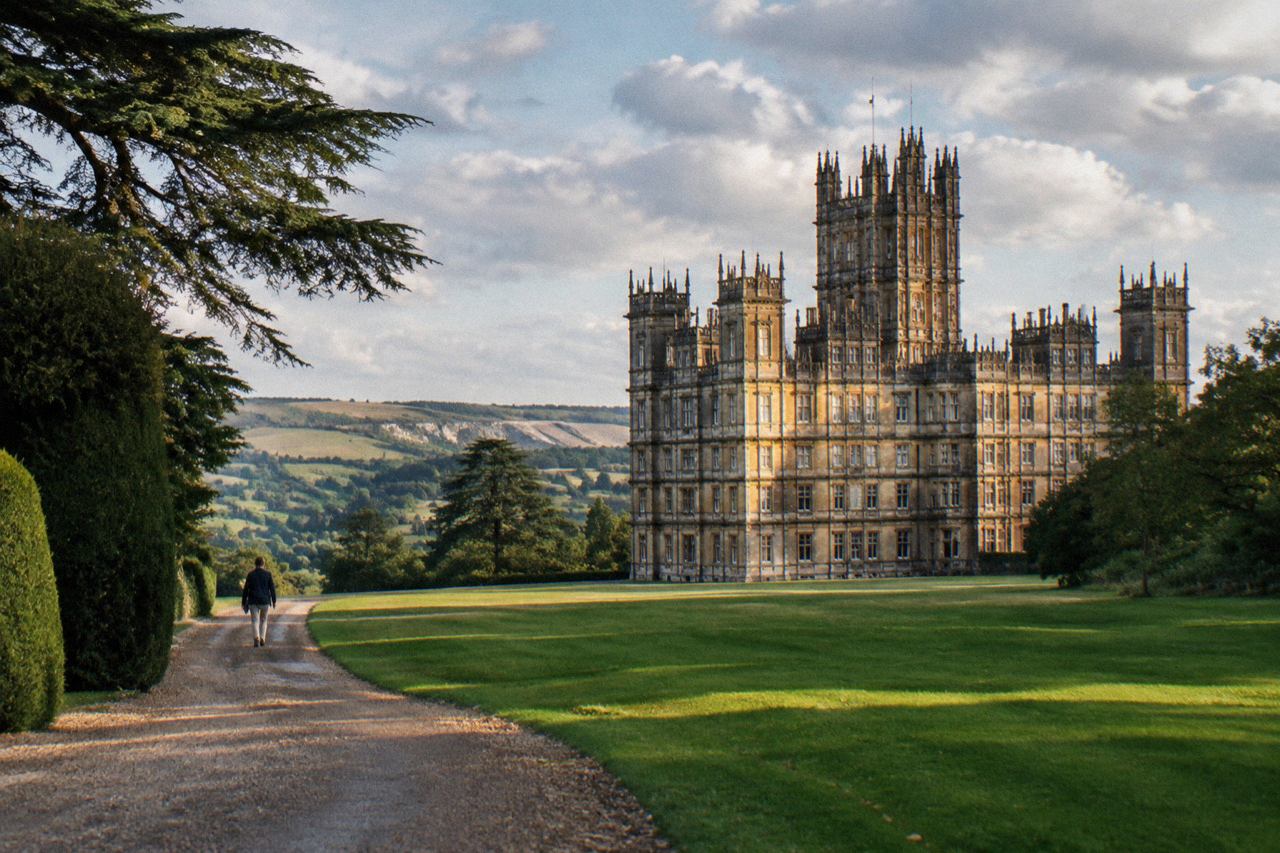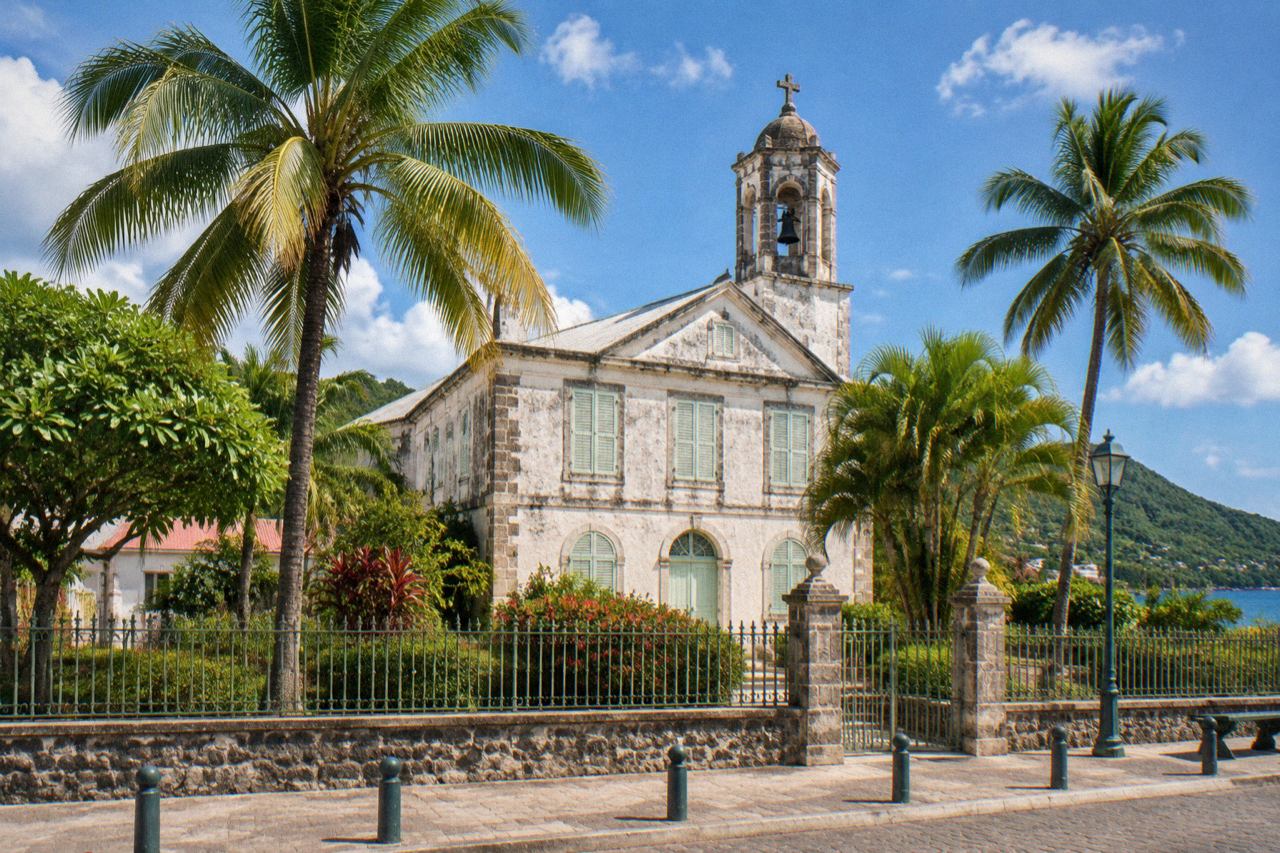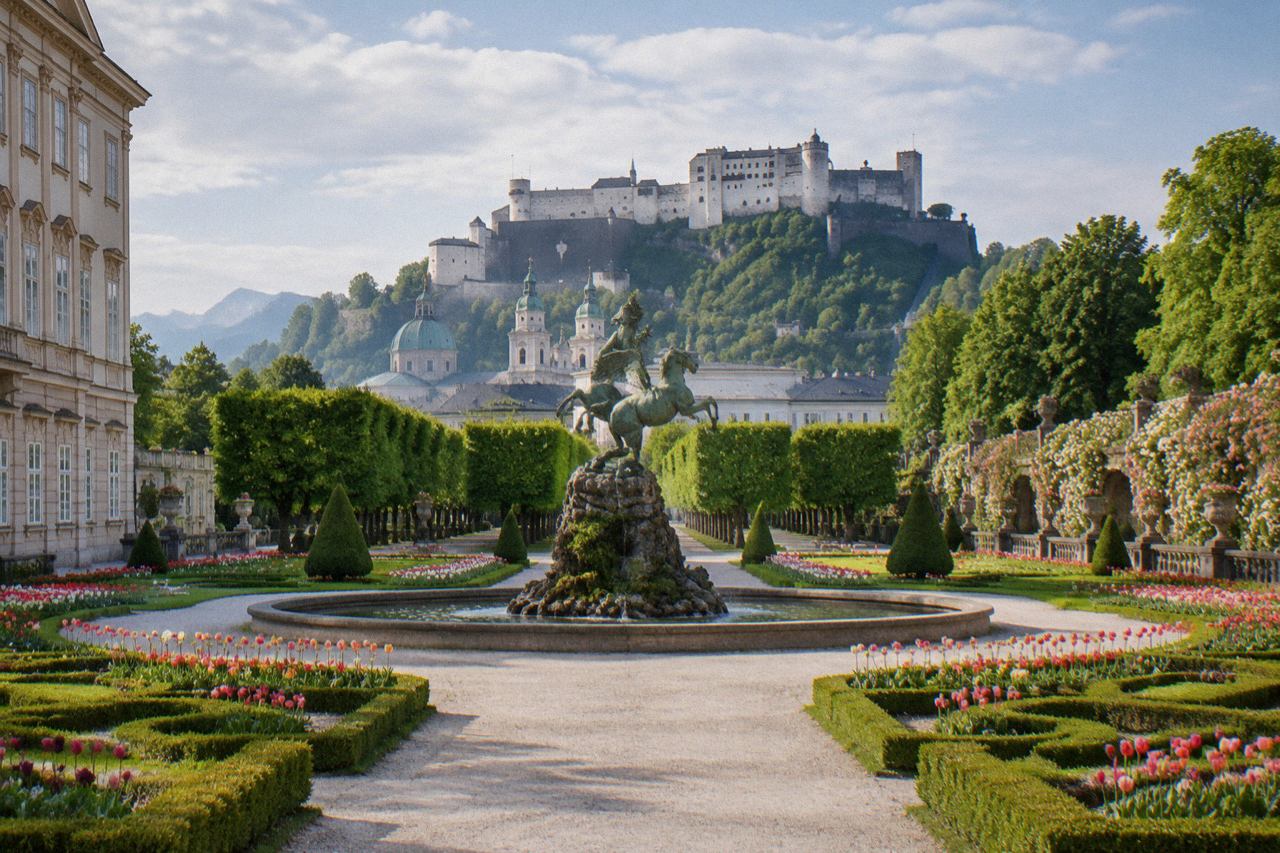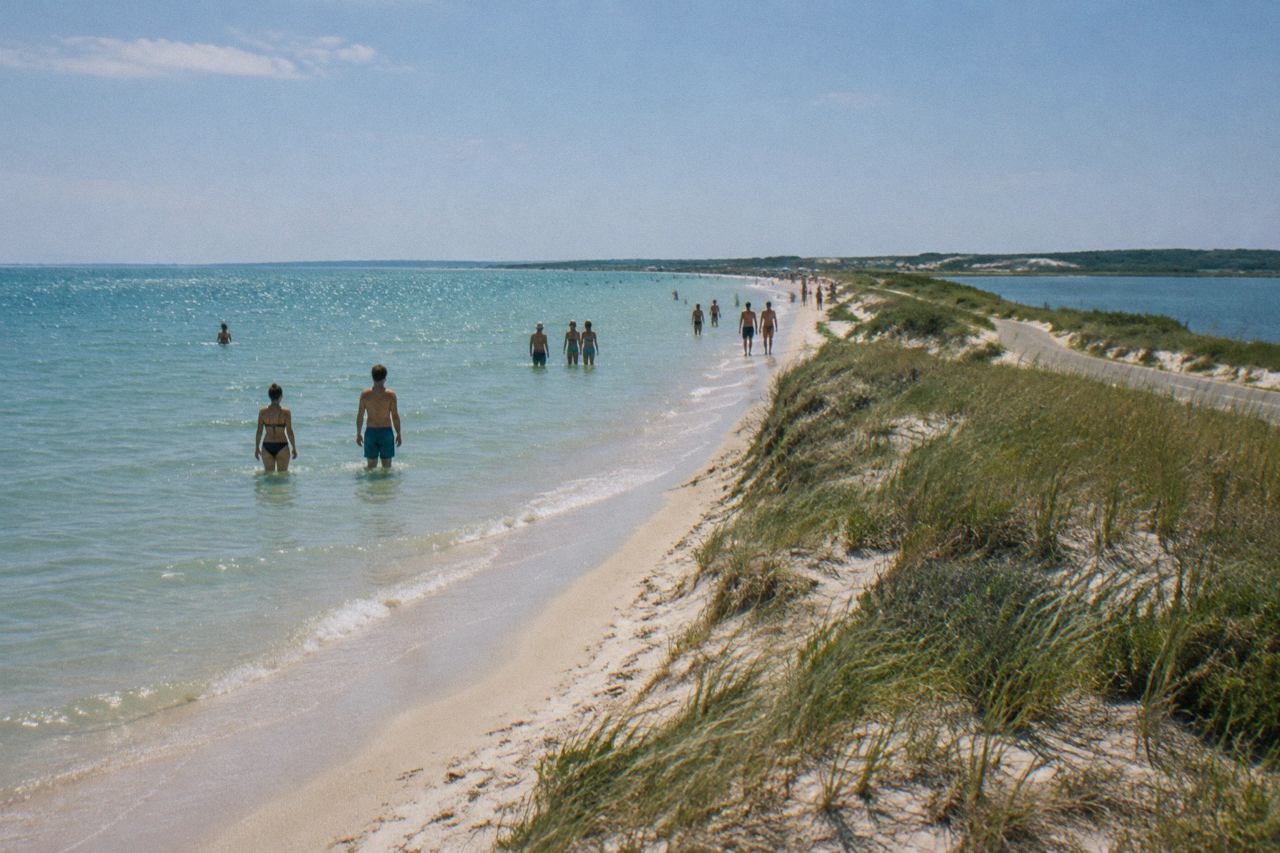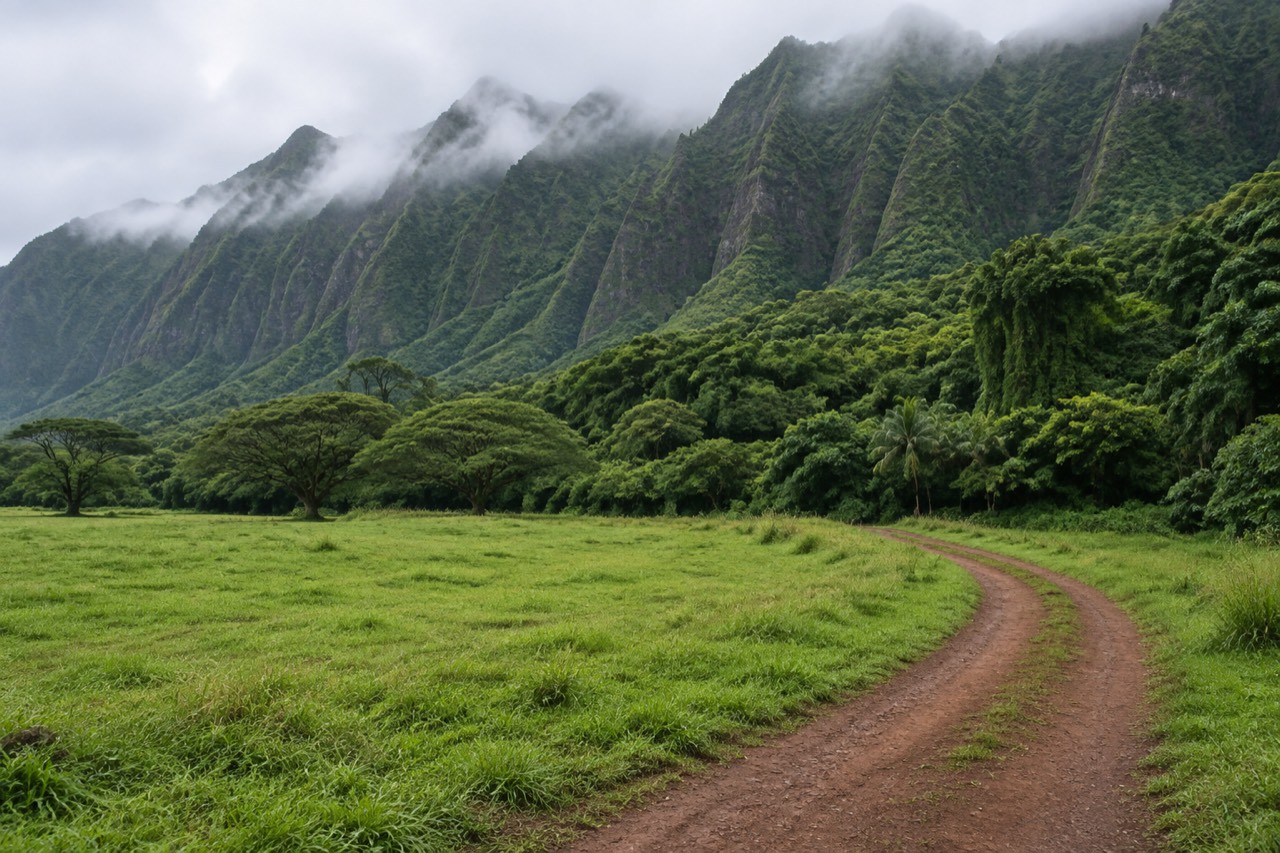
Interior and controlled-environment shooting took place at Village Roadshow Studios in Oxenford on the Gold Coast. The studio complex served as the production's base during the Australian leg of filming. It is a working studio and not open to the public, so there is nothing to tour here. Travelers can still use the Gold Coast as a base, since several outdoor locations used in the film sit within easy reach of the city.
The Short Answer
Kong: Skull Island was filmed mainly on Oahu in Hawaii at Kualoa Ranch and Dillingham Ranch, across Vietnam including Ha Long Bay, Phong Nha-Ke Bang National Park, Trang An and Tam Coc, and on Australia's Gold Coast at Village Roadshow Studios, Tamborine Mountain, Moreton Island and South Stradbroke Island. Principal photography ran from October 2015 to March 2016 across all three countries.
The 2017 film takes place on a fictional island in the South Pacific, but no single country stood in for it. Instead the production stitched together jungle, karst mountains, caves and beaches from three countries, blending location shooting with studio work in Queensland.
The mix worked in the traveler's favor. Almost every landscape seen on screen is a real place you can visit, from a working cattle ranch on Oahu to UNESCO-listed river systems in northern Vietnam.
Every Location At A Glance
| Location | Where | What was filmed | Access |
|---|---|---|---|
| Kualoa Ranch | Kaneohe / Ka'a'awa, United States | Graveyard / boneyard scenes with dinosaur remains and Skullcrawler attack | Ticketed |
| Ha Long Bay | Ha Long, Vietnam | Aerial shots of Skull Island's karst landscape and helicopter approach scenes | Free to see |
| Trang An Scenic Landscape Complex | Ninh Xuan, Vietnam | River journey and interior jungle/waterway scenes on Skull Island | Ticketed |
| Phong Nha-Ke Bang National Park | Phong Nha, Vietnam | Cave systems and karst mountain journey scenes | Ticketed |
| Dillingham Ranch | Waialua, United States | Exterior Skull Island scenes | Ticketed |
| Kalaeloa Airport | Kapolei, United States | Deck of cargo ship / expedition departure scenes | Outside only |
| Moreton Island | Moreton Island, Australia | 1944 plane crash and parachute landing scenes | Free to see |
| Tamborine Mountain | Tamborine Mountain, Australia | Jungle and rainforest scenes | Free to see |
| Tam Coc / Bich Dong | Ninh Binh, Vietnam | Boat scenes through cave-pierced karst formations | Ticketed |
| Honolulu Chinatown | Honolulu, United States | 1970s Saigon street scenes | Free to see |
Filming Locations Map
10 locations. The map loads when it scrolls into view.
Map data © OpenStreetMap contributors
Location By Location
Location 02
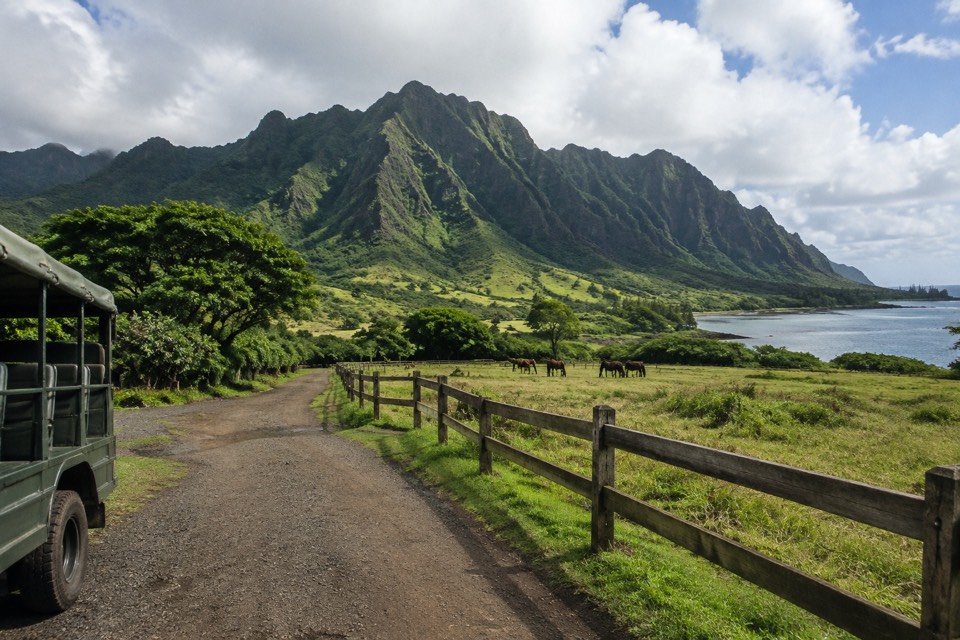
Kualoa Ranch
Oahu, Hawaii, Kaneohe / Ka'a'awa, United States Ticketed
Filmed here: Graveyard / boneyard scenes with dinosaur remains and Skullcrawler attack
The graveyard scenes, where the expedition discovers dinosaur remains and faces a Skullcrawler attack, were shot at Kualoa Ranch on Oahu's windward coast. The ranch is open to the public and runs movie site tours alongside ATV and horseback rides. It has hosted dozens of productions including Jurassic Park and Lost, making it one of the most film-friendly attractions in Hawaii. Tickets are required, and movie tours book out early in peak season.
Location 03
Ha Long Bay
Quang Ninh, Ha Long, Vietnam Free to see
Filmed here: Aerial shots of Skull Island's karst landscape and helicopter approach scenes
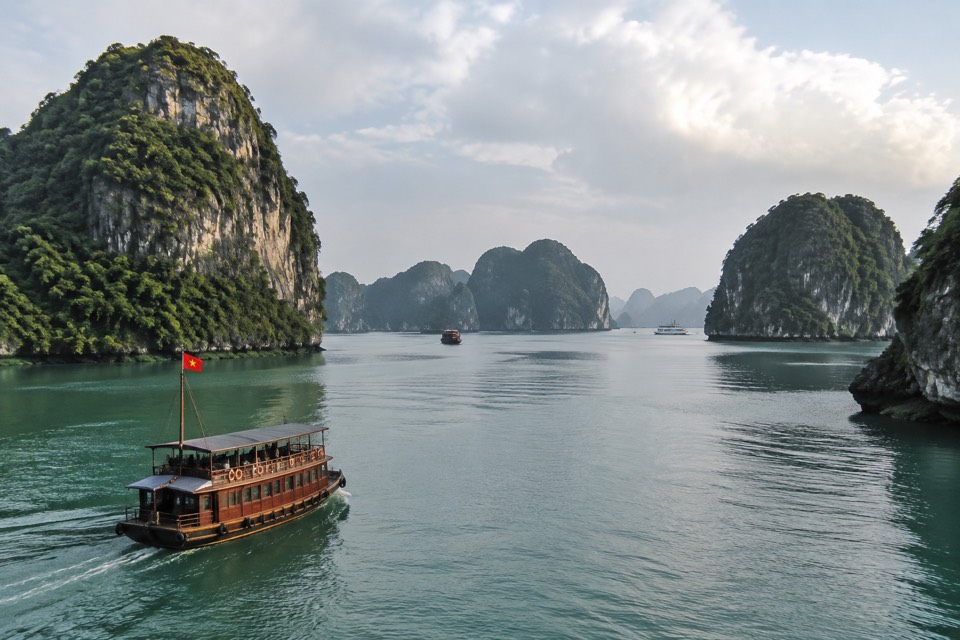
The aerial shots of Skull Island's dramatic karst landscape and the helicopter approach scenes were captured over Ha Long Bay in Quang Ninh province. The bay is a UNESCO World Heritage site and one of Vietnam's biggest tourist draws, with boat tours and cruises available year-round. No filming took place on land here, but a cruise through the same labyrinth of limestone pillars reproduces the film's opening views almost exactly.
Location 04
Trang An Scenic Landscape Complex
Ninh Binh, Ninh Xuan, Vietnam Ticketed
Filmed here: River journey and interior jungle/waterway scenes on Skull Island
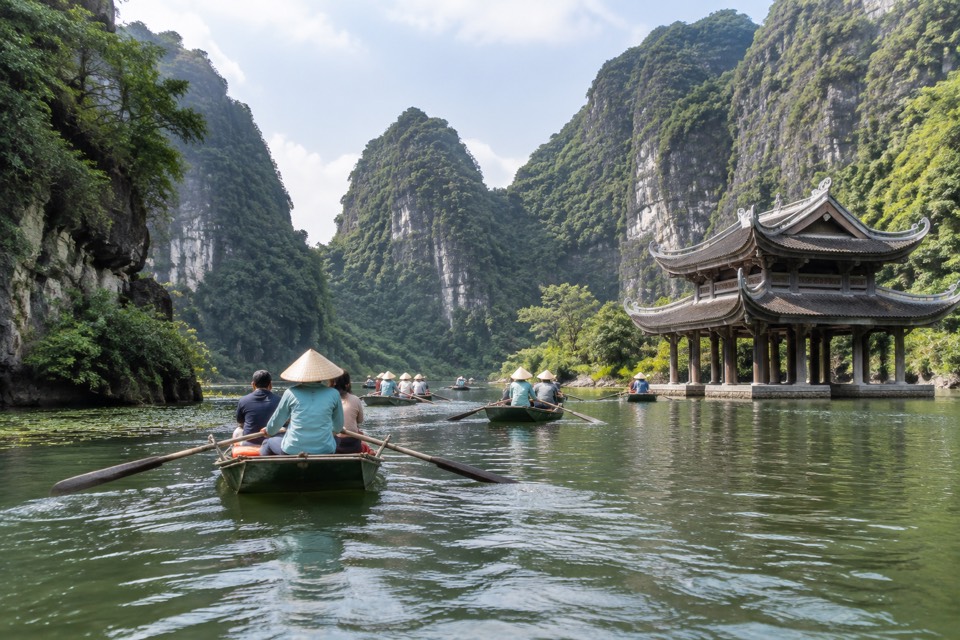
The river journey and interior jungle waterway scenes were filmed at Trang An in Ninh Binh province, a UNESCO site where sampans rowed by local guides carry visitors through cave tunnels between towering karst walls. It is a ticketed attraction with set boat routes, and it works well as a day trip from Hanoi. Of all the film's locations, this is arguably the one that looks most like Skull Island on screen.
Location 05
Phong Nha-Ke Bang National Park
Quang Binh, Phong Nha, Vietnam Ticketed
Filmed here: Cave systems and karst mountain journey scenes
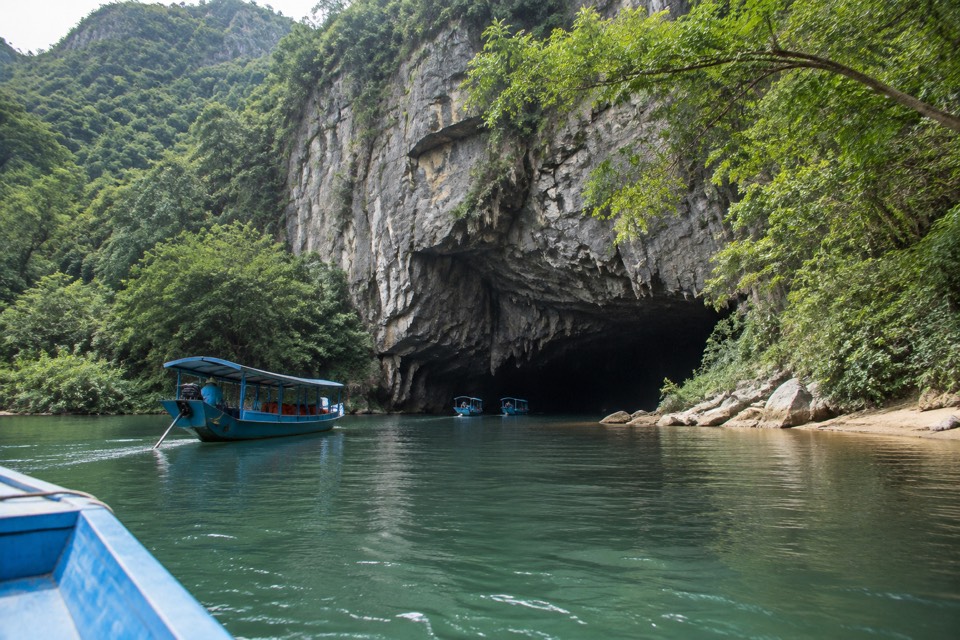
The cave systems and karst mountain journey scenes were shot in Phong Nha-Ke Bang National Park in Quang Binh province. The park is a UNESCO site offering boat tours to the caves, and it is home to Son Doong, one of the world's largest caves, where tour access is limited and sells out far ahead. Standard cave visits and park entry are easy to arrange for travelers passing through central Vietnam.
Location 06
Dillingham Ranch
Oahu, Hawaii, Waialua, United States Ticketed
Filmed here: Exterior Skull Island scenes
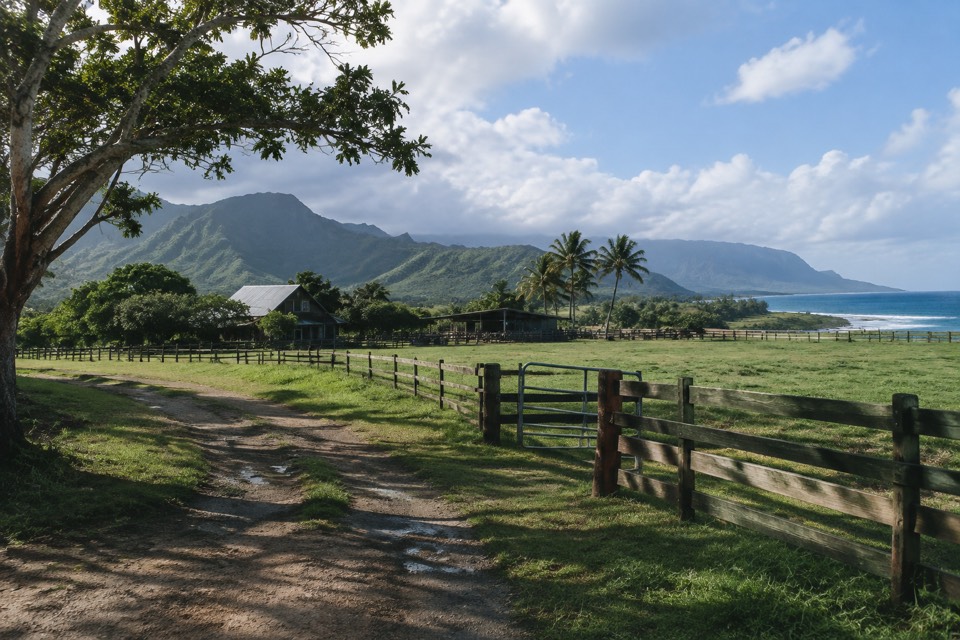
Exterior Skull Island scenes were filmed at Dillingham Ranch near Waialua on Oahu's north shore. The private ranch is a working property that is frequently used for filming and offers ticketed access through its own tours. It sits close to some of the island's best-known beaches, so a visit pairs naturally with a north shore drive. Access is more restricted than at Kualoa, so check current tour availability before going.
Location 07
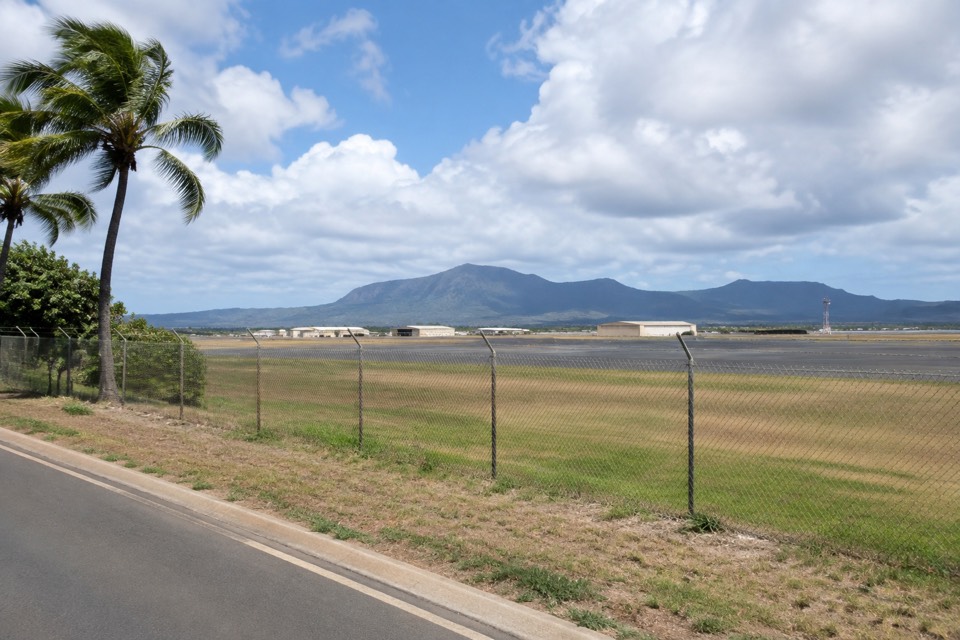
Kalaeloa Airport
Oahu, Hawaii, Kapolei, United States Outside only
Filmed here: Deck of cargo ship / expedition departure scenes
The cargo ship deck and expedition departure scenes were shot at Kalaeloa Airport in Kapolei, on Oahu's leeward side. A set was constructed on the site for filming at what remains an active airport today. There is nothing left to see from the production, and access is limited to exterior views at best. Travelers should treat this as a trivia point rather than a destination.
Location 08
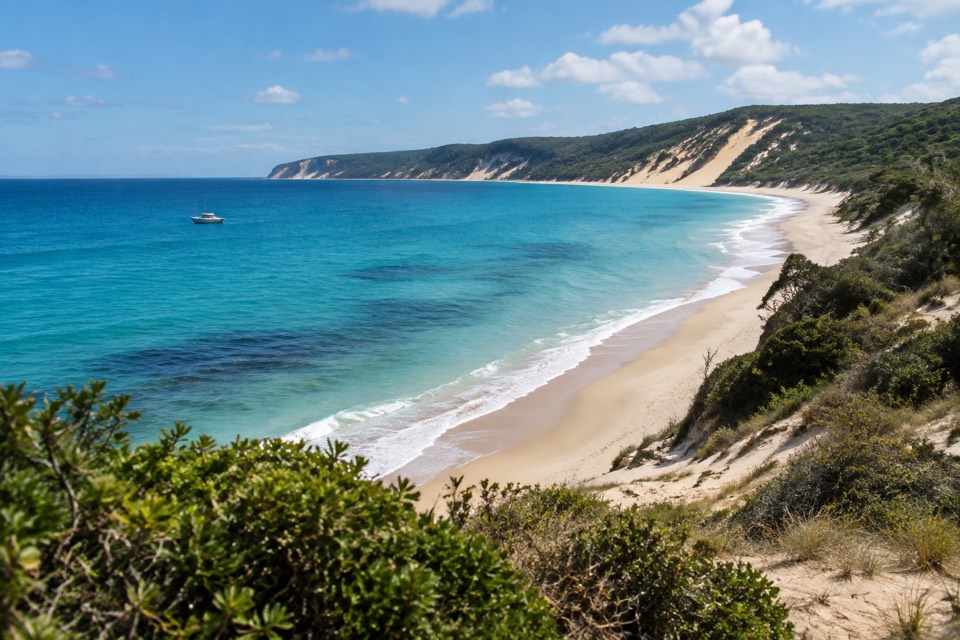
Moreton Island
Queensland, Moreton Island, Australia Free to see
Filmed here: 1944 plane crash and parachute landing scenes
The 1944 opening sequence, with the plane crash and parachute landing, was filmed on Moreton Island in Queensland. The island is reachable by ferry from Brisbane and offers beaches, 4WD tours and camping. Much of it is national park with sandy tracks and shipwreck-strewn coastline, so renting a 4WD or joining a guided tour is the practical way to explore the terrain seen in the film's prologue.
Location 09
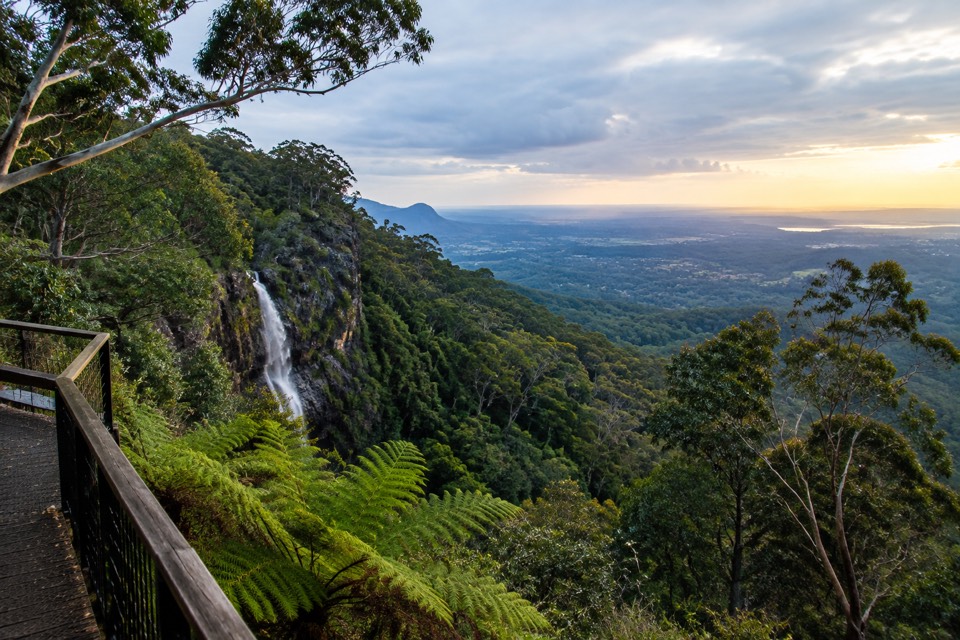
Tamborine Mountain
Queensland, Tamborine Mountain, Australia Free to see
Filmed here: Jungle and rainforest scenes
Jungle and rainforest scenes were shot in the national park on Tamborine Mountain in the Gold Coast hinterland. The park is publicly accessible with hiking trails and lookouts, and it is a common day trip from the Gold Coast. Visitors walking the rainforest paths here pass through the same kind of dense green canopy that stood in for Skull Island's interior, roughly an hour's drive from the city.
Location 10
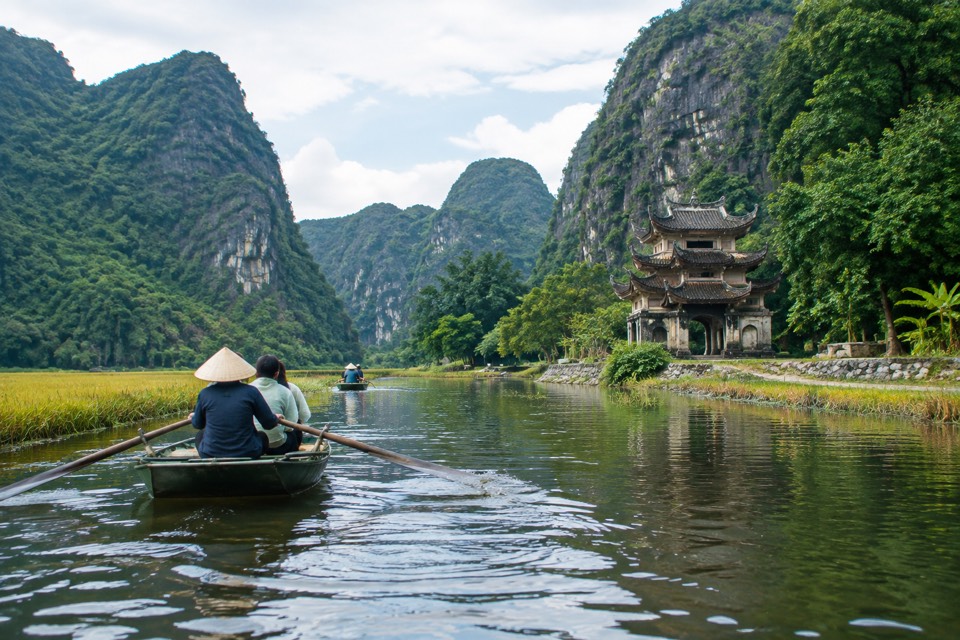
Tam Coc / Bich Dong
Ninh Binh, Vietnam Ticketed
Filmed here: Boat scenes through cave-pierced karst formations
Boat scenes threading through cave-pierced karst formations were filmed at Tam Coc and Bich Dong in Ninh Binh province. This ticketed boat tour site sits within the wider Trang An area, and many visitors combine both in a single trip. Rowers take passengers along a river hemmed by rice fields and limestone cliffs, passing through low caves in a landscape closely tied to the film's waterway sequences.
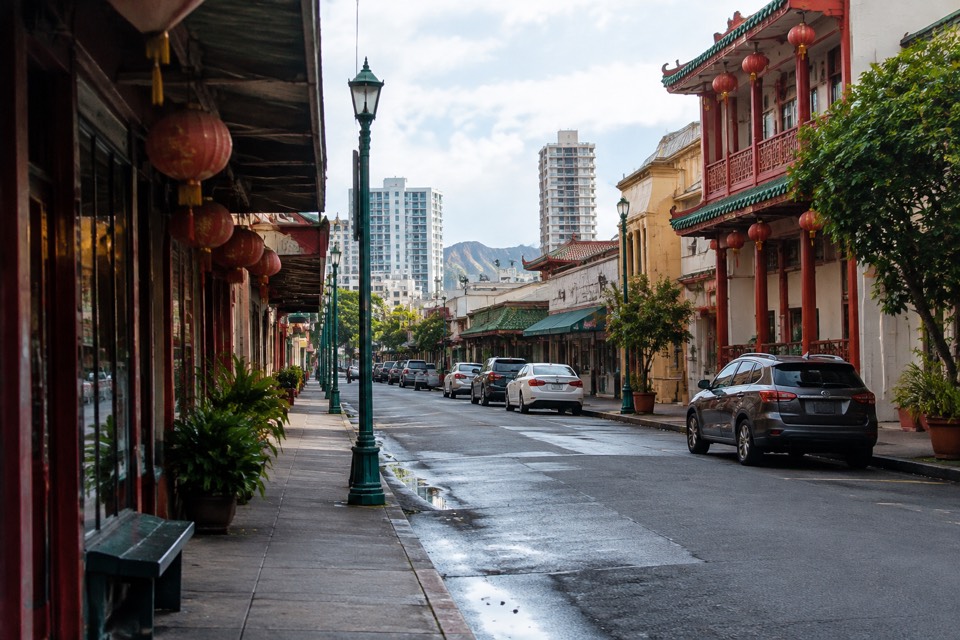
Location 11
Honolulu Chinatown
Oahu, Hawaii, Honolulu, United States Free to see
Filmed here: 1970s Saigon street scenes
The 1970s Saigon street scenes were shot in Honolulu's Chinatown district on Oahu. The historic neighborhood is open to visitors and easy to reach from Waikiki, though no sets remain from the production. Period dressing and set dressing transformed these streets for the Vietnam-set opening act. Today travelers find markets, eateries and historic architecture rather than film relics.
Where It Is Set Versus Where It Was Filmed
The story is set on Skull Island, a fictional landmass in the South Pacific, but the film was shot in three countries: Hawaii, Vietnam and Australia. The director chose Vietnam after scouting Thailand and Cambodia, deciding its raw, largely unseen landscapes best matched the vision for the island. Vietnam went on to host the largest film production ever shot there at the time, with special government permissions granted for national park access. The Hawaii production alone generated about $70 million in local economic activity and employed over 400 workers.
The Studio Side
Village Roadshow Studios in Oxenford, Queensland served as the production's studio base, handling interior and controlled-environment work. The complex is a working studio and does not offer public tours, so travelers hoping to stand where the film was made should focus on the outdoor locations on Oahu, in northern Vietnam and around the Gold Coast instead.
Tours That Visit These Locations
Two bookable tours connect directly to the filming locations. One covers the Hawaiian side of the production at Kualoa Ranch, and the other pairs Trang An, where the river journey scenes were shot, with nearby sights in Ninh Binh.
Oahu Ranch Movie Sites Tour
Oahu: Kualoa Ranch Hollywood Film Locations Tour
Visits Kualoa Ranch on Oahu, where the boneyard and Skullcrawler attack scenes were filmed, with ATV, horseback and movie site tour options at a ranch also used for Jurassic Park and Lost. Priced from $62.77 with a 4.6 rating across 809 reviews.
From$63Check availability
Ninh Binh Boat Day Trip
Trang An - King Kong Islet - Bai Dinh Pagoda - Mua Cave - Limousine Bus Day Tour
A limousine bus day tour from Hanoi combining Trang An, the exact river location used for Skull Island's waterway scenes, with King Kong Islet, Bai Dinh Pagoda and Mua Cave. Priced from $64.11 with a 4 rating.
From$64Check availability
Frequently Asked Questions
Was Kong: Skull Island filmed in a real place?
Yes. Though the island is fictional, the film used real locations across Hawaii, Vietnam and Australia, including Kualoa Ranch, Ha Long Bay, Trang An, Phong Nha-Ke Bang National Park, Tamborine Mountain and Moreton Island.
Can you visit Kualoa Ranch where the movie was filmed?
Yes. Kualoa Ranch on Oahu is open to the public with ticketed tours, including movie site tours plus ATV and horseback options. It has also been used for Jurassic Park and Lost.
Which Vietnam locations appear in the film?
Ha Long Bay, Phong Nha-Ke Bang National Park, Trang An and Tam Coc in Ninh Binh province. Trang An and Tam Coc are the most directly tied to on-screen scenes, with boat tours running through the same waterways.
Where were the 1944 plane crash scenes filmed?
On Moreton Island in Queensland, Australia. The island is reachable by ferry and offers 4WD tours and camping across the terrain seen in the opening sequence.
Where were the Saigon street scenes filmed?
In Honolulu Chinatown on Oahu. The district is open to visitors, but no sets remain from the production.
How long did filming take?
Principal photography ran from October 2015 to March 2016 across Hawaii, Vietnam and Australia.
Few blockbusters leave behind such a visitable trail. Oahu offers the easiest access, with two ranch locations and a city district within a single day's drive, while Ninh Binh in Vietnam delivers the closest match to the film's most striking scenery. Travelers with more time can add Ha Long Bay, Phong Nha-Ke Bang or the Gold Coast hinterland and trace nearly the whole production across three countries.