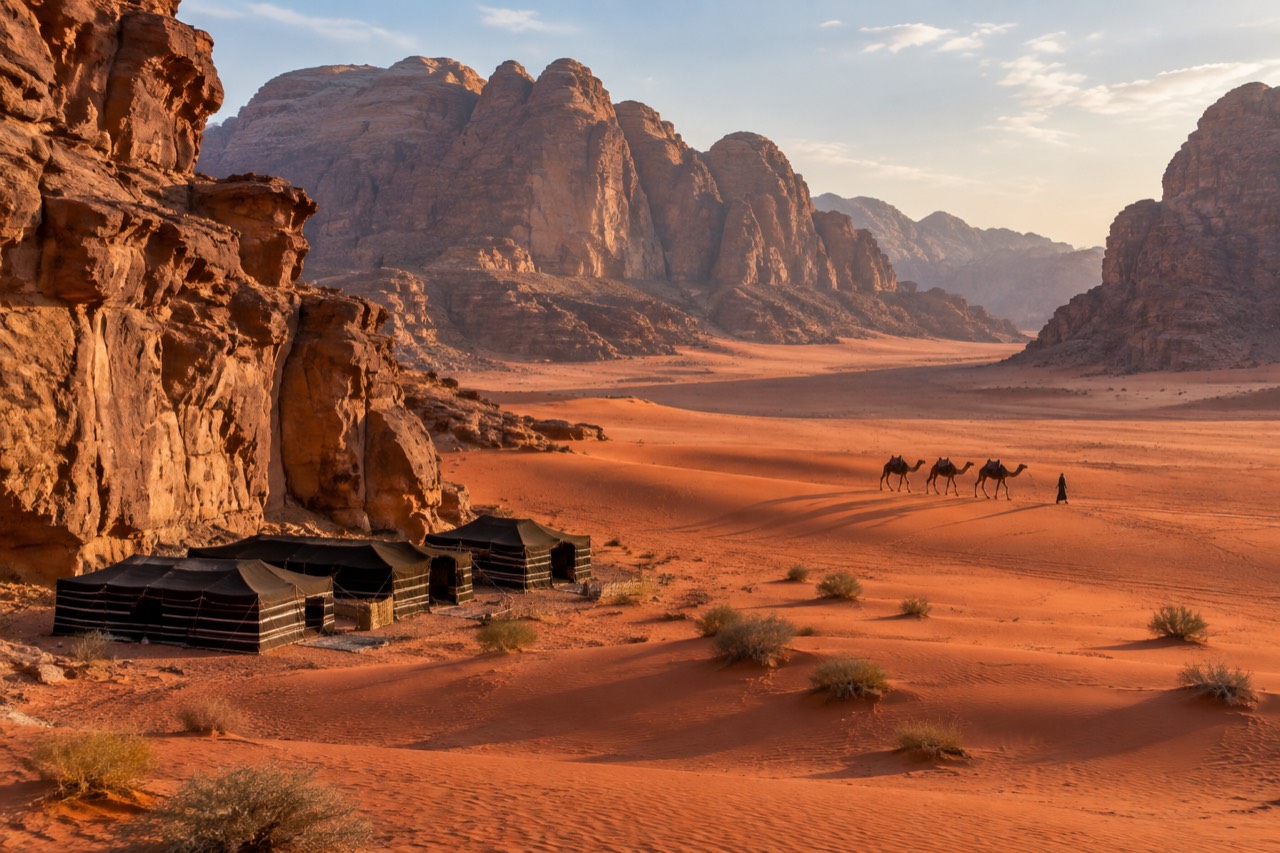
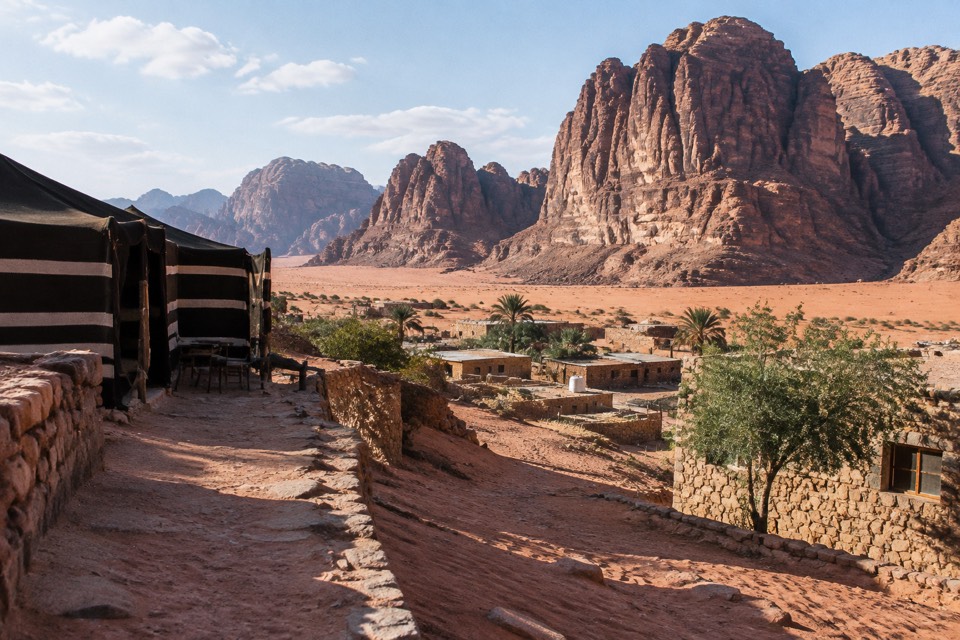
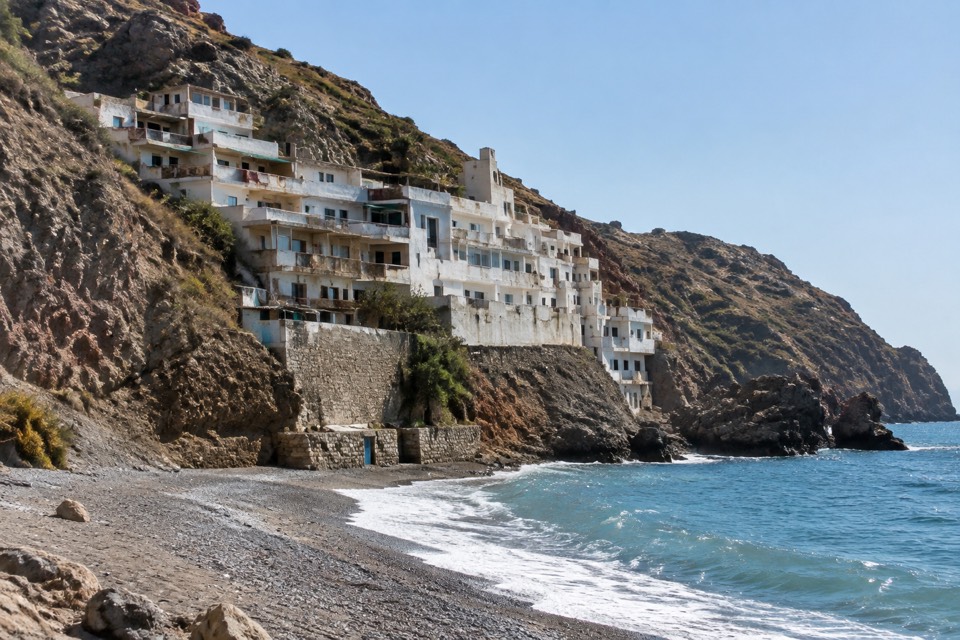
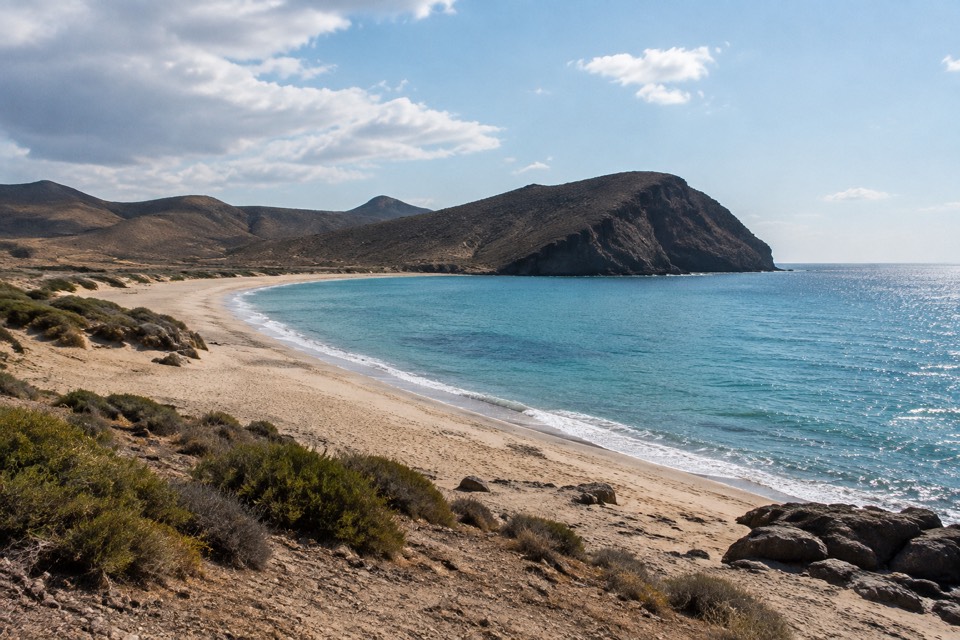
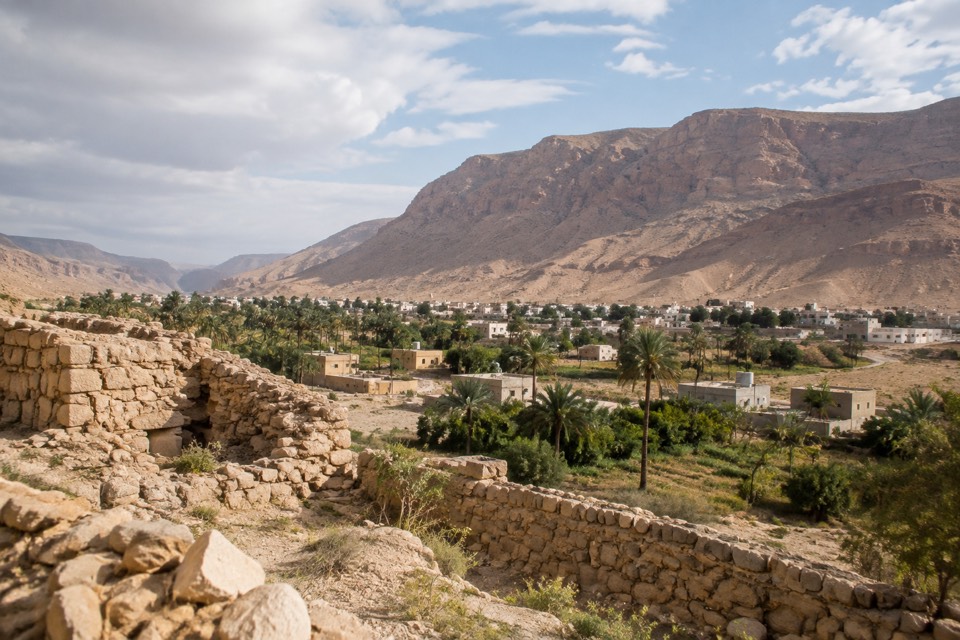
This is the film's defining location. Lean's cameras captured the red cliffs, Prince Feisal's camp, and the long caravan sequences across the sand. Today Wadi Rum is a UNESCO site and one of Jordan's biggest draws, with jeep tours and overnight Bedouin camps making it easy to reach the very valleys seen on screen. It sits in the Aqaba Governorate, close to the Red Sea coast, so many visitors pair it with a stay in Aqaba itself.
The Short Answer
Mostly in Jordan and Spain. Wadi Rum and Jebel Tubayq in Jordan supplied the desert landscapes, while Andalusia stood in for Aqaba and the cities: a huge set rose at Playa del Algarrobico near Almería, and Seville's Moorish buildings doubled for Cairo and Damascus. Additional scenes were shot at Aït Benhaddou in Morocco, and in England at Shepperton Studios and London.
David Lean's 1962 epic tells a Middle Eastern story, but the production crisscrossed three continents to find landscapes that still looked right for the period. The famous red deserts are genuinely Jordanian, yet many of the film's towns and cities are Spanish, built or borrowed because the real locations had modernized beyond recognition.
For travelers, that spread is good news. The main sites sit in two very visitable regions: Wadi Rum in Jordan and Andalusia in Spain, with a Moroccan kasbah and a few English locations completing the set.
Every Location At A Glance
| Location | Where | What was filmed | Access |
|---|---|---|---|
| Wadi Rum | Wadi Rum Village, Jordan | Desert scenes including red cliffs, Prince Feisal's camp, and caravan sequences | Free to see |
| Playa del Algarrobico | Carboneras, Spain | Aqaba town set including battle and beach scenes | Free to see |
| Playa de los Genoveses | San José, Spain | Train attack sequence | Free to see |
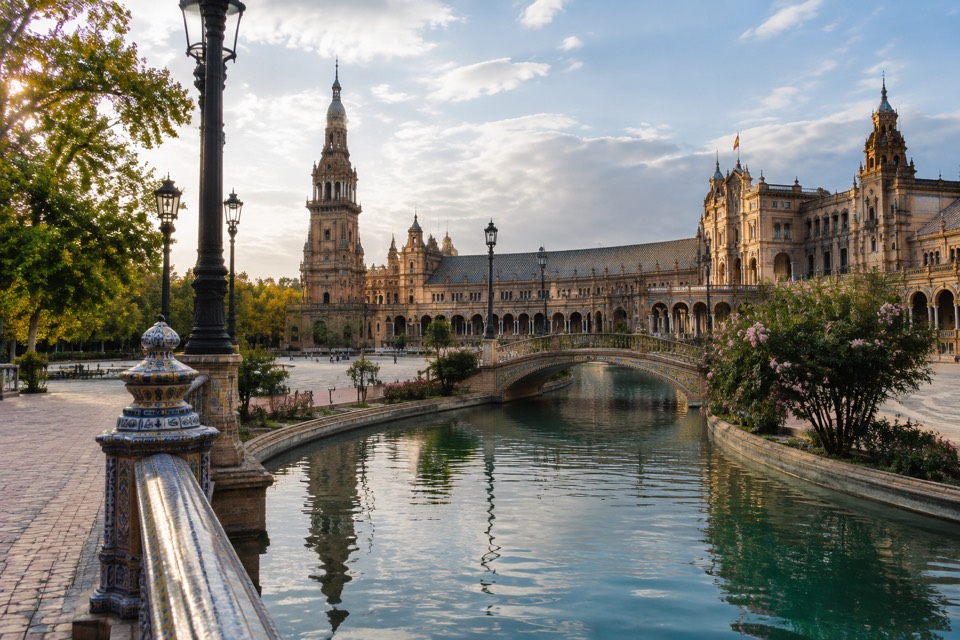
| Plaza de España | Seville, Spain | Cairo officers' club and other urban scenes | Free to see |
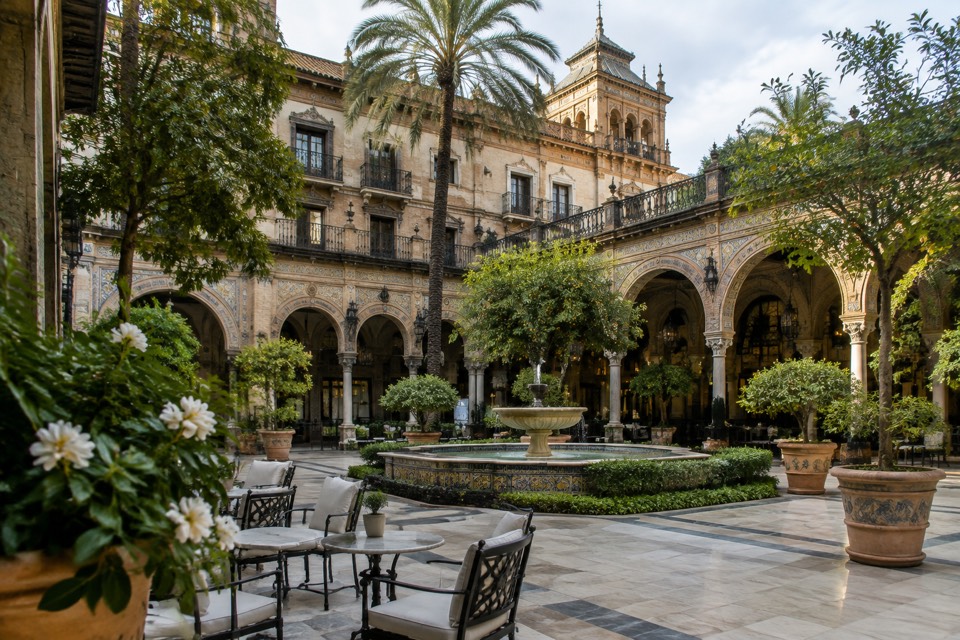
| Hotel Alfonso XIII | Seville, Spain | Cairo Officer's Club courtyard | Ticketed |
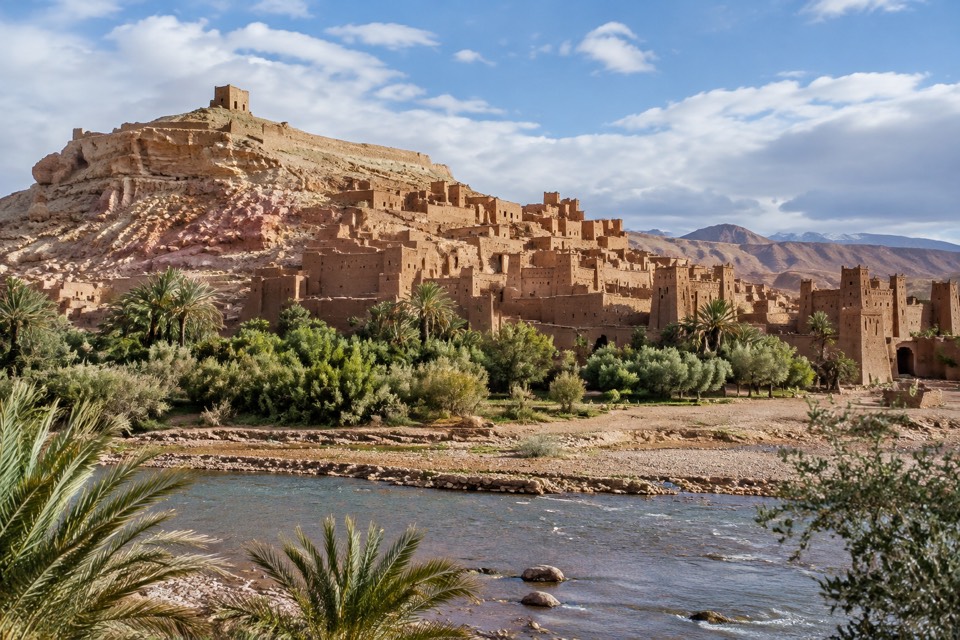
| Aït Benhaddou | Aït Benhaddou, Morocco | Desert and village scenes | Free to see |
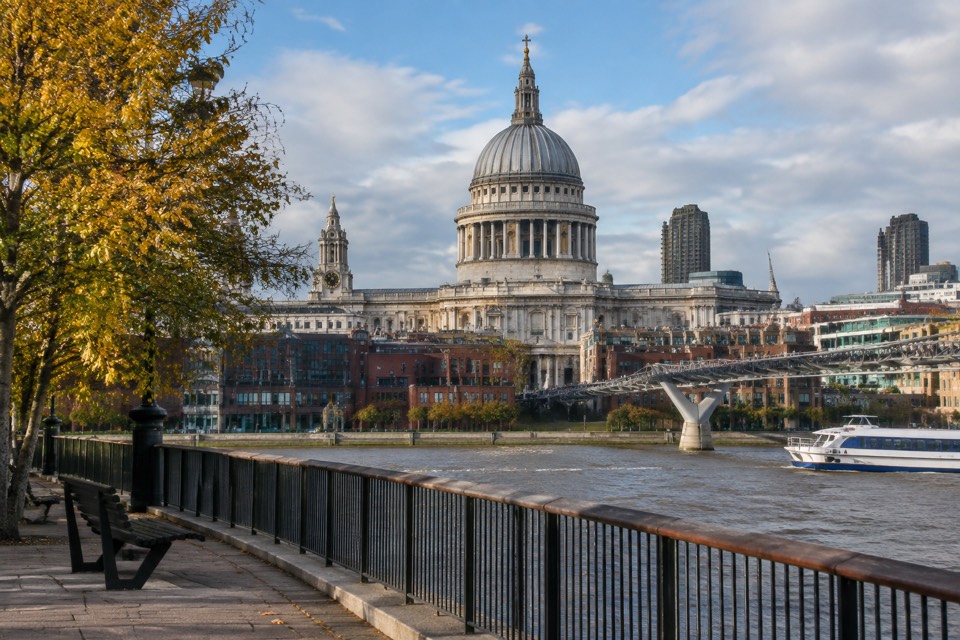
| St. Paul's Cathedral | London, United Kingdom | Funeral/memorial service scene | Free to see |
| Chobham Common | Chobham, United Kingdom | Opening motorbike crash scene | Free to see |
| Jafr (El Jafr) | Jafr, Jordan | Sherif Ali camel ride entrance and Gasim rescue scenes on mudflats | Free to see |
| Casa de Pilatos | Seville, Spain | Lawrence meets General Allenby scene | Ticketed |
Filming Locations Map
10 locations. The map loads when it scrolls into view.
Map data © OpenStreetMap contributors
Location By Location
The Aqaba battle set, some 300 buildings, was constructed here in a dried riverbed because the real Aqaba had modernized. Located at Carboneras in Almería and within Cabo de Gata-Níjar Natural Park, the beach is public and remnants of the old set may still be visible among the sand. It is a striking spot to stand where the film's largest battle was staged, and the surrounding coastline is scenic in its own right.
The famous train attack sequence was filmed on this beach at San José in Almería, also inside Cabo de Gata-Níjar Natural Park. Visitors today find a broad, scenic stretch of sand that gives little hint of the railway built for the production. Access is free and the beach is popular in summer, so film fans tracing the sequence often come early or in shoulder season for a quieter look at the location.
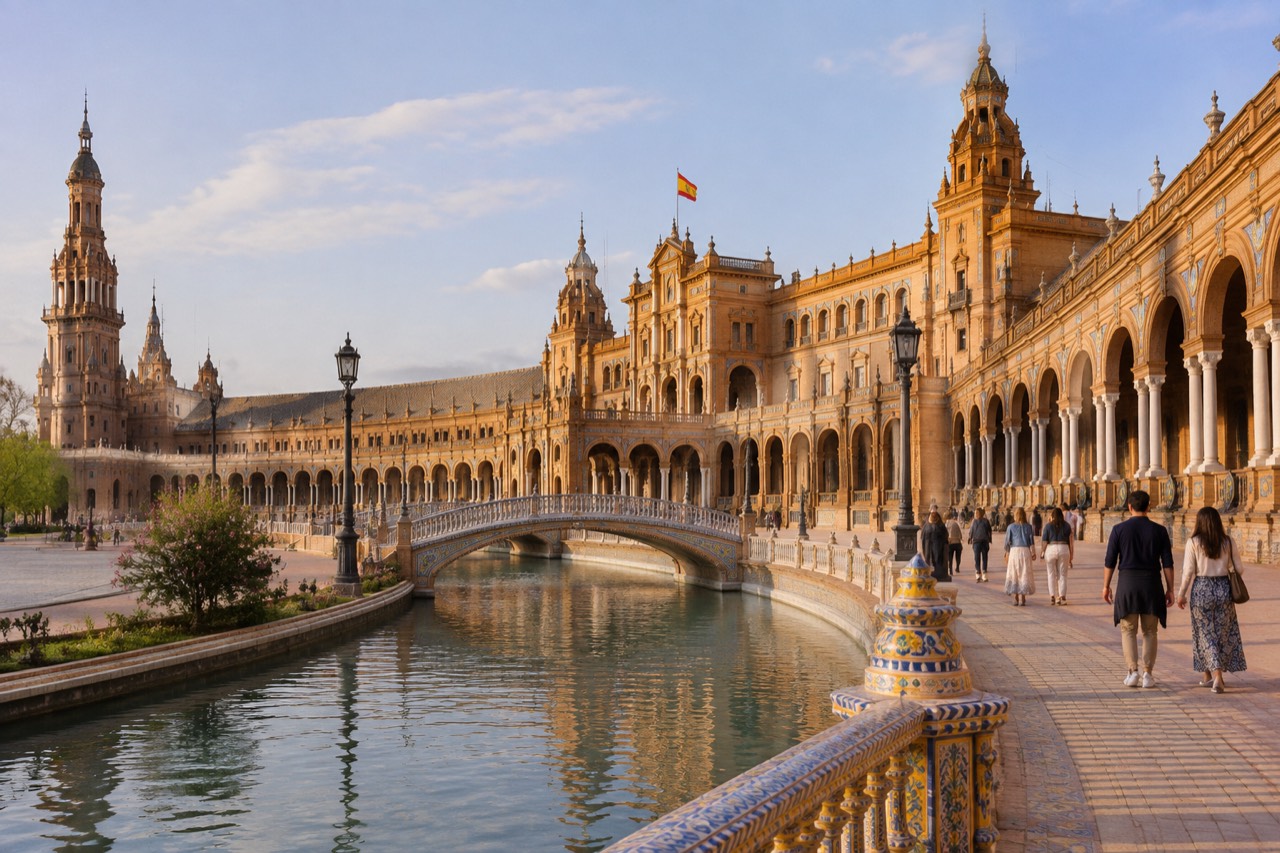
Seville's grand plaza and surrounding buildings stood in for the Cairo officers' club and other urban scenes, chosen because the real Cairo had changed too much by the time of filming. The exterior is free to visit and remains one of the city's most photographed spots, with tiled bridges, a canal, and a semicircular building that appears recognizably in the film. It is an easy add-on to any Seville itinerary and sits minutes from the cathedral district.
The Cairo Officer's Club courtyard scenes were shot at this luxury hotel in Seville. Access is limited: the courtyard may be open to guests or to visitors using the hotel's public areas, so it helps to check ahead or arrive with the intention of a drink or meal. Even from the entrance, the Moorish revival architecture shows exactly why Lean's team picked Seville to impersonate several Middle Eastern cities on a controlled budget.
This fortified ksar in Ouarzazate Province, Morocco, provided desert and village scenes for the film. Now a UNESCO site and one of Morocco's most visited kasbahs, it welcomes travelers year round, with guided tours available and guesthouses clustered along the riverbank opposite the mud brick walls. Its film pedigree goes well beyond this production, which has made the whole Ouarzazate region a hub for travelers combining scenery with cinema history.
The funeral and memorial service scene was filmed at London's historic cathedral. Entry fees apply for visitors, but the building's dome dominates the skyline and can be admired without a ticket. Anyone building a British leg of a Lawrence of Arabia trip can pair this with the Surrey location used for the opening motorbike scene, covering both the beginning and end of Lawrence's story as Lean framed it in a single city visit.
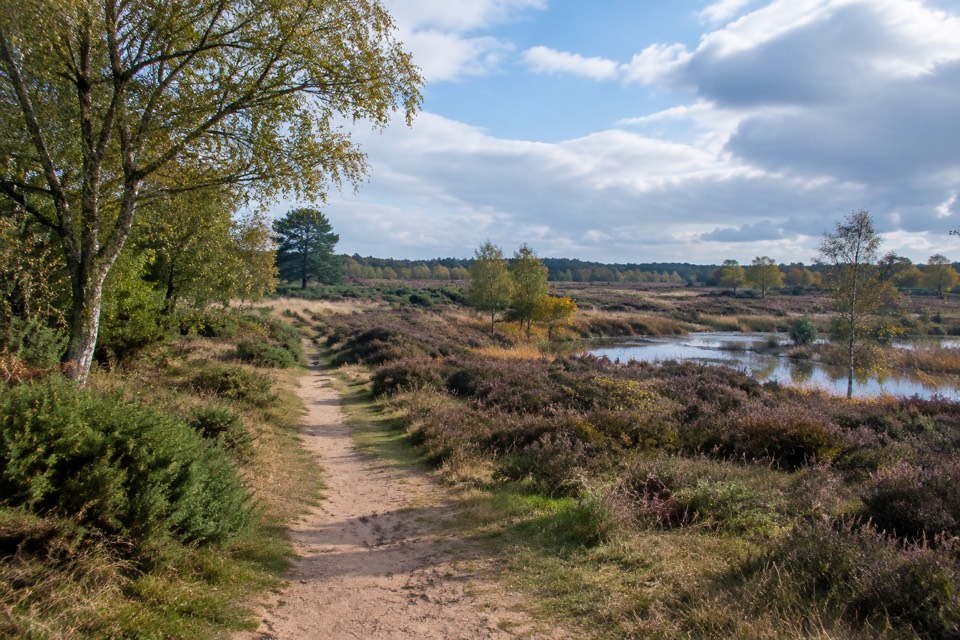
The film's opening motorbike crash scene was shot on this stretch of common land in Surrey, southwest of London. It is free, public access land popular for walking, though as a working heathland rather than a managed attraction there are no film related markers or facilities. Dedicated location hunters treat it as a quick detour, combining an otherwise ordinary walk with the spot where Lean chose to begin and end his portrait of T. E. Lawrence.
The mudflats around Jafr in Jordan's Ma'an Governorate stood in for the Sherif Ali camel ride entrance and the Gasim rescue scenes. This is the most demanding site on the list: a remote desert area with limited tourism infrastructure, best attempted with a private vehicle or guide and sensible supplies. For travelers who want the deep cuts of the production rather than the famous vistas, it rewards careful planning and a tolerance for solitude.
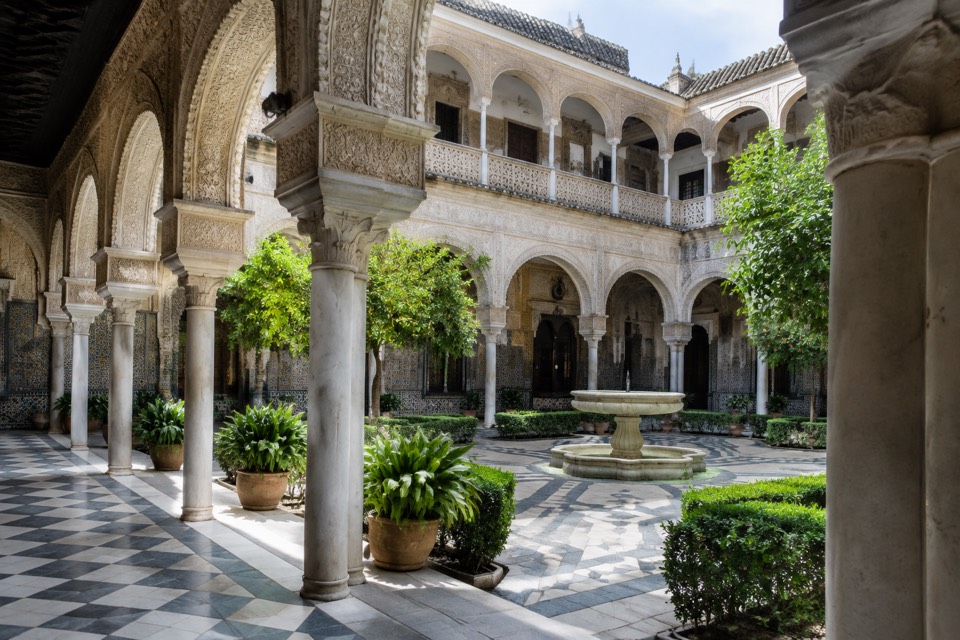
The scene in which Lawrence meets General Allenby was filmed at this historic Seville palace, whose layered Mudéjar architecture made it a convincing stand-in for the Middle East. Entry is ticketed and tours are available, making it one of the easier interior locations to experience properly rather than just view from outside. It pairs naturally with Plaza de España and the Hotel Alfonso XIII for a half day of Lawrence of Arabia sites across Seville.
Where It Is Set Versus Where It Was Filmed
The story is set in the Arabian Peninsula and the wider Middle East during the Arab Revolt of the First World War, but almost none of it was filmed in those exact places. Jordan's deserts supplied the genuine backdrop, yet the cities were a problem: contemporary Aqaba, Cairo, Damascus, and Jerusalem had all modernized too far to pass as they did in the period. Lean's solution was Spain, where Moorish architecture in Seville stood in for urban Arabia and a purpose built town rose on an Almería beach. Morocco and England filled the remaining gaps.
The Studio Side
Interior work was completed at Shepperton Studios in Surrey, England, which served as the production's studio base. Like most working studios, it is not open to the general public, so travelers should focus on the practical locations listed above. Some desert shots were also filmed at Imperial Sand Dunes in California as additional material, a detail that surprises many fans who assume every dune in the film is Middle Eastern.
Tours That Visit These Locations
Most of the filming locations can be visited independently, but Wadi Rum rewards a guide: the protected area is large, sites are scattered, and Bedouin hosts run the camps and jeep trips that make an overnight practical. Two bookable options cover the Wadi Rum side of the production from Aqaba.
Private Overnight Wadi Rum Camp
Private Lawrence of Arabia Wadi Rum Overnight Bedouin Experience from Aqaba
This private overnight experience from Aqaba pairs a Wadi Rum tour with a night in a Bedouin camp, at $247.6 per person. It suits travelers who want to wake up inside the same red desert that Lean filmed, rather than pass through on a day trip.
Half-Day Wadi Rum From Aqaba
Private Half-Day Aqaba Shore Excursion to Wadi Rum Lawrence of Arabia
A private half day excursion from Aqaba into Wadi Rum, priced at $173.33 per person, built for visitors short on time, including cruise passengers on a shore stop. It concentrates on the desert's film famous valleys without the overnight commitment.
Frequently Asked Questions
Can You Visit The Wadi Rum Filming Locations?
Yes. Wadi Rum is a public UNESCO site with jeep tours and Bedouin camps. The red cliffs and valleys seen in the film are freely visible across the protected area, and local operators run trips from Aqaba and the village itself.
Why Was Aqaba Filmed In Spain?
The real Aqaba had modernized by the time of filming, so the production built a set of around 300 buildings in a dried riverbed at Playa del Algarrobico near Carboneras, Almería. The move to Spain also helped the production use frozen assets and cope with illness among the crew.
Which Seville Locations Appear In The Film?
Three. Plaza de España stood in for the Cairo officers' club and other urban scenes, the Hotel Alfonso XIII provided the officer's club courtyard, and Casa de Pilatos hosted the meeting between Lawrence and General Allenby.
Was Any Of The Film Shot In England?
Yes. Studio work happened at Shepperton Studios, the funeral scene was filmed at St. Paul's Cathedral in London, and the opening motorbike crash was shot on Chobham Common in Surrey. Some desert shots also came from Imperial Sand Dunes in California.
Is Morocco Worth Adding To A Locations Trip?
It can be. Aït Benhaddou in Ouarzazate Province appears in the film's desert and village scenes and is a UNESCO site with guided tours. Travelers combining Morocco with Jordan and Spain can cover all three countries that shaped the film's landscapes.
How Long Should A Wadi Rum Visit Take?
A half day covers the main valleys if time is tight, while an overnight in a Bedouin camp allows sunset and sunrise views plus more distant sites. Both formats are available as private trips from Aqaba.
Few films scatter their locations as widely as Lawrence of Arabia. The most rewarding single trip is Jordan itself: Wadi Rum delivers the desert that made the film famous, and it remains highly accessible from Aqaba. Travelers with more time can add Andalusia for the Spanish sets and stand ins, or Morocco's Aït Benhaddou for a different flavor of the same landscape.