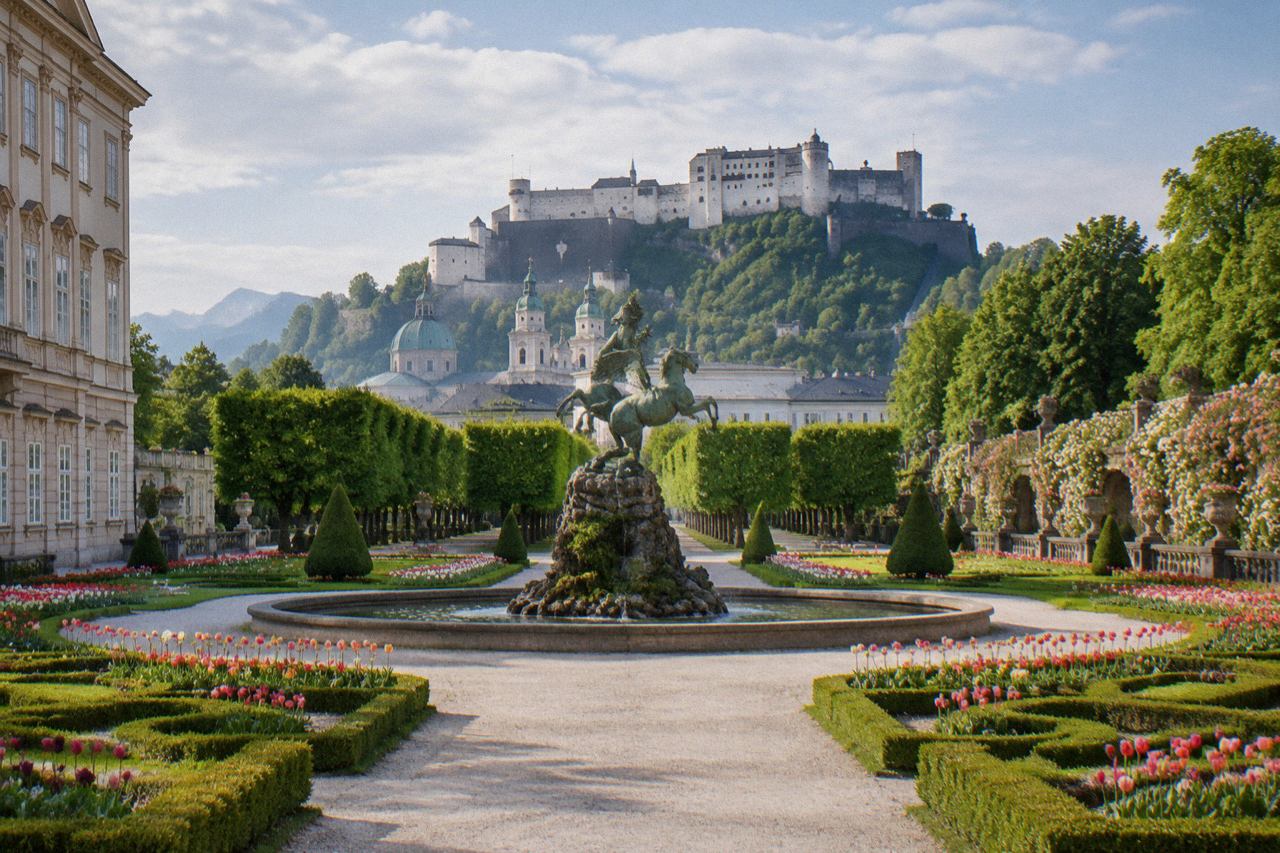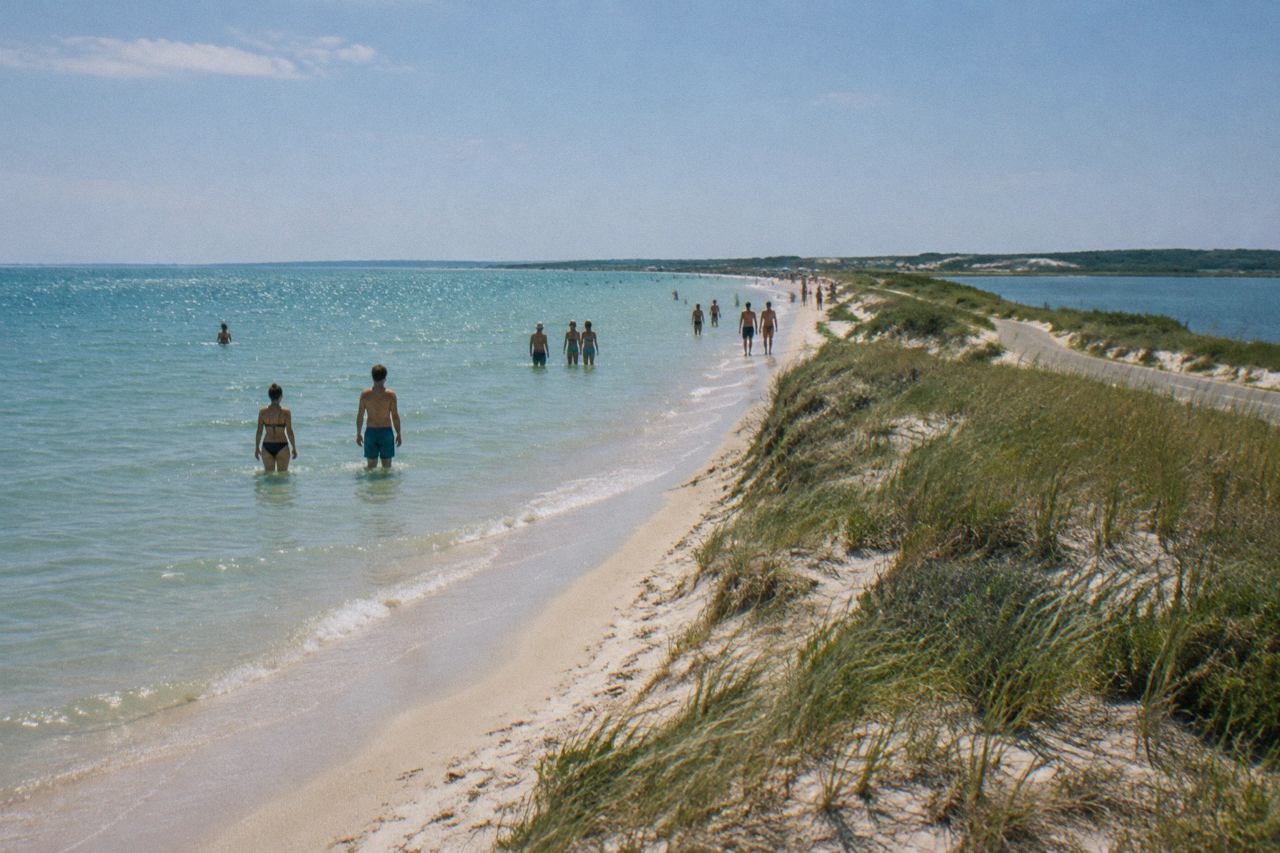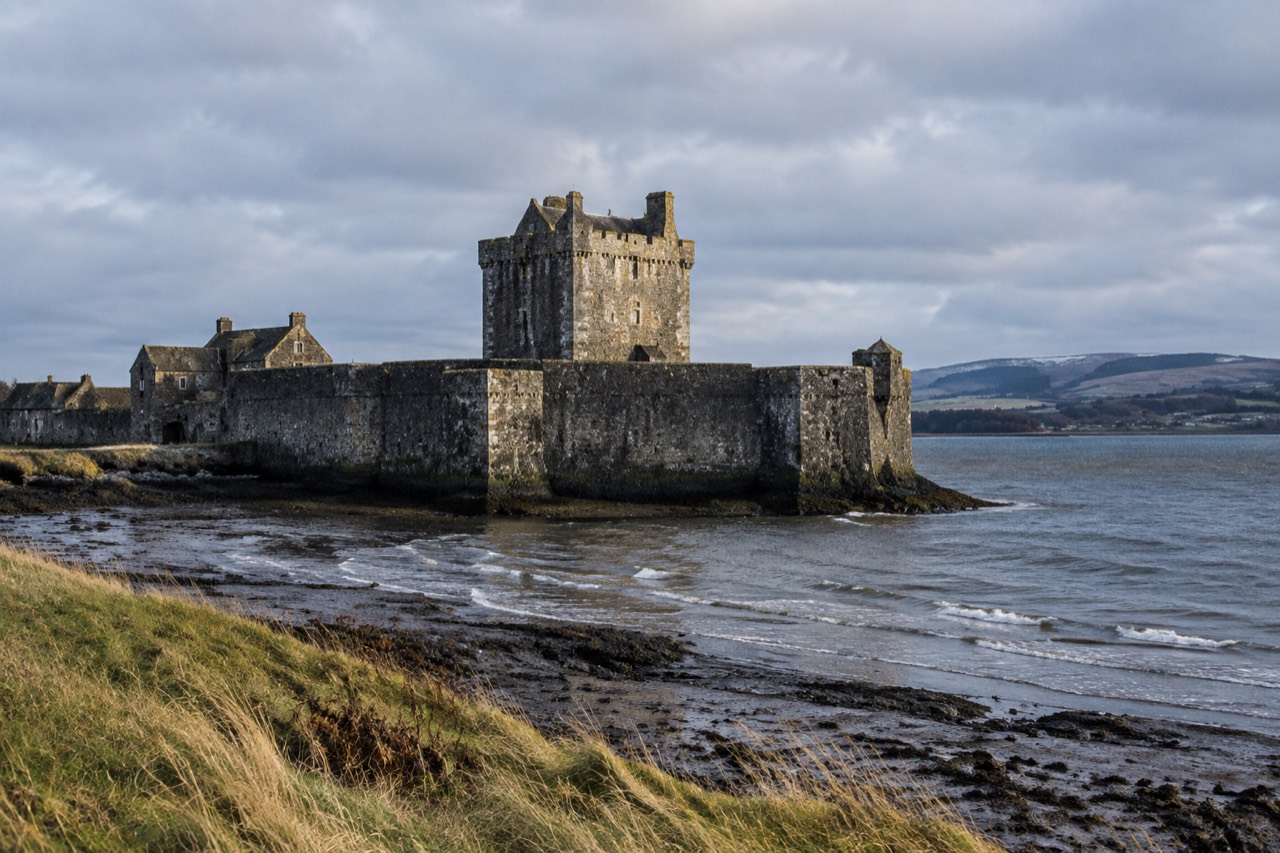
The production's base was Pinewood Studios in Iver Heath, near London. Many of the Scottish palace interiors, including a Holyrood set inspired by Blackness Castle's exteriors, were built as elaborate sets here rather than filmed on location. The studios are a working facility and not open to the public, so there is nothing to tour, but the site anchors the film's more theatrical court interiors.
The Short Answer
The 2018 film was based at Pinewood Studios near London for most interiors, while Mary's Scottish scenes were shot on location at Blackness Castle, Seacliff Beach, Glencoe and the Cairngorms. Elizabeth's England was filmed at Haddon Hall, Gloucester Cathedral, Oxford's Divinity School, Penshurst Place, Hardwick Hall and Chiltern Open Air Museum.
Josie Rourke's 2018 film tells the story of two cousins, Mary Stuart and Elizabeth I, whose kingdoms and rivalries collide. Although set in the 16th century, the production ranged across modern Britain, pairing purpose-built studio sets with castles, cathedrals and glens that still look much as they did on screen.
Principal photography began in August 2017 and ran for roughly eight weeks, splitting time between England and Scotland. Most of the locations are open to visitors today, and several sit within easy reach of Edinburgh, Derby or London.
Every Location At A Glance
| Location | Where | What was filmed | Access |
|---|---|---|---|
| Blackness Castle | Blackness | Exteriors for Holyrood Palace scenes | Ticketed |
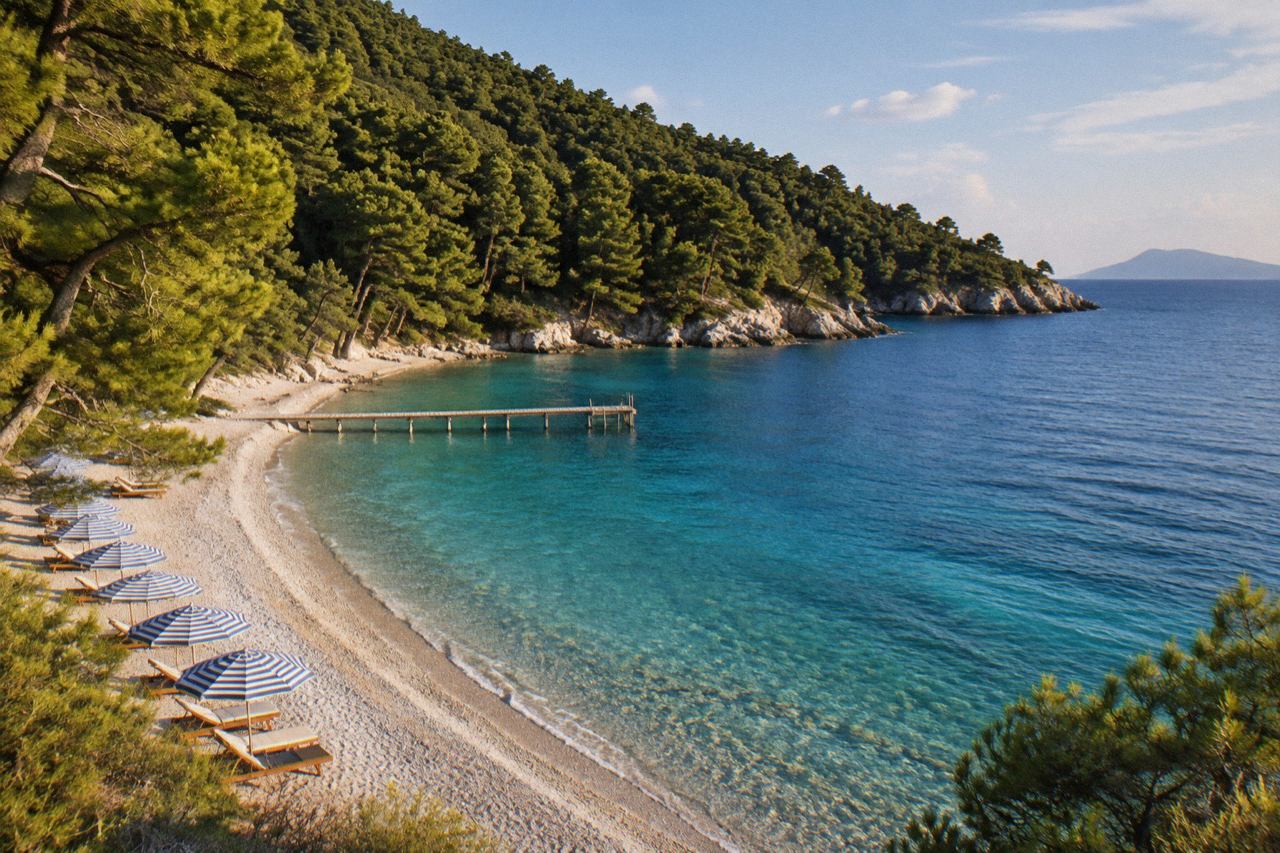
| Seacliff Beach / Oxroad Bay | North Berwick | Mary's arrival in Scotland from France | Free to see |
| Haddon Hall | Bakewell | Long Gallery and interiors for Elizabeth I scenes | Ticketed |
| Gloucester Cathedral | Gloucester | Cloisters, corridors, and crypt for Hampton Court and execution cell scenes | Free to see |
| Divinity School, Oxford | Oxford | Elizabeth's court scenes | Ticketed |
| Penshurst Place | Penshurst | Baron's Hall for execution scene and inner courtyard | Ticketed |
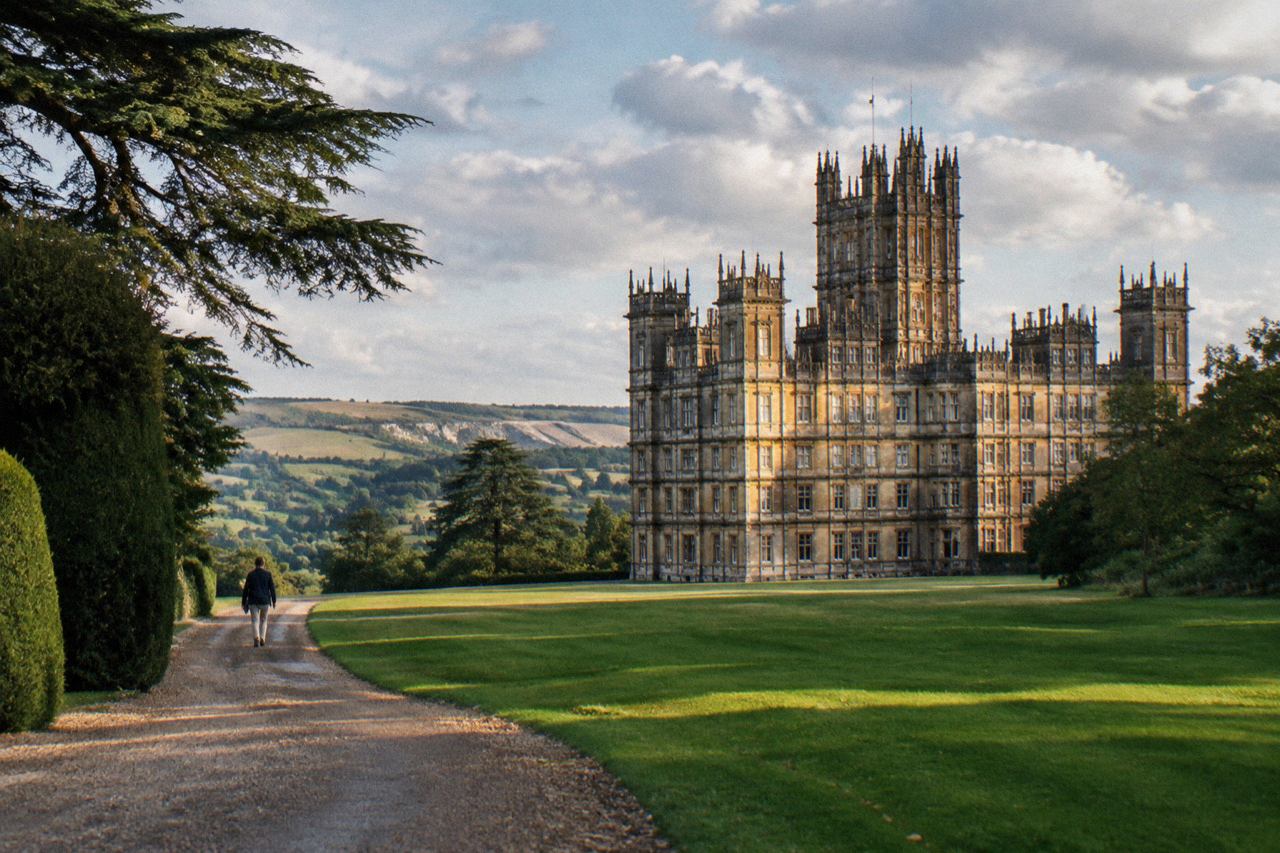
| Hardwick Hall | Doe Lea | Exteriors for English scenes | Ticketed |
| Chiltern Open Air Museum | Chalfont St Peter | Arborfield Barn for the secret meeting between Mary and Elizabeth | Ticketed |
| Glencoe | Ballachulish | Highland riding and army scenes | Free to see |
| Glen Feshie / Cairngorms | Aviemore | Scottish countryside and riding scenes | Free to see |
Filming Locations Map
10 locations. The map loads when it scrolls into view.
Map data © OpenStreetMap contributors
Location By Location
Location 02
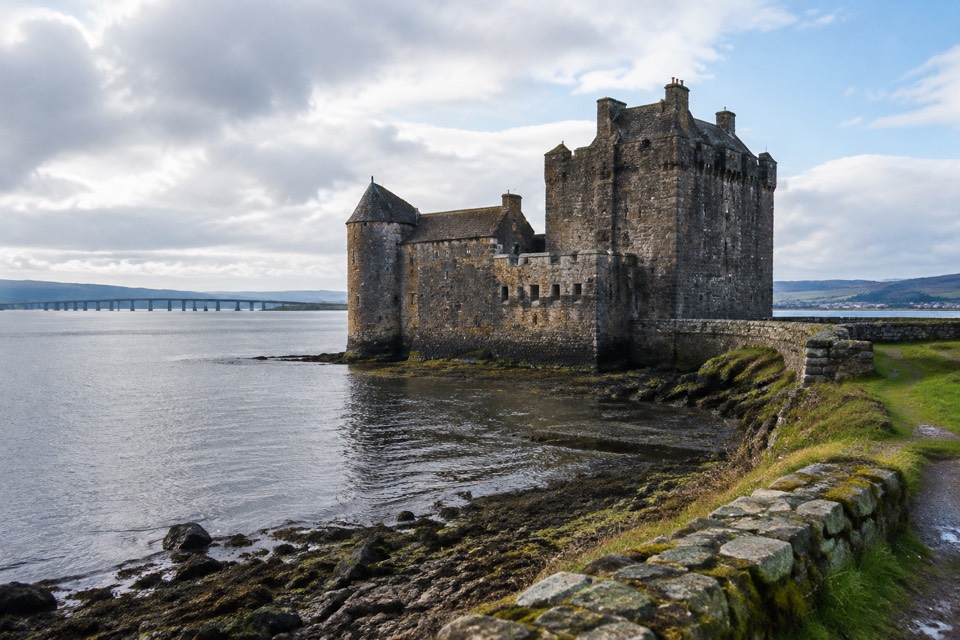
Blackness Castle
Falkirk, Blackness Ticketed
Filmed here: Exteriors for Holyrood Palace scenes
This fortress on the Firth of Forth provided exteriors for the Holyrood Palace scenes. Its dark stone walls and waterside setting give it one of the most distinctive silhouettes of any Scottish castle. It is a Historic Environment Scotland site, open to the public with admission fees, and visitors can walk the towers and courtyards seen in the film. Check current opening hours before travelling.
Location 03
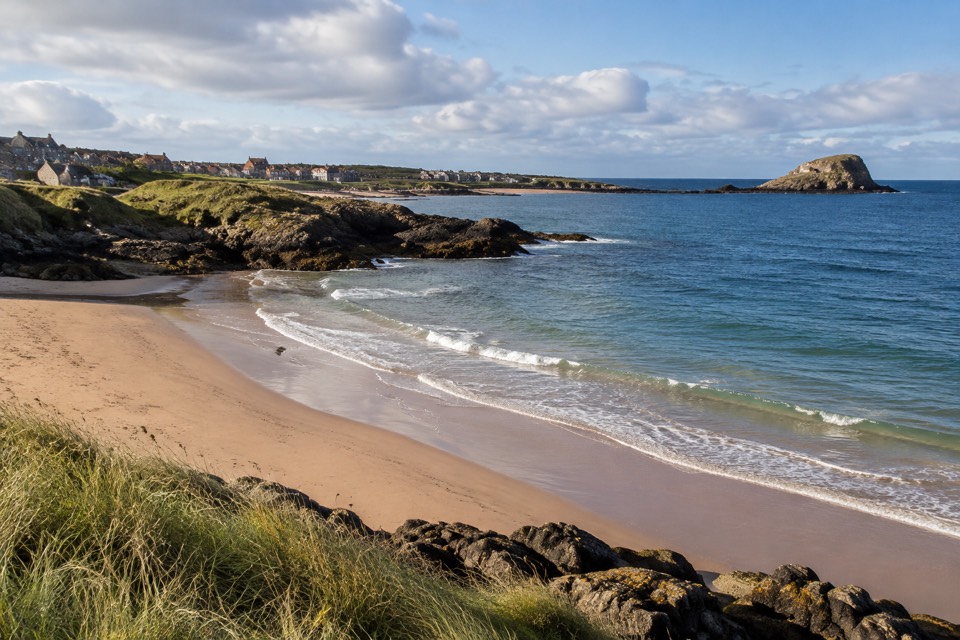
Seacliff Beach / Oxroad Bay
East Lothian, North Berwick Free to see
Filmed here: Mary's arrival in Scotland from France
The beach near North Berwick in East Lothian stood in for Mary's arrival in Scotland from France. Access is along a private road, which may carry a vehicle fee, and the beach itself is public with limited facilities. The wide sands and views toward the Bass Rock make it a worthwhile coastal stop for film fans and walkers alike, easily combined with a trip to nearby North Berwick.
Location 04
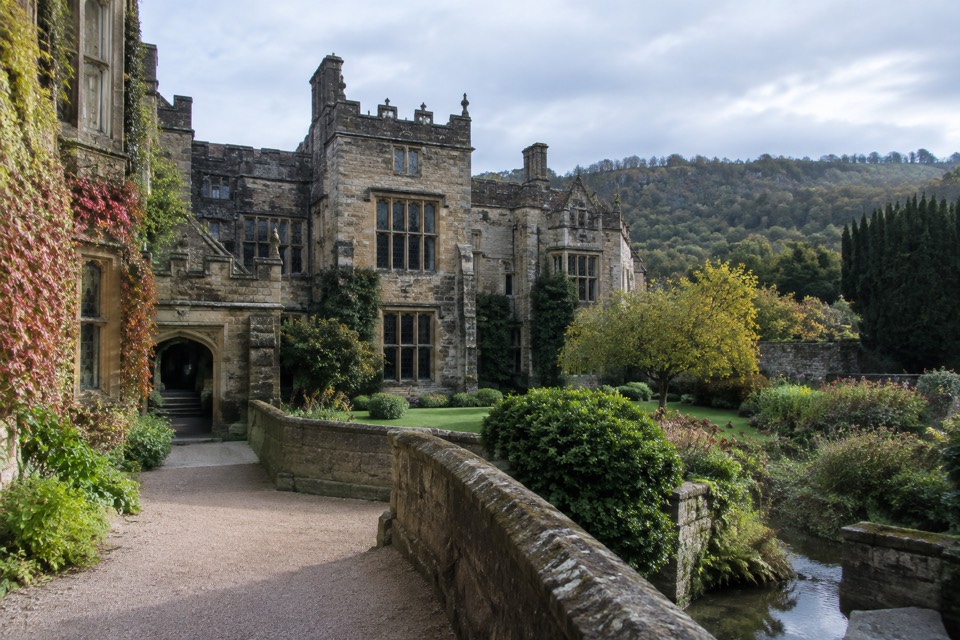
Haddon Hall
Derbyshire, Bakewell Ticketed
Filmed here: Long Gallery and interiors for Elizabeth I scenes
The Long Gallery and other interiors at Haddon Hall near Bakewell hosted the Elizabeth I scenes. This medieval and Tudor house in Derbyshire is one of England's most frequently filmed historic homes. It opens to visitors seasonally, and hours and tickets are listed on haddonhall.co.uk. The Long Gallery in particular rewards a slow look, with its tapestries, panelling and light-filled length much as they appear on screen.
Location 05
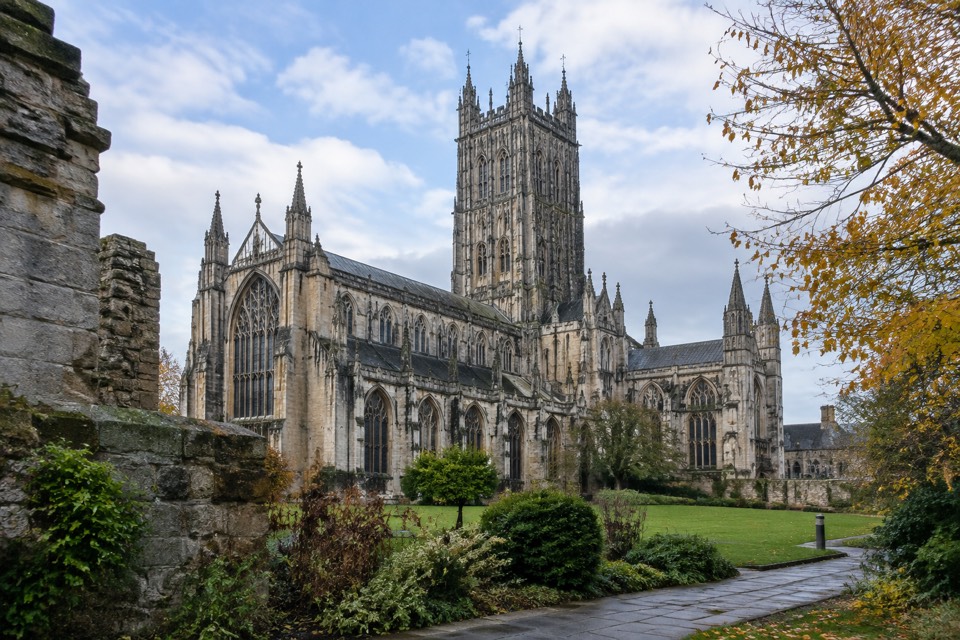
Gloucester Cathedral
Gloucestershire, Gloucester Free to see
Filmed here: Cloisters, corridors, and crypt for Hampton Court and execution cell scenes
The cathedral's cloisters, corridors and crypt stood in for Hampton Court and for the execution cell scenes. Gloucester Cathedral is open daily, with free entry to many areas and donations encouraged. The fan-vaulted cloisters are famous from other screen productions too, so visitors may recognise them more than once. The crypt passages used for the darker moments of the story lie beneath the main church.
Location 06
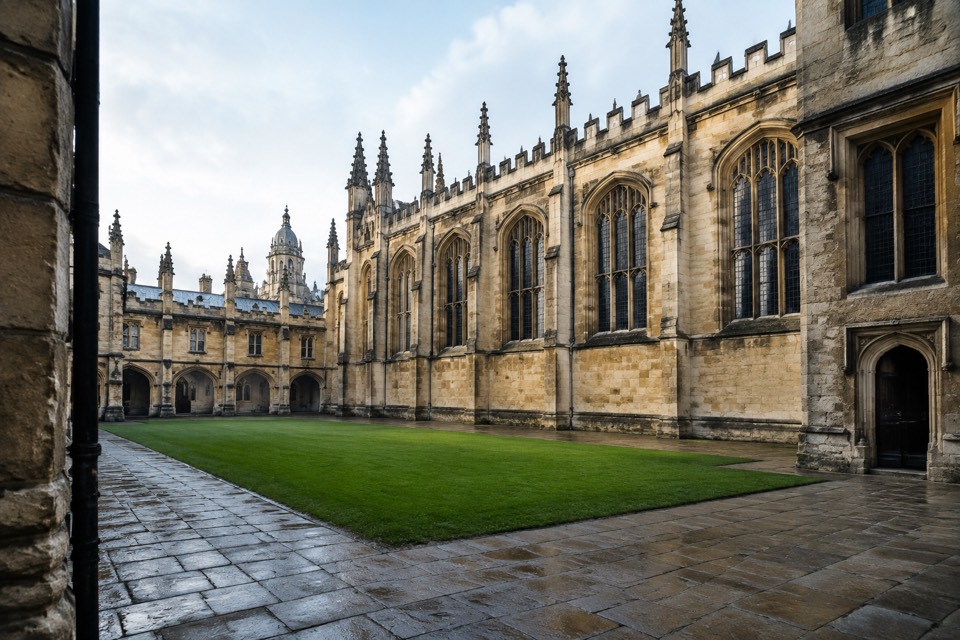
Divinity School, Oxford
Oxfordshire, Oxford Ticketed
Filmed here: Elizabeth's court scenes
Part of the Bodleian Library, the Divinity School in Oxford served as a setting for Elizabeth's court scenes. Its vaulted ceiling is among the finest in England. Access is ticketed, with tours and entry available through university sites, so booking ahead is wise at busy times. central Oxford makes an easy day trip from London or a stop between filming locations further north.
Location 07
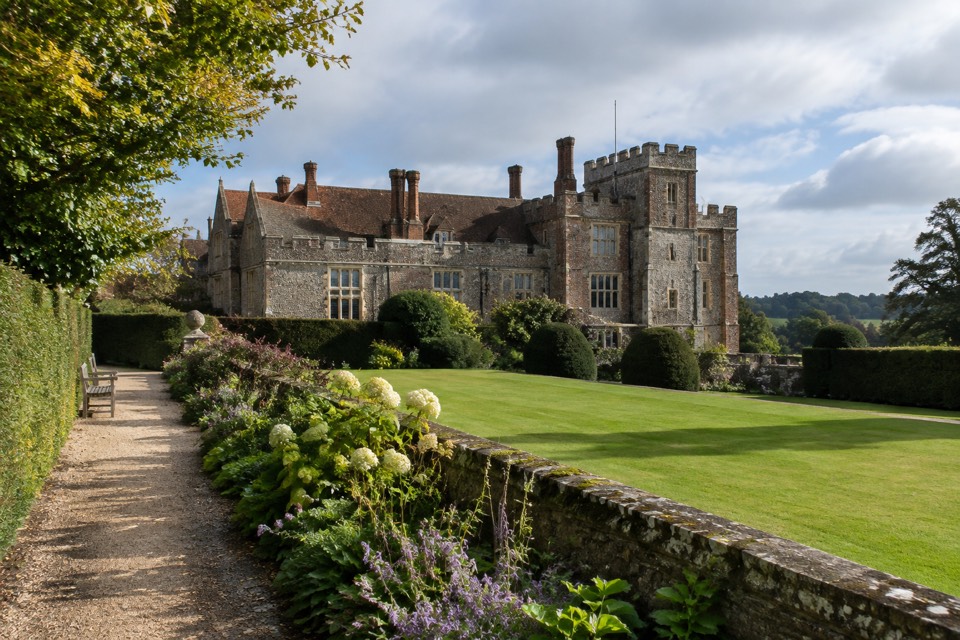
Penshurst Place
Kent, Penshurst Ticketed
Filmed here: Baron's Hall for execution scene and inner courtyard
The Baron's Hall at Penshurst Place in Kent was used for the execution scene, with the inner courtyard also appearing on film. The hall's soaring chestnut roof remains the house's centrepiece. The historic house and gardens open seasonally, and current information is available at penshurstplace.com. Kent's proximity to London makes this one of the easier locations to reach without a car for long stretches.
Location 08
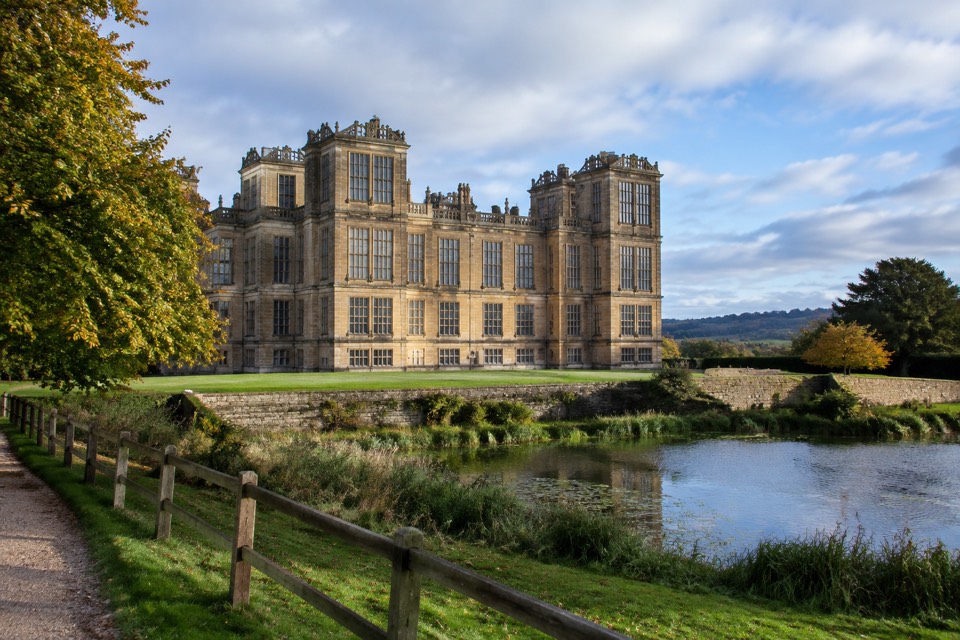
Hardwick Hall
Derbyshire, Doe Lea Ticketed
Filmed here: Exteriors for English scenes
Hardwick Hall near Doe Lea in Derbyshire provided exteriors for the English scenes. The National Trust property is famous for its grid of vast windows and its plaster friezes, and its rooftop lookout gives views across the surrounding estate. It is open to the public with admission. Because it sits in Derbyshire alongside Haddon Hall, the two can be visited in a single day trip with a car.
Location 09
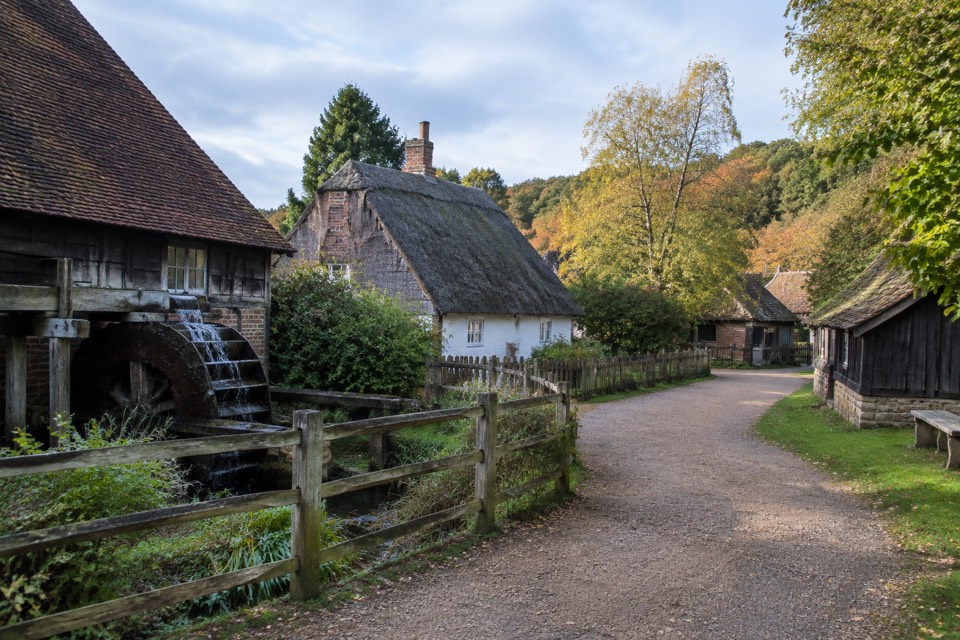
Chiltern Open Air Museum
Buckinghamshire, Chalfont St Peter Ticketed
Filmed here: Arborfield Barn for the secret meeting between Mary and Elizabeth
The museum at Chalfont St Peter in Buckinghamshire supplied Arborfield Barn for the secret meeting between Mary and Elizabeth, the only time the two characters share a scene. The open air museum rescues and reassembles period buildings across its grounds. It opens seasonally, so check dates before visiting. The barn sits among other historic structures, giving the visit appeal beyond the film connection.
Location 10
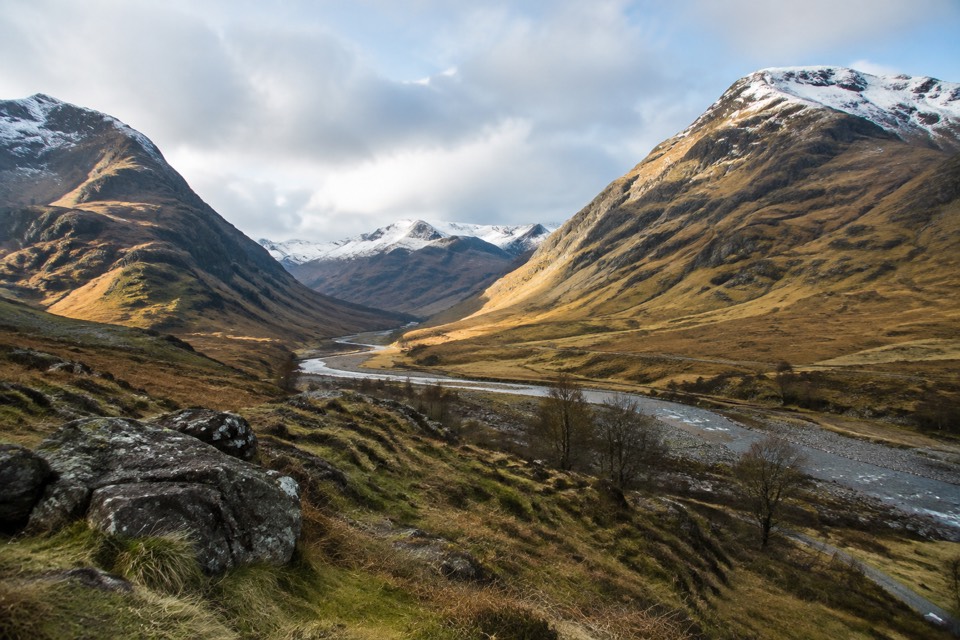
Glencoe
Highland, Ballachulish Free to see
Filmed here: Highland riding and army scenes
Glencoe in the Highlands provided the austere backdrops for the Highland riding and army scenes. The glen's ridges and valley floor are accessible by public roads and viewpoints, and it remains one of Scotland's most visited landscapes, with parking at several spots. No ticket is needed; the drama comes from the terrain itself. Weather can change fast here, so bring layers even in summer.
Location 11
Glen Feshie / Cairngorms
Highland, Aviemore Free to see
Filmed here: Scottish countryside and riding scenes
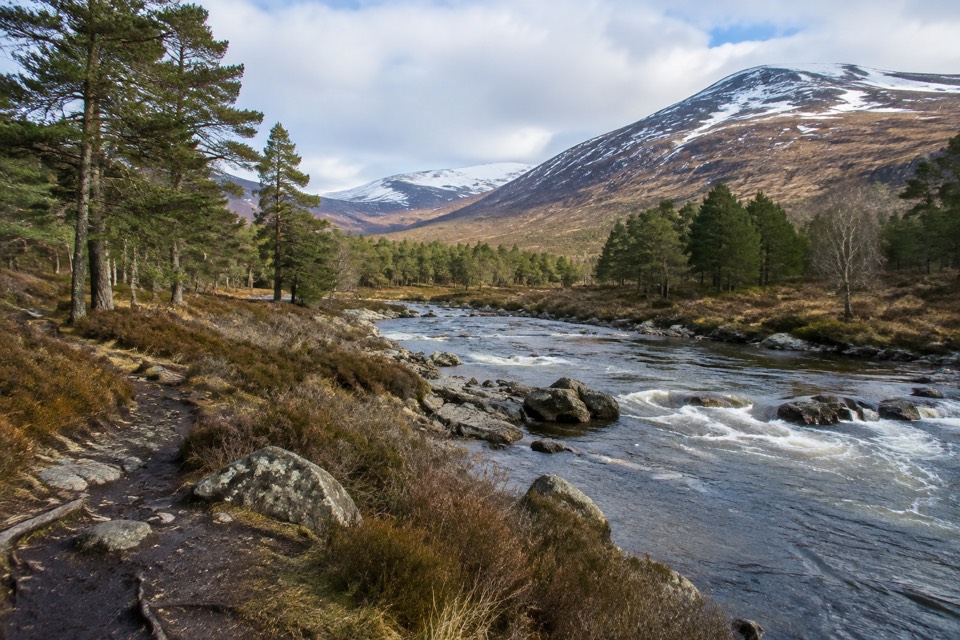
The Glen Feshie area of the Cairngorms, near Aviemore, supplied the Scottish countryside and riding scenes. It lies within a National Park, and hiking routes and scenic drives make it accessible to visitors. Ancient pine woods and wide river flats characterise the glen, matching the wild textures seen in the film. Aviemore is the practical base, with accommodation and transport links for exploring the area.
Where It Is Set Versus Where It Was Filmed
The story unfolds in 16th-century Scotland and England, but the filming footprint spans modern Scotland and England. Mary's world was shot in the Highlands, East Lothian and at Blackness Castle, while Elizabeth's court was assembled from Derbyshire houses, Oxford, Kent, Gloucestershire and Buckinghamshire, with Pinewood Studios covering interiors that could not be captured on location.
The Studio Side
Pinewood Studios near London was the production's home base. The Blackness Castle exteriors directly inspired the Holyrood interior set built at Pinewood, and many other Scottish interiors were elaborate constructions on stage rather than location work. Pinewood remains an active studio and does not admit the public.
Tours That Visit These Locations
Only one bookable tour from this page connects directly to the filming locations, and it covers several of the Scottish sites in a single day from Edinburgh.
Full-Day Castles Tour From Edinburgh
From Edinburgh: Scotland's Castles Full-Day Movie/TV Tour
This full-day movie and TV tour from Edinburgh takes in Blackness Castle, the film's Holyrood exterior, alongside Craigmillar Castle and Linlithgow Palace, both steeped in the real Mary Stuart story. It suits travellers who want castle-heavy film locations without hiring a car.
From$1157Check availability
Frequently Asked Questions
Was Mary Queen of Scots filmed in a studio or on location?
Both. Interiors and elaborate sets were built at Pinewood Studios near London, while exteriors and landscape scenes were shot on location across Scotland and England between August 2017 and roughly eight weeks of principal photography.
Which castle played Holyrood Palace in the film?
Blackness Castle in Falkirk provided the exteriors for the Holyrood Palace scenes. Its silhouette also inspired the Holyrood interior set constructed at Pinewood Studios.
Where was the meeting between Mary and Elizabeth filmed?
The secret meeting, the only scene the two leads share, was filmed at Arborfield Barn, now reassembled at the Chiltern Open Air Museum in Buckinghamshire.
Can you visit the Mary Queen of Scots filming locations?
Yes. Most are ticketed heritage sites open to the public, including Blackness Castle, Haddon Hall, Hardwick Hall, Penshurst Place and the Divinity School in Oxford. Glencoe and Glen Feshie are open public landscapes requiring no admission.
Is Blackness Castle worth visiting for film fans?
Blackness Castle is a Historic Environment Scotland site with admission fees, open to the public. Its towers and waterside walls appear directly in the film, and it is close enough to Edinburgh to combine with other locations such as Linlithgow Palace.
Did the actors stay apart during filming?
Reports from the production say Saoirse Ronan and Margot Robbie avoided each other off-camera in order to heighten the tension of their single meeting scene.
Whether following Mary north through Glencoe and the Cairngorms or tracing Elizabeth's court through Derbyshire and Kent, the film's locations reward a road trip across Britain. The castles and houses are destinations in their own right, and a day tour from Edinburgh offers the simplest route to the Scottish side of the story.