Where It Is Set Versus Where It Was Filmed
Metropolis is set in a fictional futuristic dystopian city, a place invented entirely for the screen. The filming reality was far more grounded: studio stages in Potsdam and Berlin carried most of the load, with exteriors in Vienna, Austria, and rural Hessen filling in the rest. No real city stood in for Lang's metropolis, which is why so few of the locations resemble the skyline audiences remember.
The Studio Side
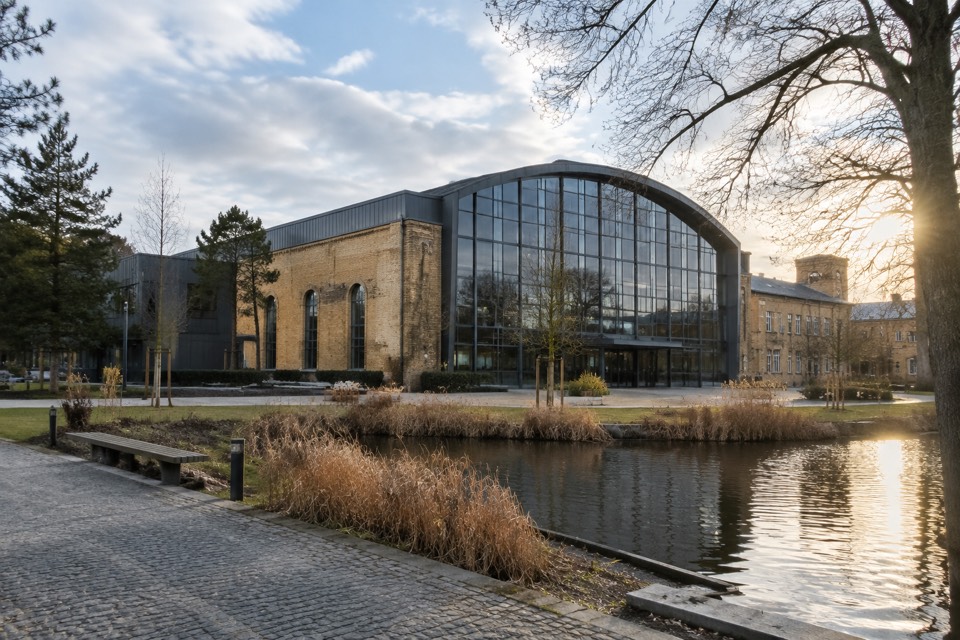
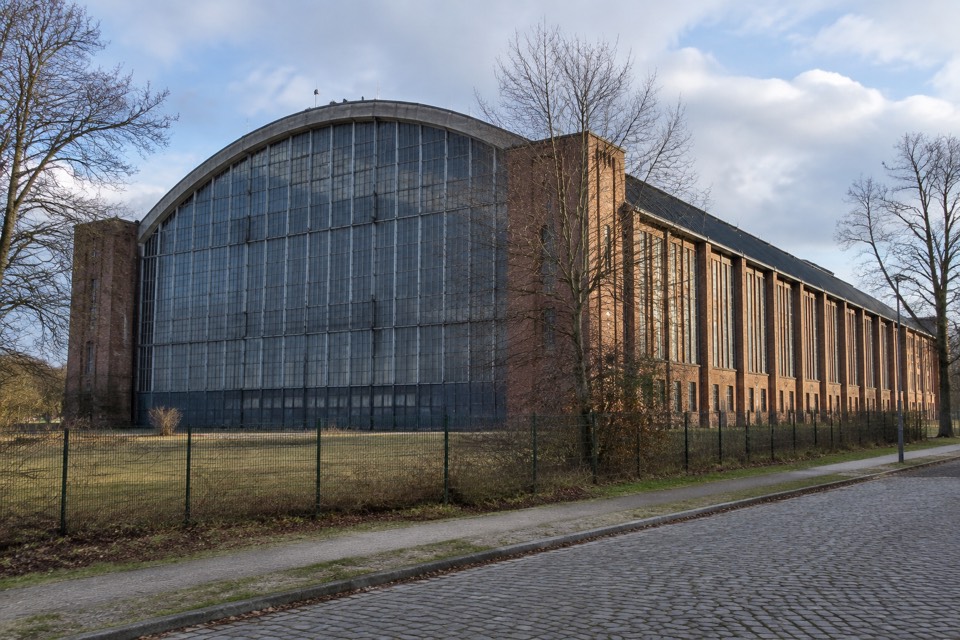
Studio Babelsberg in Potsdam remains the anchor site for anyone tracing the film. It is an active studio where tours are available, and the hall purpose-built for Metropolis still stands, now named the Marlene-Dietrich-Halle. Filmwerke Staaken in Berlin, by contrast, is a private historic site and not generally accessible, though its role was decisive: the Heart Machine explosion relied on that Zeppelin hall's scale and steam supplied by locomotives.
Tours That Visit These Locations
Only one of the filming sites, Studio Babelsberg, is set up for visitors, and the tour below includes it as a stop within a broader film history excursion rather than a Metropolis-specific outing.
5-Hour Film History By VW Bus
Potsdam-Babelsberg: 5-Hour-Tour "Film-History" by VW-Bus
This 5-hour small-group outing by VW bus covers Potsdam-Babelsberg's film history and includes a stop at Babelsberg Film Studio, the lot where most of Metropolis was shot. Rated 4.9 from 7 reviews, priced at $428.
★ 4.9 out of 5 · 7 reviews
Frequently Asked Questions
Where was Metropolis filmed?
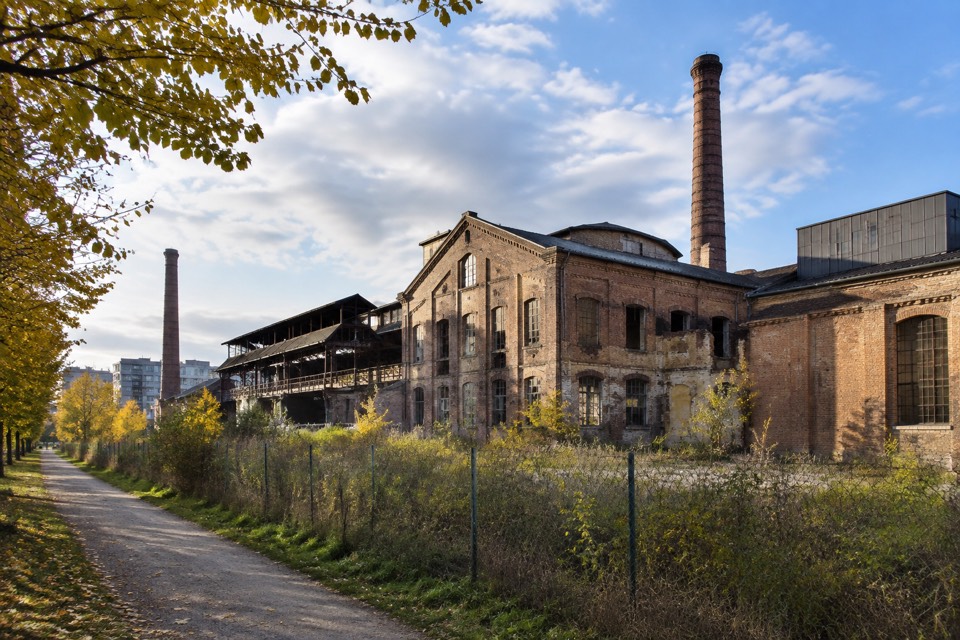
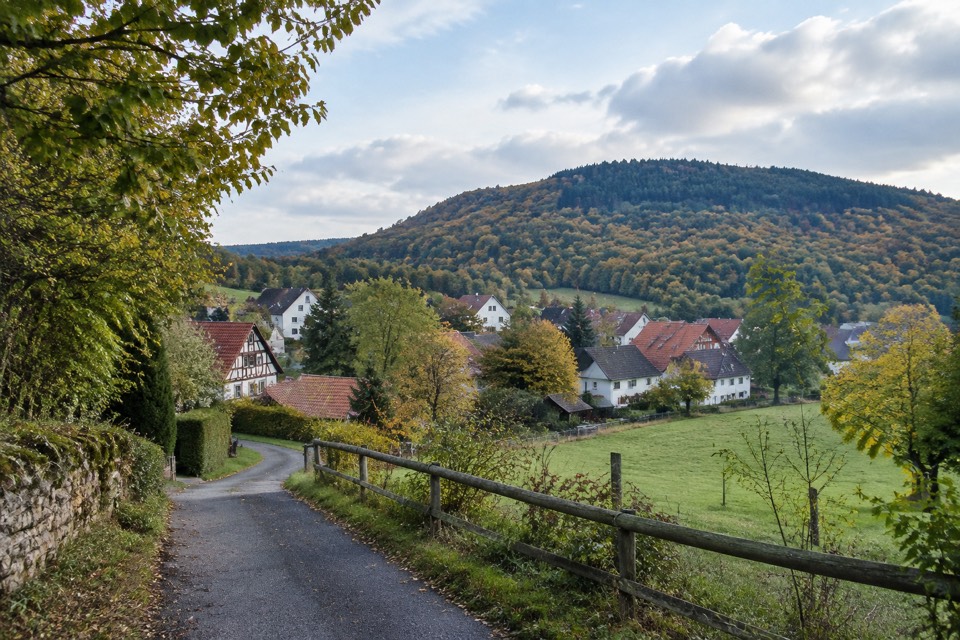
Mostly at UFA's Babelsberg studios in Potsdam, Germany, including the specially built Große Halle, now the Marlene-Dietrich-Halle. Large interior sets and the Heart Machine explosion were filmed in a former Zeppelin hall at Filmwerke Staaken in Berlin, with additional exteriors at brickworks in Vienna and at Ehlen in Hessen.
Can you visit the studios where Metropolis was made?
Yes, Studio Babelsberg is an active studio with ticketed tours that pass through the grounds, including the hall built for the film. Filmwerke Staaken in Berlin is a private historic site and not generally accessible to the public.
How long did filming take?
Filming lasted 17 months, from May 1925 to October 1926, encompassing 310 shooting days and 60 nights. The budget grew from 1.5 million to more than 5.3 million Reichsmarks during that time.
Was the flood scene real water?
Yes. Some 500 children from Berlin's poorest areas were used in cold-water flood scenes across two weeks of shooting, one of the production's most notorious episodes.
Is Metropolis set in a real city?
No. The story takes place in a fictional futuristic dystopian city. It was filmed almost entirely on stages in Potsdam and Berlin, plus practical exteriors in Vienna and Hessen.
What survives of the sets today?
The Große Halle built for the production still stands at Babelsberg, renamed the Marlene-Dietrich-Halle. The Staaken Zeppelin hall still exists as a historic building but is not open to visitors, and the Vienna and Ehlen sites hold no preserved filming infrastructure.
For most travelers, one stop tells the story: Babelsberg, where the film was born and where its purpose-built hall still stands on a working lot. The Berlin and Vienna sites reward only the devoted, while Ehlen suits completists already passing through Hessen. A guided excursion through Potsdam's film history turns a silent relic from 1927 into a place you can actually walk.