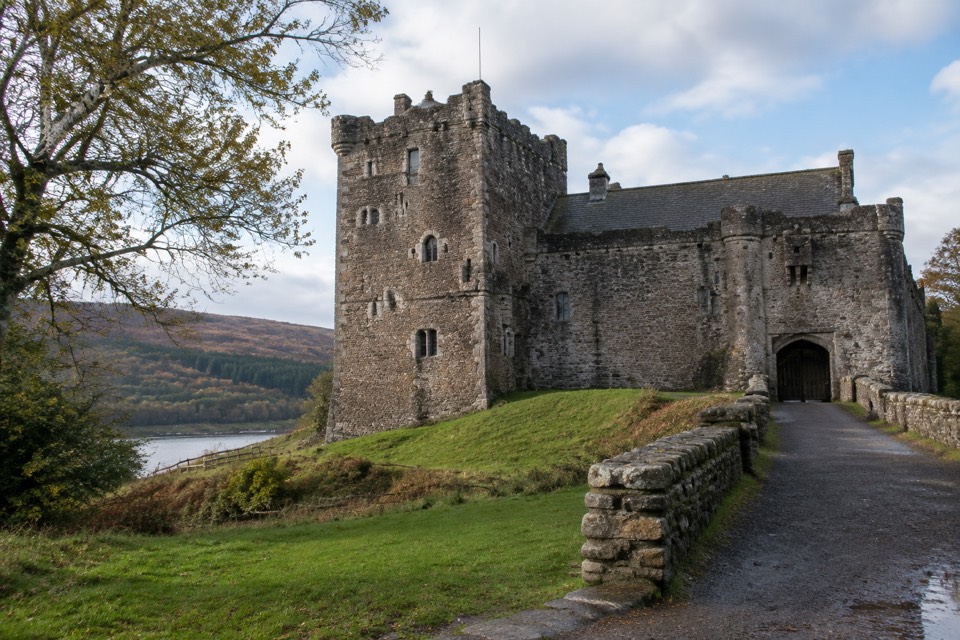
Grey stone medieval castle with a tall gatehouse above a misty river and green sheep pasture

Where Was Monty Python & The Holy Grail Filmed?

The 1975 comedy shot almost entirely on location in Scotland, with one castle playing Camelot, Castle Anthrax and more.

The Short Answer

Monty Python and the Holy Grail was filmed mainly on location in Scotland in 1974. Doune Castle near Stirling stood in for several castles, including Camelot and Castle Anthrax. Castle Stalker appears in the final scene, Glen Coe hosts the Bridge of Death, and a few exteriors were shot in England and Wales.

Monty Python and the Holy Grail arrived in cinemas in 1975 with a famously tiny budget, so the crew could not build the medieval world of its story on soundstages. Instead they headed north and filmed across Scotland, recycling locations with comic ingenuity. The most famous example is Doune Castle, which plays at least four different castles depending on the angle of the camera.

The result is a film that doubles as an accidental tour of some of Britain's most striking scenery, from tidal island fortresses in Argyll to the mountain passes of Glen Coe. Many of these sites can be visited today, and a couple of them have audio guides, boat trips and viewpoints built around their Python connections.

Every Location At A Glance

LocationWhereWhat was filmedAccess
Doune CastleDouneMultiple castles including Camelot (Great Hall), French taunters' castle, Castle Anthrax, Swamp Castle, Trojan RabbitTicketed
Castle StalkerAppinCastle Aaargh (final scene)Outside only
Glen Coe (Meeting of the Three Waters / Bridge of Death area)GlencoeBridge of Death over Gorge of Eternal Peril; various landscape and mountain scenesFree to see
Tomnadashan Mine (near Loch Tay)KillinCave of Caerbannog and killer rabbit sceneOutside only
Bodiam CastleBodiamSingle exterior shot of Swamp Castle during Tale of Sir LancelotTicketed
Epping ForestEppingBlack Knight sequenceFree to see
Arnhall Castle ruinsArnhallHistorian decapitation sceneOutside only
Bracklinn FallsCallanderVarious scenes including waterfallsFree to see
SheriffmuirStirlingClimactic battle scene / army gatheringFree to see

Filming Locations Map

9 locations. The map loads when it scrolls into view.

Map data © OpenStreetMap contributors

Location By Location

Doune Castle, Doune
Location 01

Doune Castle

Stirling, Doune Ticketed

Filmed here: Multiple castles including Camelot (Great Hall), French taunters' castle, Castle Anthrax, Swamp Castle, Trojan Rabbit

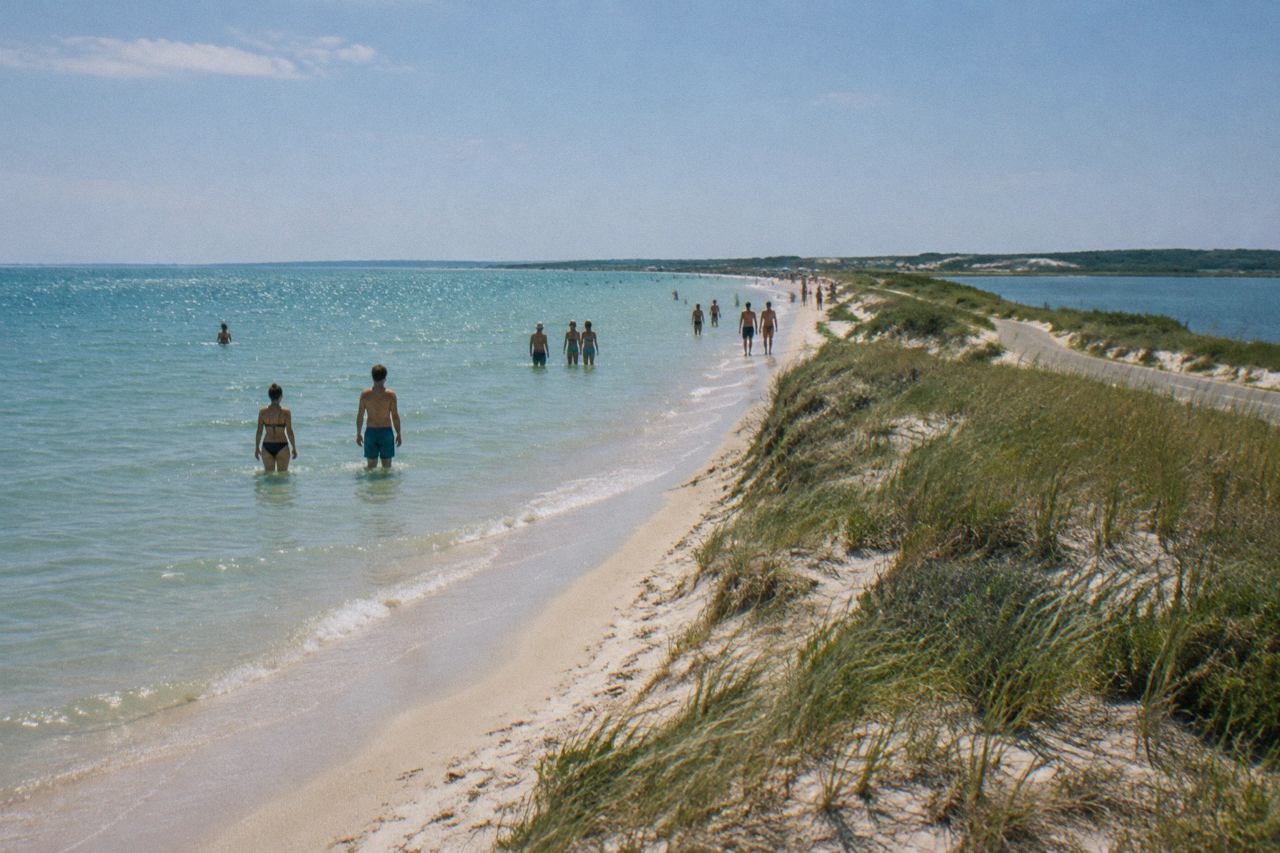
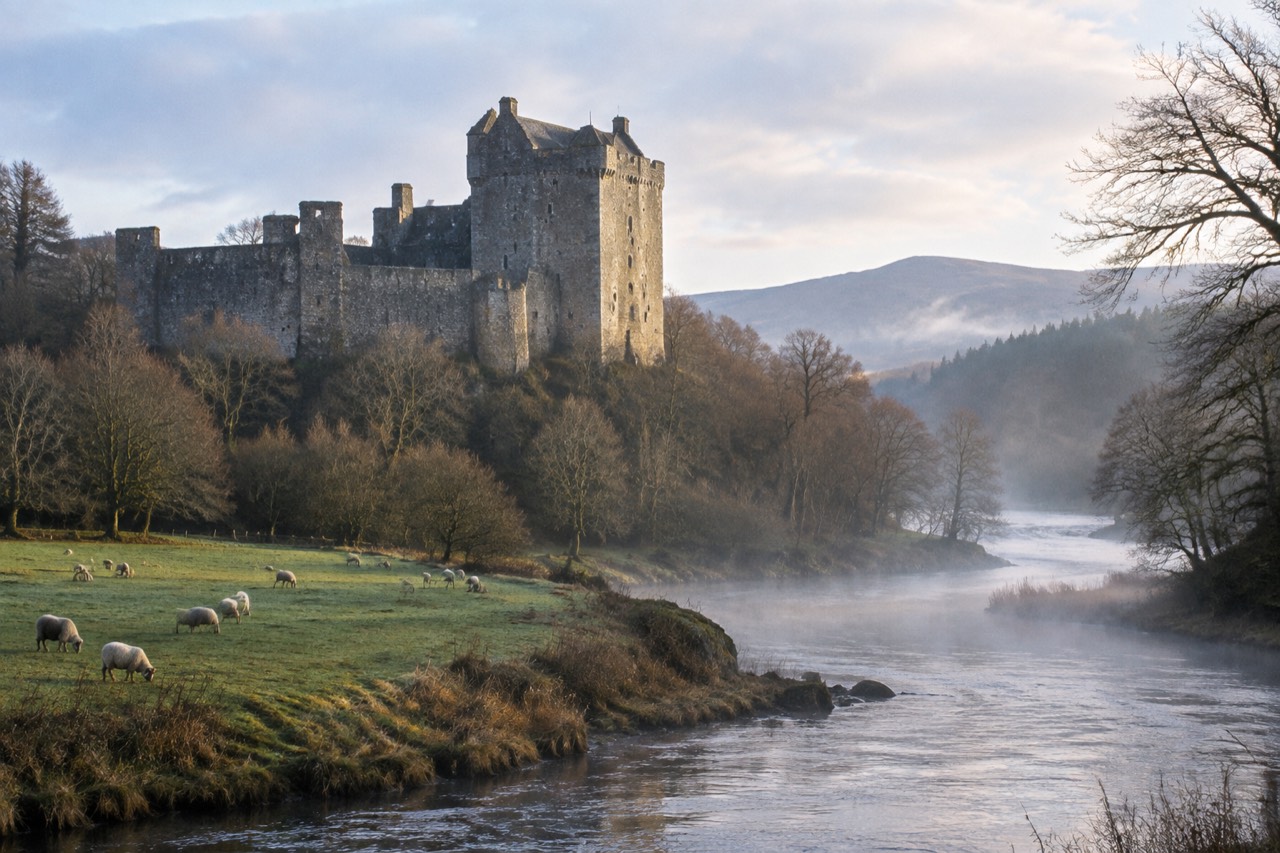
Doune Castle near Stirling is the film's great multitasker. Its Great Hall became Camelot, and its walls and courtyards stood in for the French taunters' castle, Castle Anthrax and Swamp Castle, along with the Trojan Rabbit scene. Permissions for other castles were withdrawn during pre-production, so the crew filmed Doune from different angles. Today it is open to the public with an entry fee, and the audio guide is narrated by co-director Terry Jones with behind-the-scenes anecdotes. It has also appeared in Outlander and Game of Thrones.
Castle Stalker, Appin
Location 02

Castle Stalker

Argyll and Bute, Appin Outside only

Filmed here: Castle Aaargh (final scene)

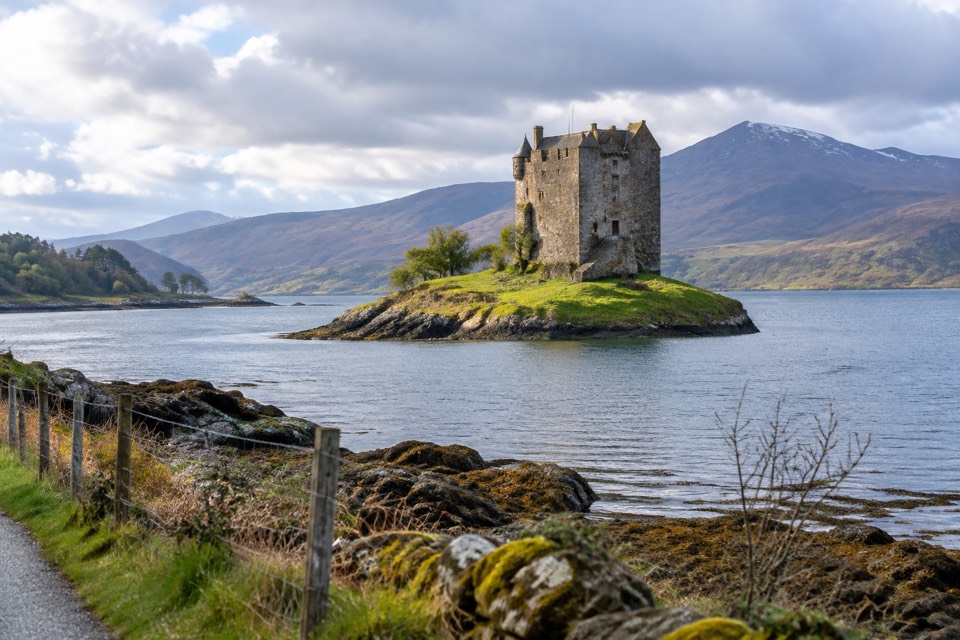
This photogenic tower house sits on a tidal island near Appin in Argyll and Bute, and it serves as the Castle Aaargh in the film's final scenes. It is privately owned, and access is limited to occasional private boat tours that must be booked well ahead. Most visitors view it from the shore viewpoint at Portnacroish, which delivers the classic postcard angle across the water. The castle is a short detour from the main route between Glen Coe and Oban.
Glen Coe (Meeting of the Three Waters / Bridge of Death area), Glencoe
Location 03

Glen Coe (Meeting of the Three Waters / Bridge of Death area)

Highland, Glencoe Free to see

Filmed here: Bridge of Death over Gorge of Eternal Peril; various landscape and mountain scenes

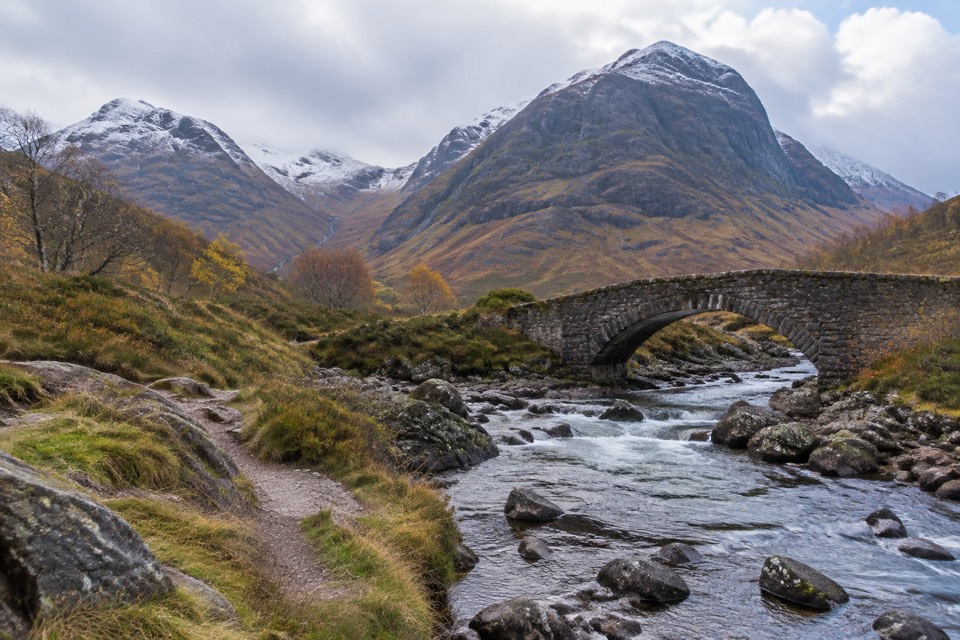
The dramatic Highlands valley of Glen Coe provided the setting for the Bridge of Death over the Gorge of Eternal Peril, along with various mountain and landscape shots. The area around Meeting of the Three Waters is accessible directly from the A82 road, which runs through the glen, and there are popular viewpoints and hiking routes nearby. It is one of the easiest Python locations to visit, since no tickets or bookings are needed, just a car or a place on a Highland tour bus.
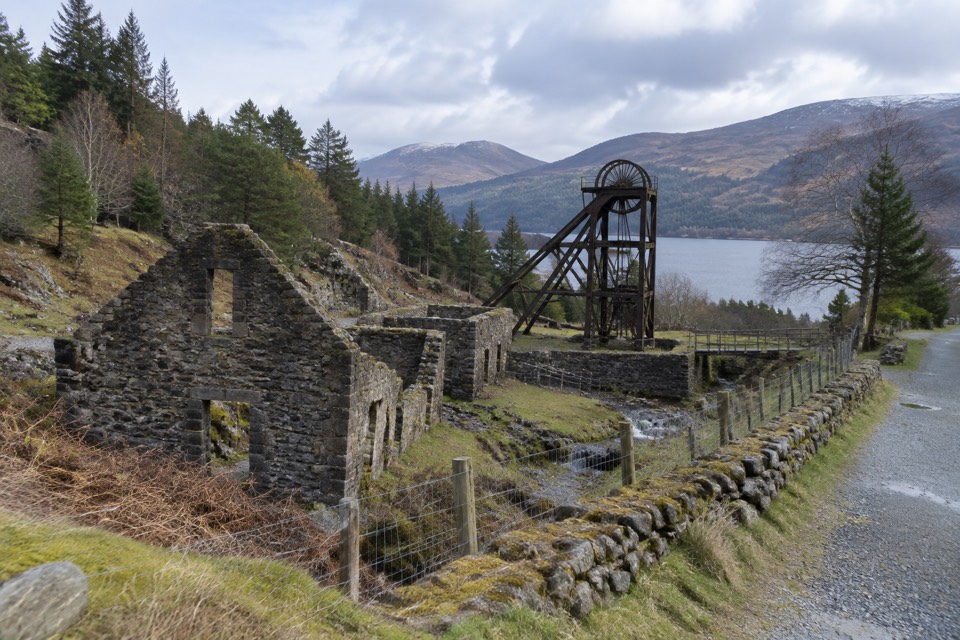
Tomnadashan Mine (near Loch Tay), Killin
Location 04

Tomnadashan Mine (near Loch Tay)

Stirling, Killin Outside only

Filmed here: Cave of Caerbannog and killer rabbit scene

The abandoned Tomnadashan Mine near Killin, close to Loch Tay, served as the Cave of Caerbannog, home of the killer rabbit. There is not much to see today: the site is a derelict mine rather than a visitor attraction, and there is no formal access or interpretation. Fans mostly know it from the film itself. Those exploring the Loch Tay area can appreciate the surrounding scenery, but the mine is effectively an exterior-only location best appreciated on screen.
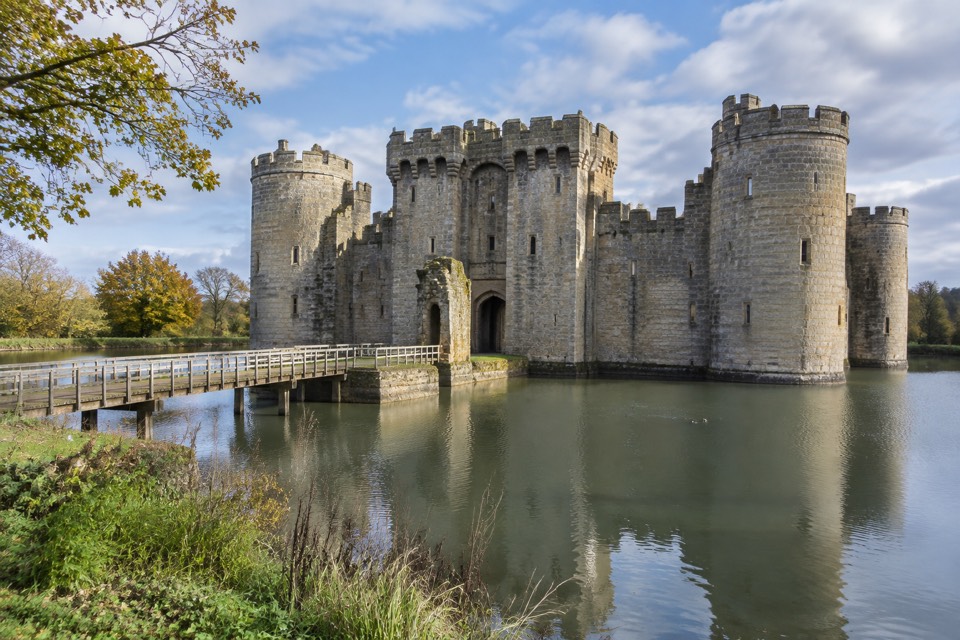
Bodiam Castle, Bodiam
Location 05

Bodiam Castle

East Sussex, Bodiam Ticketed

Filmed here: Single exterior shot of Swamp Castle during Tale of Sir Lancelot

Bodiam Castle in East Sussex, England, supplied a single exterior shot of Swamp Castle during the Tale of Sir Lancelot. The rest of that sequence was filmed elsewhere, but Bodiam's moated silhouette made the cut. Unlike the Scottish sites, this one is a straightforward heritage visit: it is a National Trust property, open to the public with an entry fee, and one of the most picturesque castles in southern England. It makes an easy day trip from London for completists.
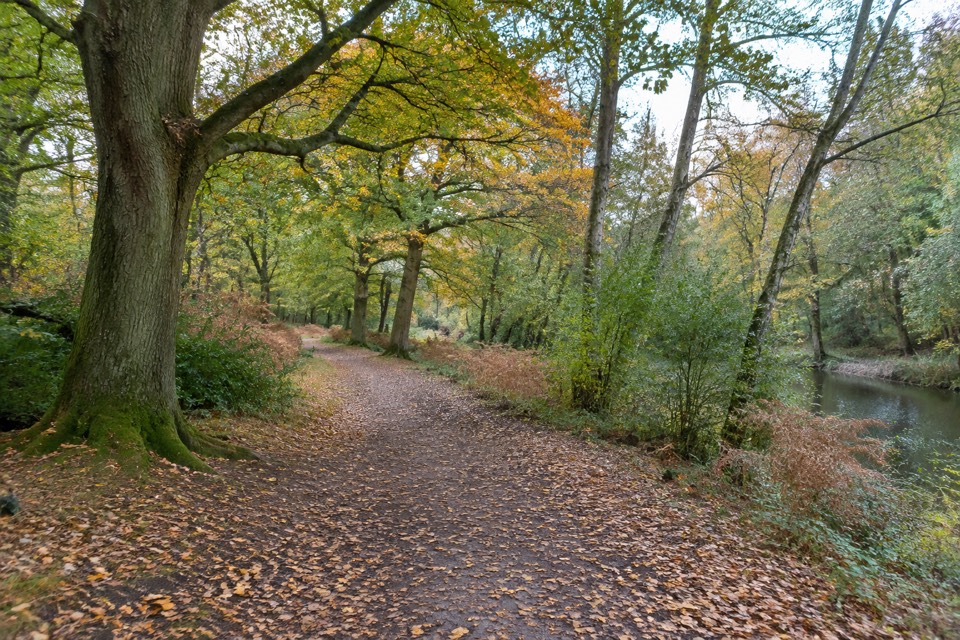
Epping Forest, Epping
Location 06

Epping Forest

Essex, Epping Free to see

Filmed here: Black Knight sequence

The Black Knight sequence, arguably the film's most quoted scene, was filmed in Epping Forest in Essex. The woodland is public and freely accessible, with paths running throughout, so nothing stops a visitor from walking in the same trees where the knight famously refused to call it a draw. There is no filming signage or official Python trail, so the exact spot is a matter of fan detective work rather than a marked attraction.
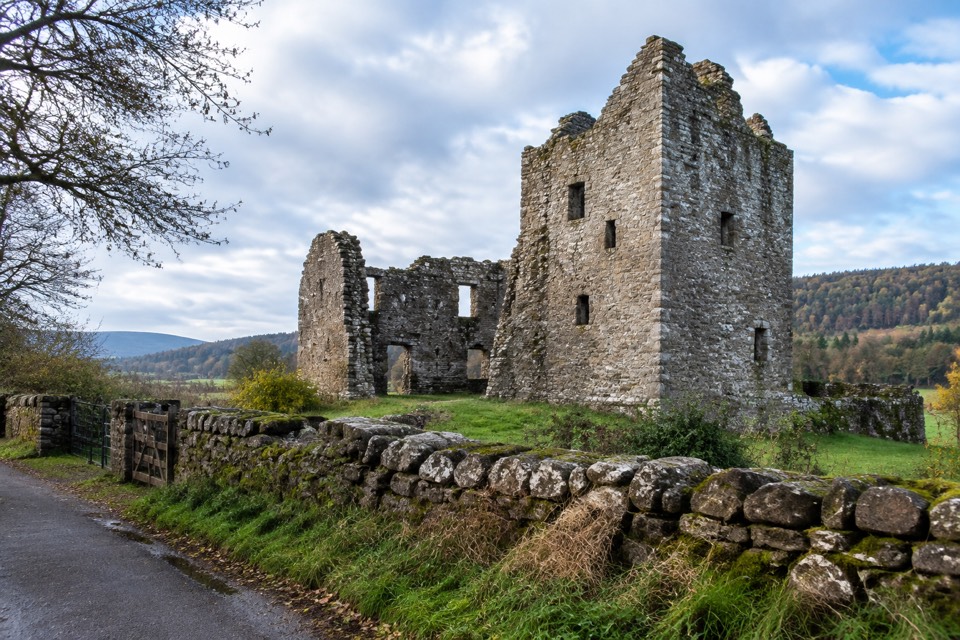
Arnhall Castle ruins, Arnhall
Location 07

Arnhall Castle ruins

Stirling, Arnhall Outside only

Filmed here: Historian decapitation scene

The decapitation of the hapless historian was shot at the Arnhall Castle ruins near the Doune and Dunblane area in Stirlingshire. Access today is limited, as the ruins are not managed as a visitor site and remain largely a view-from-a-distance kind of place. For fans already visiting Doune Castle, the ruins sit in the same general area, which is a reminder of how tightly the production clustered its Scottish locations to save money.
Bracklinn Falls, Callander
Location 08

Bracklinn Falls

Stirling, Callander Free to see

Filmed here: Various scenes including waterfalls

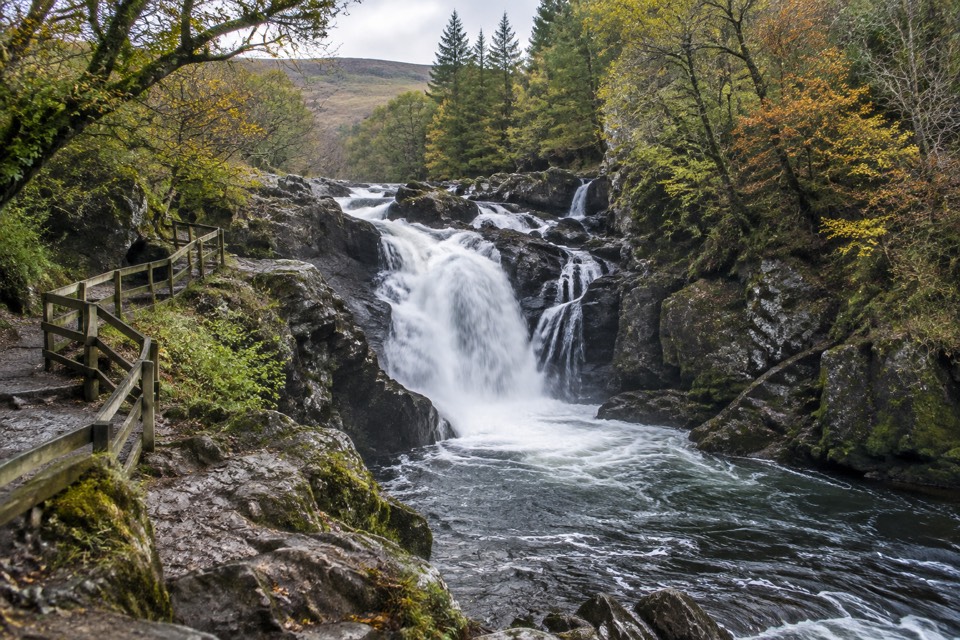
Bracklinn Falls near Callander appears in various scenes, including waterfall shots. It is a public site with a car park nearby and well-trodden paths leading to the falls, making it one of the more pleasant low-effort stops on a Python pilgrimage. Callander itself is a handy base for exploring the Stirlingshire locations, including Doune Castle a short drive away. The falls are popular with walkers regardless of any film connection.
Sheriffmuir, Stirling
Location 09

Sheriffmuir

Stirling Free to see

Filmed here: Climactic battle scene / army gathering

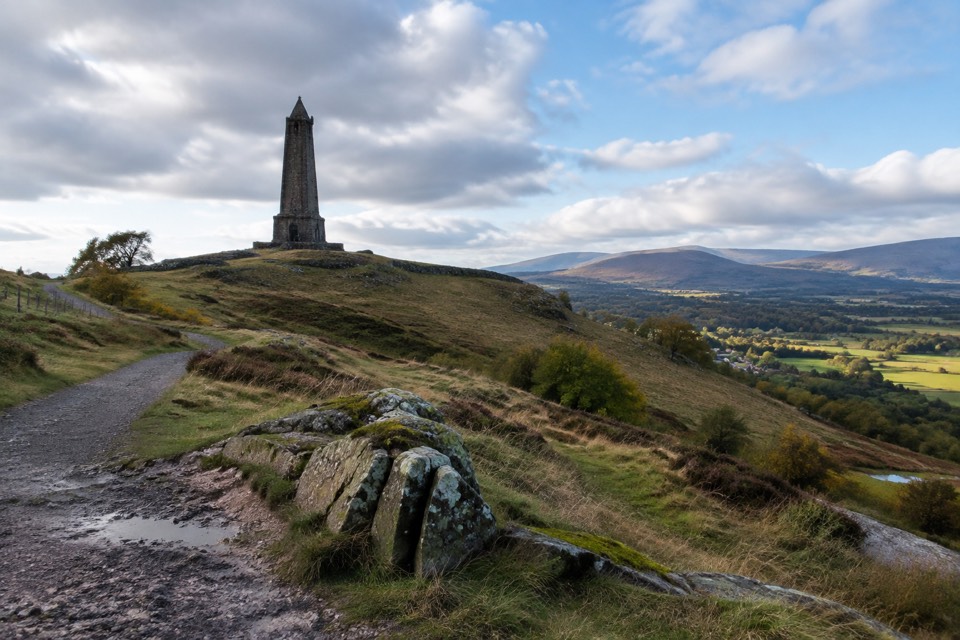
The open moorland of Sheriffmuir, on the slopes of the Ochil Hills near Stirling, hosted the climactic battle scene and the gathering of the army. It is public land with open access, so visitors can simply park and walk onto the moor. Its bleak, wide horizons are exactly why the production chose it for the massed troops. Like the other Stirlingshire locations, it pairs naturally with a visit to Doune Castle and Callander in a single day's driving loop.
Where It Is Set Versus Where It Was Filmed

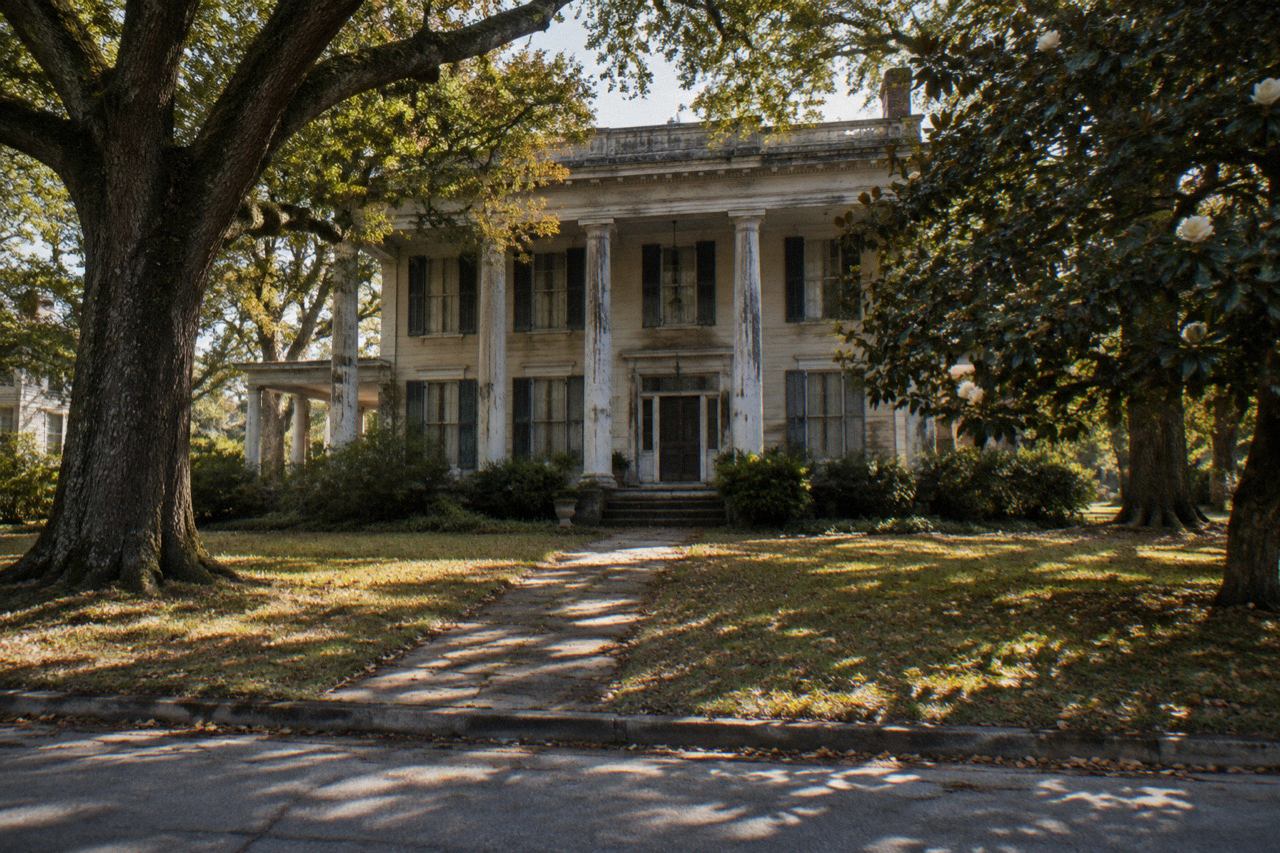
The film is set in medieval Britain, primarily England, as King Arthur travels the land assembling his knights. It was, however, filmed almost entirely in Scotland, with Doune Castle doing the work of several English strongholds, plus a handful of exteriors in England and Wales. Even one still shot in the Tale of Sir Robin was not filmed in Britain at all: it was a photograph of Mount Buffalo National Park in Victoria, Australia.

The Studio Side

Interior work and production support were handled at Twickenham Studios in England. The studio itself is not open to the public as a visitor attraction, so the on-location sites in Scotland, England and Wales are where fans can actually walk in the footsteps of the Pythons.

Tours That Visit These Locations

No dedicated Holy Grail tour exists, but Doune Castle is a regular stop on film and TV tours of the Scottish Highlands departing from Edinburgh, and these itineraries often pass through Glen Coe as well.

From Edinburgh, Highlands Day Trip

From Edinburgh: Hogwarts Express, Glenfinnan & Highland Tour

This full-day Highland excursion from Edinburgh calls at Doune Castle and also travels through Glen Coe country via Glenfinnan, so passengers can tick off two filming regions in one trip. With 1602 reviews and a price of 88.59 USD, it is the popular, affordable option for visitors relying on public transport-free itineraries.

1,602 reviews

Private Castles Full-Day Film Tour

From Edinburgh: Scotland's Castles Full-Day Movie/TV Tour

At 1157.01 USD, this is a private, full-day castles tour built around movie and television locations, with Doune Castle among the stops. It suits groups who want flexibility on timing and route, and it currently carries 1 review, reflecting its bespoke, low-volume nature.

1 reviews

Frequently Asked Questions

Why does the same castle appear as different castles in the film?

The production lost permissions to film at several planned castles, so Doune Castle near Stirling was shot from different angles to stand in for Camelot, Castle Anthrax, Swamp Castle and the French taunters' castle. It was a budget-saving trick that became part of the film's legend.

Can you go inside Castle Stalker?

Only rarely. The castle sits on a privately owned tidal island in Argyll, and access is limited to occasional private boat tours that must be booked well in advance. Most visitors view it from the shore near Portnacroish.

How much of the film was shot in Scotland?

The bulk of it. Filming took place in 1974 mostly in Scotland, including Doune Castle, Glen Coe, Castle Stalker, Sheriffmuir and Bracklinn Falls, with a few exteriors in England and Wales.

Is Doune Castle worth visiting for fans?

Yes. It is open to the public with an entry fee, and the audio guide is narrated by Terry Jones, who co-directed the film and shares behind-the-scenes stories. The castle has since appeared in Outlander and Game of Thrones too.

Who financed Monty Python and the Holy Grail?

The film's low budget was topped up by investors from the rock world, including members of Pink Floyd, Led Zeppelin, Jethro Tull and Genesis.

Where was the killer rabbit scene filmed?

The Cave of Caerbannog sequence was shot at Tomnadashan Mine, an abandoned mine site near Loch Tay close to Killin. It is not a managed visitor attraction, so the cave is best appreciated from the film itself.

A Holy Grail location hunt works best as a Scottish road trip centred on Stirlingshire and the Highlands: Doune Castle, Bracklinn Falls, Sheriffmuir and the Arnhall ruins cluster within a short drive of each other, while Glen Coe and Castle Stalker sit further north along the same broad route. Tour options from Edinburgh that include Doune Castle offer the easiest route for travellers without a car.

Sources