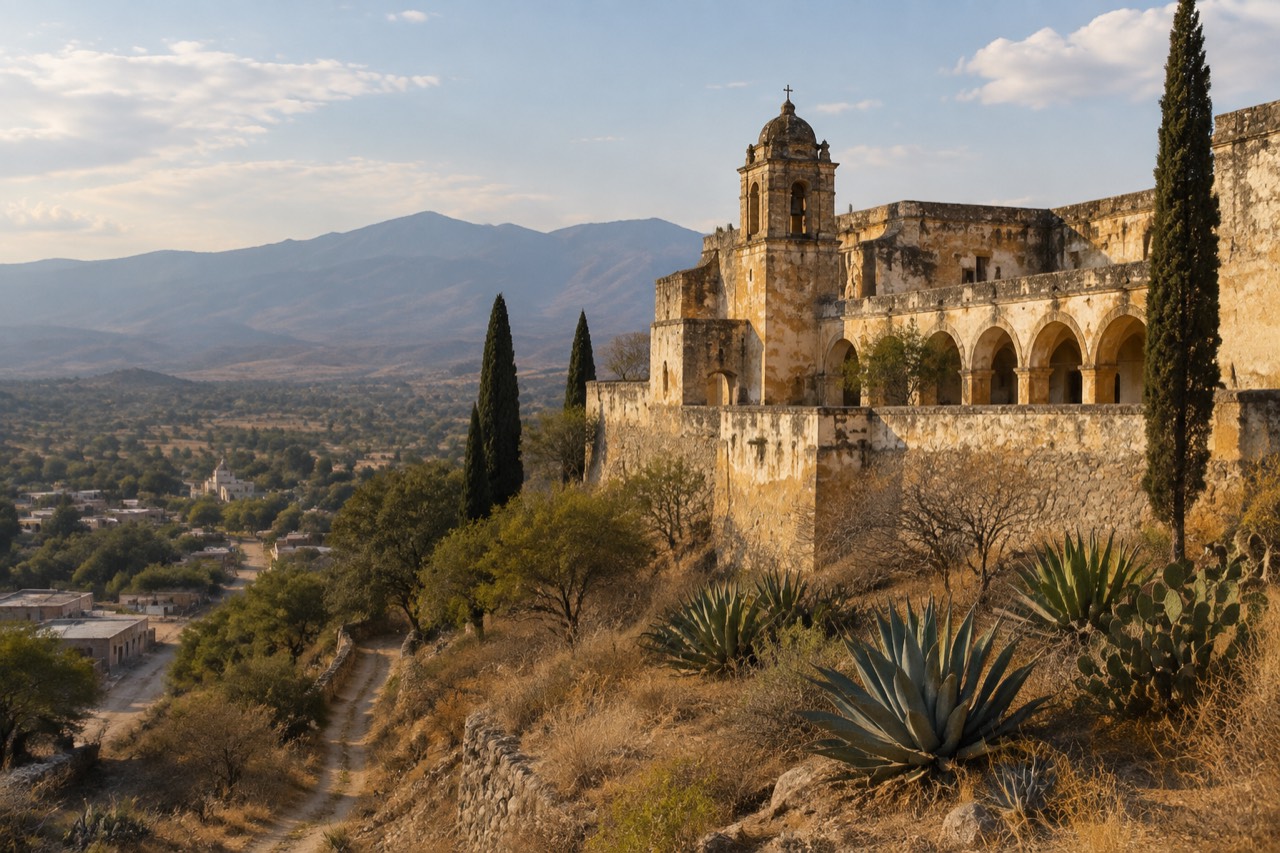
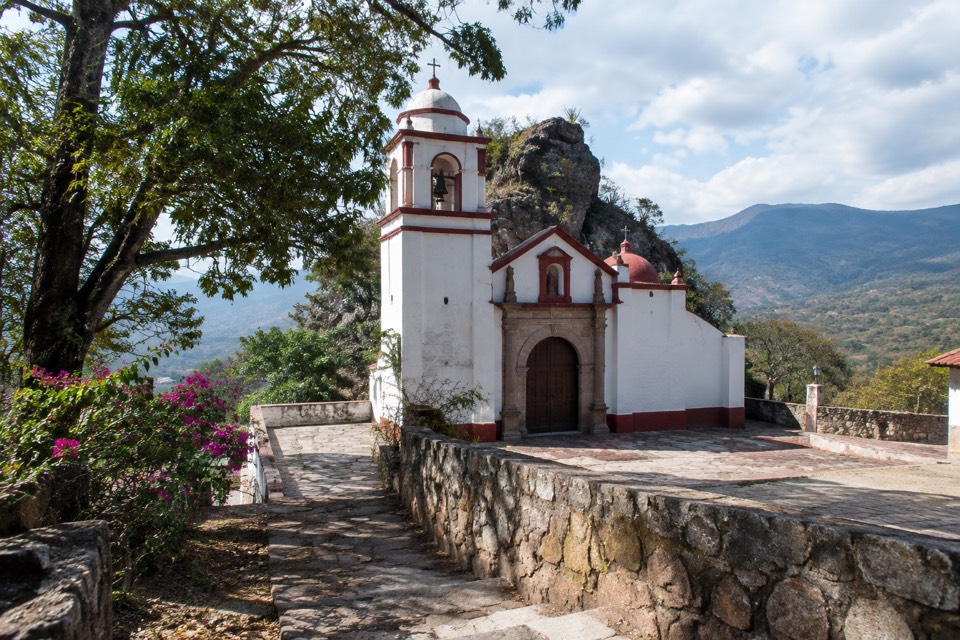
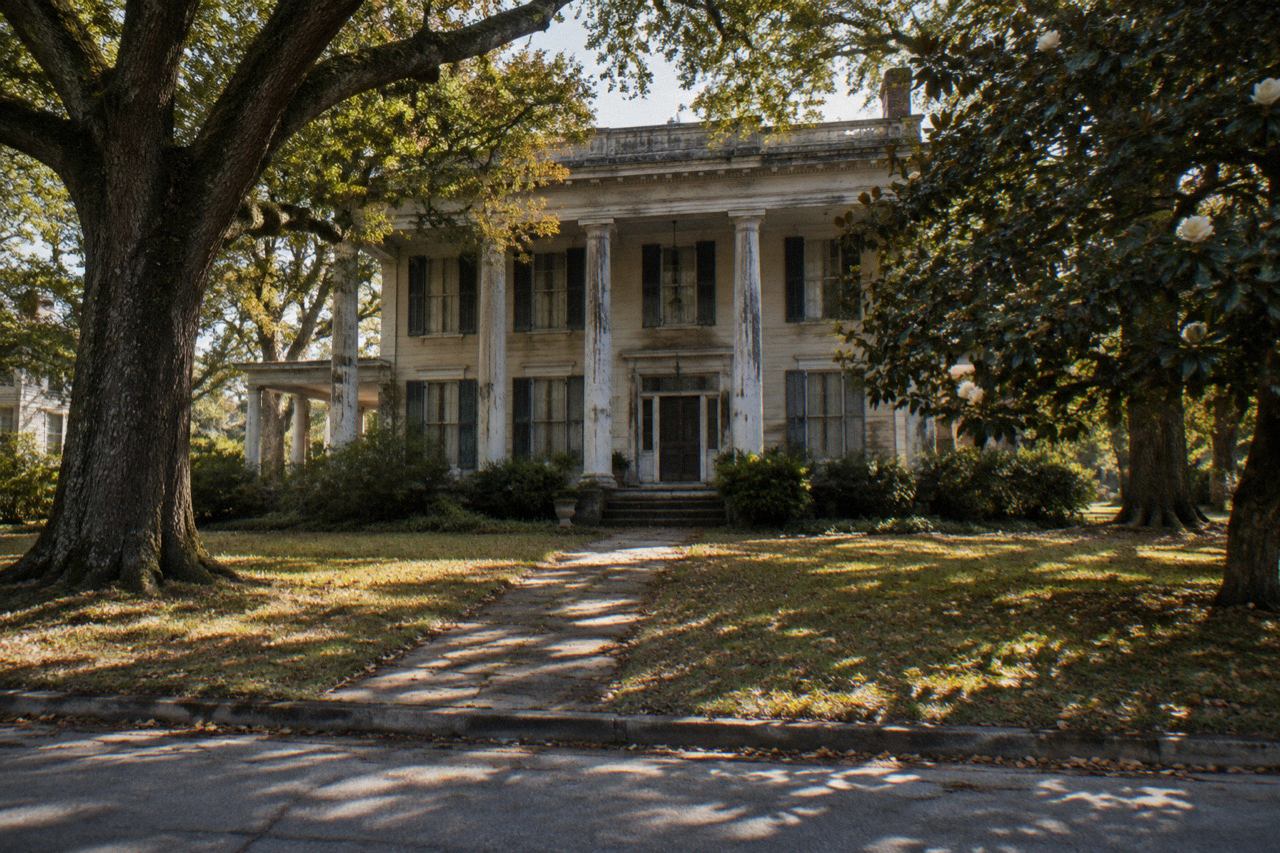
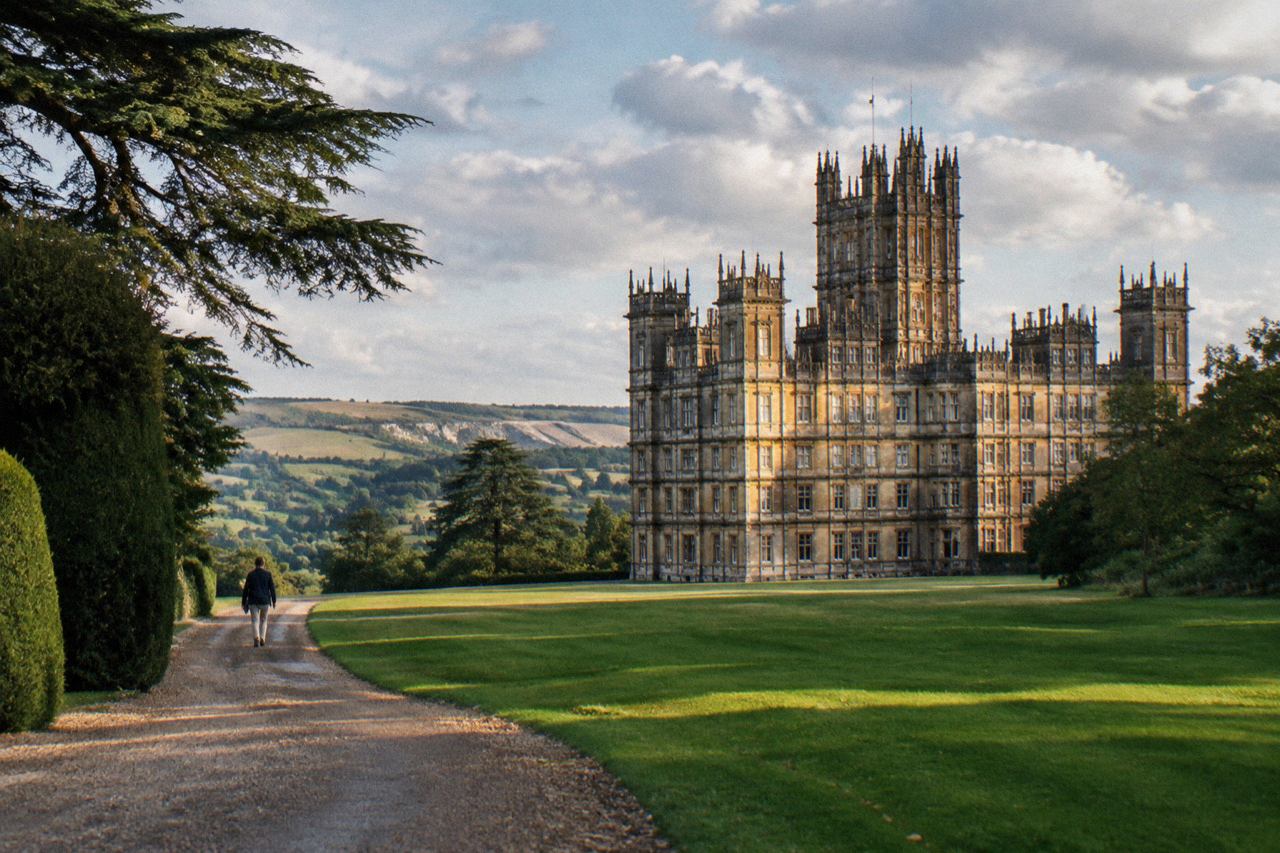
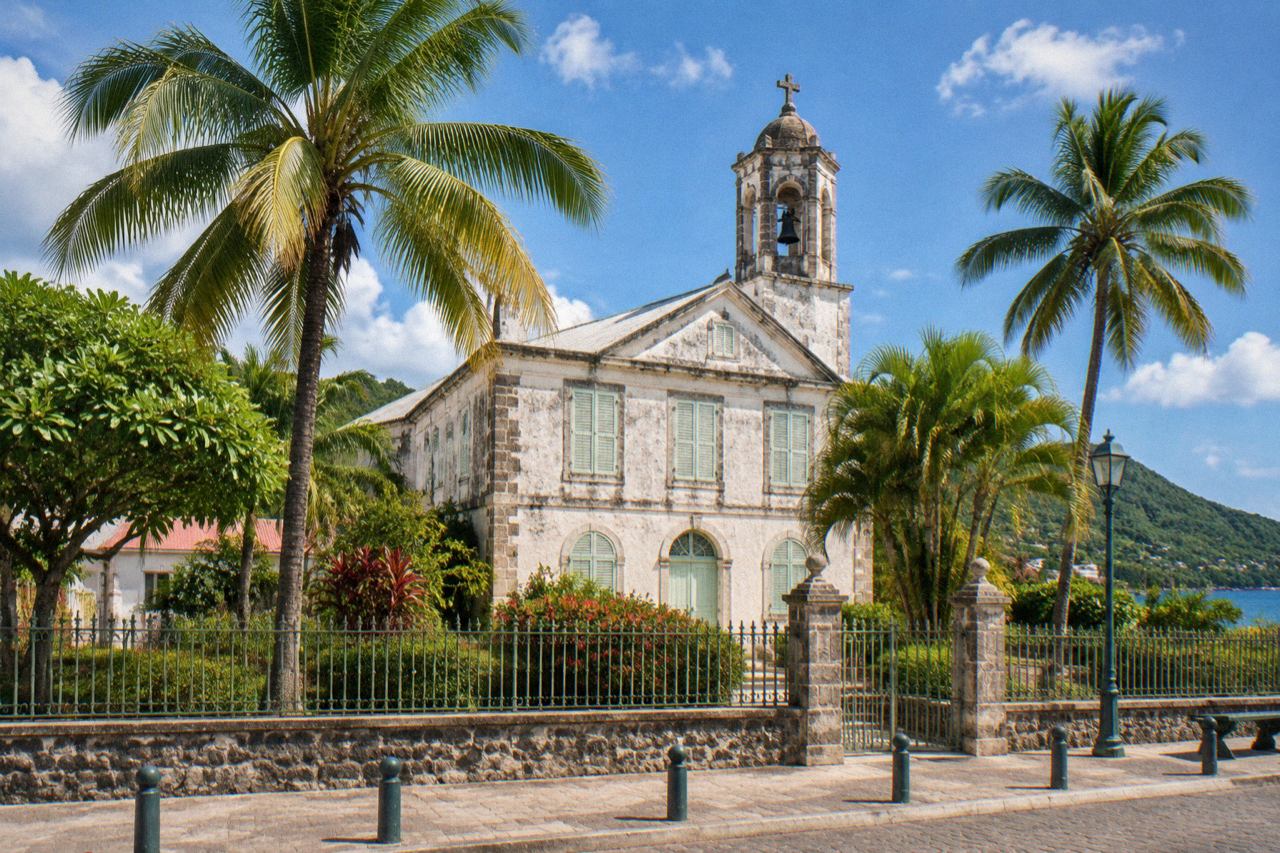
This real 18th-century Catholic sanctuary in Reyes Etla served as the exterior of the monastery and orphanage where Nacho lives and trains. It remains open 24/7 and draws both pilgrims and film fans. The site is accessible by car or public transport from Oaxaca City, making it an easy half-day trip for anyone retracing the film.
The Short Answer
Nacho Libre was filmed mainly in and around Oaxaca, Mexico, especially the Etla region, for its exterior scenes. Interiors and some street scenes were shot on soundstages and the backlot at Universal Studios Hollywood in California. Principal photography began in mid-September 2005 and ran about two and a half months.
Nacho Libre, released in 2006, sends Jack Black's unlikely luchador monk through the markets, plazas and dusty streets of Oaxaca. What surprises many fans is how much of what looks like Mexico was actually built in California. The production split its work between real towns in the Etla valley and soundstages at Universal Studios Hollywood.
For travelers, that split is good news. The Oaxaca locations are largely public, walkable and free to visit, and they sit in one of Mexico's most rewarding food and culture regions. This guide covers every confirmed filming site, what was shot at each one, and how to see them today.
Every Location At A Glance
| Location | Where | What was filmed | Access |
|---|---|---|---|
| Santuario de las Peñitas | Reyes Etla, Mexico | Exterior of the monastery/orphanage where Nacho lives and trains | Free to see |
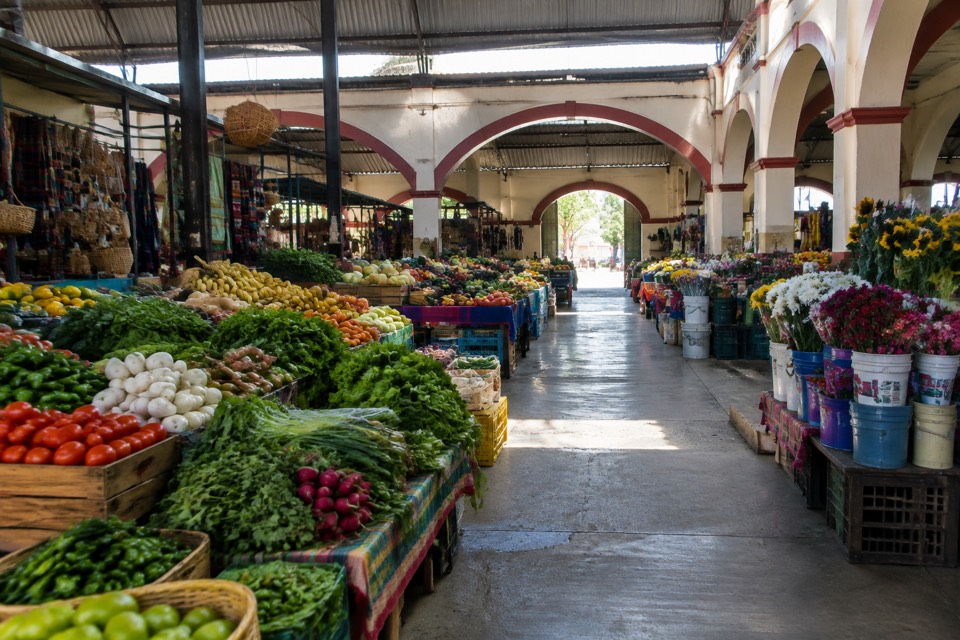
| Mercado Municipal Porfirio Díaz | Villa de Etla, Mexico | Market scenes where Nacho buys boots and ingredients | Free to see |
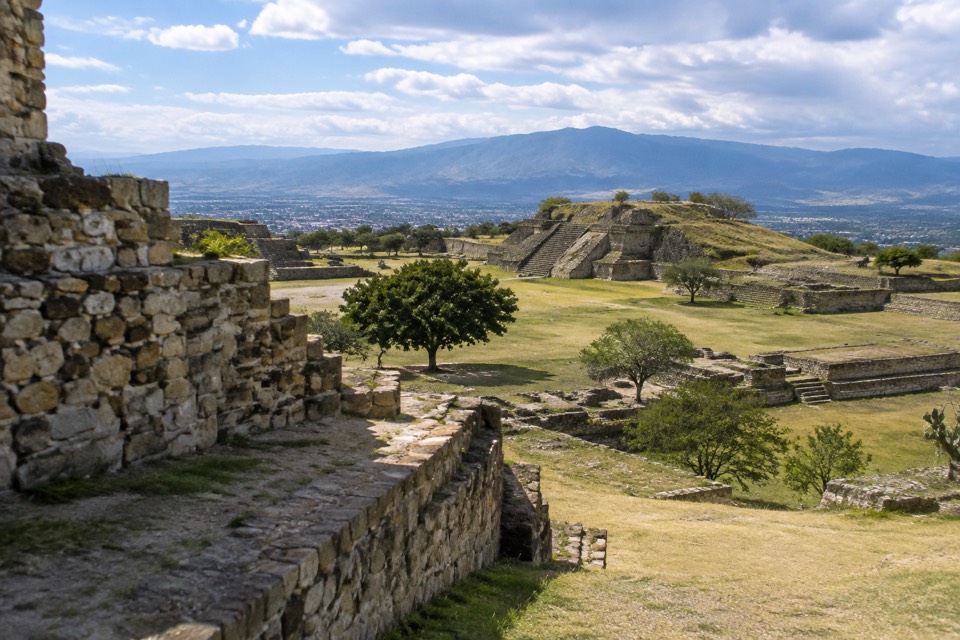
| Monte Albán | Santa Cruz Xoxocotlán, Mexico | Final field trip scene with orphans and Sister Encarnación | Ticketed |
| Calle Rufino Tamayo | Oaxaca de Juárez, Mexico | Street scene where Nacho meets Esqueleto (Los Arquitos area) | Free to see |
| Mexican Street Backlot | Universal City, United States | Various street and exterior scenes | Ticketed |
| C. de Manuel García Vigil | Oaxaca de Juárez, Mexico | Steven steals the chips scene | Free to see |
| Arena Oaxaca area | Oaxaca de Juárez, Mexico | Wrestling match scenes (some filmed or inspired here) | Free to see |
| Callejón de la Pilita | Oaxaca de Juárez, Mexico | Night scenes and street interactions | Outside only |
Filming Locations Map
8 locations. The map loads when it scrolls into view.
Map data © OpenStreetMap contributors
Location By Location
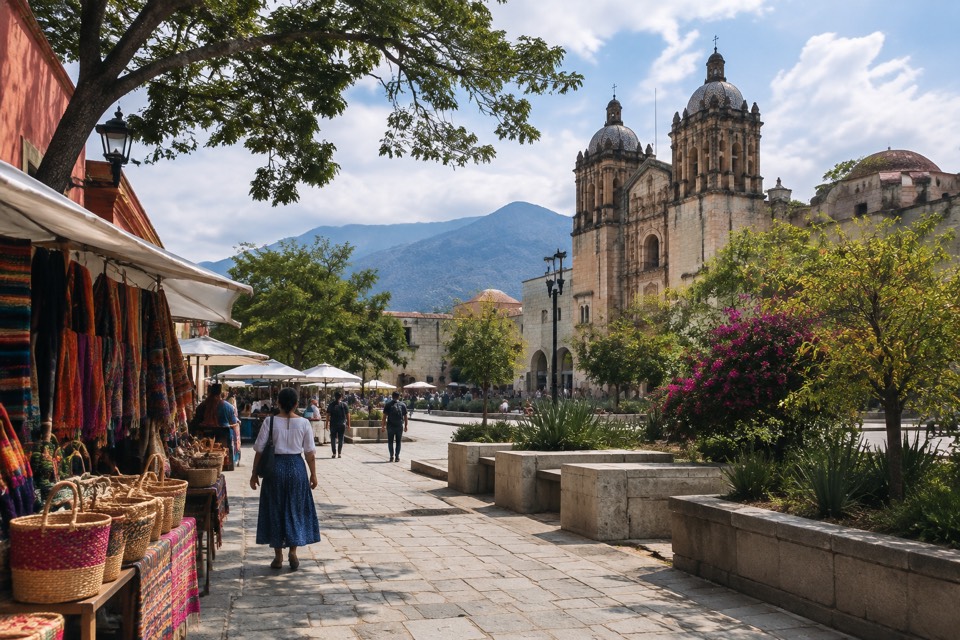
The market scenes, including where Nacho buys boots and ingredients, were filmed at this working market in Villa de Etla. It is still an active market, and Wednesdays are market day, when outdoor stalls fill the area and the atmosphere comes closest to the film's bustle. Visitors can browse freely and combine the stop with nearby Etla locations.
The final field trip scene with the orphans and Sister Encarnación was shot at Monte Albán in Santa Cruz Xoxocotlán. This UNESCO World Heritage Site is an ancient Zapotec city with sweeping terraces and pyramids. Entry requires a ticket, though Mexican nationals can visit free on Sundays. It is a short drive from Oaxaca City and pairs well with other filming locations.
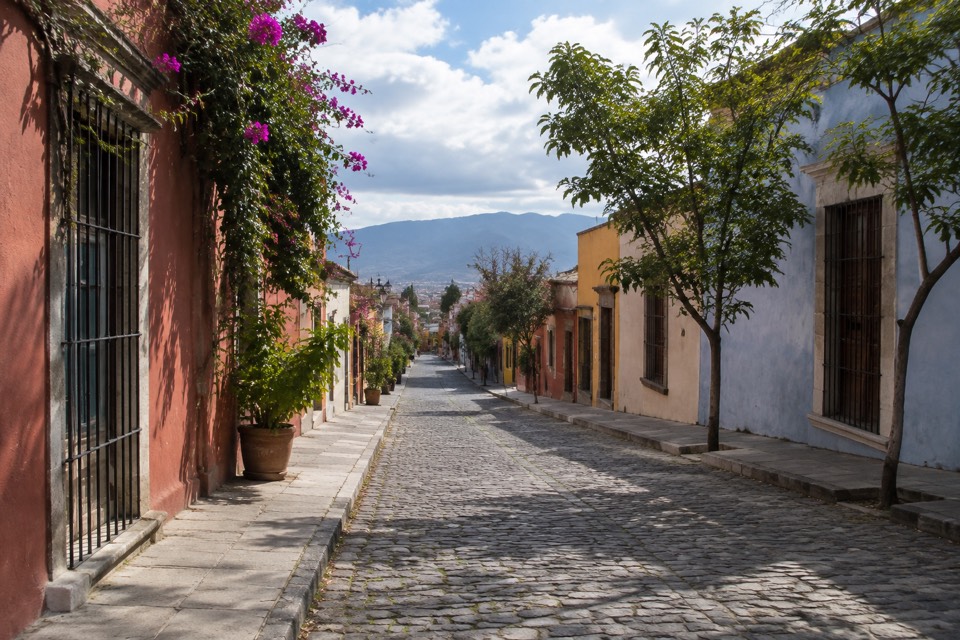
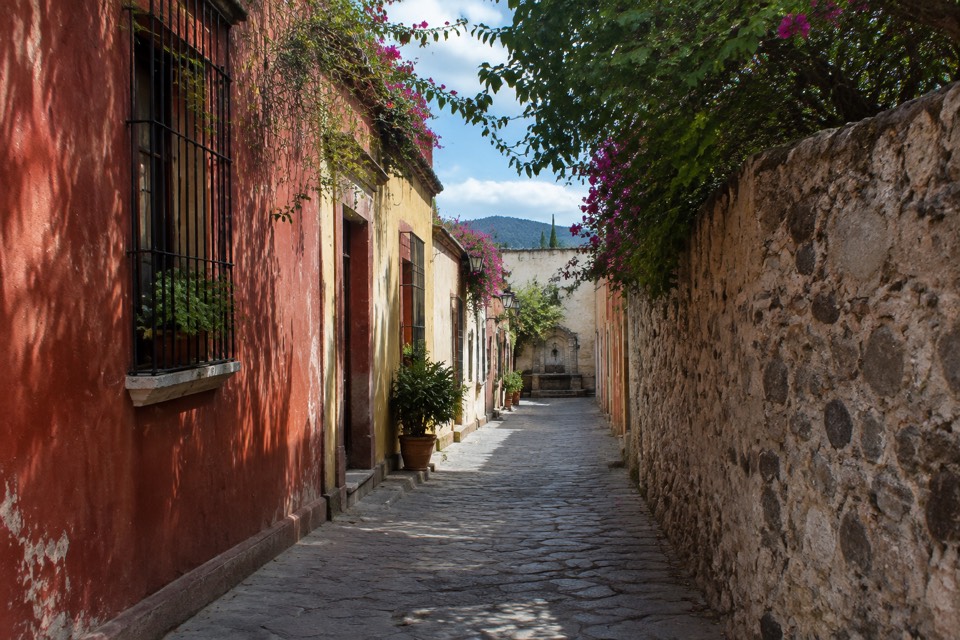
The street scene where Nacho meets Esqueleto was filmed in the Los Arquitos area along this cobblestone street in Oaxaca's historic center. It is fully public and easily reached on foot from the main square. Fans often recreate the encounter scene here, and the surrounding blocks offer cafes and colonial architecture worth lingering over.
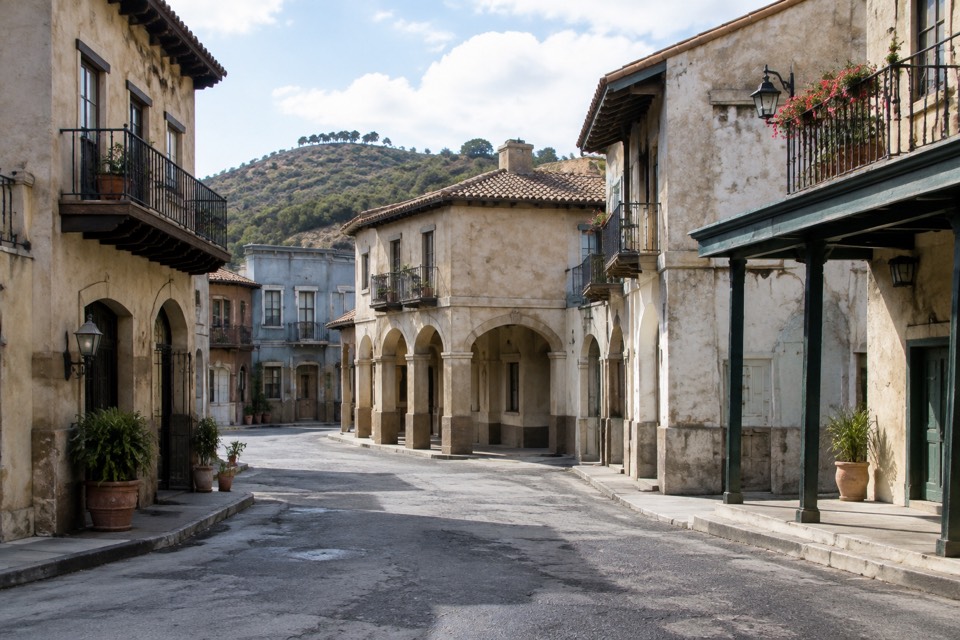
Various street and exterior scenes were filmed on Universal Studios Hollywood's Mexican Street backlot in Universal City, California. Unlike the Oaxaca sites, this one sits inside a working theme park, so visiting means buying park admission. The famous Studio Tour tram passes through the backlot, giving visitors a look at the sets where parts of the film came together.
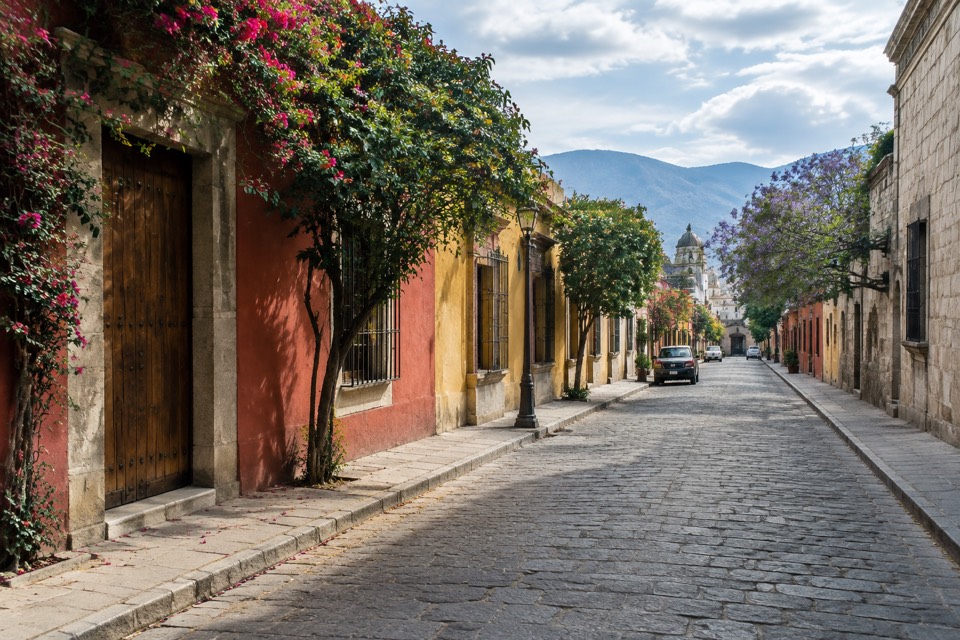
The scene in which Steven steals the chips was shot on this historic street in Oaxaca's centro. It is public, walkable and steps from the city's main attractions, so most visitors will cross it naturally while exploring. Look up from the chips shops and the colonial facades make the spot easy to recognize from the film.
Some wrestling match scenes were filmed in, or inspired by, the Arena Oaxaca area of Oaxaca City. The surrounding blocks are public, and travelers can catch actual lucha libre events at nearby arenas such as San Francisco. Watching a live match is arguably the closest a visitor can get to the film's masked-wrestling energy.
Night scenes and street interactions were shot at this narrow lane in Oaxaca City. Access is exterior only, as some parts are private or restricted, and photography may be prohibited in places. Visitors should be respectful of residents, view the alley from public vantage points, and move on to the many fully open locations nearby.
Where It Is Set Versus Where It Was Filmed
The story is set in a fictional orphanage and town in Oaxaca, around the Etla region. The filming, however, was split: exteriors used real Oaxaca locations including Etla, Monte Albán and streets in Oaxaca City, while interiors and street sets were built at Universal Studios Hollywood. Contrary to the common belief that everything was shot in Mexico, most interiors were filmed on California sound stages.
The Studio Side
Universal Studios Hollywood in Universal City, California, hosted the soundstage interiors and the Mexican Street backlot used for various street and exterior scenes. It remains a visitable, ticketed attraction, and the Studio Tour takes guests through the backlot where the Mexican street sets stand. It is the only way to see the Hollywood half of the film's production.
Tours That Visit These Locations
Two guided tours in Oaxaca take visitors to the film's real locations, with local guides handling transport between the Etla valley sites and the city streets. Both suit travelers who want the story behind each scene rather than plotting bus routes on their own.
Local-Guided Footsteps Tour, Etla Valley
After the footsteps of Nacho Libre in Oaxaca
A five-star rated tour from $212 with 25 reviews, following the film's Oaxaca locations in the company of a guide who recreates key scenes along the way.
Guided Locations Day Tour, Oaxaca
In the Footsteps of Nacho Libre in Oaxaca
A full guided circuit of the Nacho Libre filming locations around Oaxaca, priced at $236.49 per person, covering the monastery, market and city streets with a guide who knows each scene.
Frequently Asked Questions
Was Nacho Libre filmed entirely in Mexico?
No. While the exteriors were shot in real Oaxaca locations such as Etla, Monte Albán and Oaxaca City streets, most interiors were filmed on sound stages at Universal Studios Hollywood in California.
Can you visit the monastery from Nacho Libre?
Yes. The Santuario de las Peñitas in Reyes Etla is a real 18th-century sanctuary, open 24/7, and reachable by car or public transport from Oaxaca City. It welcomes both pilgrims and film fans.
Is Monte Albán free to enter?
No, a ticket is required. Mexican nationals can enter free on Sundays. The site is a UNESCO World Heritage Site and an ancient Zapotec city.
When was Nacho Libre filmed?
Principal photography began in mid-September 2005 and lasted about two and a half months. The film was released in 2006.
Is Nacho Libre based on a true story?
Loosely. The film draws on the real-life story of Fray Tormenta, the ring name of Sergio Gutiérrez Benítez, a priest who wrestled to support an orphanage.
Can you see the Nacho Libre sets at Universal Studios Hollywood?
Yes, with park admission. The Studio Tour passes through the Mexican Street backlot where various street and exterior scenes were filmed.
Oaxaca offers the richer Nacho Libre pilgrimage: a real 18th-century sanctuary, a living market, a UNESCO archaeological site and walkable colonial streets, all within a compact region famous for its food. For the Hollywood half of the story, the Universal Studios Hollywood Studio Tour covers the backlot sets. Either way, the film's Mexico is far more real, and far more visitable, than most fans expect.