Where It Is Set Versus Where It Was Filmed
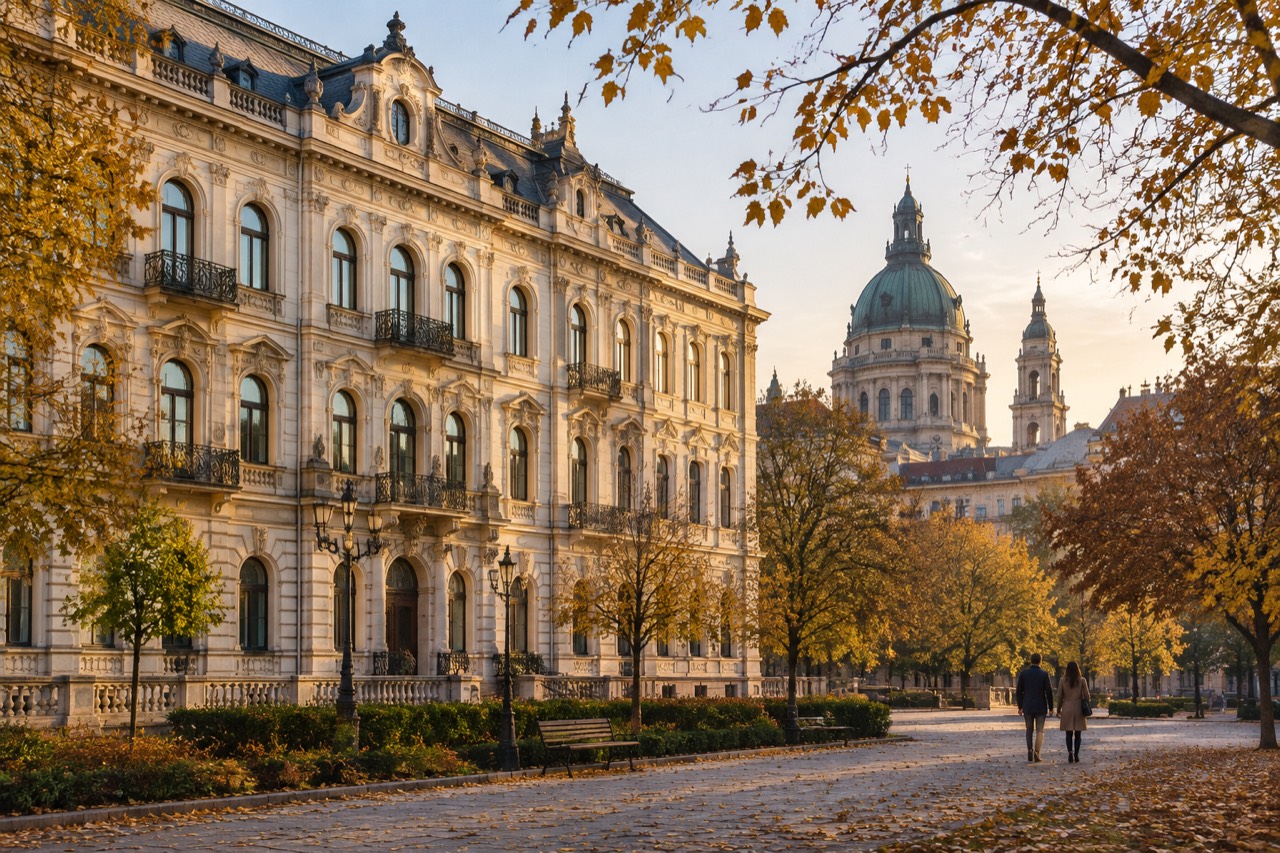
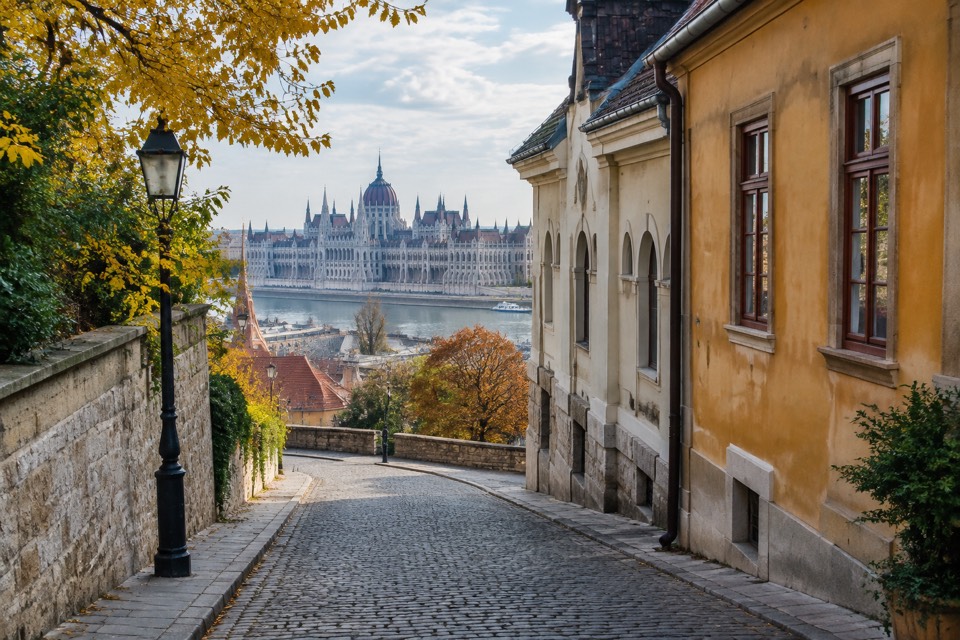
The story is set in Nuremberg, Germany, in the immediate aftermath of the Second World War, but the filming never left Hungary. Budapest doubled for postwar Germany thanks to similar European architecture, and the production used local soundstages for the controlled interior work. Rami Malek noted that locals gave the crew standing ovations after courtroom takes, a reaction he attributed to the historical resonance of the material.
The Studio Side
Courtroom and prison interiors were built on Budapest soundstages at ORIGO Studios and Korda Studios, two of Hungary's leading production facilities. Neither studio offers public visits connected to the film, so travelers should focus on the city locations instead. The studios are, however, a recurring reason big-budget period productions keep landing in Budapest.
Tours That Visit These Locations
For visitors who want a guided route through the city's film history, one Budapest walking tour includes stops connected to Nuremberg among its broader lineup of movie locations.
All-in-One Budapest Walk
Budapest: All-in-One History, Hollywood & Music Walking Tour
This all-in-one walking tour covers Budapest's history, music heritage, and Hollywood filming locations, including real sites from Nuremberg alongside spots from other movies and series. At roughly the price of a coffee, it is a low-commitment way to orient yourself in the historic districts where the film's street scenes were shot, with nine reviews so far.
★ 9 reviews
Frequently Asked Questions
Was Nuremberg filmed in Germany?
No. Although the story is set in postwar Nuremberg, Germany, the entire production was filmed in Budapest, Hungary, from February to May 2024.
Can you visit the studios where the film was shot?
ORIGO Studios and Korda Studios in Budapest hosted the courtroom and prison interiors, but neither is open to the public for film-related visits.
Which Nuremberg filming locations can tourists see in Budapest?
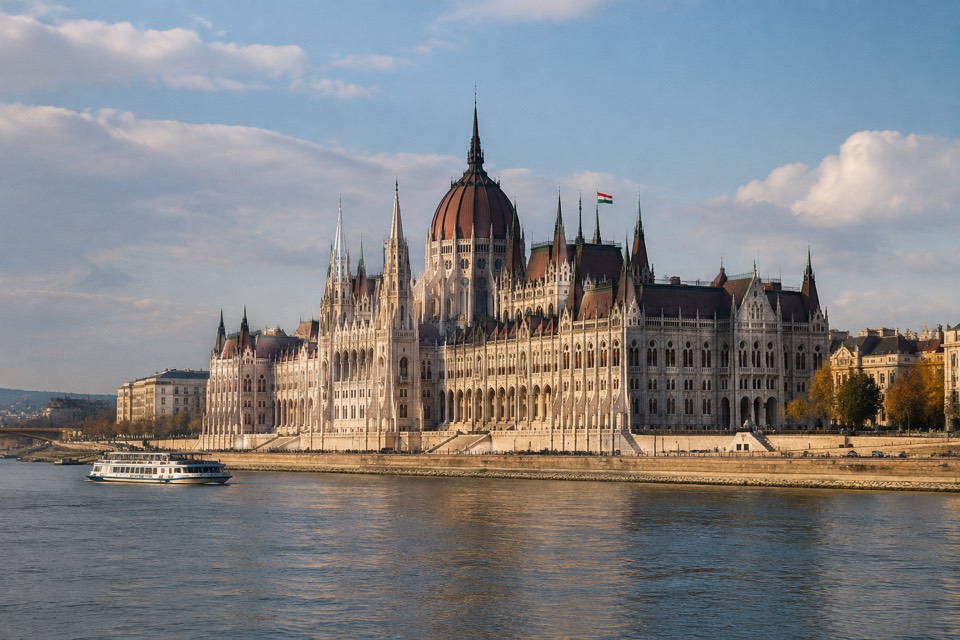
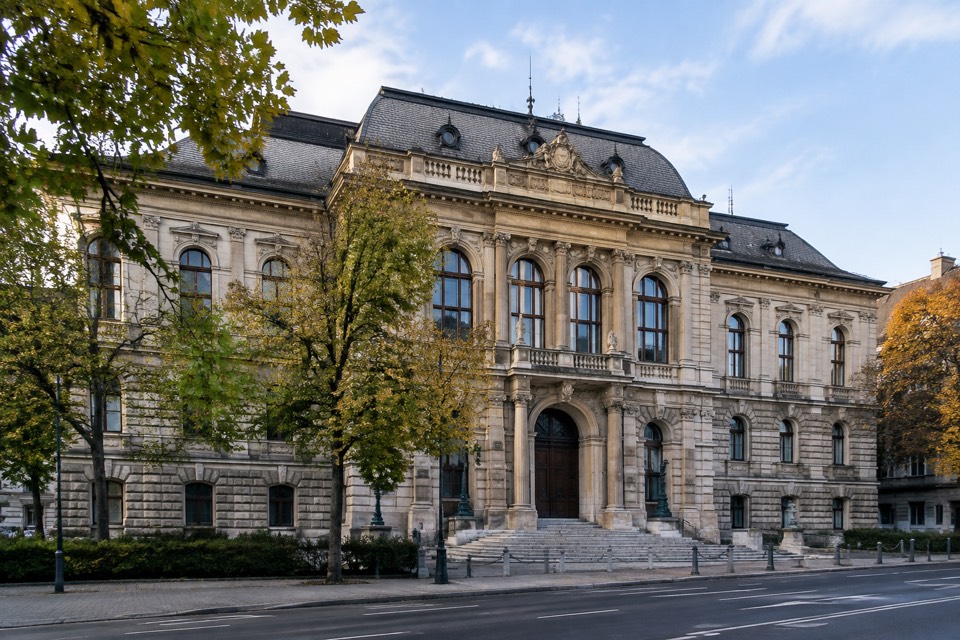
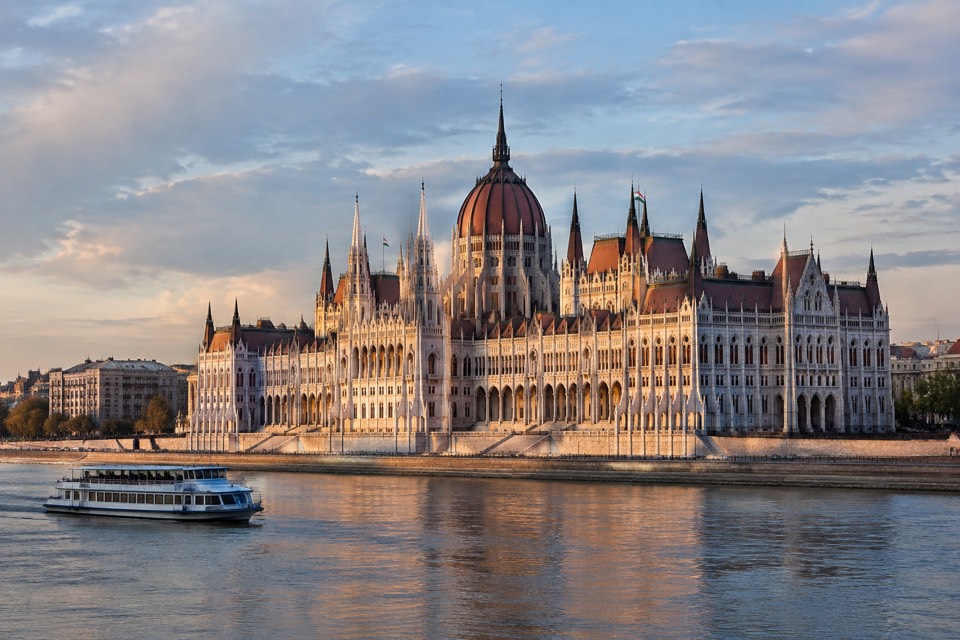
The Hungarian Parliament Building is open on ticketed tours, Duna Palota can be accessed for events depending on schedule, the National Archives of Hungary Building is viewable from the exterior, and the historic district streets used for outdoor scenes are fully public and walkable.
Why did the filmmakers choose Budapest?
Budapest's European architecture convincingly doubles for postwar Germany, and the city offers major soundstage facilities for interior work, which made it practical to shoot the entire film there.
Is the Hungarian Parliament Building worth visiting for film fans?
Yes. It appears in the scene where Justice Robert H. Jackson visits Pope Pius XII, and it is one of Budapest's most visited landmarks, with tours available. Book tickets in advance because demand is high.
When was Nuremberg released?
The film was released in 2025, following principal photography in Budapest between February and May 2024.
Budapest carries the full weight of Nuremberg's postwar setting, and the good news for travelers is that most of what appears on screen is easy to reach on foot. The Parliament tour is the headline visit, the archive facade is a quick photo stop, and the historic streets reward aimless wandering. A guided walking tour that touches on the film's locations can tie it all together without much cost or planning.