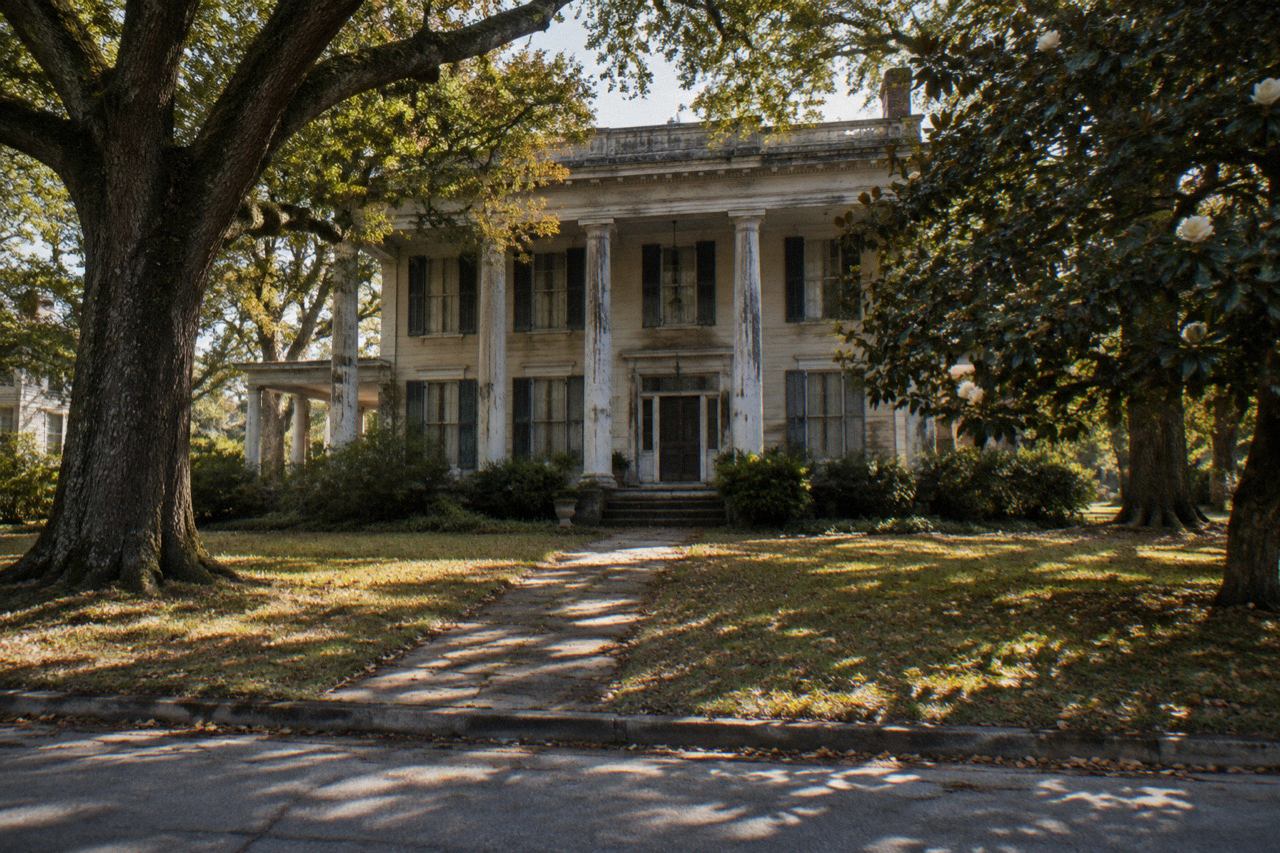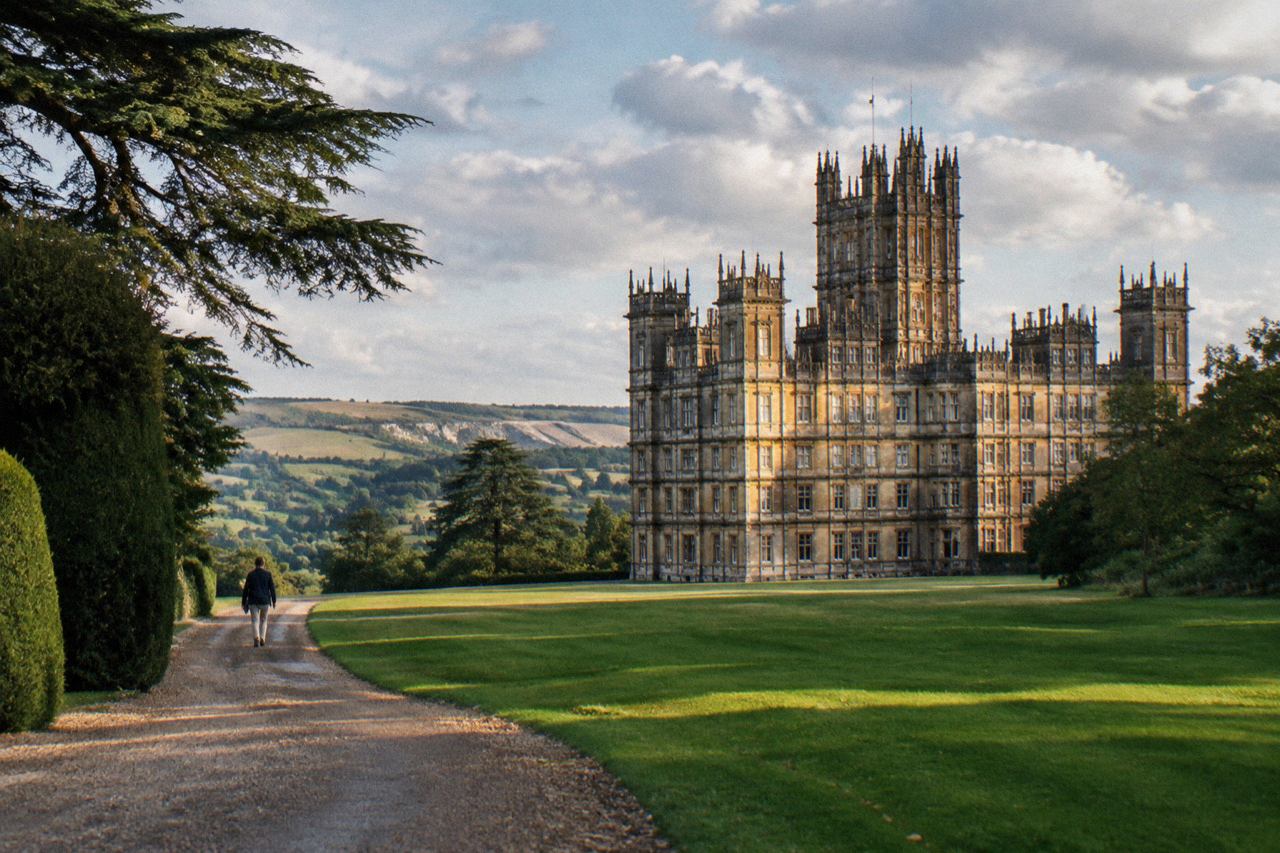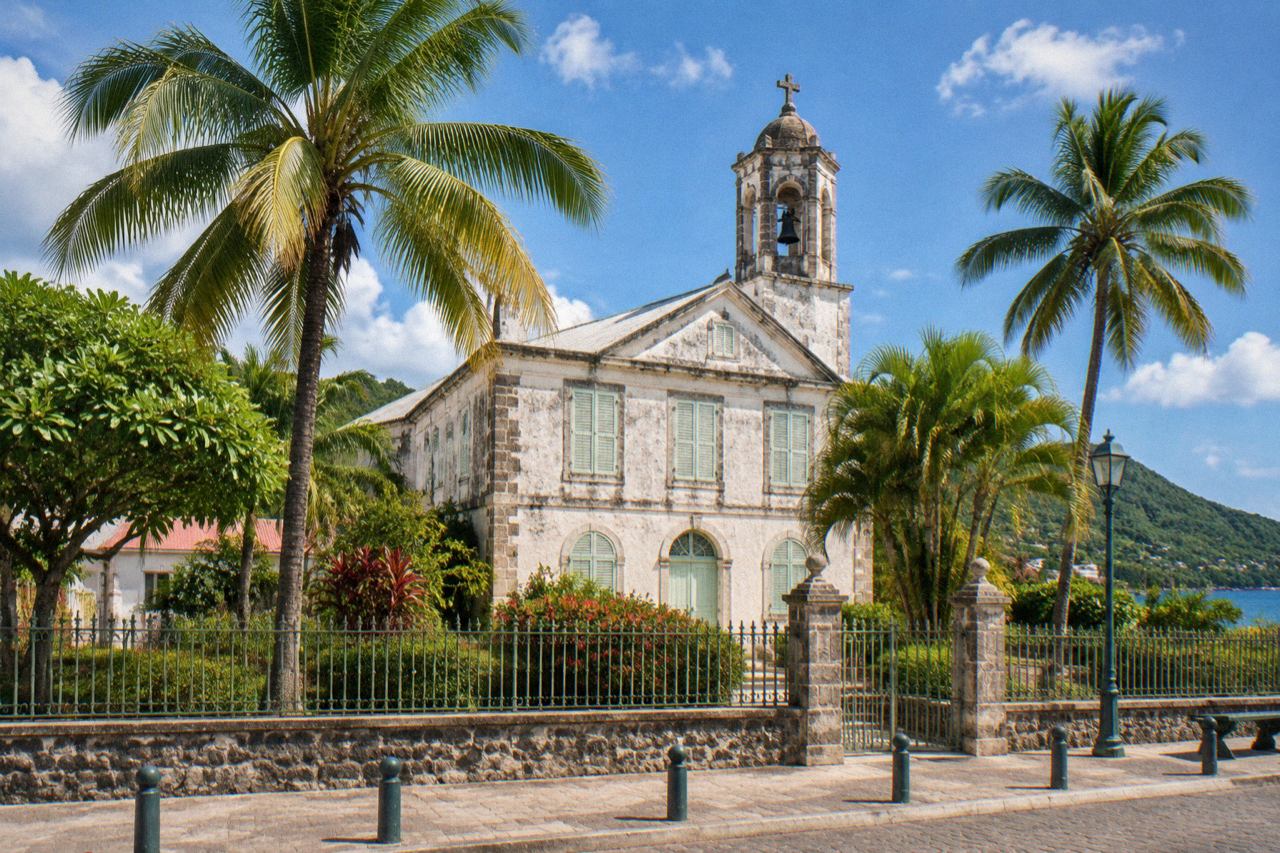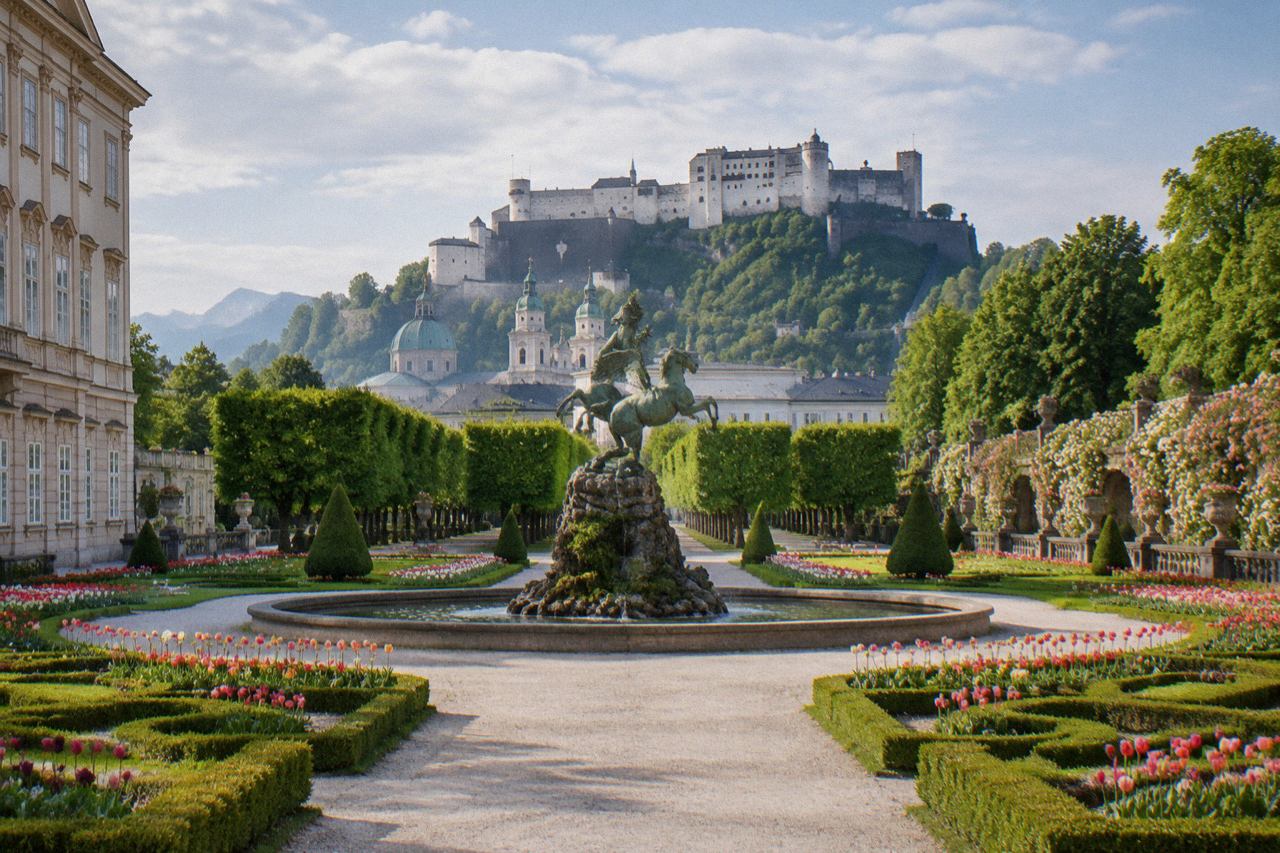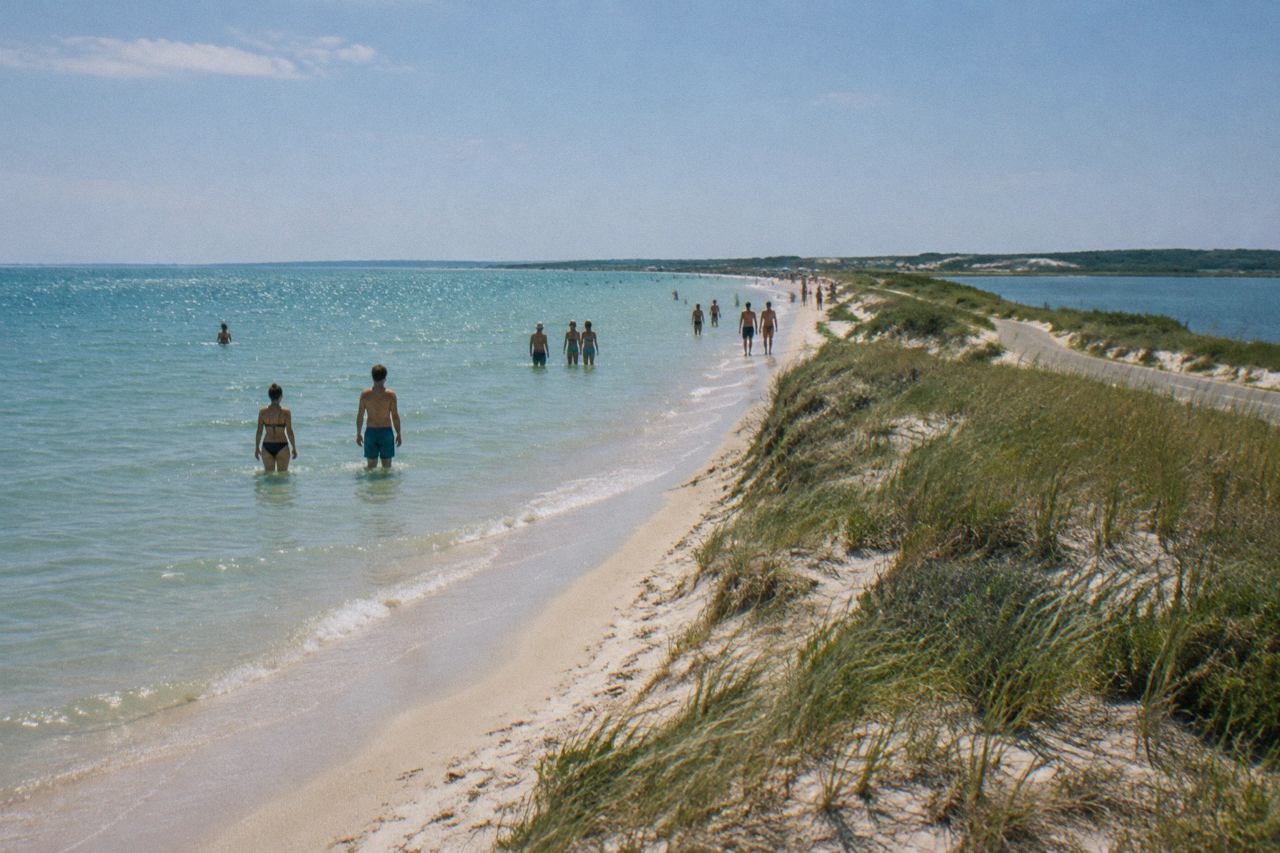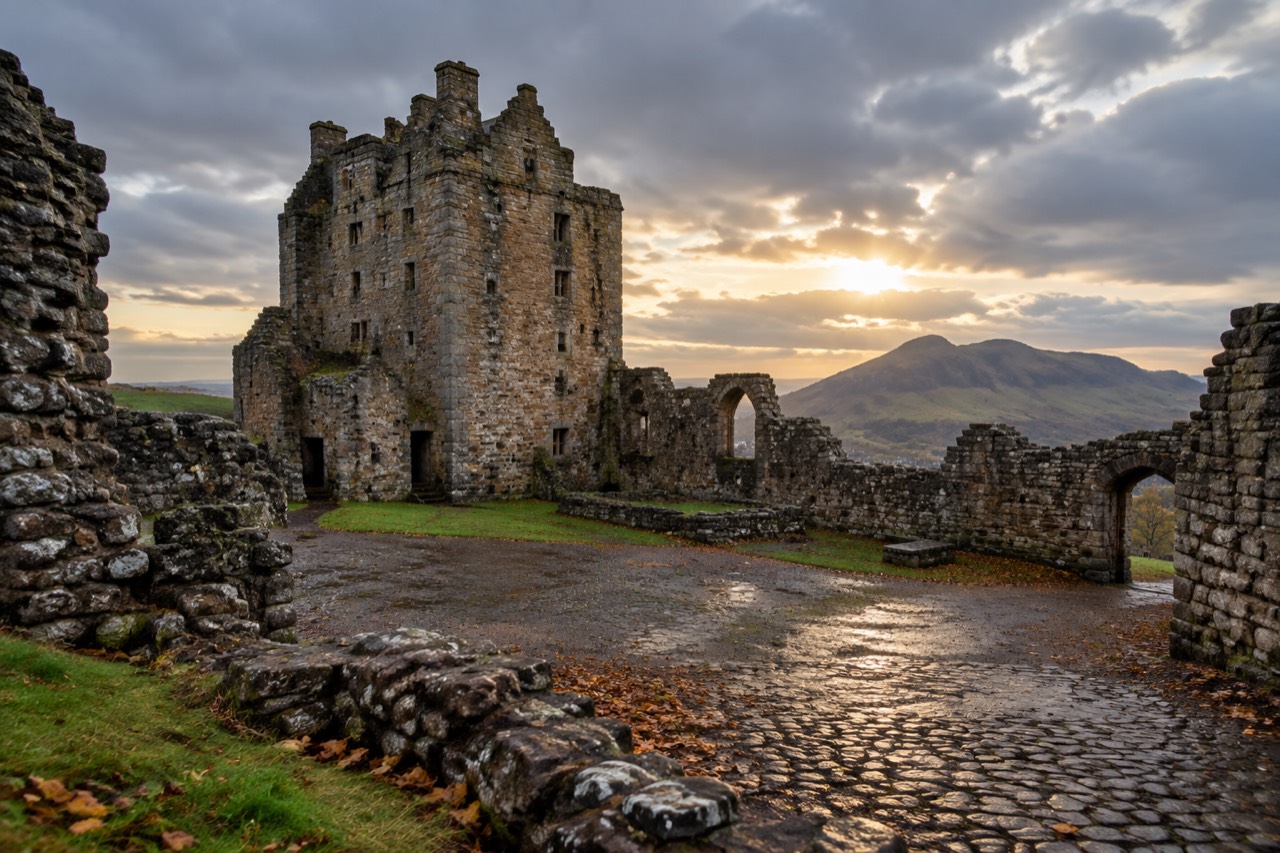
The production used Pyramids Business Park in Bathgate only for a few days of interior shooting, as weather cover when outdoor filming was not possible. It is a working business park with nothing film-related to see, and it is not open to the public for visits. Travellers following the Outlaw King trail can comfortably skip it and focus on the historic locations used for the bulk of the shoot.
The Short Answer
Outlaw King was filmed almost entirely on location in Scotland, using around 45 to 50 sites including Craigmillar Castle, Linlithgow Palace, Blackness Castle, Doune Castle, Dunfermline Abbey, Glasgow Cathedral and Seacliff Beach. A few scenes were shot across the border in Northumberland, England, with limited interior work done at a business park in Bathgate.
Outlaw King, released in 2018, took Robert the Bruce's story back to the landscapes where it actually happened. Rather than relying on studio sets, the production spread itself across Scotland, filming at historic castles, palaces, churches, beaches and country parks.
The result is one of the most location-heavy films made in Scotland in recent years, and unusually for a production of this scale, most of the sites can be visited. Many are run by Historic Environment Scotland and open year-round.
Every Location At A Glance
| Location | Where | What was filmed | Access |
|---|---|---|---|
| Craigmillar Castle | Edinburgh | Bruce family home and medieval village scenes | Ticketed |
| Linlithgow Palace | Linlithgow | Coronation scene (as Scone) and Perth Castle courtyard | Ticketed |
| Blackness Castle | Blackness | Yorkshire Castle where Elizabeth de Burgh is imprisoned | Ticketed |
| Doune Castle | Doune | Castle Douglas, burning ancestral home of James Douglas | Ticketed |
| Dunfermline Abbey | Dunfermline | Westminster Abbey interiors | Ticketed |
| Glasgow Cathedral | Glasgow | Greyfriars Kirk and Lord’s Hall scenes | Free to see |
| Mugdock Country Park | Milngavie | Battle of Loudoun Hill scenes and other action sequences | Free to see |
| Seacliff Beach | North Berwick | Final beach reunion scene | Free to see |
| Old Berwick Bridge | Berwick-upon-Tweed | London Bridge (with CGI) | Free to see |
Filming Locations Map
9 locations. The map loads when it scrolls into view.
Map data © OpenStreetMap contributors
Location By Location
Location 02
Craigmillar Castle
Edinburgh Ticketed
Filmed here: Bruce family home and medieval village scenes
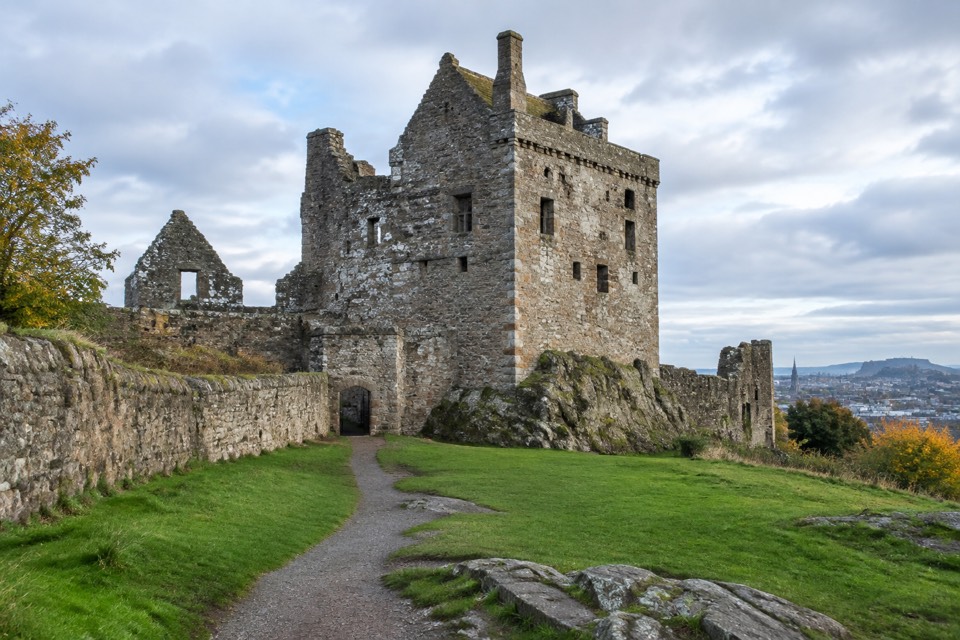
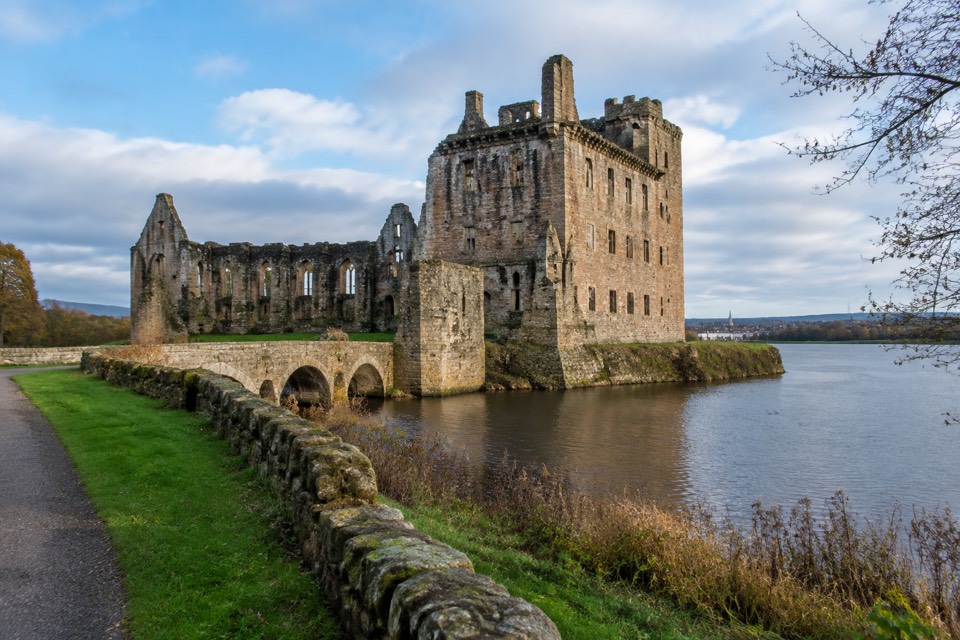
Craigmillar Castle, on the edge of Edinburgh, served as the Bruce family home and hosted the medieval village scenes. One of Scotland's best-preserved medieval castles, it has a central tower house and a curtain wall with views across the city toward Arthur's Seat. It is open to visitors year-round through Historic Environment Scotland. The grounds are free to wander, while the castle itself carries a modest entry fee.
Location 03
Linlithgow Palace
Falkirk, Linlithgow Ticketed
Filmed here: Coronation scene (as Scone) and Perth Castle courtyard
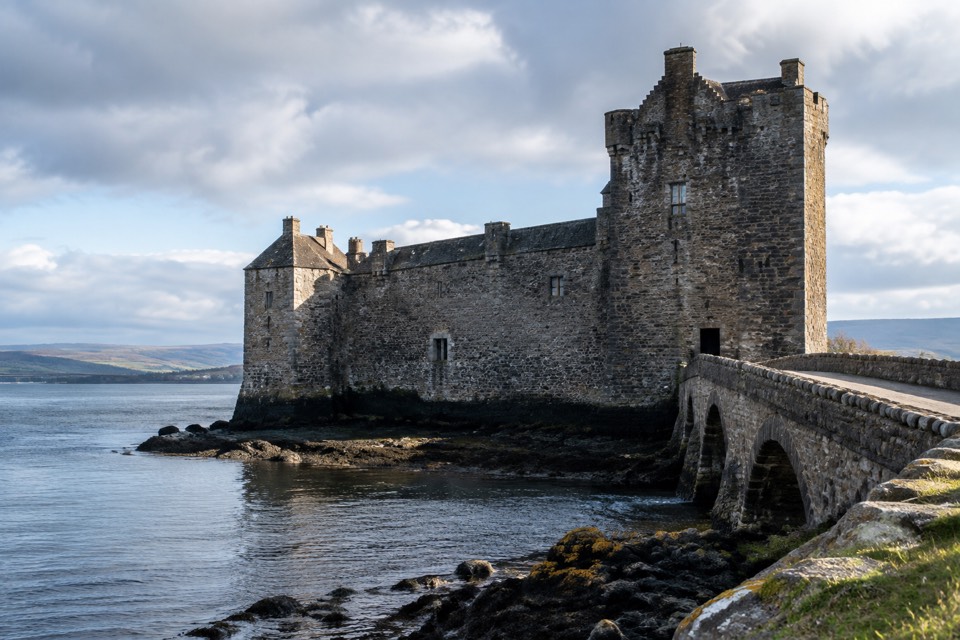
Linlithgow Palace stood in for two locations: Scone, where the coronation scene was filmed, and the Perth Castle courtyard. The ruined Renaissance palace sits beside a loch in Linlithgow, roughly half an hour from both Edinburgh and Stirling by train. It is a Historic Environment Scotland property with an entry fee, and its great hall and courtyard remain impressively intact despite the roofless state of the building.
Location 04
Blackness Castle
Falkirk, Blackness Ticketed
Filmed here: Yorkshire Castle where Elizabeth de Burgh is imprisoned
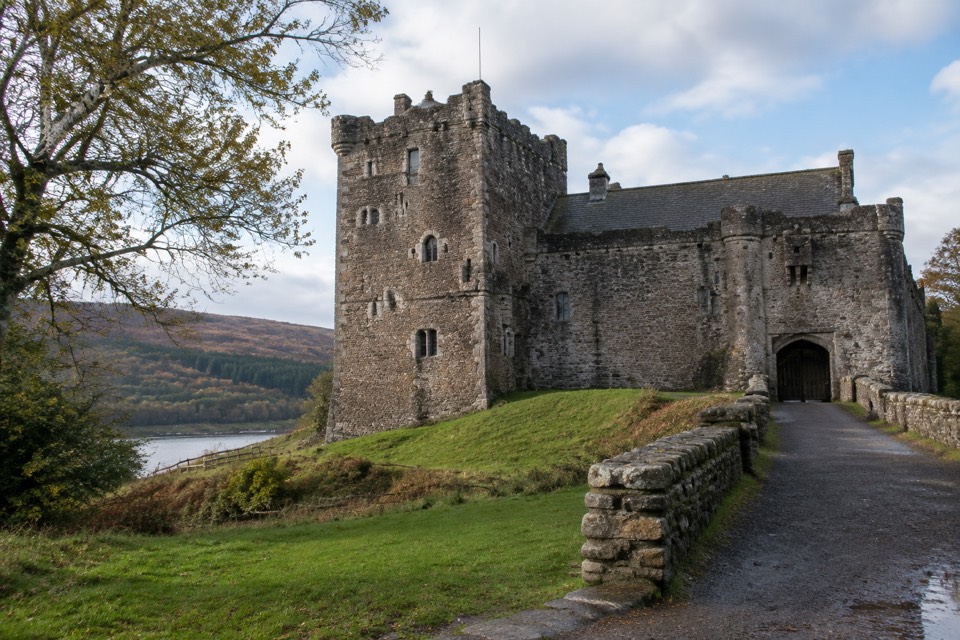
Blackness Castle played the Yorkshire Castle where Elizabeth de Burgh is imprisoned in the film. This fortress juts into the Firth of Forth with a shape that has earned it the nickname of a ship, and its towers and courtyard are instantly recognisable from the screen. It sits close to Linlithgow, making an easy pairing. Historic Environment Scotland operates the site and it is open to visitors with a ticket.
Location 05
Doune Castle
Stirling, Doune Ticketed
Filmed here: Castle Douglas, burning ancestral home of James Douglas
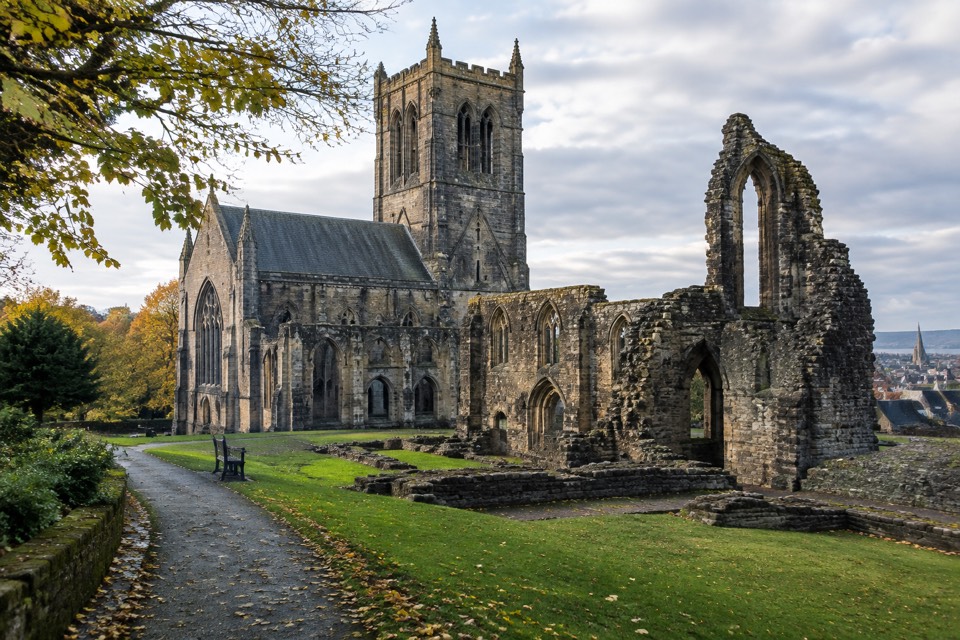
Doune Castle appeared as Castle Douglas, the burning ancestral home of James Douglas. The 14th-century courtyard castle near Stirling is one of Scotland's most filmed monuments, and visitors can walk the Great Hall, kitchens and battlements with an audio commentary. It is a Historic Environment Scotland site with paid entry. Its appearance in multiple screen productions makes it a natural anchor for any film-location itinerary in central Scotland.
Location 06
Dunfermline Abbey
Fife, Dunfermline Ticketed
Filmed here: Westminster Abbey interiors
Dunfermline Abbey doubled for the interiors of Westminster Abbey in the film, a fitting swap given that the abbey is the real burial place of Robert the Bruce. His tomb sits in the church today, so the visit carries genuine historical weight alongside the film connection. The site is in Fife, about an hour from Edinburgh, and is a Historic Environment Scotland property open to the public with an entry fee.
Location 07
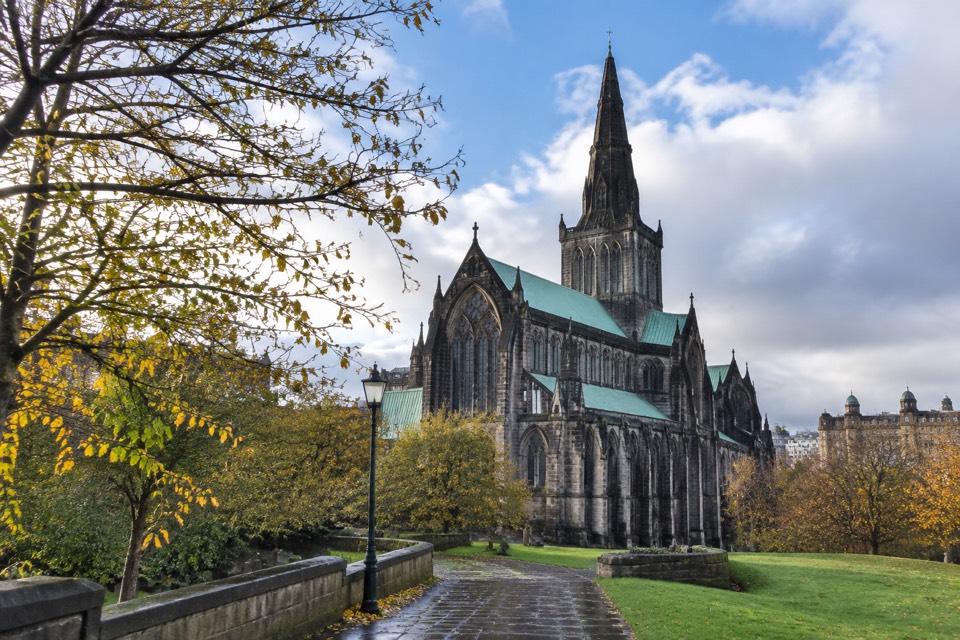
Glasgow Cathedral
Glasgow Free to see
Filmed here: Greyfriars Kirk and Lord’s Hall scenes
Glasgow Cathedral provided the setting for the Greyfriars Kirk and Lord's Hall scenes. It is a rare survivor, one of Scotland's finest medieval churches, with a lower crypt that ranks among the oldest parts of any building in the country. Unlike most sites on this list it remains an active place of worship, and entry is free for visitors. It sits in the heart of Glasgow, easily reached on foot from the city centre.
Location 08
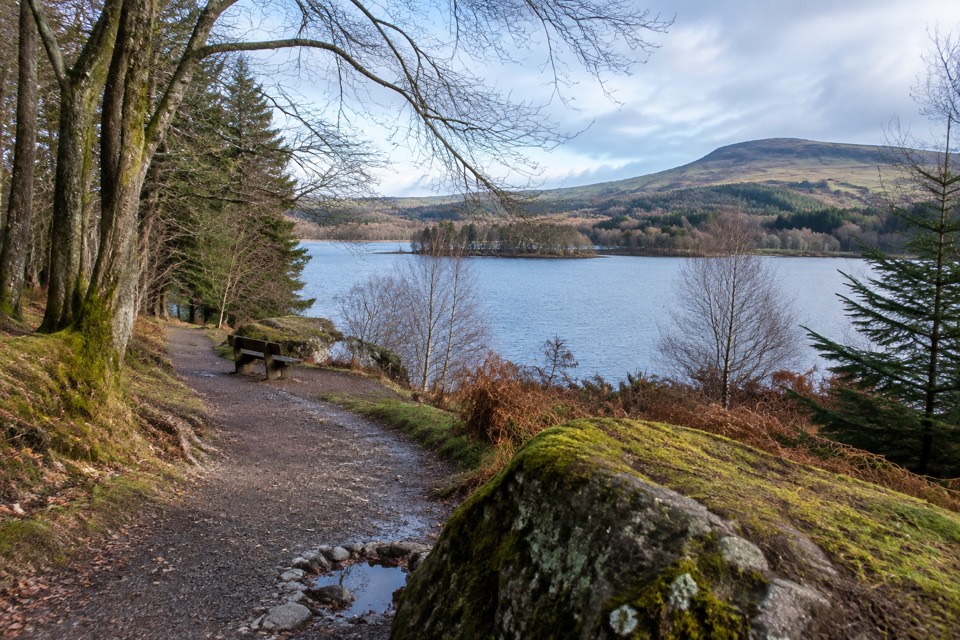
Mugdock Country Park
East Dunbartonshire, Milngavie Free to see
Filmed here: Battle of Loudoun Hill scenes and other action sequences
Mugdock Country Park near Milngavie hosted the Battle of Loudoun Hill scenes and other action sequences. The production chose the park rather than the real, remote battle site for safety and logistics reasons. Today it is a free public country park with trails through woodland and moorland, plus castle ruins of its own. It lies on the northern edge of Glasgow and can be reached by train to Milngavie followed by a short walk or taxi.
Location 09
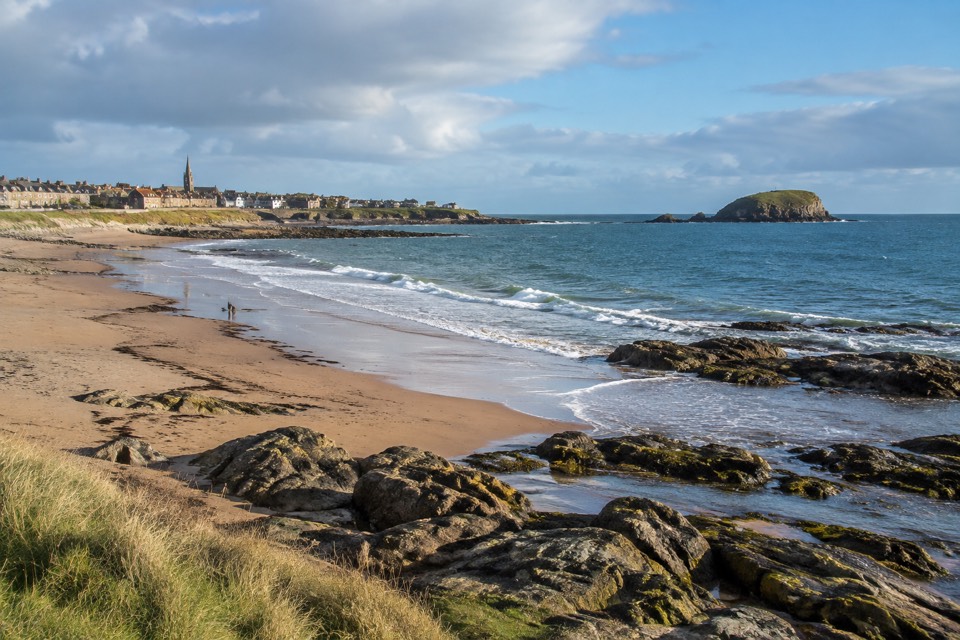
Seacliff Beach
East Lothian, North Berwick Free to see
Filmed here: Final beach reunion scene
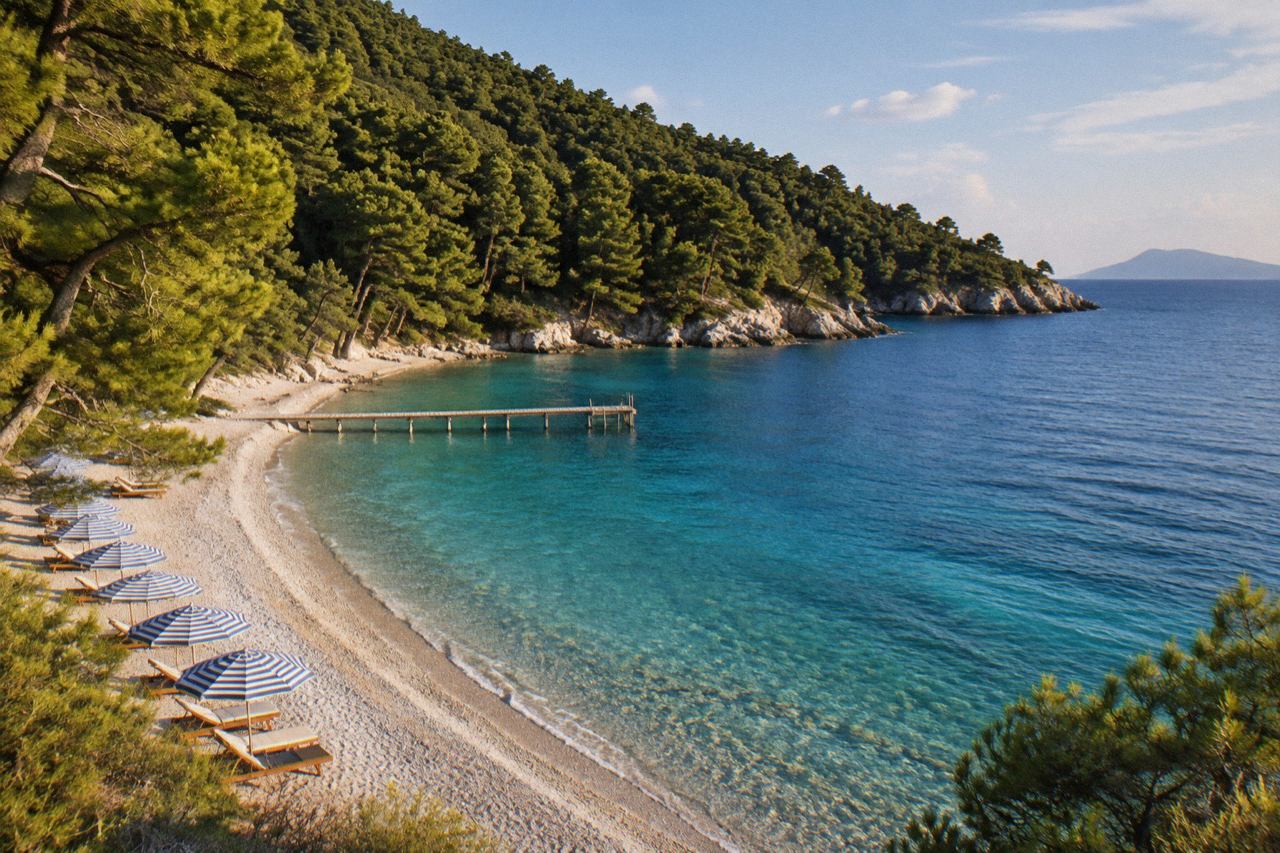
Seacliff Beach near North Berwick in East Lothian is where the final beach reunion scene was filmed. It is one of the most photogenic stretches of coast in southern Scotland, with dramatic views toward Tantallon Castle and the Bass Rock, plus a tiny secluded harbour carved into the rock. Access is public, with parking available nearby, though the private access road charges a small fee and the beach itself is reached on foot.
Location 10
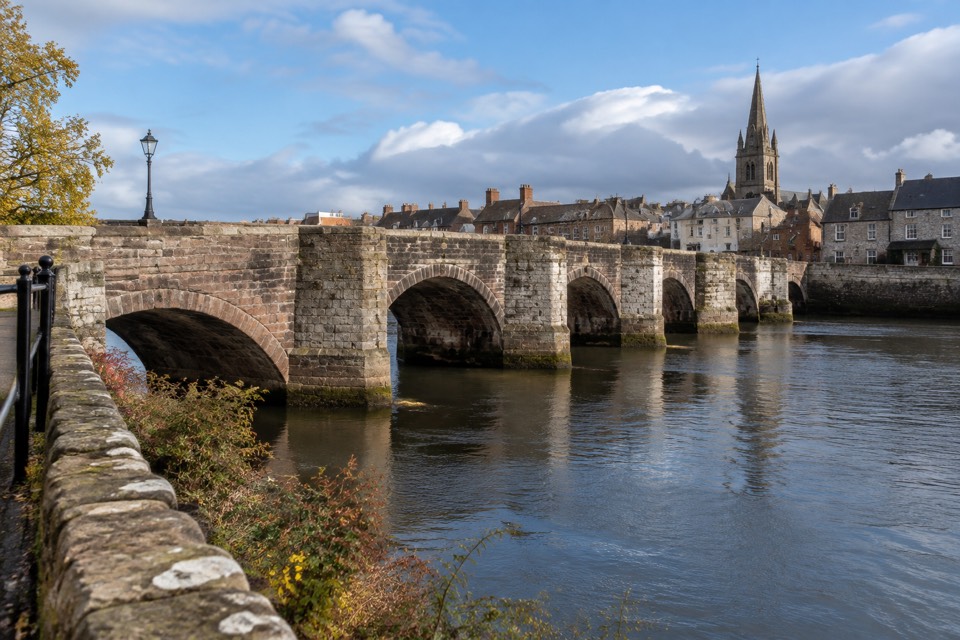
Old Berwick Bridge
Northumberland, Berwick-upon-Tweed Free to see
Filmed here: London Bridge (with CGI)
Old Berwick Bridge in Berwick-upon-Tweed, just over the Scottish border in Northumberland, England, stood in for London Bridge with the help of CGI. The old sandstone bridge still carries traffic across the River Tweed and can be crossed on foot at any time, free of charge. Berwick is reachable by train on the Edinburgh to London line, so the stop pairs well with a trip along the east coast.
Where It Is Set Versus Where It Was Filmed
The story of Outlaw King is set in early 14th-century Scotland, with brief excursions into England, following Robert the Bruce's fight for the Scottish crown. The filming stayed faithful to that geography: nearly all shooting took place in modern Scotland, with only a handful of scenes captured across the border in Northumberland. Interior work that could not be done on location was handled at a business park in Bathgate over a few days.
Tours That Visit These Locations
Travellers who want to cover several filming locations in one day without renting a car can book a guided castle tour from Edinburgh. One such full-day tour visits four of the film's key sites.
Full-Day Castle Tour From Edinburgh
From Edinburgh: Scotland's Castles Full-Day Movie/TV Tour
This full-day movie and TV tour from Edinburgh calls at Blackness Castle, Craigmillar Castle, Doune Castle and Linlithgow Palace, four of Outlaw King's most recognisable locations, alongside other famous Scottish screen sites.
From$1157Check availability
Frequently Asked Questions
Where Was Outlaw King Filmed?
The film was shot on location across Scotland at around 45 to 50 sites, including castles, palaces, abbeys, beaches and country parks. A few scenes were filmed in Northumberland, England, and a few days of interior work took place at Pyramids Business Park in Bathgate.
Can You Visit The Outlaw King Filming Locations?
Yes, most of them. Craigmillar Castle, Linlithgow Palace, Blackness Castle, Doune Castle and Dunfermline Abbey are ticketed Historic Environment Scotland sites. Glasgow Cathedral is free to enter, Mugdock Country Park and Seacliff Beach are public, and Old Berwick Bridge can be crossed on foot at any time.
Which Castle Was The Coronation Scene Filmed At?
The coronation scene, set at Scone, was filmed at Linlithgow Palace. The palace also stood in for the Perth Castle courtyard in the same film.
Where Was The Final Beach Scene Filmed?
The closing beach reunion was filmed at Seacliff Beach near North Berwick in East Lothian. The beach is open to the public, with parking nearby and views toward Tantallon Castle and the Bass Rock.
Was Any Of Outlaw King Filmed In A Studio?
Only a small amount. A few days of interior shooting for weather cover took place at Pyramids Business Park in Bathgate. The famous nine-minute one-take opening sequence was filmed on a purpose-built set near Stirling Castle, and nearly everything else was shot on real historic locations.
Where Was The Battle Of Loudoun Hill Filmed?
The battle was filmed at Mugdock Country Park near Milngavie rather than at the real, remote battle site. The production chose the park for safety and logistics. Today Mugdock is a free public country park with walking trails and castle ruins.
Outlaw King offers one of the most practical film-location trips in Britain. The core sites cluster around Edinburgh, Stirling, Glasgow and Fife, all linked by rail, and most are open to visitors with modest entry fees. A full-day guided castle tour from Edinburgh covers Blackness, Craigmillar, Doune and Linlithgow in a single outing, while Seacliff Beach and Old Berwick Bridge reward travellers with their own transport or a willingness to ride the coastal trains.