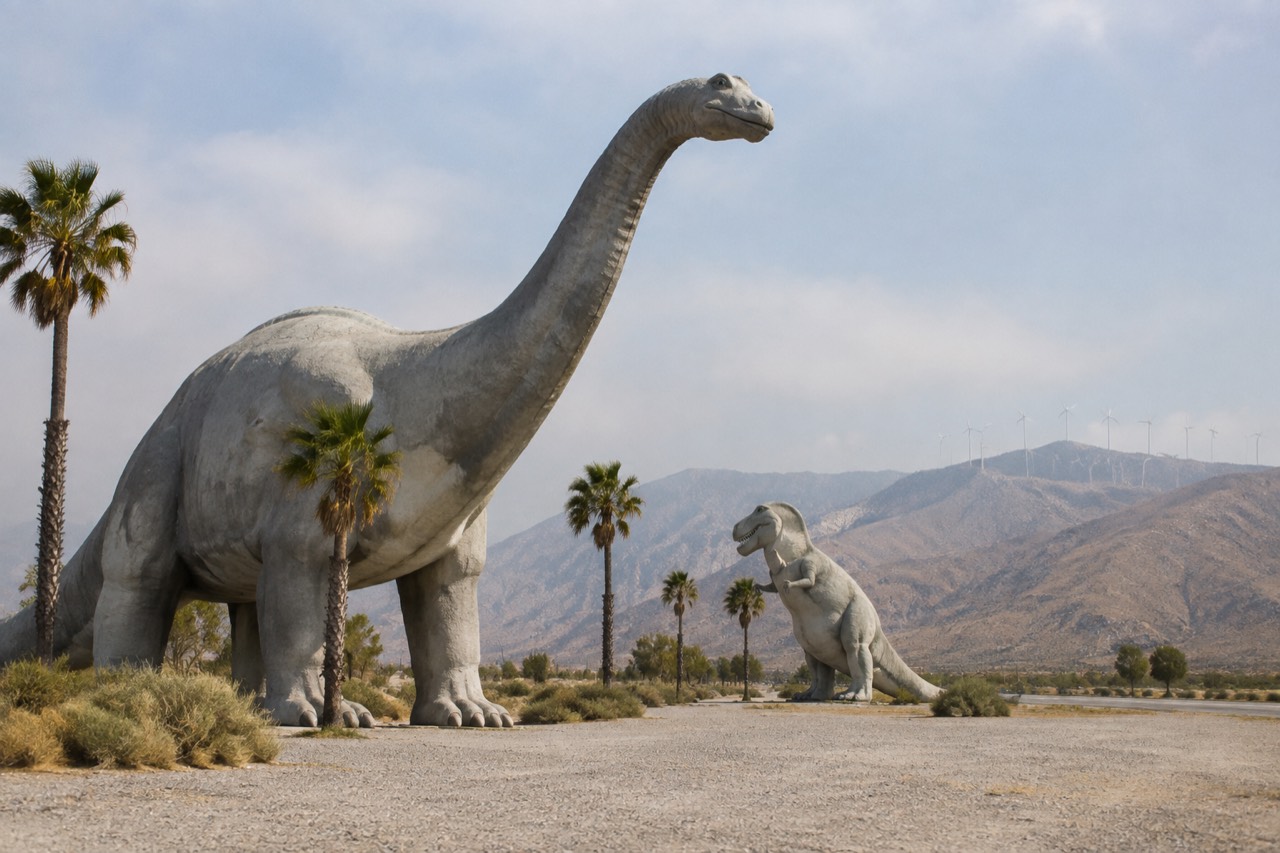
Location 01Cabazon Dinosaurs (Wheel Inn site)
California, Cabazon Free to see
Filmed here: Truck stop and dinosaurs scene with Simone
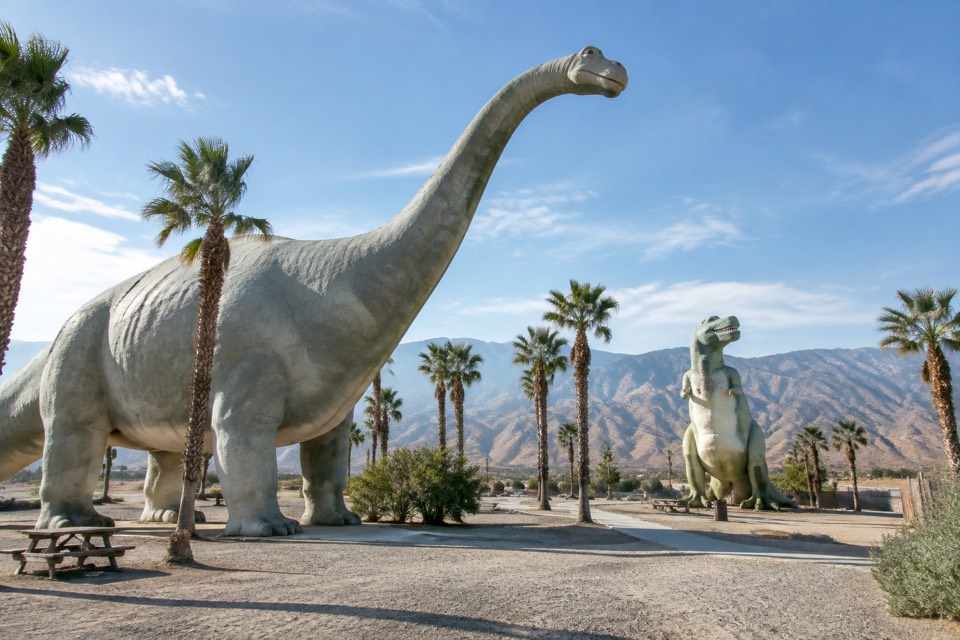
The giant roadside dinosaurs near Cabazon served as the truck stop where Pee-wee meets Simone, the waitress who dreams of Paris. The concrete brontosaurus and T-rex tower beside Interstate 10 in the California desert, roughly an hour and a half east of Los Angeles. The site remains a public roadside attraction, visible from the highway, with a gift shop and tours available. It is one of the easiest locations to visit and hard to miss for anyone driving between Los Angeles and Palm Springs.
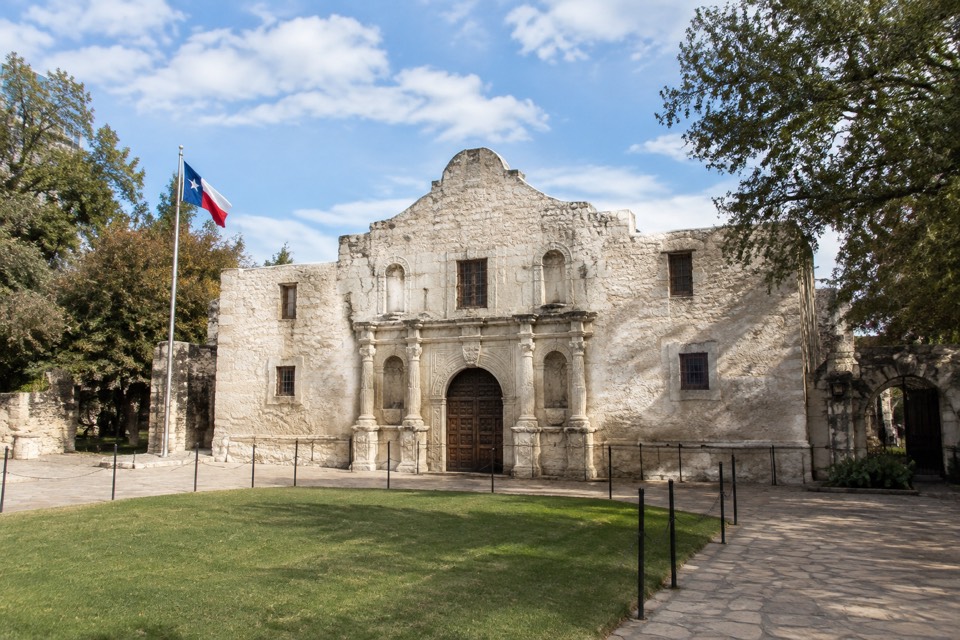
Location 02The Alamo
Texas, San Antonio Free to see
Filmed here: Alamo exterior shots
The famous mission fortress in San Antonio, Texas, provided the exterior shots for Pee-wee's guided tour of the landmark, the scene that delivers the film's running basement gag. The Alamo is a public historic site in downtown San Antonio, open to visitors, with tours available. It is the one major location far outside California, so travelers combining it with the Los Angeles sites should plan it as a separate trip to Texas.
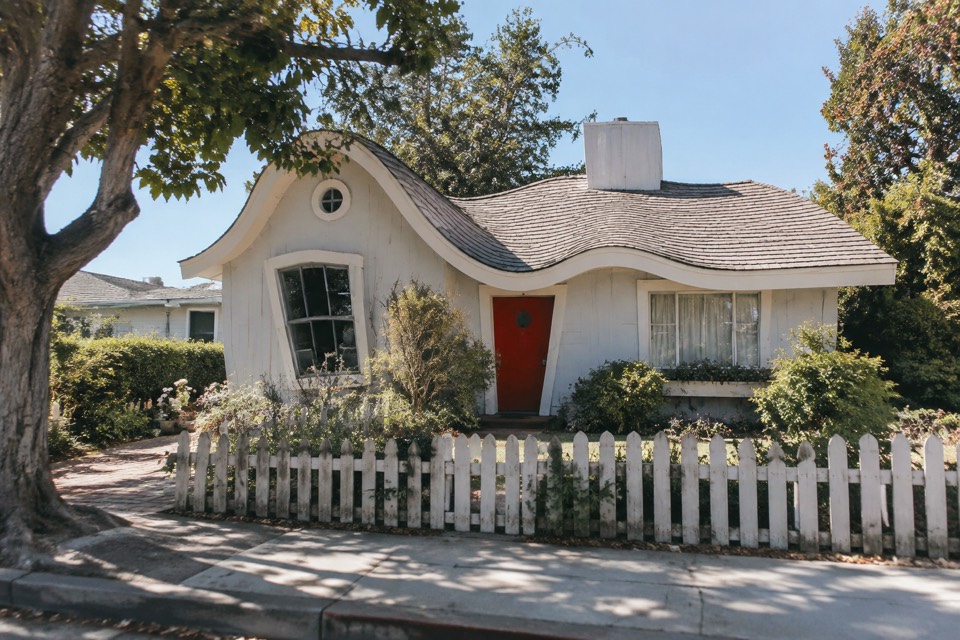
Location 03Pee-wee's House
California, South Pasadena Private property
Filmed here: Pee-wee's residence exterior
The whimsical house with the red door and white picket fence, exterior shots of Pee-wee's residence, stands on a residential street in South Pasadena, California. The wraparound porch and cartoon-bright paint still look close to how they appear on screen. It is a private home, so access is limited to viewing from the street, and visitors should respect the owners' privacy and avoid trespassing. Street parking is usually available nearby, making it an easy add-on to any Los Angeles filming location itinerary.
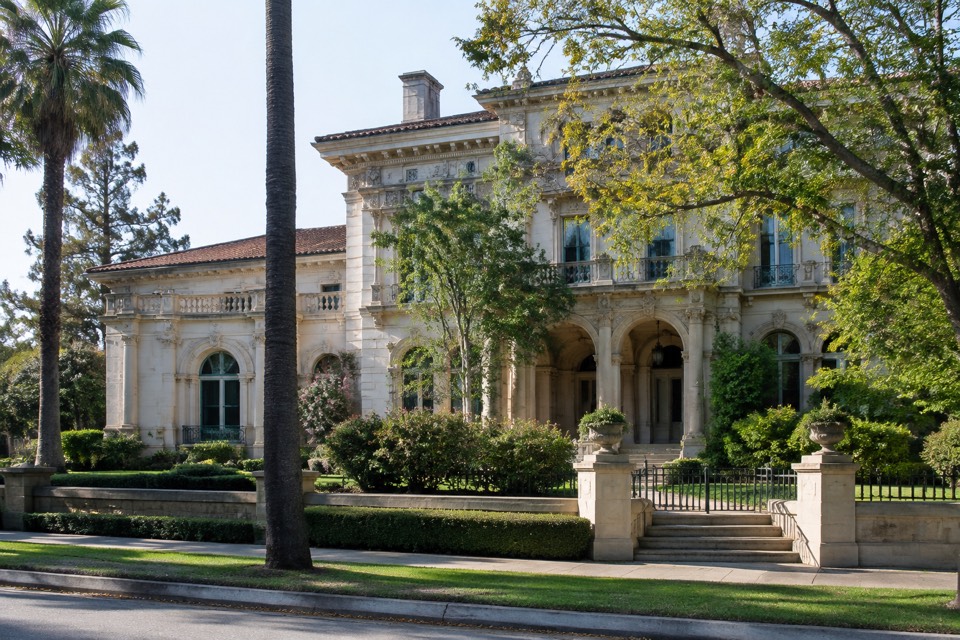
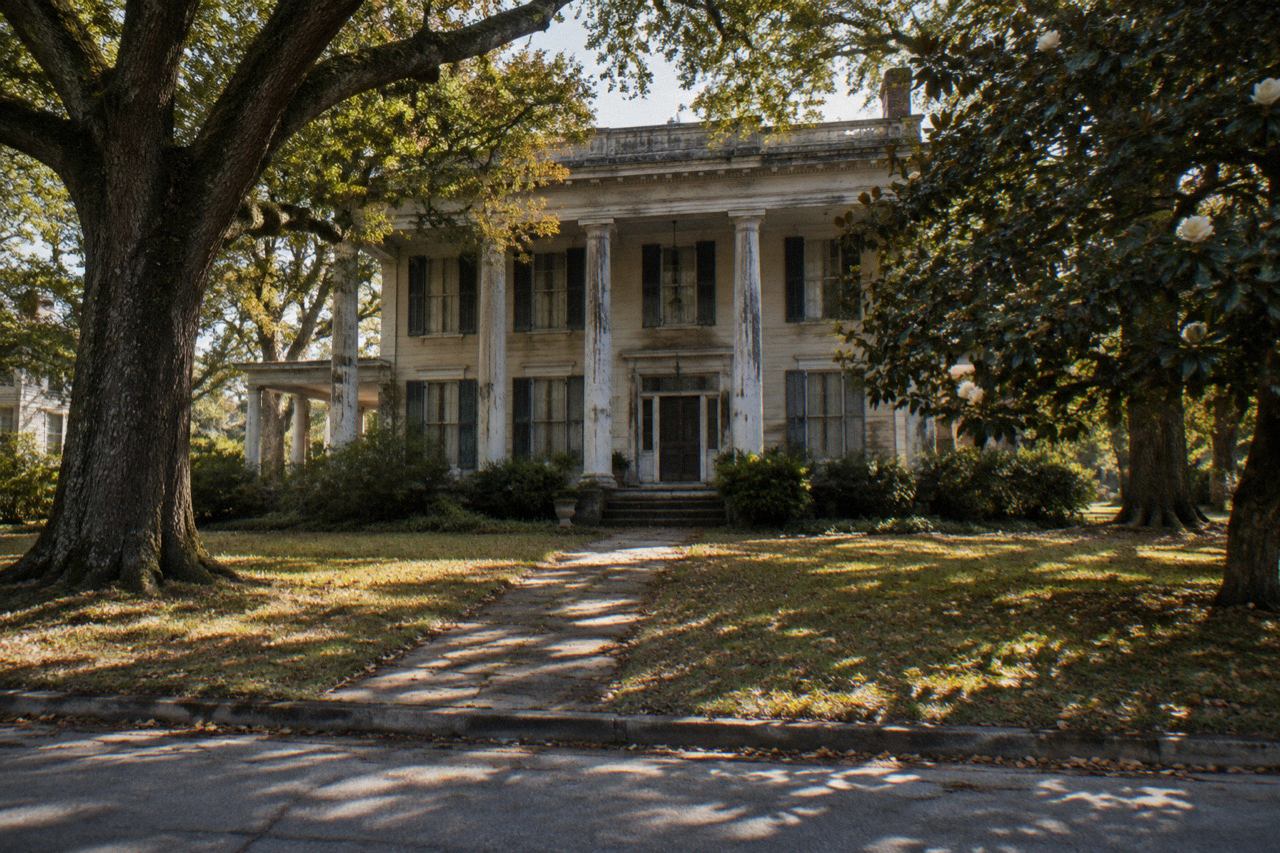
Location 04Francis's Mansion (Ahmanson Mansion)
California, Los Angeles Private property
Filmed here: Francis Buxton's house
The stately home used for Francis Buxton's residence, Pee-wee's spoiled rival, sits in the Hancock Park neighborhood of Los Angeles. The mansion's grand facade plays into the film's contrast between Pee-wee's playful cottage and Francis's moneyed gloom. Today it remains a private residence, so the only way to see it is an exterior view from the sidewalk. Fans often pair a drive-by here with the South Pasadena house, since the two neighborhoods sit within a short drive of each other.
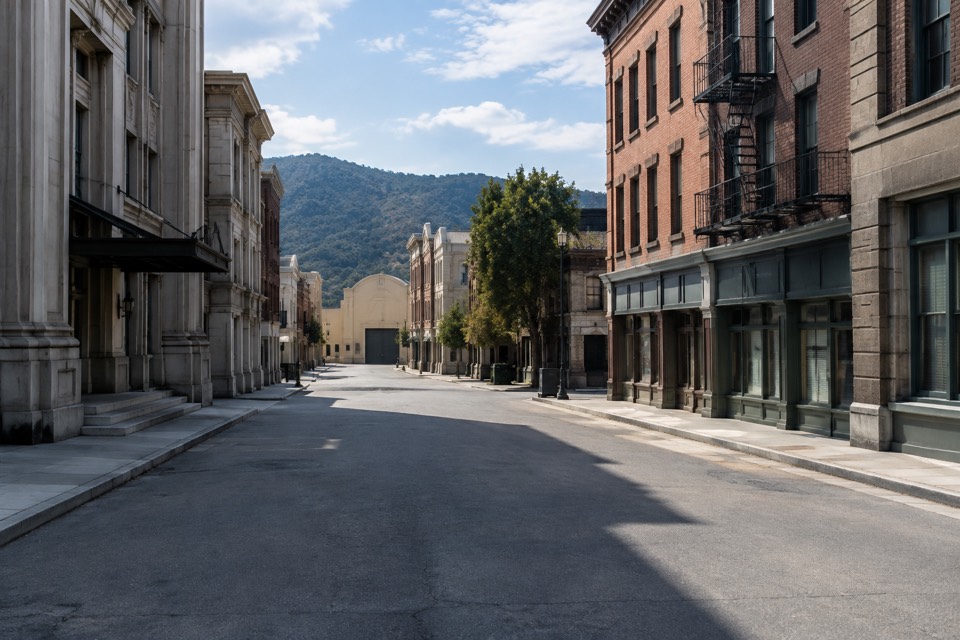
Location 05Warner Bros. Studios Backlot
California, Burbank Ticketed
Filmed here: Rainy alley, psychic shop, studio chase scenes
The backlot in Burbank stood in for several memorable moments, including the rainy alley, the psychic shop, and the elaborate studio chase scenes that close Pee-wee's studio escapades. The production used the lot extensively for chase and set pieces. Unlike most private filming sites, this one is genuinely accessible: the Warner Bros. Studio Tour takes visitors onto the lot, giving fans the best chance to stand where the movie was made. Tickets are required, and booking ahead is wise.
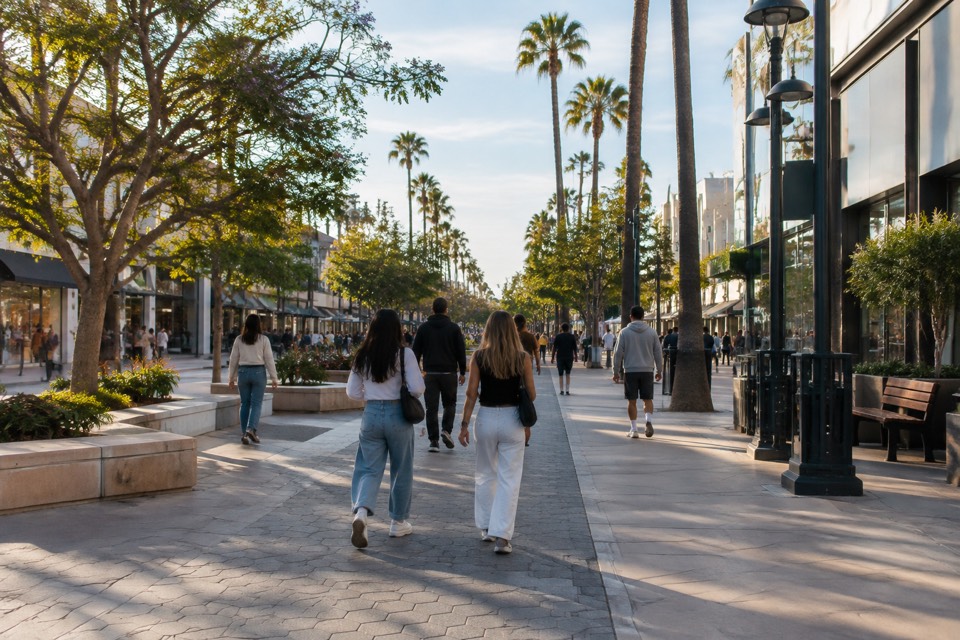
Location 063rd Street Promenade
California, Santa Monica Free to see
Filmed here: Outdoor mall and reward sign scenes
The outdoor mall scenes in Santa Monica, including the moment with the reward sign for Pee-wee's missing bike, were shot at this pedestrian shopping street. Today the promenade remains a public walkway lined with shops and dining, a few blocks from the Santa Monica Pier and beach. It costs nothing to visit and fits easily into a seaside day, making it one of the most convenient locations for travelers already exploring the west side of Los Angeles.
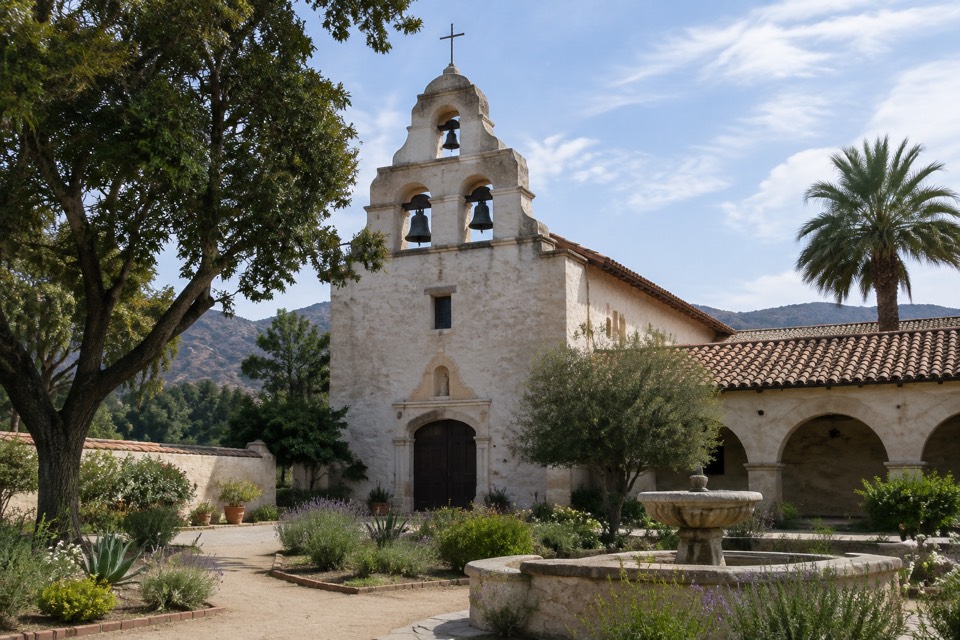
Location 07Mission San Fernando Rey de España
California, Mission Hills Free to see
Filmed here: Alamo interior/tour scenes
This historic mission in Mission Hills, California, stood in for the Alamo interiors, used because there was no basement at the real Alamo at the time, a fact the film itself turns into a joke. The mission, founded as part of California's Spanish colonial chain, is open to the public for tours. Its adobe architecture and church interior give visitors a clear sense of the spaces seen on screen, and it sits just north of Burbank, convenient to the studio stop.
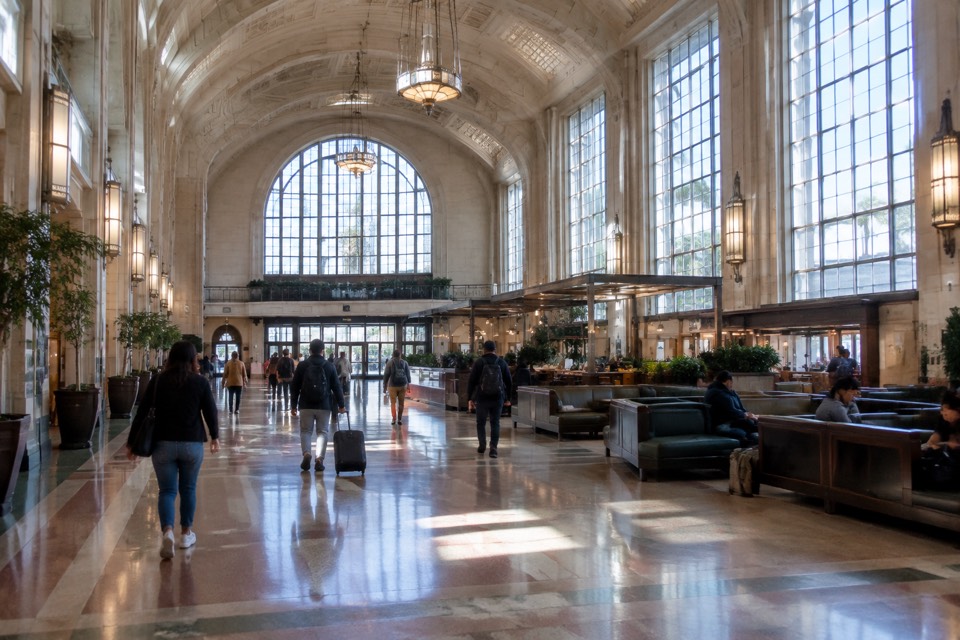
Location 08Grand Central Air Terminal
California, Glendale Closed
Filmed here: Bus station scenes
The vintage air terminal in Glendale doubled as the bus station where Pee-wee continues his journey. The building was once Glendale's commercial airport and has appeared in many films. Unfortunately for fans, the site is now closed to the public and owned by Disney, so there is no visitor access. The exterior can be glimpsed from surrounding streets, but travelers should not expect to go inside or take an official tour of the property.
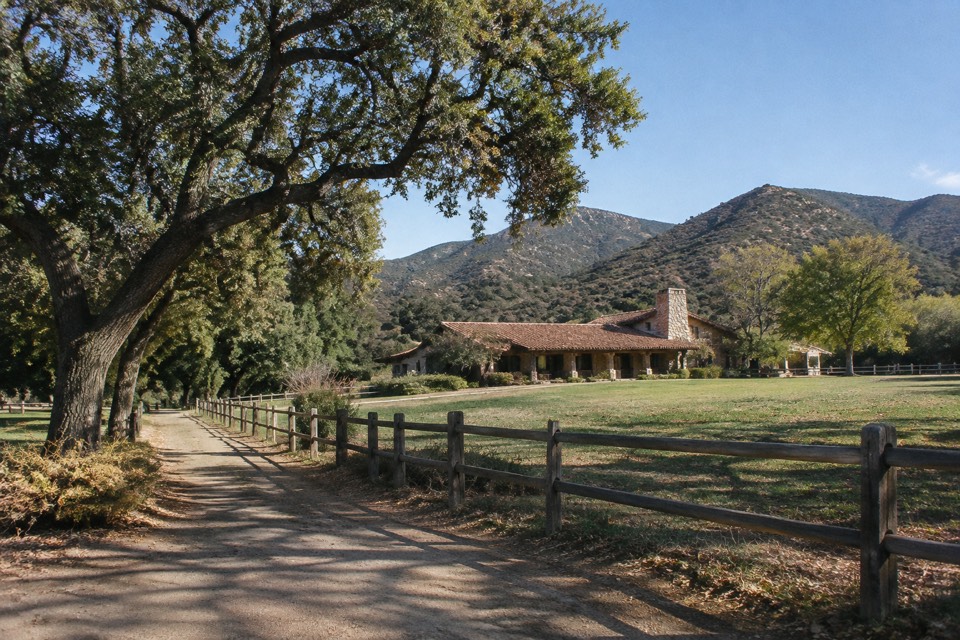
Location 09King Gillette Ranch
California, Calabasas Free to see
Filmed here: Tour de France dream sequence
The sweeping Calabasas parkland provided the setting for the surreal Tour de France dream sequence, in which Pee-wee wins the race in celebration before waking to reality. The ranch is now a public park with hiking trails, set against the Santa Monica Mountains. Visitors should check opening hours before arriving. Its oak-studded grounds make it a pleasant stop for travelers who want scenery as much as cinema, and it sits close to other west valley locations.
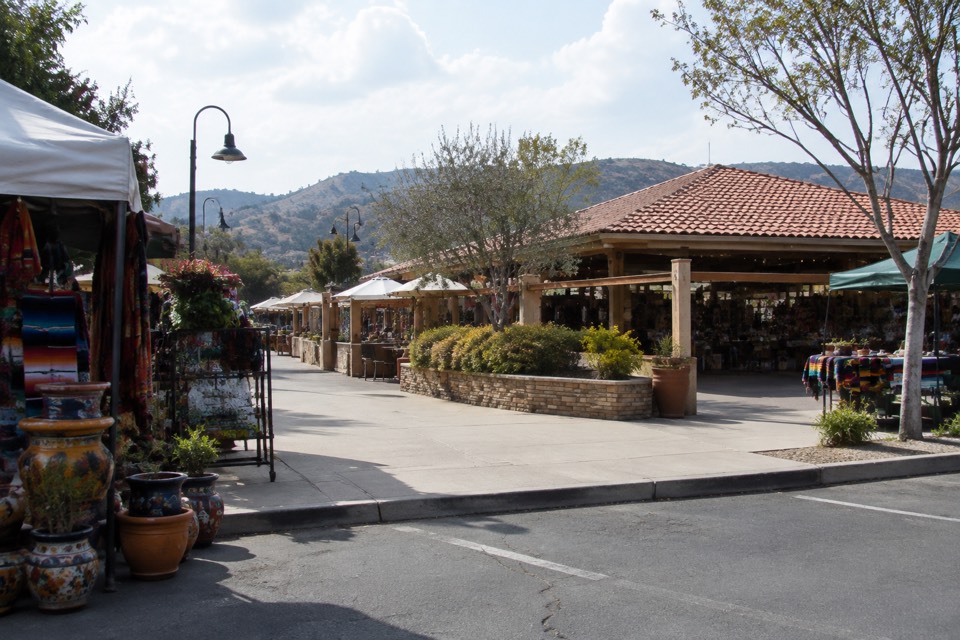
Location 10Mi Tierra Market (Apache Bar site)
California, Santa Clarita Free to see
Filmed here: Tequila dance scene at bar
A bar in Santa Clarita stood in for the Apache club, where the biker gang forces Pee-wee onto the stage and he performs his famous tequila dance. The building now operates as a market, and the exterior may differ from what appears in the film, so visitors should temper expectations. Still, the site gives dedicated fans a concrete anchor for one of the movie's most quoted scenes, and it lies north of the city, reachable on a loop with the Mission Hills mission.