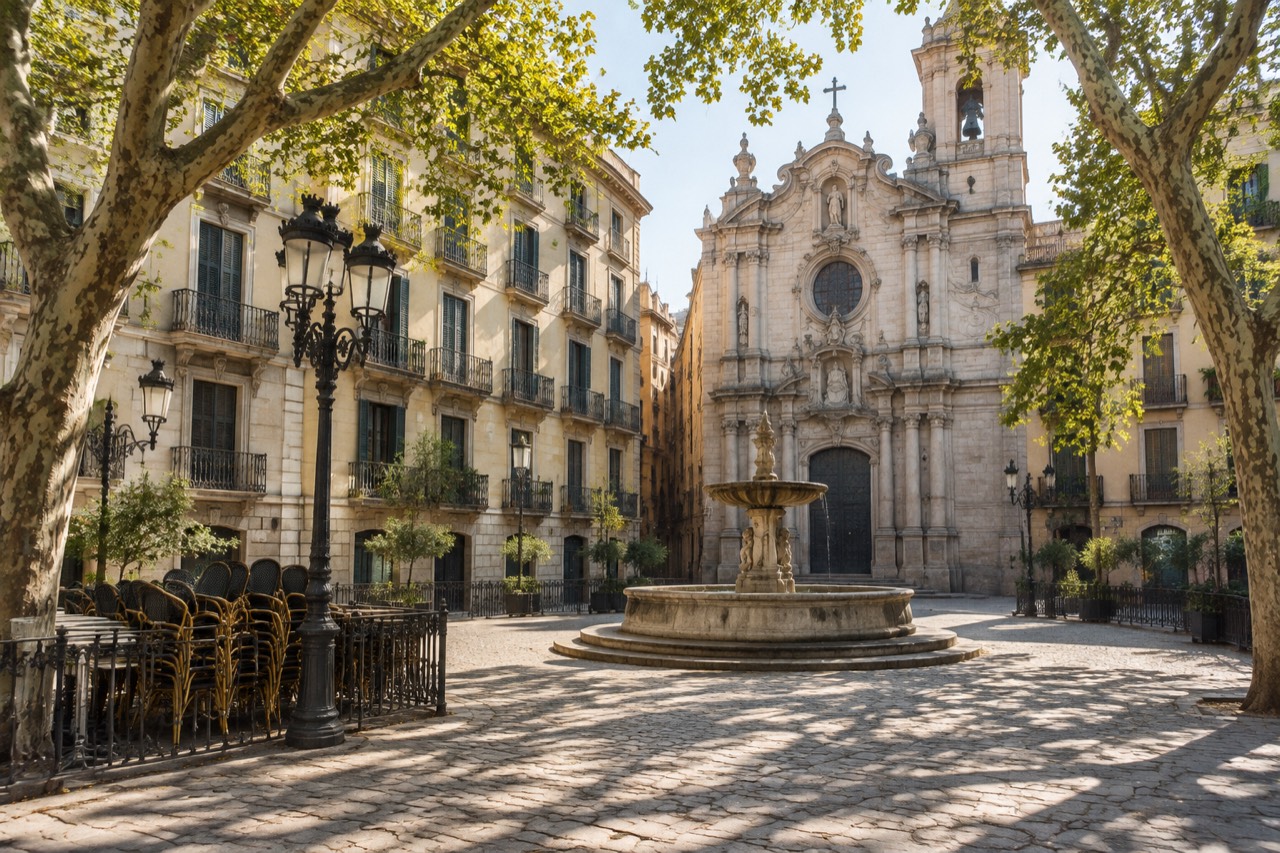
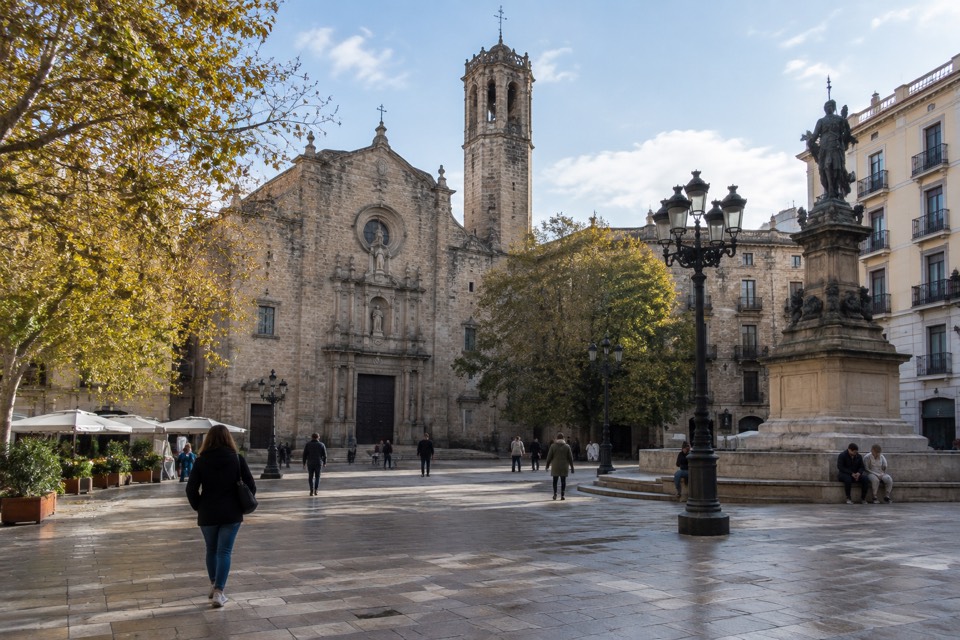
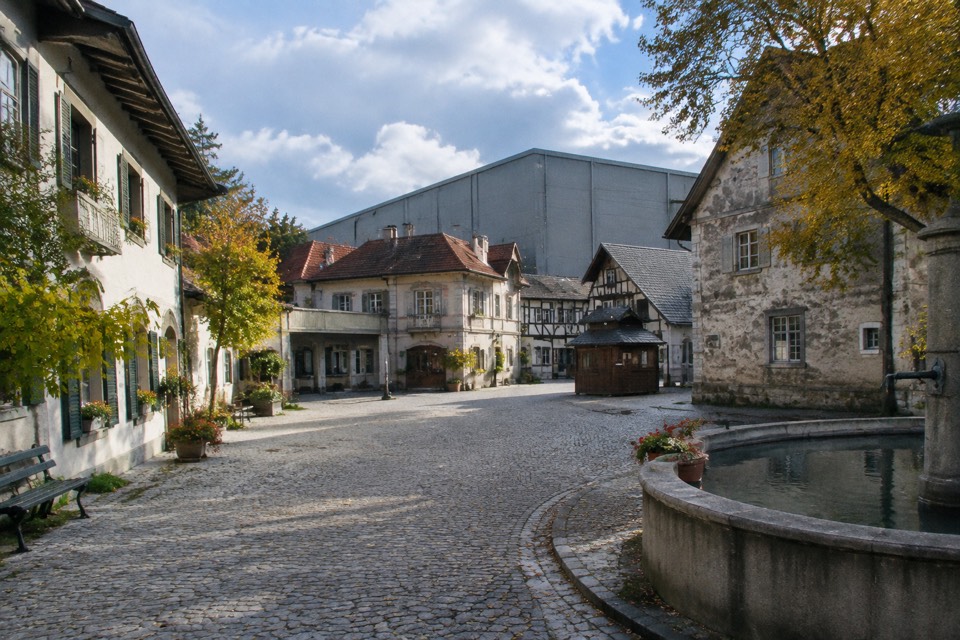
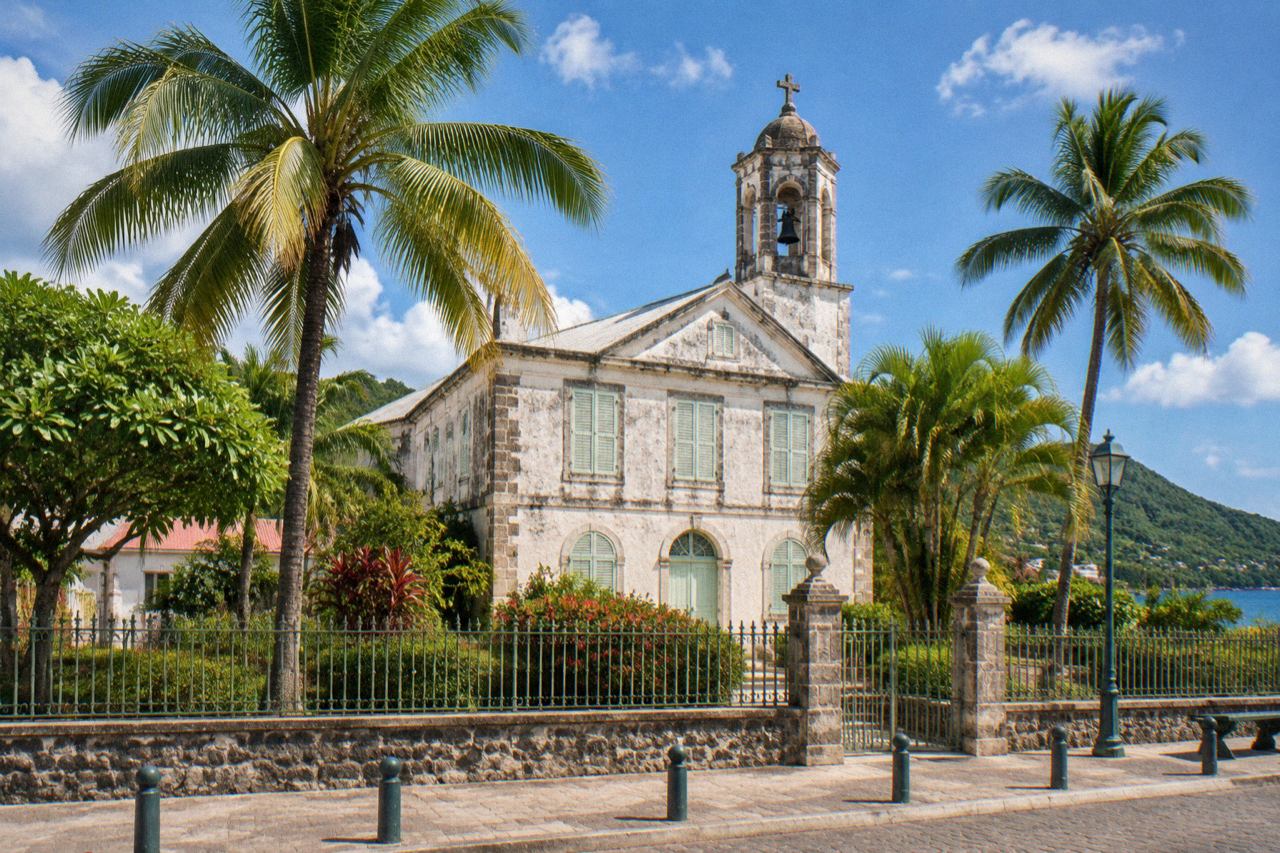
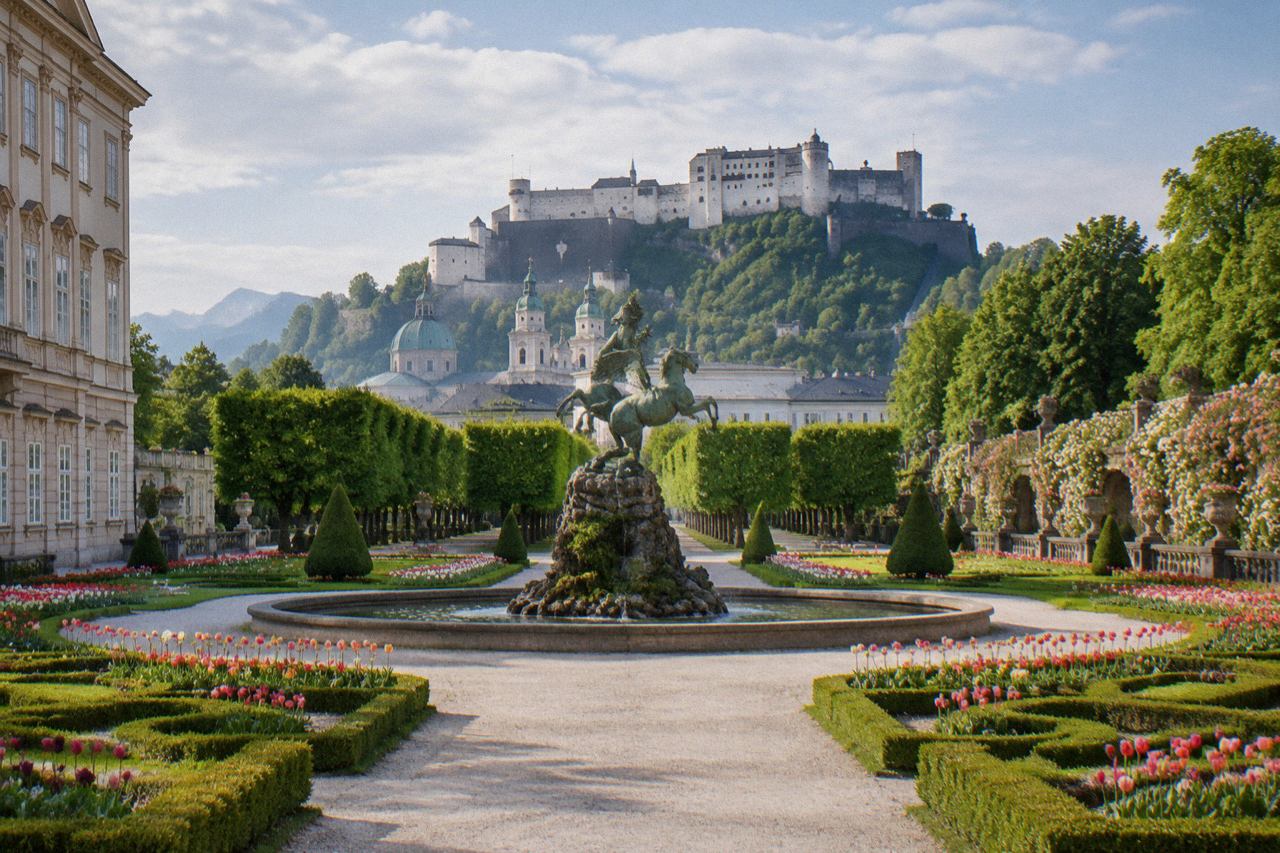
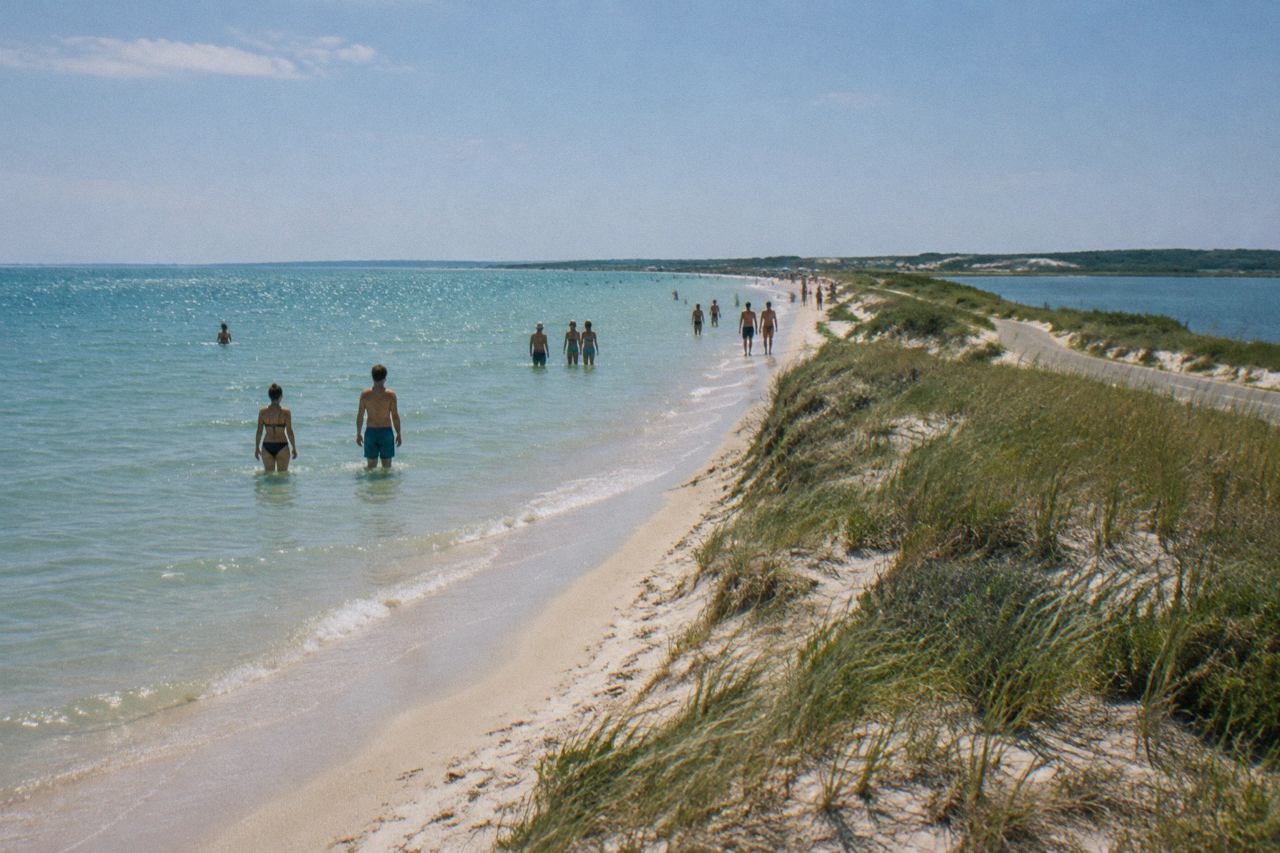
This square in Barcelona's Gothic Quarter was dressed as the putrid fish market where Grenouille is born and abandoned. The production used two and a half tons of fish and one ton of meat, causing smells reportedly carried up to six miles away. Today the square is a quiet historic space with no filming remnants visible. Access is free and public, and it sits within easy walking distance of other Gothic Quarter locations.
The Short Answer
The 2006 film was shot mainly in Barcelona and across Catalonia in Spain, which stood in for 18th-century Paris and Grasse. Interior scenes, including Baldini's perfumery workshop, were filmed at Bavaria Film Studios near Munich in Germany. Additional photography took place in France, including Grasse and Moustiers-Sainte-Marie, with some scenes in the Netherlands.
Tom Tykwer's adaptation of Patrick Süskind's novel needed an 18th-century Paris that no longer exists, so the production scouted eight European countries before settling on Barcelona. Catalonia's Gothic streets, fortress architecture and open-air museums became the film's version of France, with a budget of around €50 million, the most expensive German film ever made at the time of its 2006 release.
Principal photography ran from July 12 to October 16, 2005. The first 15 days were spent entirely at Bavaria Studios filming Hoffman scenes, after which the company moved to Spain and France.
Every Location At A Glance
| Location | Where | What was filmed | Access |
|---|---|---|---|
| Plaça de la Mercè | Barcelona, Spain | Fish market scenes where Grenouille is born | Free to see |
| Poble Espanyol | Barcelona, Spain | Climactic orgy and execution scene | Ticketed |
| Plaça de Sant Felip Neri | Barcelona, Spain | First murder scene | Free to see |
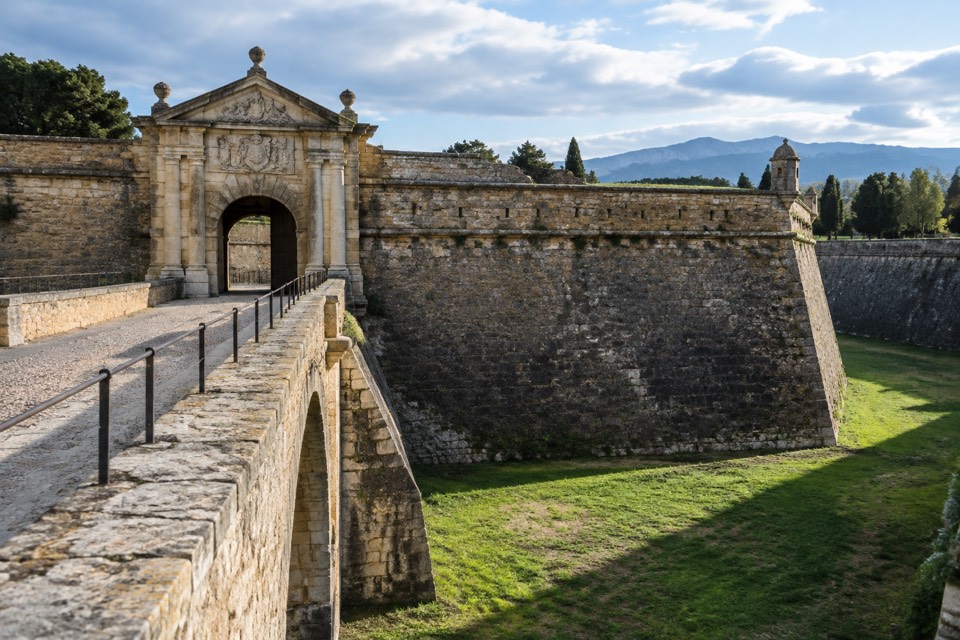
| Castell de Sant Ferran | Figueres, Spain | Tannery, Paris city gates, and dungeon scenes | Ticketed |
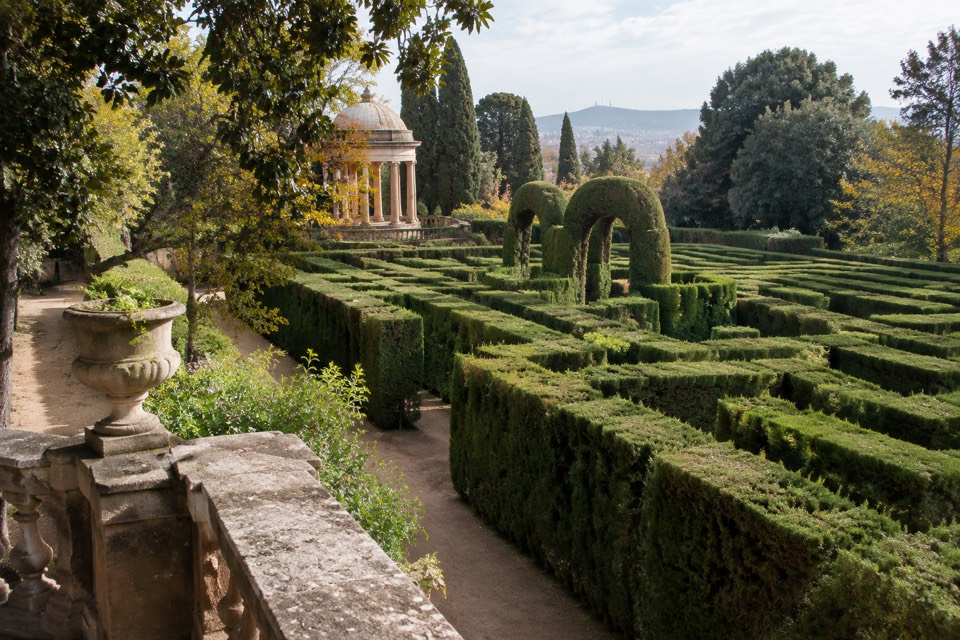
| Parc del Laberint d’Horta | Barcelona, Spain | Residence of the Richis family | Free to see |
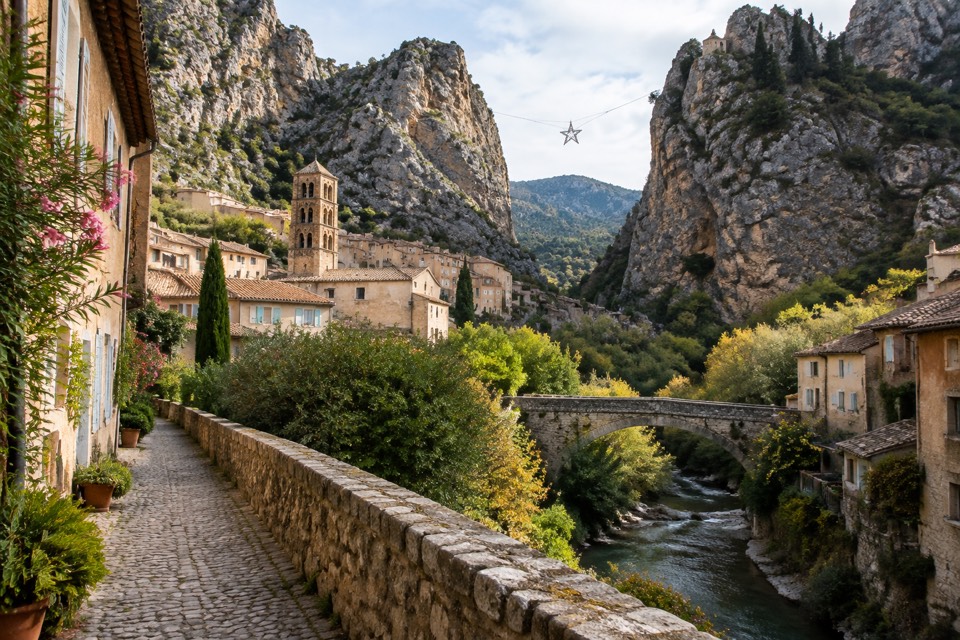
| Moustiers-Sainte-Marie | Moustiers-Sainte-Marie, France | Mountain and village scenes representing Grasse area | Free to see |
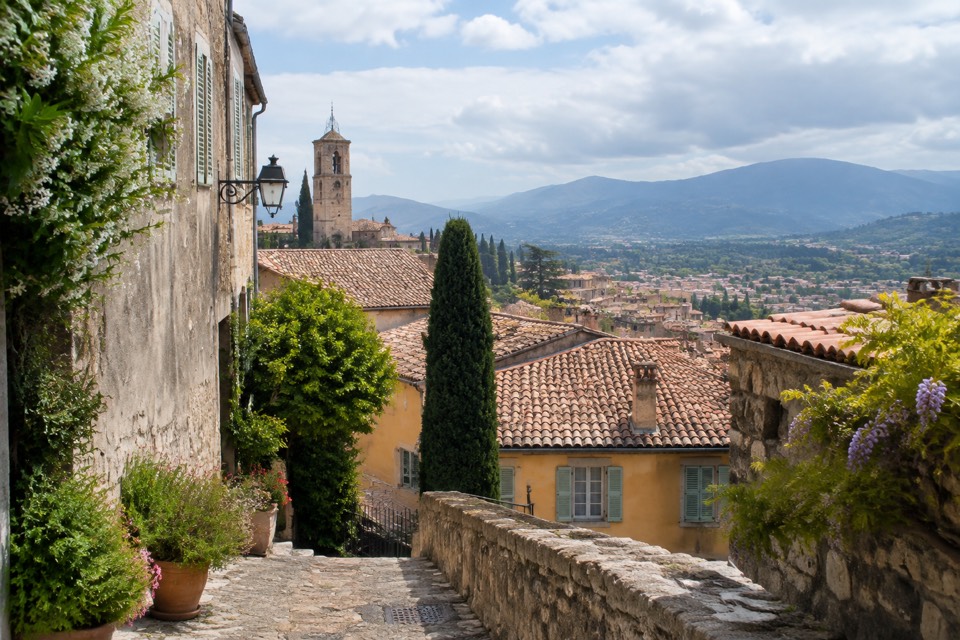
| Grasse | Grasse, France | Perfume town scenes | Free to see |
| Bavaria Filmstadt | Grünwald, Germany | Baldini's perfumery workshop interiors | Ticketed |
Filming Locations Map
8 locations. The map loads when it scrolls into view.
Map data © OpenStreetMap contributors
Location By Location
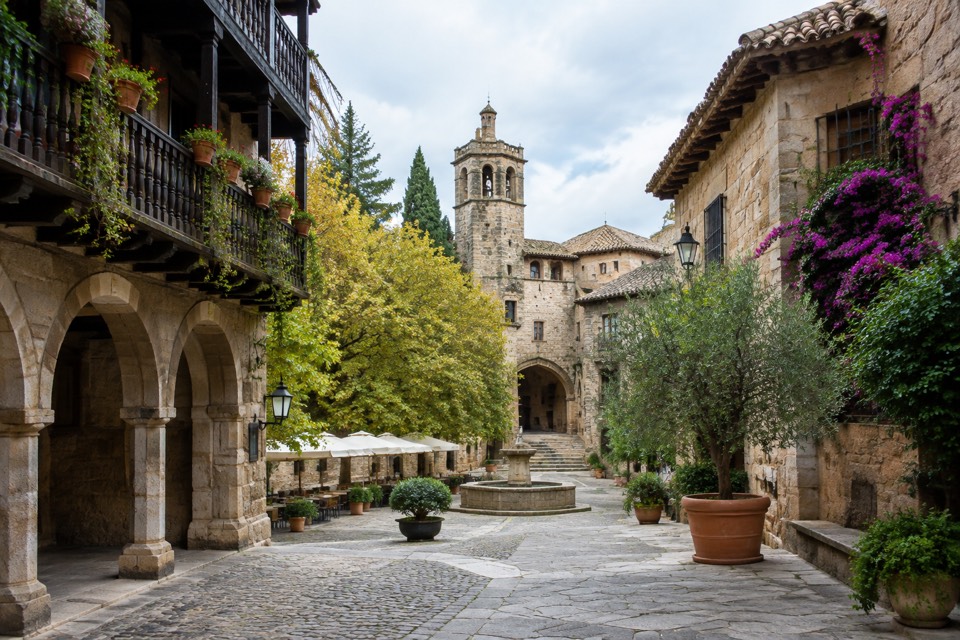
The open-air museum on Montjuïc hosted the film's climactic orgy and execution scene, one of the largest sequences in the production, using 750 extras and taking over a week to film with dozens of makeup and wardrobe staff. The site's central square was used extensively. Poble Espanyol remains open to visitors with a ticket, and its mixture of architectural styles from across Spain makes it a distinctive stop even without the film connection.
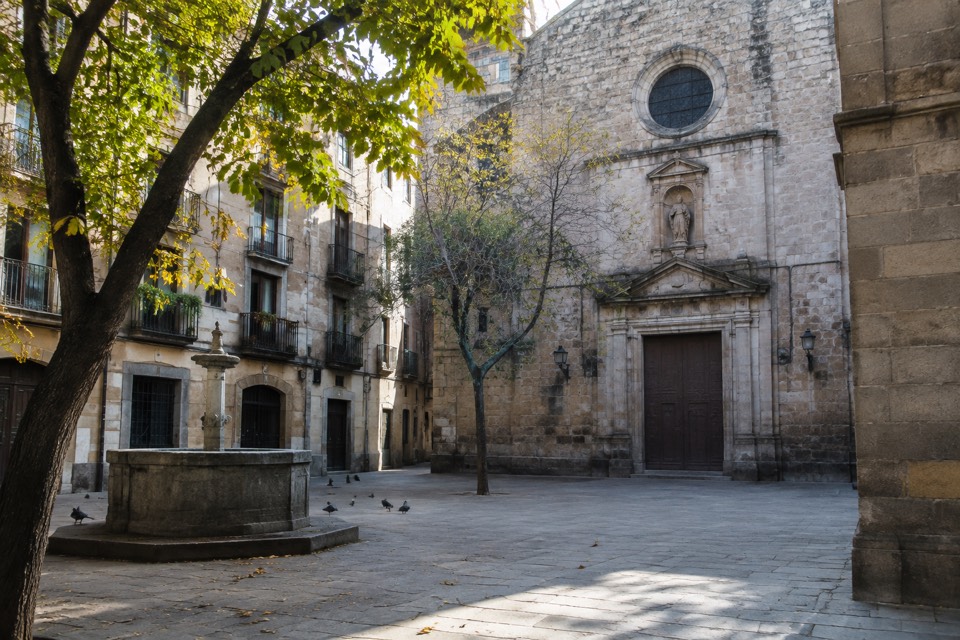
The first murder scene was shot in this small, atmospheric square in the Gothic Quarter. Visitors today find a quiet historic space marked by bullet holes in its church wall from the Spanish Civil War, a sombre piece of real history that long predates the film. Access is free and public. The square sits a short walk from Plaça de la Mercè, so the two Barcelona film locations can be combined in one stroll.
This enormous fortress in Figueres, northern Catalonia, doubled as multiple settings: the tannery where Grenouille toils, the Paris city gates, and dungeon scenes. The fortress is one of the largest of its kind in Europe and is open to visitors with a ticket, and guided tours are available. Figueres is reachable from Barcelona by train, and the town is also known as the home of the Dalí Theatre-Museum, which makes a combined day trip practical.
The residence of the Richis family was filmed at this historic park on the edge of Barcelona, best known for its neoclassical garden maze. The park is publicly accessible, and entry is free on some days, though it is worth checking ahead as visitor numbers are sometimes limited. It lies further from the city centre than the Gothic Quarter locations, so allow extra travel time.
This picturesque village in Alpes-de-Haute-Provence stood in for the mountain and village landscapes of the Grasse area. Set beneath dramatic cliffs and famous for its faïence pottery, it rewards visitors as a destination in its own right. There are limited specific filming markers, so film travellers should come for the scenery rather than a formal location trail. Access is free and public.
The real perfume capital of France appears as itself, with perfume town scenes shot on location. Grasse sits inland from Cannes and offers perfume museums and working factories that visitors can tour, giving the town a stronger connection to the film's subject matter than almost any other location. Access is free and public, and it pairs naturally with Moustiers-Sainte-Marie for a Provence-based trip.
Baldini's perfumery workshop interiors were built and filmed at the studio complex in Grünwald, just outside Munich. The specific sets from the 2005 shoot are not preserved, but Bavaria Filmstadt offers general studio tours that show visitors around working soundstages and props from other German productions. Admission is ticketed. Munich makes a separate trip from the Spanish and French locations, so this stop suits dedicated film-location completists.
Where It Is Set Versus Where It Was Filmed
The story is set in 18th-century France, primarily in Paris and Grasse, but almost none of the film was shot in those places as they exist today. The production chose Barcelona and other parts of Catalonia to recreate the period streets, with Bavaria Film Studios in Germany handling interiors, and additional location work in France and the Netherlands filling out the frame.
The Studio Side
Bavaria Film Studios in Grünwald, Germany, was the production's studio base, and the opening 15 days of the shoot took place entirely there for the Hoffman scenes. The complex operates as Bavaria Filmstadt, a visitable attraction with tours of its soundstages and backlot. Travellers should not expect original Perfume sets: the 2005 constructions were not preserved.
Tours That Visit These Locations
For travellers who want to see where the film was made without organising everything independently, one bookable option covers Barcelona's old city, including one of the film's key squares.
Bike Quest, Old City Film Stops
Barcelona: Interactive Movie Quest Bike Tour
This interactive bike tour passes through Barcelona's old city, including Plaça de la Mercè, the square used for the fish market scenes where Grenouille is born, alongside other movie locations in the city. It suits travellers who want a guided, active way to cover the Gothic Quarter's film sites.
Frequently Asked Questions
Was Perfume: The Story of a Murderer filmed in France?
Partly. Grasse and Moustiers-Sainte-Marie in southern France appear in the film, and some scenes were shot in the Netherlands, but the bulk of the location work happened in Barcelona and elsewhere in Catalonia, Spain, with interiors at Bavaria Film Studios in Germany.
Why was Barcelona used for 18th-century Paris?
The production scouted eight European countries and chose Barcelona because its Gothic Quarter and historic architecture could pass for Paris before Haussmann's renovations. Large sets, including the fish market, were built into existing streets.
Can you visit Poble Espanyol where the orgy scene was filmed?
Yes. Poble Espanyol is an open-air museum on Montjuïc that requires a ticket. Its central square was used extensively for the climactic scene, which involved 750 extras and over a week of filming.
Is the fish market square from the opening scene accessible?
Plaça de la Mercè is a public square in the Gothic Quarter, free to visit at any time. The production's set, including two and a half tons of fish, was removed after filming, so nothing remains on site today.
Are the original Perfume sets preserved at Bavaria Filmstadt?
No. The sets from the 2005 shoot, including Baldini's perfumery workshop interiors, were not preserved. Bavaria Filmstadt still runs studio tours of its soundstages and other productions' props.
How expensive was the film?
With a budget of around €50 million, it was the most expensive German film ever made at the time of its 2006 release.
Barcelona offers the densest cluster of locations, all reachable on foot or by bike in a single day, while Figueres adds a fortress with real star power and Provence rewards a longer trip. Munich's studio tour rounds out the itinerary for completists. Together they map a film that set its story in France but found its 18th century almost entirely in Spain.