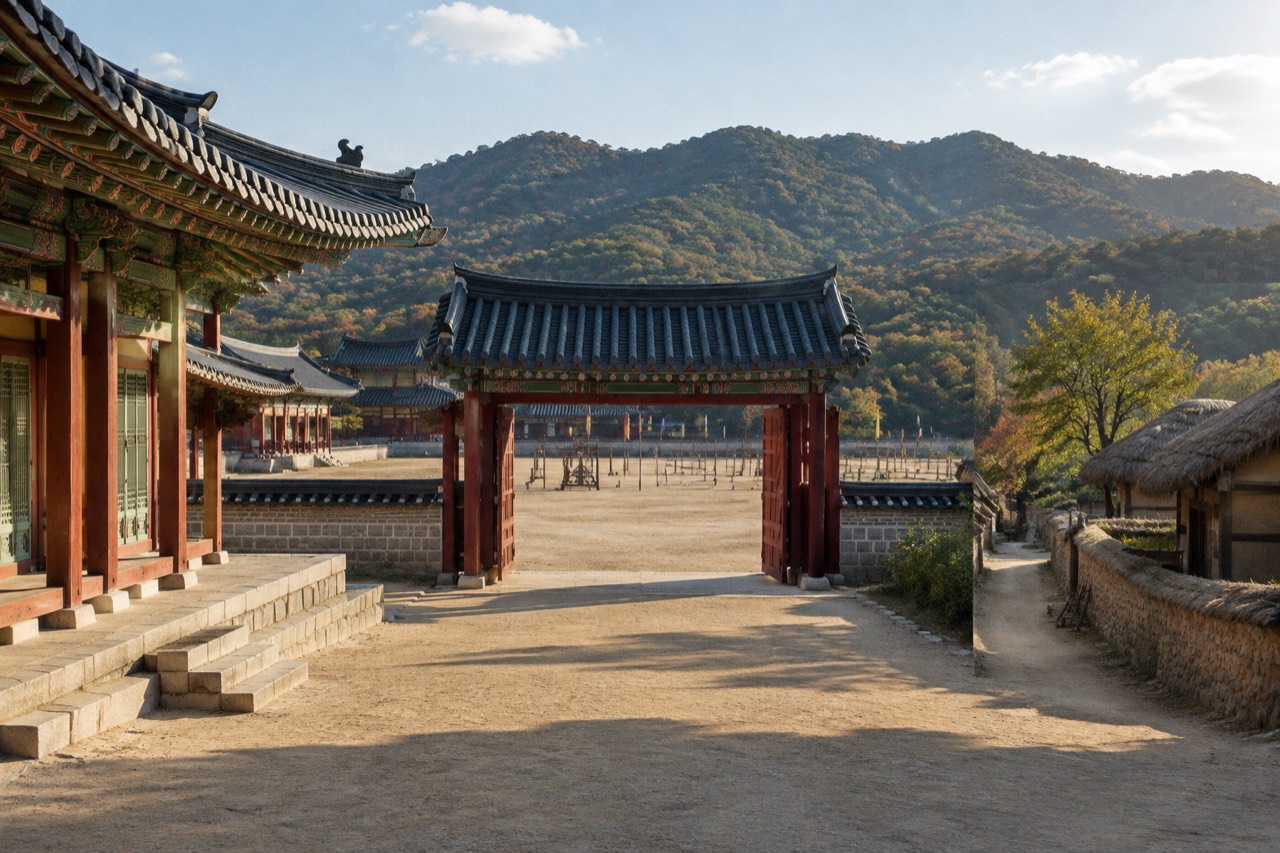
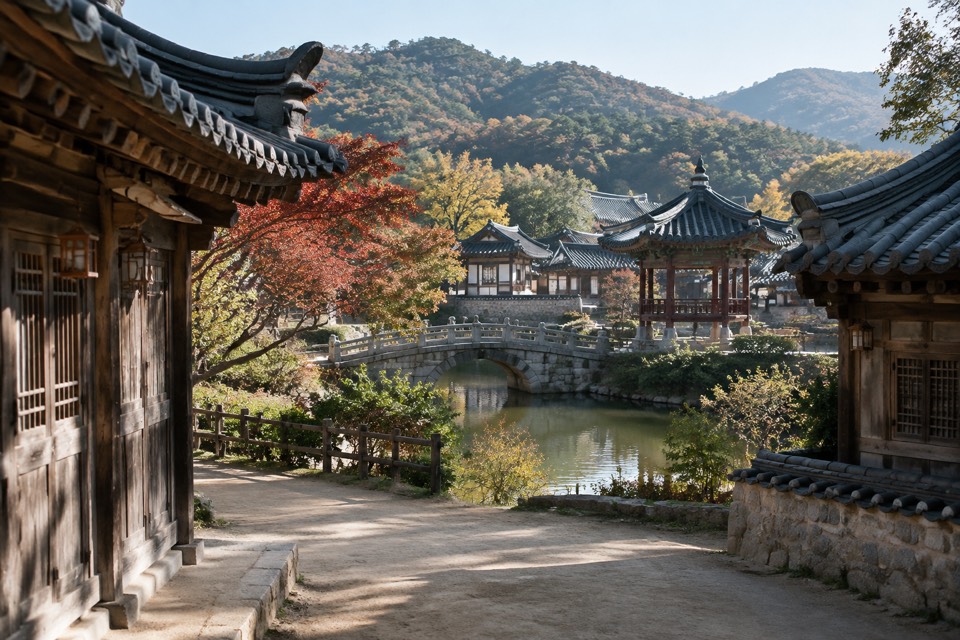
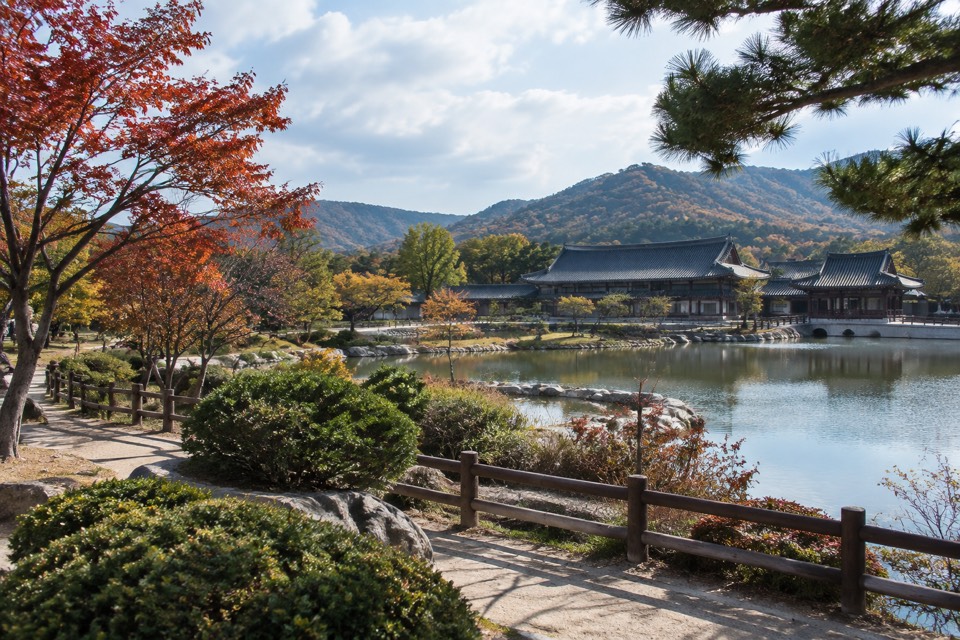
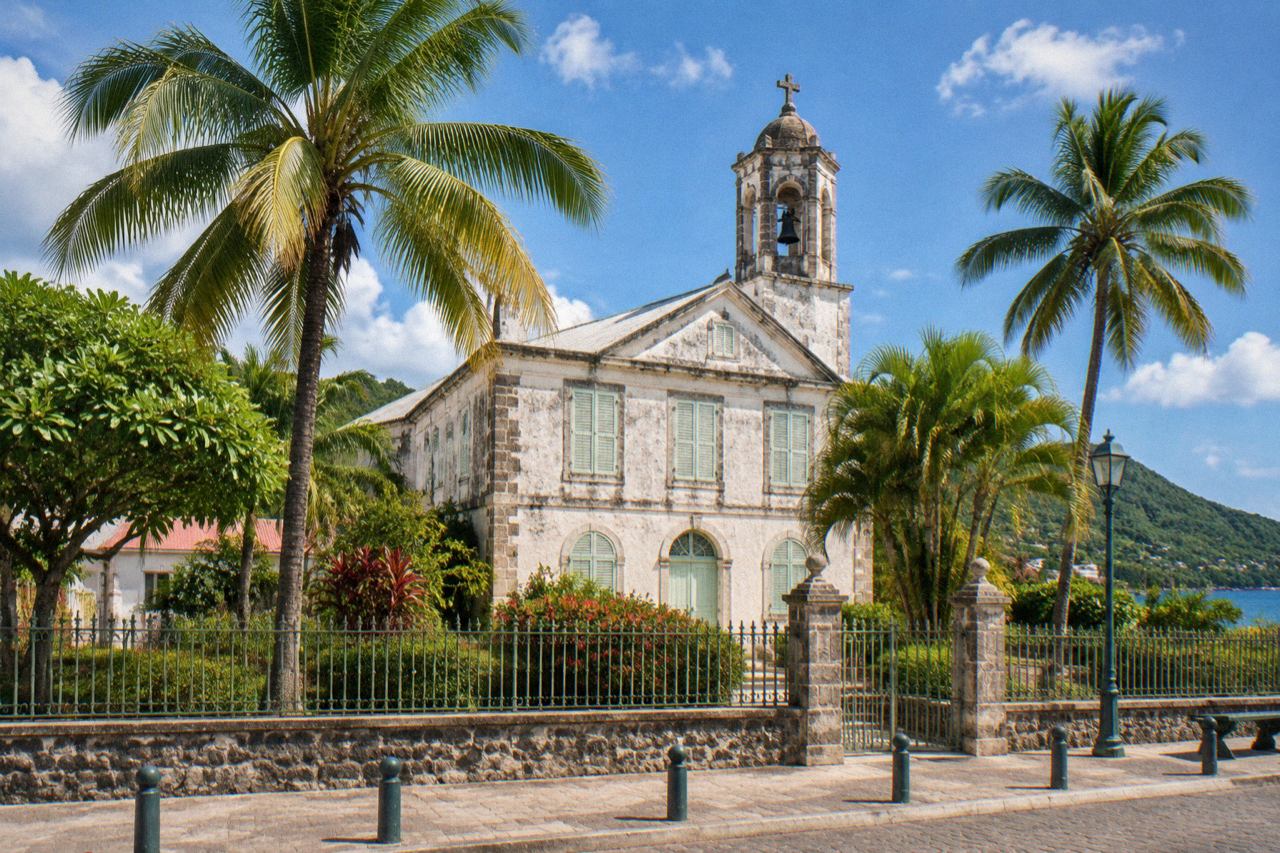
This studio park in Yongin, Gyeonggi, hosted the palace interiors, Hwarang training grounds, and village and street sets. The sets were renovated specifically for the production, including Misil Palace. Today the park is open daily with guided tours and multiple historical drama sets from various productions. Access is by ticket, and booking in advance is recommended. A dedicated tour from Seoul covers this stop.
The Short Answer
Queen Seondeok was mainly filmed at MBC Dramia, now Yongin Daejanggeum Park, where palace interiors, Hwarang training grounds and village sets were built. Location filming also used Shilla Millennium Park in Gyeongju, plus real heritage sites such as Bulguksa Temple, Donggung Palace and Wolji Pond, and mountain areas including Gyeryongsan for battle scenes.
Queen Seondeok, the top-rated Korean drama of 2009 with a peak viewership of 43.6%, retells the story of the Silla Kingdom's first reigning queen. The production spanned 12 months of filming from January to December 2009, broadcast in real time as episodes aired.
Rather than building everything on a soundstage, the crew split work between purpose-built studio sets in Yongin and authentic Silla-era locations in and around Gyeongju, the ancient capital. Several of these sites can be visited today, and one bookable tour from Seoul covers the main studio park.
Every Location At A Glance
| Location | Where | What was filmed | Access |
|---|---|---|---|
| Yongin Daejanggeum Park (MBC Dramia) | Yongin | Palace interiors, Hwarang training grounds, village and street sets | Ticketed |
| Shilla Millennium Park | Gyeongju | Reconstructed Silla palace sets, Misil Palace, Hwarang training grounds, village recreations | Ticketed |
| Donggung Palace and Wolji Pond | Gyeongju | Royal palace and pond exteriors | Free to see |
| Madangbawi Rock (Mount Obong) | Gyeongju | Dramatic cliff and mountain confrontation scenes | Free to see |
| Samneung Forest (Mount Nam slopes) | Gyeongju | Pine grove scenes including sandstorm survival and fate determination | Free to see |
| Bulguksa Temple | Gyeongju | Temple exterior scenes | Ticketed |
| Bunhwangsa Temple | Gyeongju | Temple settings | Free to see |
| Gyeryongsan Mountain | Gongju area | Battle scenes with mountainous backdrops | Free to see |
Filming Locations Map
8 locations. The map loads when it scrolls into view.
Map data © OpenStreetMap contributors
Location By Location
This Silla history theme park in Gyeongju holds reconstructed Silla palace sets, Misil Palace, Hwarang training grounds, and village recreations built for the series with input from historical consultants. It gives the closest visual match to the drama's palace interiors. Access is by ticket. Renovations occur from time to time, so checking current opening hours before a visit is advised.
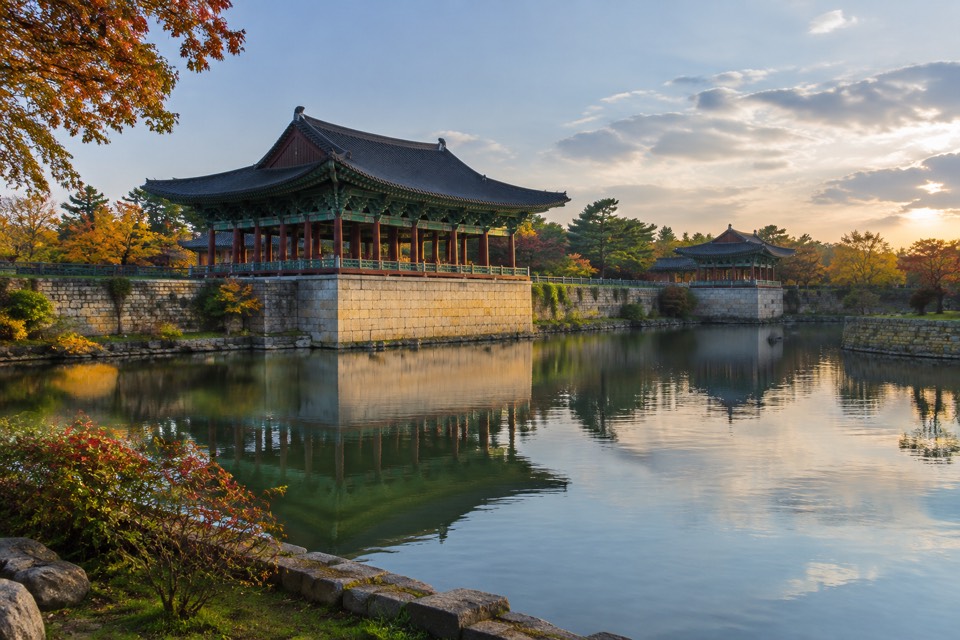
A UNESCO site in central Gyeongju, this royal palace and pond appears in exterior scenes of the drama. Today it is one of the city's most popular tourist spots, especially after dark when the palace and pond are illuminated. Access is public and it combines easily with other downtown Gyeongju sights within a short distance of each other.
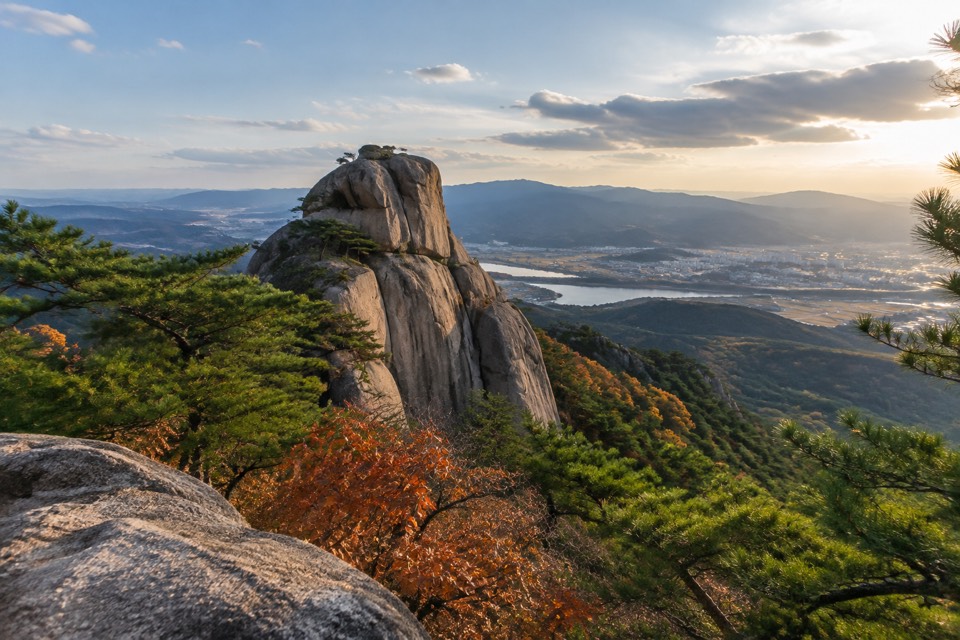
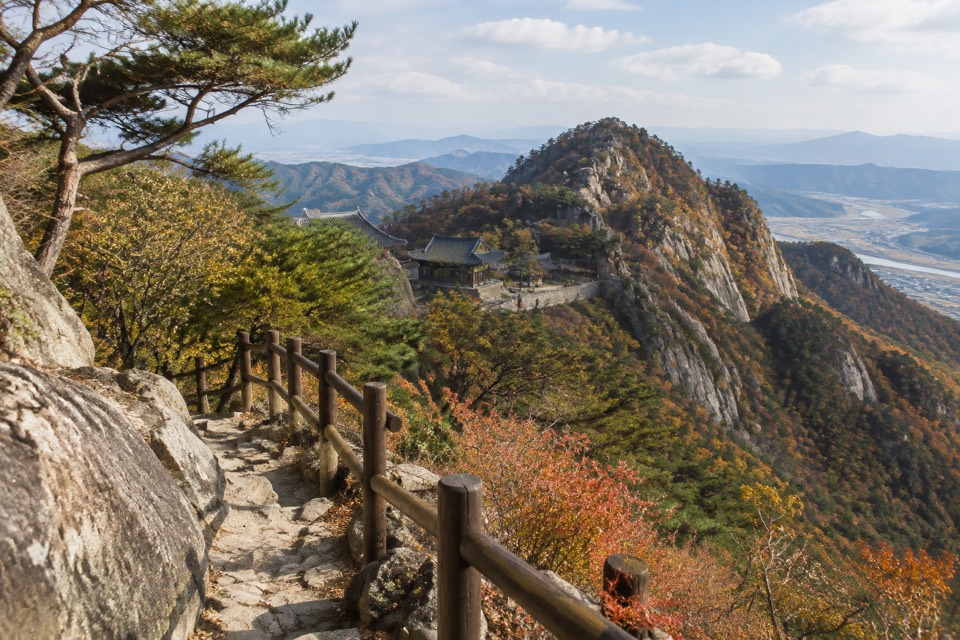
This cliff on Mount Obong in Gyeongju served as the setting for dramatic confrontation scenes. It remains a hiking area with sweeping cliff views over the surrounding landscape. Access is public and free. Visitor planning suggests combining it with other Gyeongju sites rather than treating it as a standalone destination, since the trail itself is the main draw.
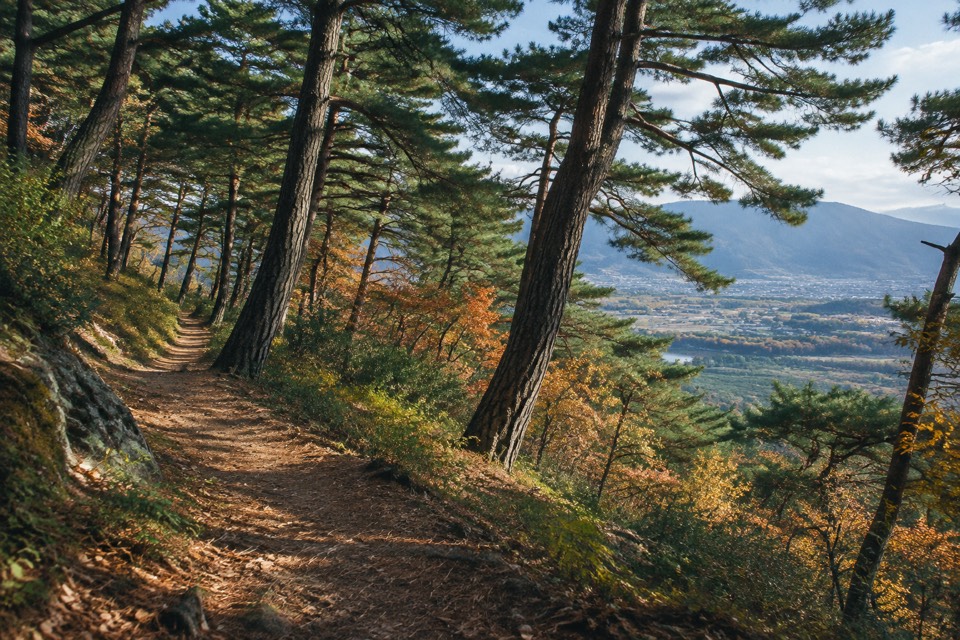
The pine groves on the slopes of Mount Nam hosted key symbolic scenes, including a desert sandstorm survival sequence and a fate determination moment. The historic forest sits near royal tombs and takes on a misty atmosphere in cooler months. Access is public. It is a quiet stop suited to travelers pairing light walking with Gyeongju's tomb sites.
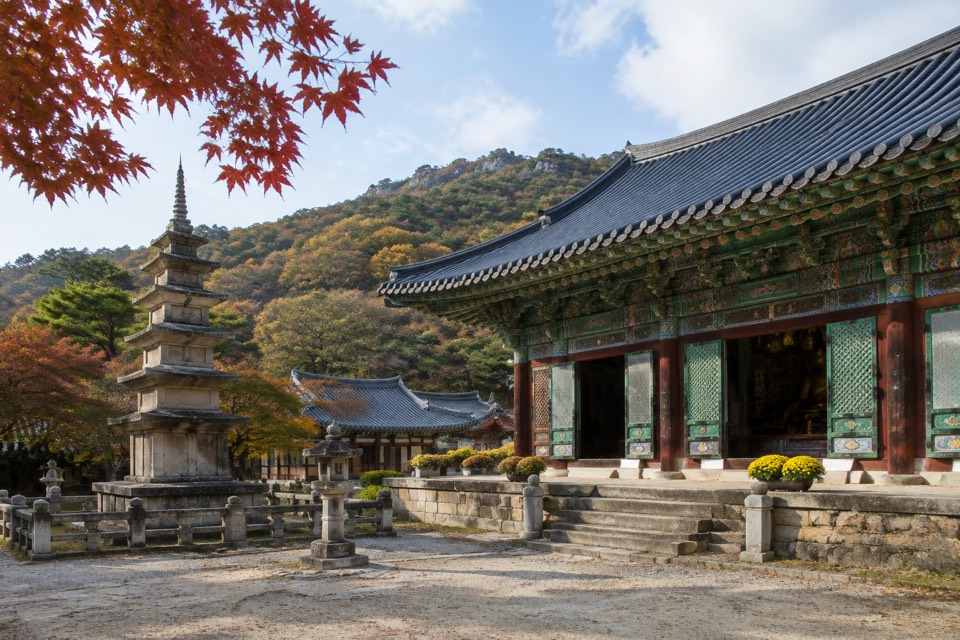
This UNESCO World Heritage temple south of Gyeongju appears in exterior temple scenes in the series. It remains one of Korea's major tourist sites, with extensive grounds, stone stairways and halls spread across a forested hillside. Access is by ticket. Allow at least half a day, since the temple complex and its approach paths are larger than many visitors expect.
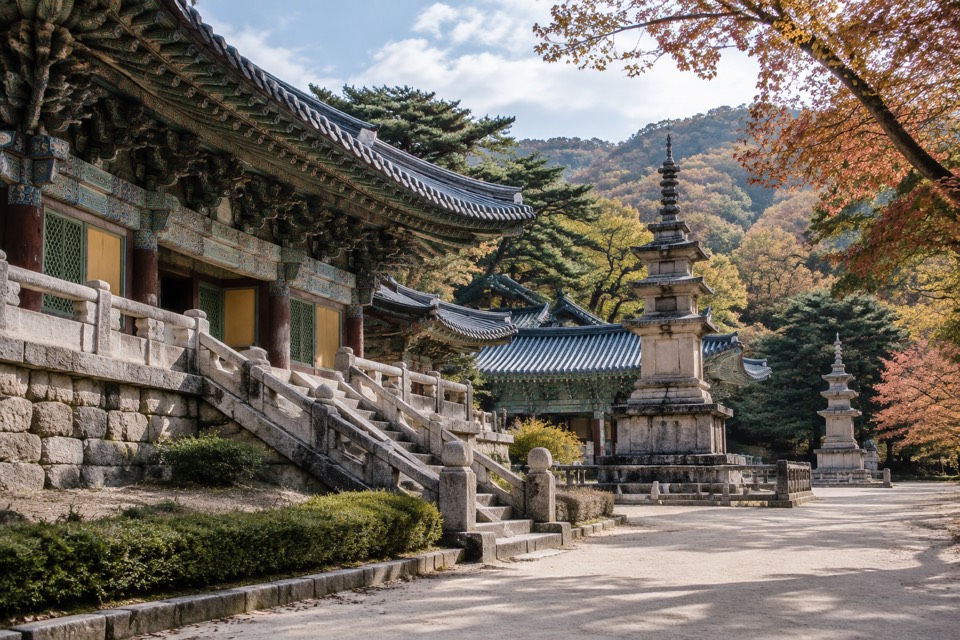
Bunhwangsa provided temple settings for the drama and sits close to other Gyeongju attractions, including Donggung Palace and Wolji Pond. The site is known for its ancient pagoda. Access is public. Its central location makes it an easy add-on to a day of Gyeongju sightseeing rather than a destination requiring separate planning.
Battle scenes with mountainous backdrops were filmed at Gyeryongsan in the Gongju area of South Chungcheong province, west of the main Gyeongju locations. The mountain is now a national park with hiking trails. Access is public. Visitors should plan for a full day here, as the trails and transit time from Gyeongju or Seoul add up quickly.
Where It Is Set Versus Where It Was Filmed
The story is set in the Silla Kingdom of the 7th century, centered on the Gyeongju region, and the production leaned on that same region for authenticity. Filming took place at modern Gyeongju historic sites and purpose-built Yongin studio sets, with additional mountain locations such as Gyeryongsan standing in for battle terrain. The overlap between setting and shooting locations is unusually close for a historical drama.
The Studio Side
The studio anchor was MBC Dramia in Yongin, now operating as Yongin Daejanggeum Park. Sets there were renovated specifically for this production, including Misil Palace and the Hwarang training grounds, with historical consultants advising on the replication of Silla architecture. The park is visitable today and can be reached on a guided tour from Seoul that includes the historic K-drama sets.
Tours That Visit These Locations
Only one bookable tour connects directly to these filming locations: a guided day trip from Seoul that includes Dae Jang Geum Park, the former MBC Dramia studio complex where much of Queen Seondeok was shot.
From Seoul, Studio Set Day Trip
From Seoul: Dae Jang Geum Park Historic K-Drama Set Tour
This guided tour from Seoul, priced at USD 55 per person, takes visitors through Dae Jang Geum Park, the former MBC Dramia where Queen Seondeok's palace interiors, Hwarang training grounds and village sets were built and renovated for the series. With 222 reviews, it suits travelers who want the studio half of the story without arranging intercity transport themselves. Gyeongju's real Silla sites require a separate trip.
Frequently Asked Questions
Where Was Queen Seondeok Mainly Filmed?
Most studio work happened at MBC Dramia in Yongin, now called Yongin Daejanggeum Park, where palace interiors, Hwarang training grounds and village sets were built. Location filming took place around Gyeongju, especially at Shilla Millennium Park and real heritage sites.
Can You Visit The Filming Locations?
Yes. Yongin Daejanggeum Park is open daily with guided tours and ticketed entry. Shilla Millennium Park is also ticketed, while sites such as Donggung Palace and Wolji Pond, Bunhwangsa Temple and the Gyeongju pine groves have public access. Bulguksa Temple charges admission.
Is There A Tour Of The Queen Seondeok Studio Sets?
A guided tour from Seoul includes Dae Jang Geum Park, the former MBC Dramia studio complex. It costs USD 55 per person and has 222 reviews. It covers the studio sets but not the Gyeongju locations, which require separate travel.
How Long Did Filming Take?
Production ran for 12 months, from January to December 2009, with episodes broadcast in real time as filming continued. The series peaked at 43.6% viewership and finished as the top-rated Korean drama of that year.
Were The Sets Historically Accurate?
The production employed historical consultants to replicate Silla architecture at Shilla Millennium Park and MBC Dramia. The studio sets at MBC Dramia were renovated specifically for Misil Palace and the Hwarang training grounds for this series.
Which Gyeongju Sites Should Fans Prioritize?
Shilla Millennium Park offers the reconstructed palace sets seen on screen, while Donggung Palace and Wolji Pond, Bulguksa Temple and the Mount Nam pine groves provide authentic Silla atmosphere. Gyeryongsan Mountain, used for battle scenes, is farther away near Gongju and needs a full day.
Queen Seondeok's filming footprint splits neatly in two: studio craftsmanship in Yongin and real Silla heritage in Gyeongju. Travelers short on time can book the Seoul day tour to the former MBC Dramia, while those with two or more days can build a Gyeongju circuit covering Shilla Millennium Park, the temples, and the pine groves that carried the drama's most memorable scenes.