Where It Is Set Versus Where It Was Filmed
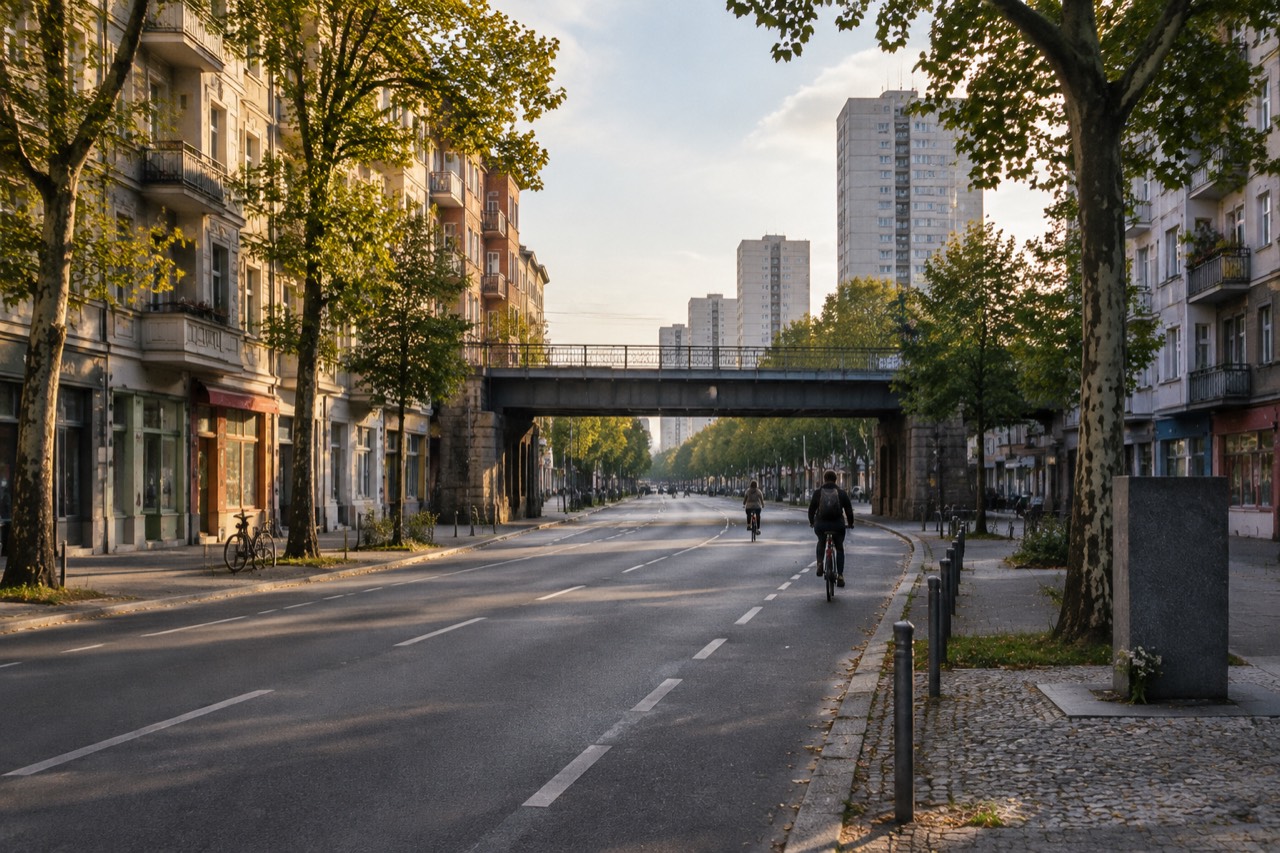
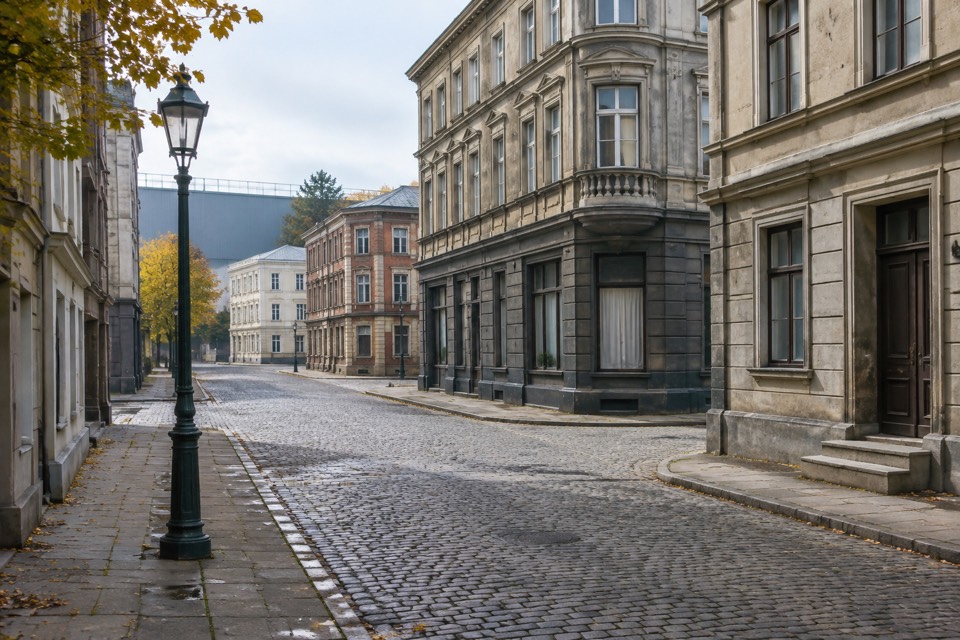
The story is set in 1970s East Berlin on the shorter eastern end of Sonnenallee near the Berlin Wall, but almost none of it was filmed there. The production primarily used a reconstructed set at Studio Babelsberg, with only limited real Berlin exteriors in Neukölln, Friedrichshain, and Köpenick filling in the gaps.
The Studio Side
Studio Babelsberg in Potsdam hosted the bulk of the shoot. The purpose-built Berliner Straße set, 130 meters long, recreated an East Berlin street in detail and later became a permanent, Europe-unique backlot reused by many subsequent productions. Today the studio grounds are partly open to the public through Filmpark Babelsberg, where visitors can see the surviving street set.
Tours That Visit These Locations
Seeing the main filming site in person is easiest with a guided visit that includes Babelsberg Film Studio among its stops.
5-Hour Film History By VW Bus
Potsdam-Babelsberg: 5-Hour-Tour "Film-History" by VW-Bus
This five-hour film history tour by VW bus covers Potsdam and Babelsberg with a stop at the film studio, pairing well with a visit to the Filmpark grounds where the Berliner Straße set still stands. It costs $428 and holds a 4.9 rating from 7 reviews.
★ 4.9 out of 5 · 7 reviews
Frequently Asked Questions
Was Sonnenallee filmed on the real street?
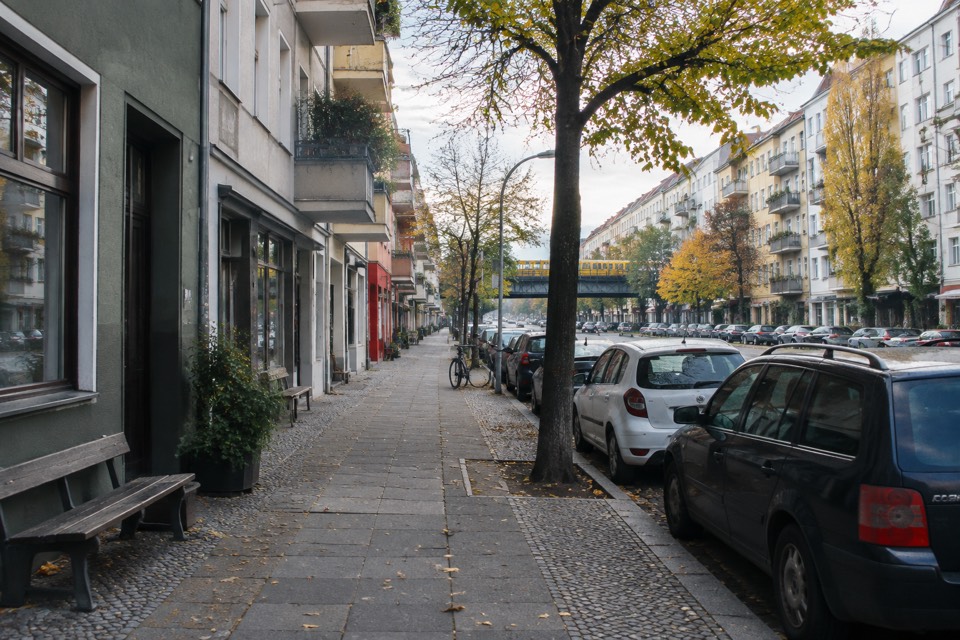
Only partly. Some exterior scenes were shot on the real Sonnenallee in Neukölln between S-Bahnhof Sonnenallee and Treptower Straße, including West package scenes at the former border crossing. The bulk of the film was shot on a purpose-built set at Studio Babelsberg.
Why was the Berliner Straße set built?
After the Wall fell, the real Sonnenallee no longer matched its 1970s appearance, so the production built a 130-meter street set at Babelsberg recreating East Berlin buildings, the wall, a kiosk, and a playground. The set later became a permanent backlot used in films like Herr Lehmann, Mein Führer, and Russendisko.
Can you visit the filming locations?
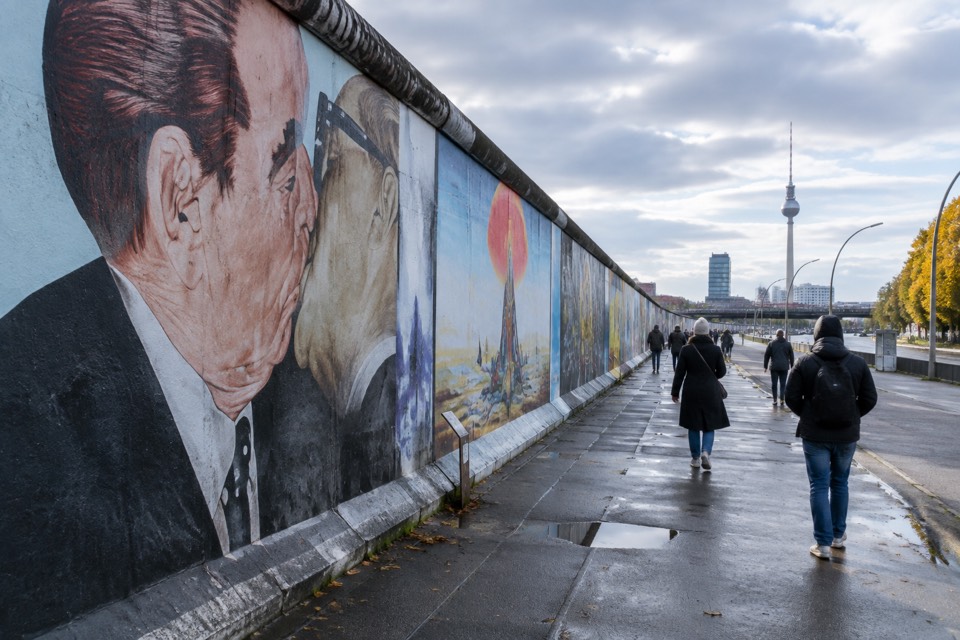
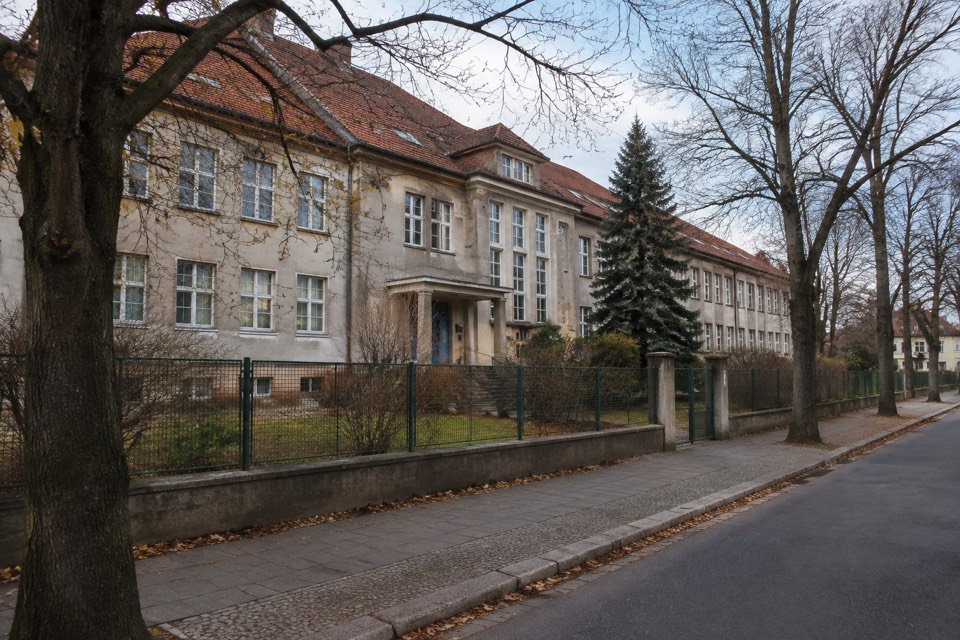
Yes. The Sonnenallee street and East Side Gallery are public, the former school in Köpenick can be viewed from outside, and the Berliner Straße set can be seen at Filmpark Babelsberg with a ticket.
Where was the dance scene filmed?
The legendary dance scene was shot at the former 30. POS Paul Wengels school in Berlin-Köpenick, which retained original DDR-era fittings at the time of filming.
Does the yellow kiosk from the film still exist on site?
The yellow newspaper kiosk stood on the Filmpark Babelsberg grounds until autumn 2020, but it is no longer there. The Berliner Straße street set itself remains part of the Filmpark.
Is there a tour that covers the studio?
Yes, a five-hour film history tour by VW bus includes a stop at Babelsberg Film Studio. It costs $428 and is rated 4.9 from 7 reviews, making it a convenient option for travelers wanting context beyond a self-guided Filmpark visit.
Sonnenallee rewards two kinds of visits: a walk along the real street and border park in Neukölln, and a trip out to Potsdam where the reconstructed East Berlin of the film survives as a working backlot. Combine both and you get the full picture of how 1970s Berlin was rebuilt for the camera.