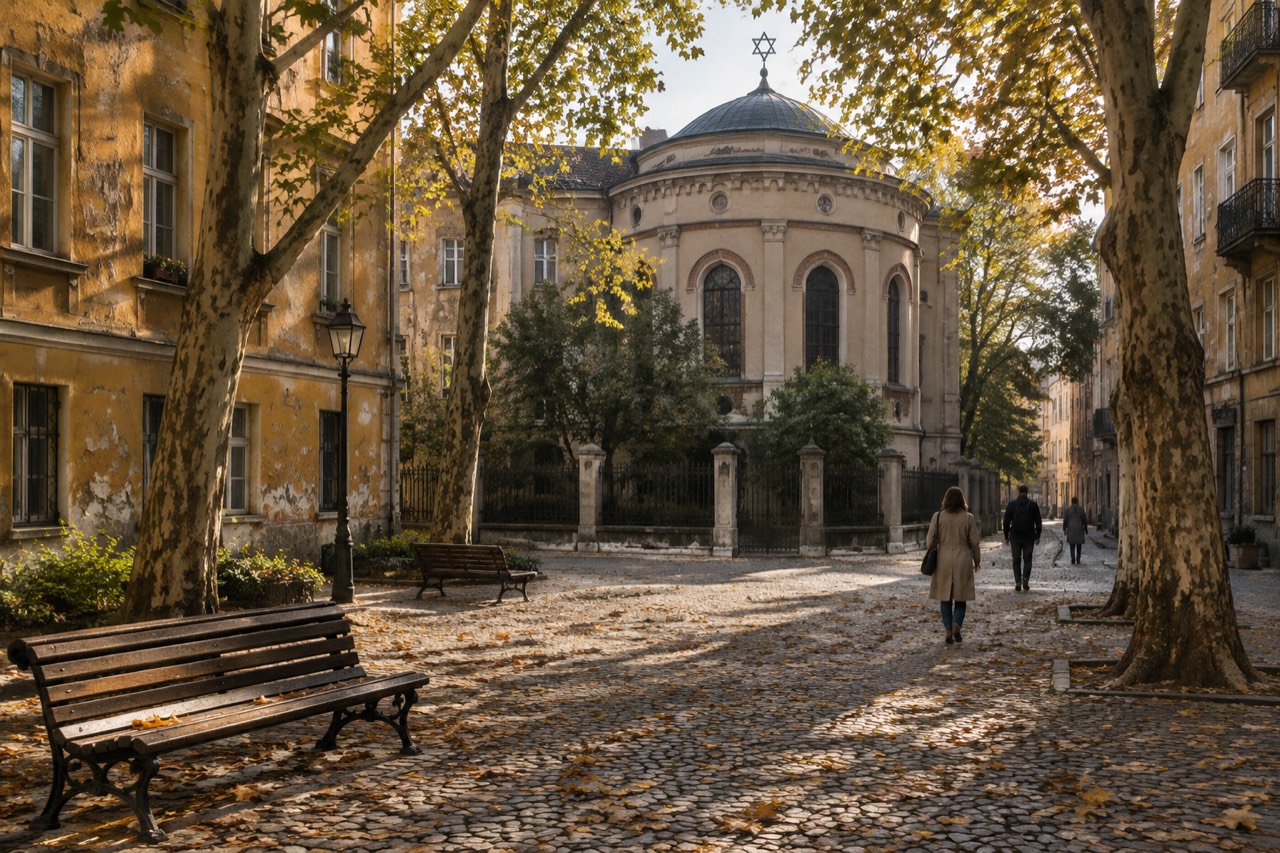
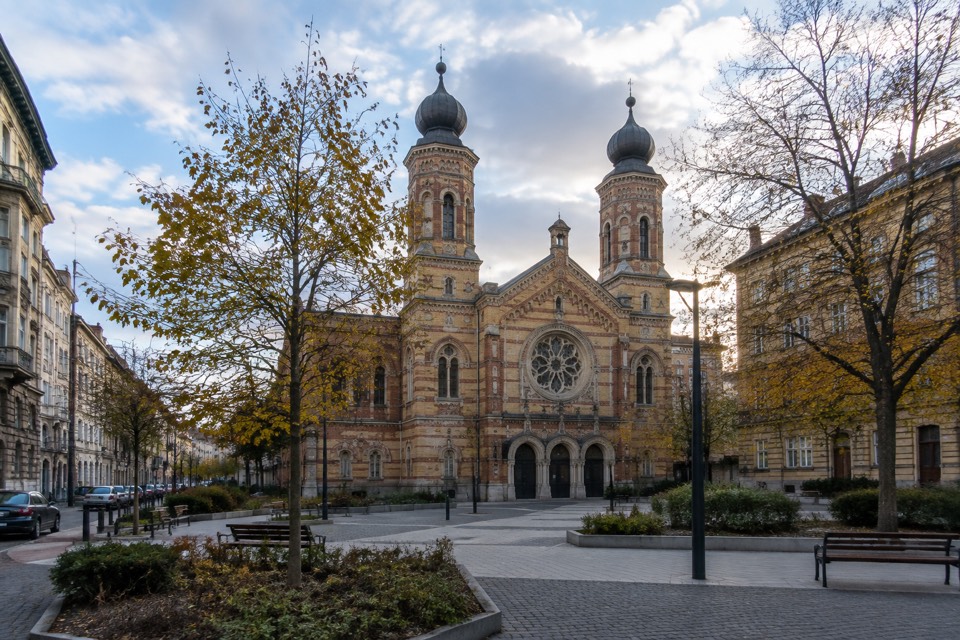
This historic square in Budapest's Józsefváros district served as the setting for the synagogue and orphanage scenes from László's early life, the Budapest-set sequences that open his story. The active synagogue at No. 22 still anchors the square today. The square itself is fully public, so visitors can wander freely and photograph the exterior. Travelers should check for services or special events, which can affect access and the atmosphere of a visit.
The Short Answer
The Brutalist was mainly filmed in Budapest, Hungary, which stood in for 1950s Philadelphia and rural Pennsylvania. Additional key sequences were shot in the Carrara marble quarries and town in Tuscany, Italy, plus Venice for the epilogue. Principal photography ran 34 days, from March 16 to May 5, 2023, on a budget of roughly $10 million.
Brady Corbet's The Brutalist tells a story rooted in postwar America, but almost none of it was filmed there. Budapest's architecture, film labs, and tax incentives let a low-budget production double for multiple American locations across several decades.
The production shot almost entirely on VistaVision 35mm film, a format rarely used since the 1960s, over a frantic 34-day schedule from March 16 to May 5, 2023. The result recreates 1950s Philadelphia and rural Pennsylvania in Hungary, before shifting to the marble landscapes of Carrara and Venice for the final act.
Every Location At A Glance
| Location | Where | What was filmed | Access |
|---|---|---|---|
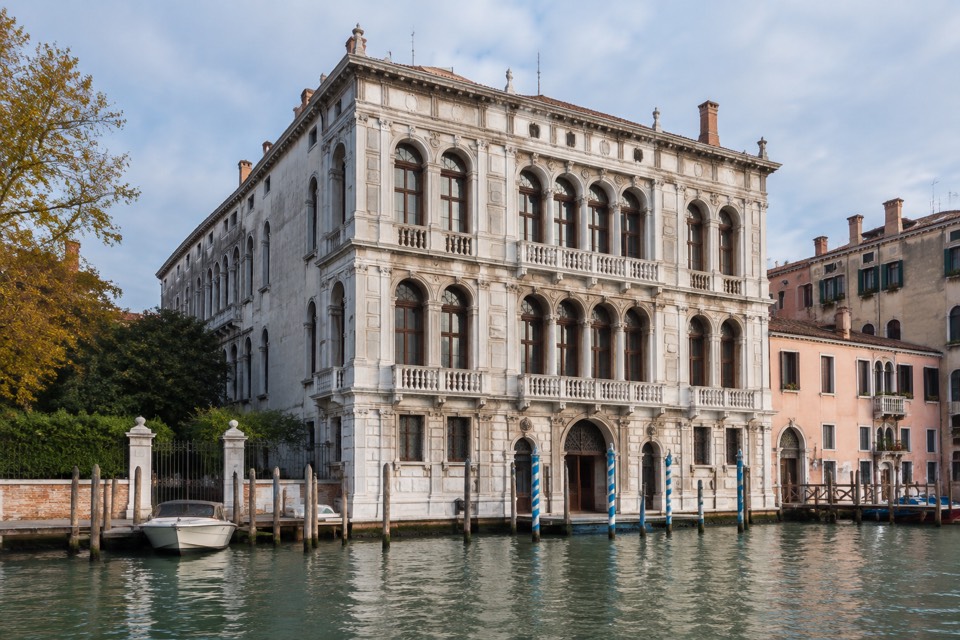
| Teleki László tér Synagogue / Teleki Square | Budapest, Hungary | Synagogue and orphanage/church shelter scenes; László's early life in Budapest-set sequences | Free to see |
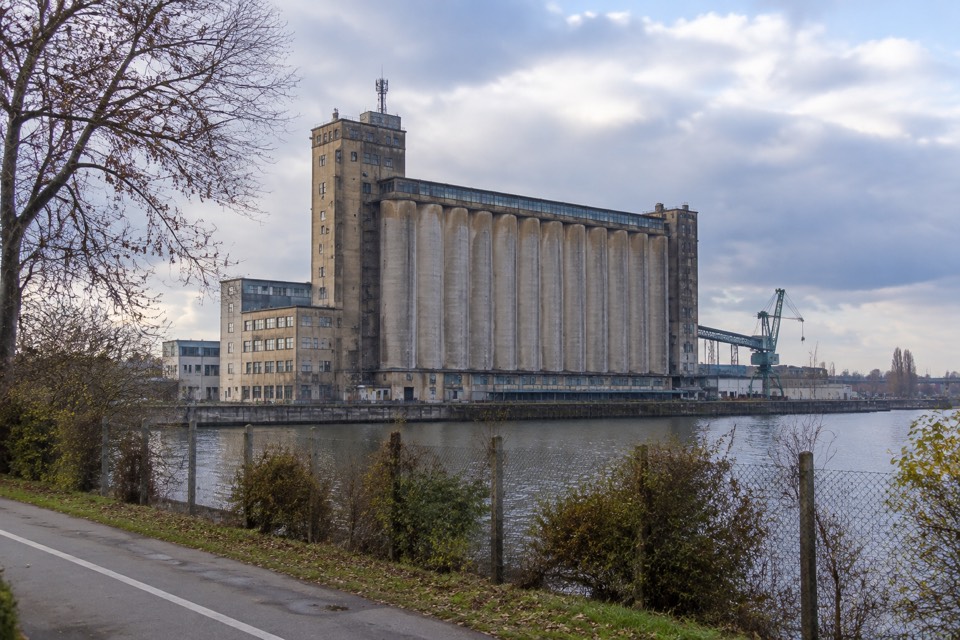
| MAHART Gabonatárház / Csepel Island Grain Warehouse | Budapest, Hungary | Industrial docks and coal-shoveling scenes where Tóth finds work | Outside only |
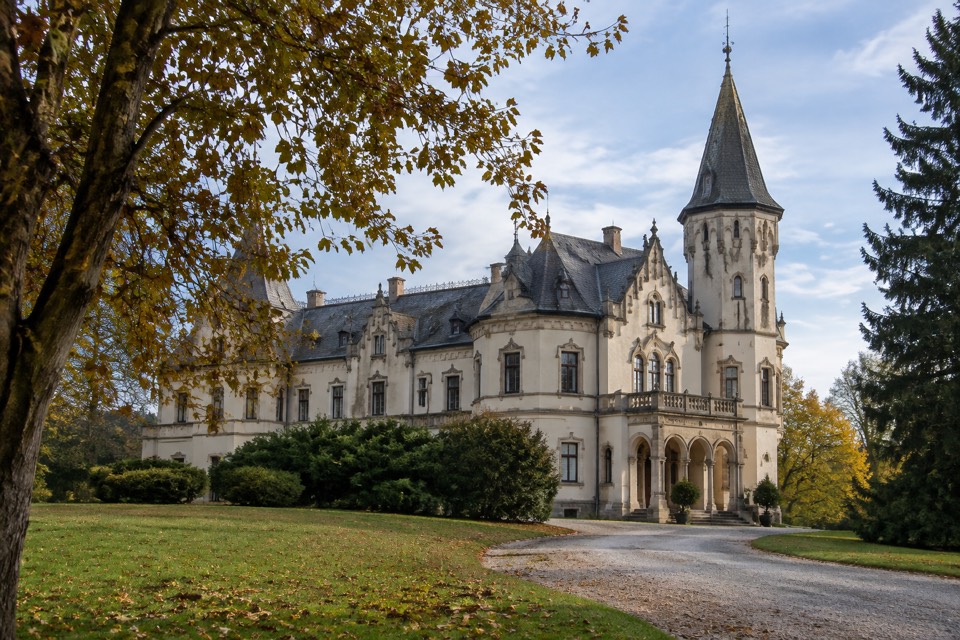
| Andrássy Castle (Andrássy-kastély) | Tóalmás, Hungary | Van Buren mansion in Pennsylvania; interior and exterior scenes | Ticketed |
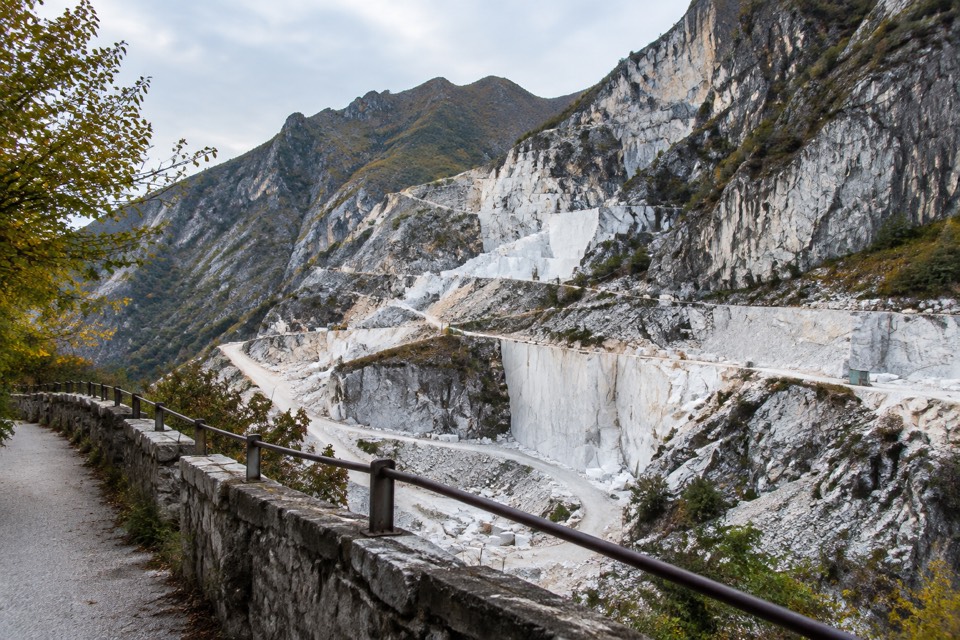
| Bettogli Quarry | Carrara, Italy | Marble quarry scenes where Tóth and Van Buren select stone for the Institute | Private property |
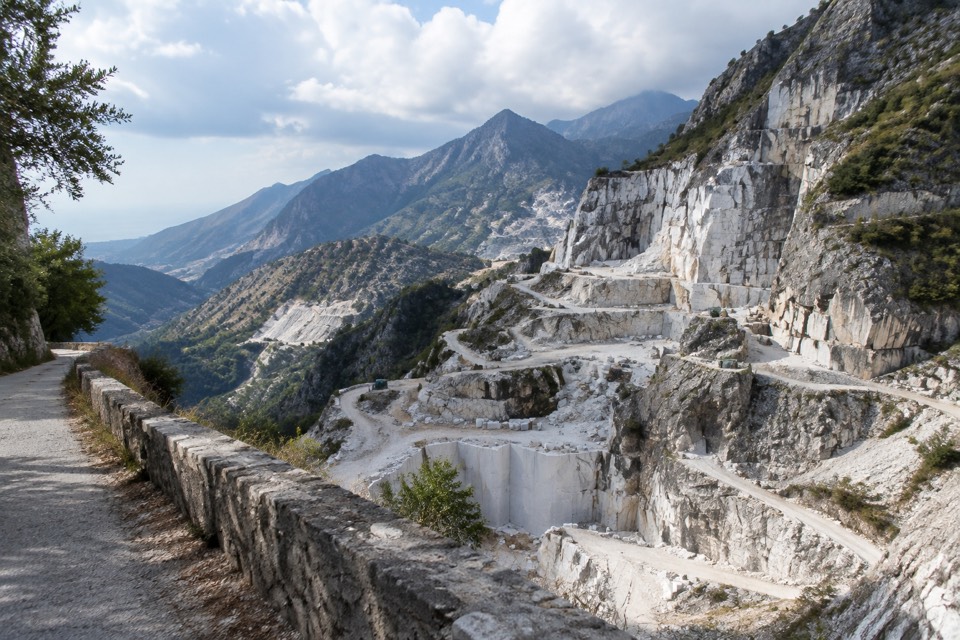
| Bombarda Quarry / Carrara Quarries | Carrara, Italy | Additional quarry and marble selection sequences in Apuan Alps | Private property |
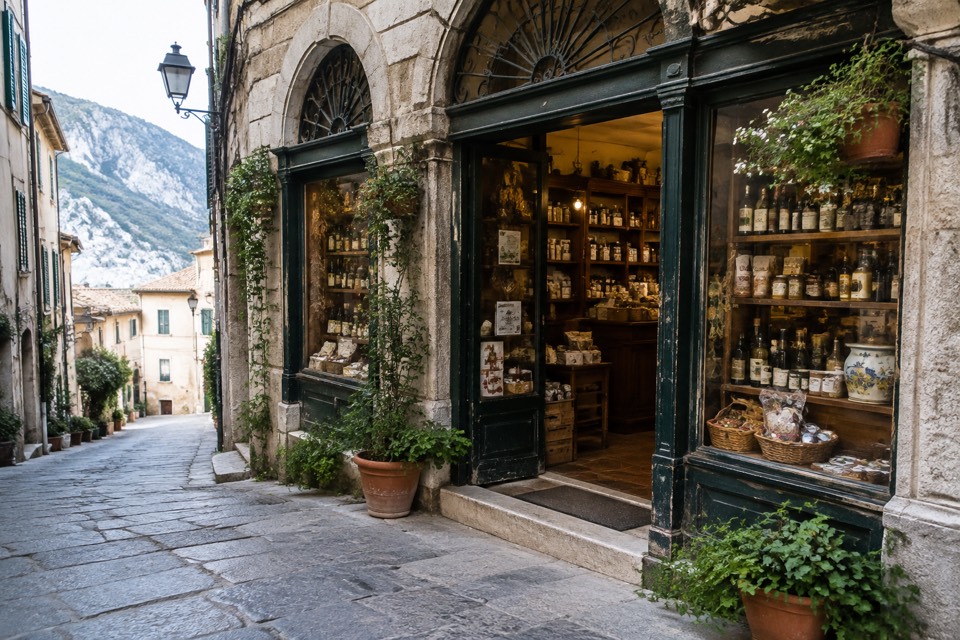
| Drogheria Riacci / Antica Drogheria Riacci | Carrara, Italy | Grocery store scene in Carrara town during Italy trip | Free to see |
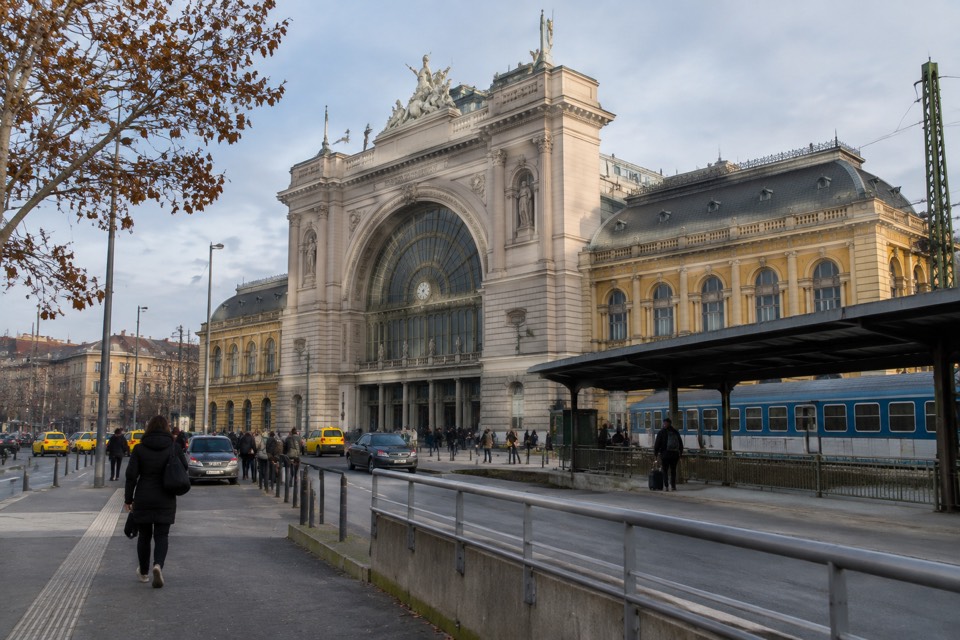
| Budapest Keleti Railway Station | Budapest, Hungary | Train station scenes, including arrival/pickup sequences | Free to see |
| Palazzo Ca' Giustinian | Venice, Italy | Venice Architecture Biennale epilogue scenes for Tóth's recognition | Ticketed |
Filming Locations Map
8 locations. The map loads when it scrolls into view.
Map data © OpenStreetMap contributors
Location By Location
The industrial docks and coal-shoveling scenes, where László Tóth finds rough work after arriving in America, were shot at this grain warehouse on Csepel Island. It remains an active industrial facility, which keeps access limited to the exterior only. Even so, the building's raw industrial character comes through from public vantage points nearby. Visitors hoping to photograph it should stick to public areas, since this is an operational site with restricted entry.
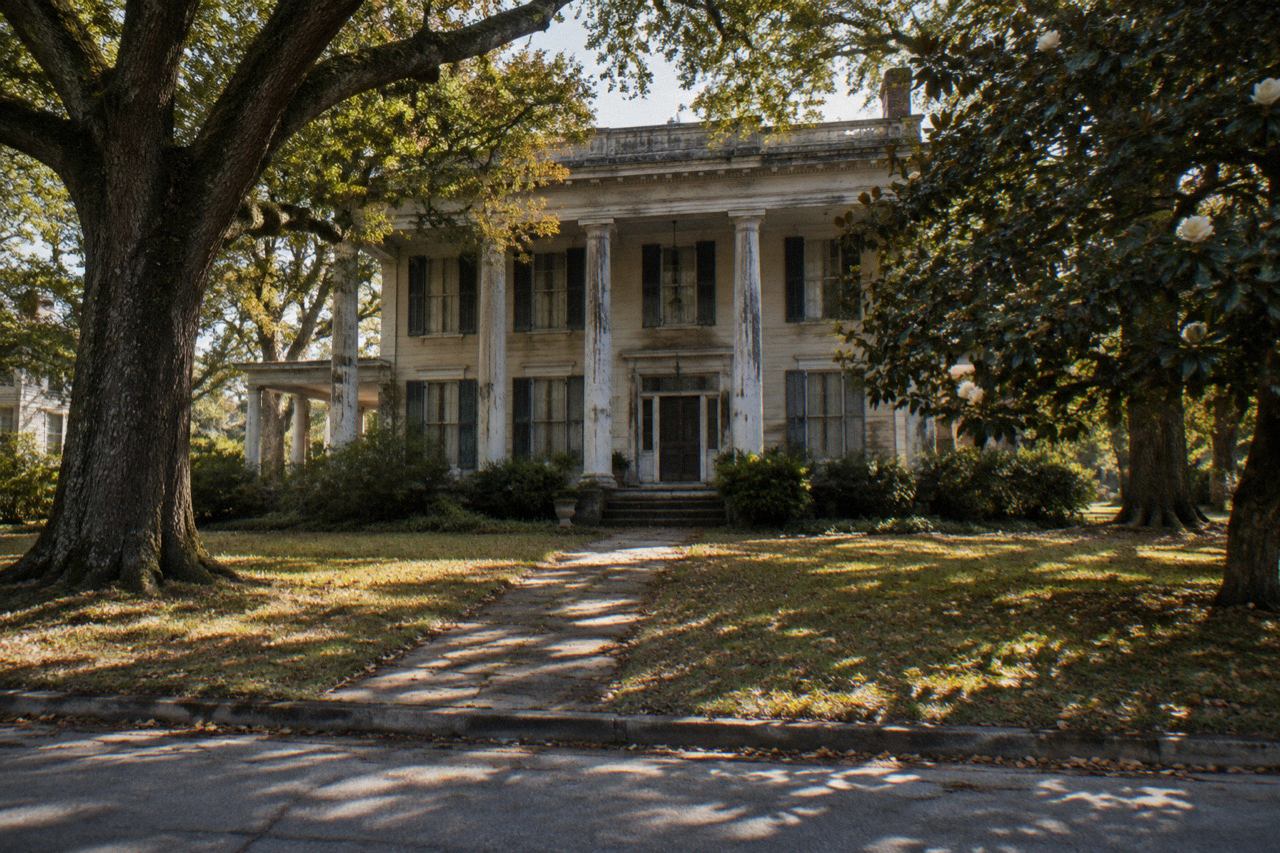
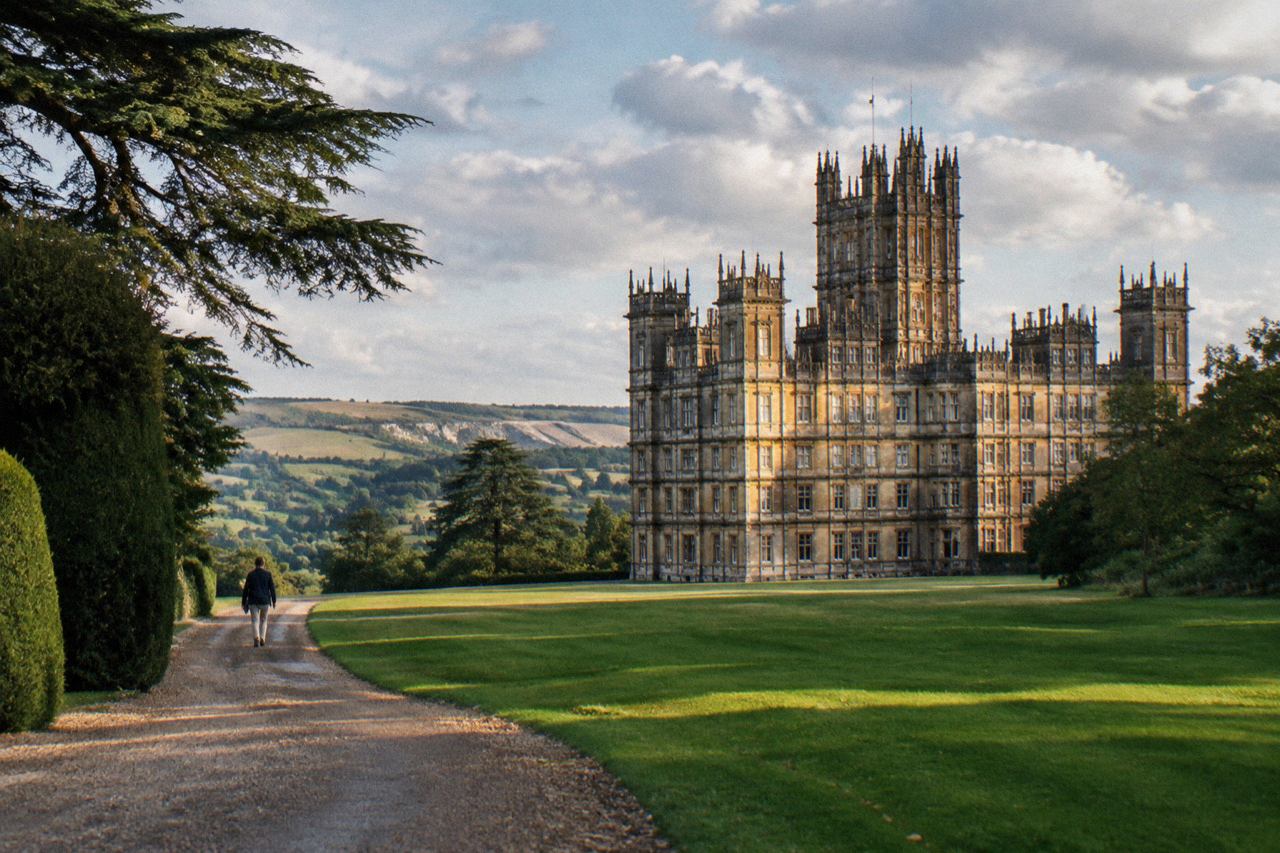
The Van Buren family's Pennsylvania mansion, where much of the film's central drama unfolds, is in fact Andrássy Castle in Tóalmás, Pest County, roughly an hour from Budapest. Both interior and exterior scenes were filmed here. Today the castle operates as a youth camp and conference center, with the surrounding park and some interior access possible via the foundation that manages it. Visitors should check current opening hours before traveling, as access depends on the center's schedule.
The marble quarry scenes, in which Tóth and Harrison Van Buren travel to Italy to select stone for the Institute, were filmed at Bettogli Quarry above Carrara in the Apuan Alps. Getting permission to shoot here was famously difficult; Adrien Brody personally helped by contacting a friend who owned a quarry. It remains an active, working quarry with restricted access for safety reasons. Travelers can only enter through professional quarry tours or with special permission.
Additional quarry and marble-selection sequences were shot at Bombarda Quarry, part of the wider Carrara quarry landscape. Unexpected thick fog during filming gave one key sequence, involving an assault, a dreamlike quality the cinematographer embraced rather than reshot. Like Bettogli, this is a dangerous working environment with access limited to authorized tours or film-related permissions. Visitors should never attempt to enter independently; guided quarry tours from Carrara town are the safe option.
The grocery store scene in Carrara town, during the characters' Italian trip, took place at this historic shop on Corso Rosselli. Unlike the quarries, Antica Drogheria Riacci is easy to visit: it remains a functioning grocery store open to the public during business hours. Fans can walk in, browse, and see the preserved old-world interior that made it a natural fit for the film's period setting. It is one of the few locations where nothing stands between viewer and screen.
The train station scenes, including arrival and pickup sequences, were filmed at Keleti, Budapest's grand eastern railway terminus in Józsefváros. With its historical architecture and busy platforms, it required little dressing to pass for an earlier era. It remains one of the easiest film locations to visit: Keleti is a major public rail hub, fully accessible to anyone with a ticket or simply curiosity. Arriving travelers may recognize it before they leave the station.
The Venice epilogue, where Tóth's work is finally recognized at an Architecture Biennale, was filmed at Palazzo Ca' Giustinian, the headquarters of La Biennale di Venezia. The stately building sits on the Grand Canal and anchors the Biennale's operations. Access depends on timing: it can be visited during Biennale events or on guided tours, so travelers should check the schedule in advance. Coordinating a trip with a Biennale edition makes entry far more realistic.
Where It Is Set Versus Where It Was Filmed
The story is set primarily in post-WWII Philadelphia and rural Pennsylvania, USA, tracing a Hungarian architect rebuilding his life in America. Almost none of it was filmed in those places. Budapest doubled for the American settings, aided by its period-friendly architecture, film labs, and tax incentives that kept the roughly $10 million budget workable. The Italian scenes set in Carrara were genuinely shot in Carrara, with Venice standing in for itself in the epilogue, plus some New York exteriors completing the picture.
Tours That Visit These Locations
Travelers can explore some of these filming locations on guided experiences. A dedicated walking tour in Budapest covers movie locations across the city, including stops connected to films shot there.
Budapest Movie Walk, 2 Hours
Lights! Camera! Budapest! - Movie Locations Walking Tour
This guided walking tour of Budapest film locations costs $44.89 per person and takes in sites around the city where movies, including The Brutalist, shot key scenes. It suits travelers who want a curated route through Budapest's screen history without organizing it themselves.
Frequently Asked Questions
Was The Brutalist actually filmed in Philadelphia?
No. Although the story is set largely in Philadelphia and rural Pennsylvania, those scenes were filmed in Budapest, Hungary, and its surroundings, which doubled for the American locations. Some New York exteriors were also shot.
Can you visit the marble quarries in Carrara from the film?
The quarries, including Bettoli and Bombarda, are active working sites with restricted access. Independent entry is not possible for safety reasons. Authorized quarry tours from Carrara are the practical way for travelers to see the landscape featured in the film.
Where is the Van Buren mansion in real life?
The Pennsylvania mansion is Andrássy Castle in Tóalmás, Pest County, Hungary. It now functions as a youth camp and conference center, with park access and some interior visits possible via the managing foundation. Check current visiting hours before going.
Why was Budapest chosen for filming?
Budapest offered tax incentives, film labs, and architecture that let a production with a roughly $10 million budget double for multiple American decades and locations. Principal photography ran just 34 days, from March 16 to May 5, 2023.
Was the film really shot on VistaVision?
Yes. The Brutalist was shot almost entirely on VistaVision 35mm film, using horizontal 8-perf negatives, to allow a 70mm release option. The format has rarely been used since the 1960s.
Can you visit the Venice epilogue location?
The Biennale scenes were filmed at Palazzo Ca' Giustinian, headquarters of La Biennale di Venezia. Access is possible during Biennale events or on guided tours, so time a visit to coincide with the Biennale schedule.
The Brutalist's locations reward two very different trips: a Budapest itinerary covering the city's streets, station, and the nearby Andrássy Castle, and an Italian leg through Carrara's marble country and Venice. The Budapest sites are mostly free and public, while the quarries demand a guided tour and the Venice palazzo depends on Biennale timing. Together they trace the full arc of László Tóth's story, from arrival to recognition.