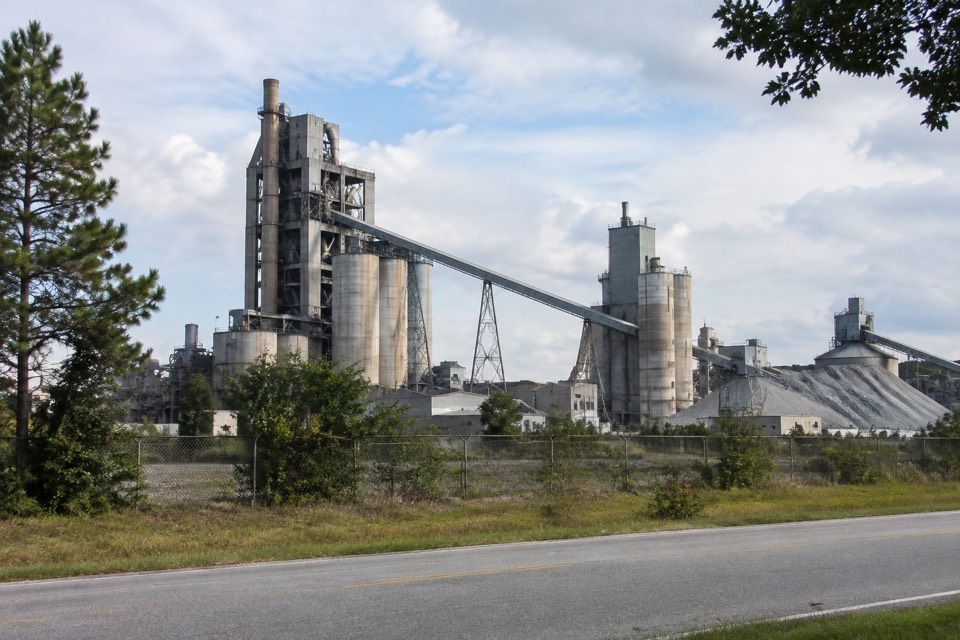
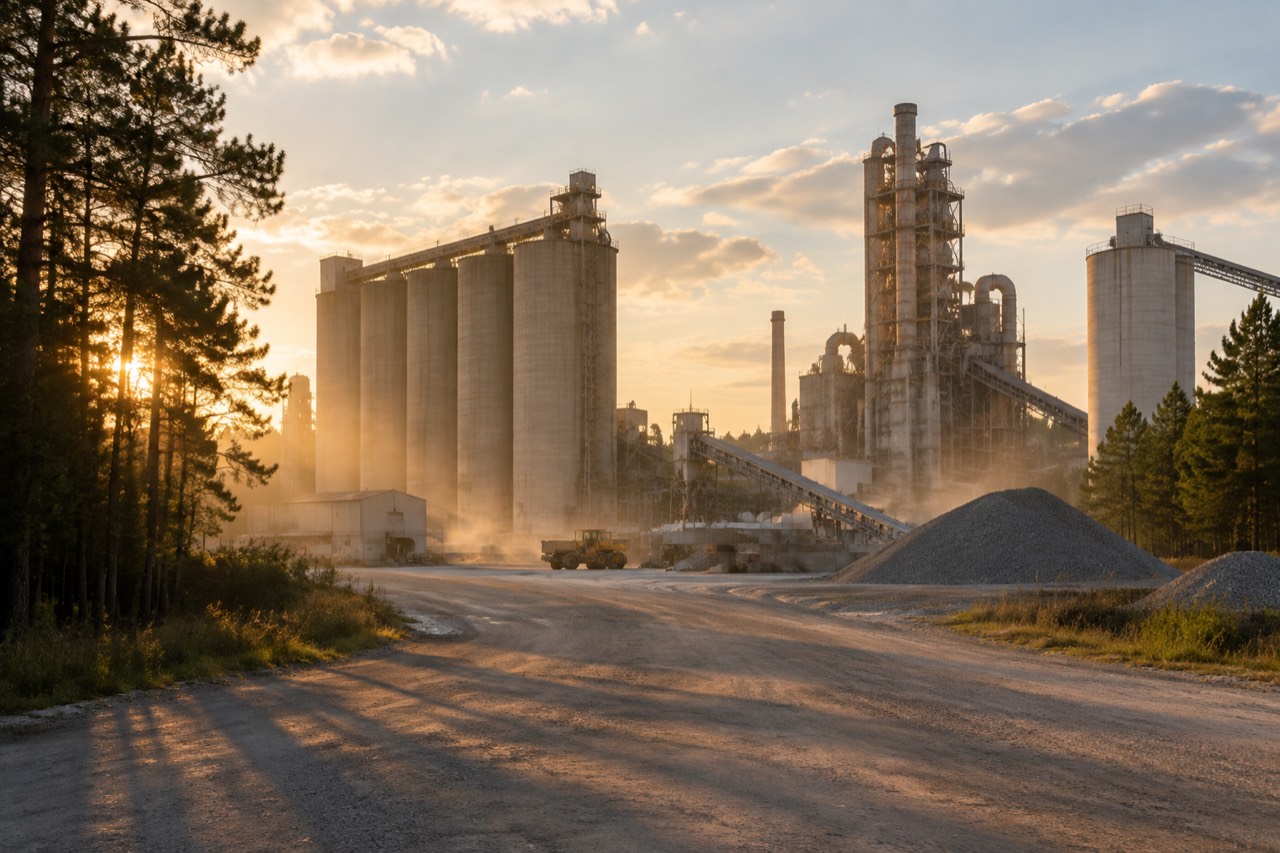
Cement plant silos and industrial towers in golden haze, gravel yard and pines below.

Where Was The Crow Filmed?

The 1994 cult film shot almost entirely in Wilmington, North Carolina, where a studio lot and abandoned factories became its gothic Detroit.

The Short Answer

The Crow (1994) was mainly filmed in Wilmington, North Carolina. Production used EUE/Screen Gems Studios for interiors and transformed local industrial sites, including a former cement factory in Castle Hayne, into a dark, gothic version of Detroit. Additional exteriors and scenes were shot in Los Angeles, California. The story is set in Detroit, Michigan, but little of the film was actually made there.

Alex Proyas's 1994 adaptation of James O'Barr's comic was shot far from the Detroit it depicts on screen. The production settled in Wilmington, North Carolina, a city whose historic streets and abandoned industrial buildings could pass for a decaying urban landscape.

Filming began on February 1, 1993. It was halted by the accident that killed Brandon Lee on Stage 4 of EUE/Screen Gems Studios on March 31, 1993, and finally wrapped after reshoots in June 1993. Most of the locations still exist, though access varies considerably.

Every Location At A Glance

LocationWhereWhat was filmedAccess
EUE/Screen Gems Studios - 1223 N 23rd StreetWilmingtonInteriors including Eric and Shelly's apartment; Stage 4 where Brandon Lee accident occurredPrivate property
Roanoke Cement Factory - 6411 Ideal Cement RoadCastle HayneIndustrial and exterior scenesOutside only
Wilmington downtown and waterfront areasWilmingtonVarious urban and apartment exteriors including Albrecht's apartment buildingFree to see
Castle Hayne areaCastle HayneAdditional industrial exteriorsOutside only
Los AngelesLos AngelesAdditional exteriors and scenesFree to see

Filming Locations Map

5 locations. The map loads when it scrolls into view.

Map data © OpenStreetMap contributors

Location By Location

EUE/Screen Gems Studios - 1223 N 23rd Street, Wilmington
Location 01

EUE/Screen Gems Studios - 1223 N 23rd Street

North Carolina, Wilmington Private property

Filmed here: Interiors including Eric and Shelly's apartment; Stage 4 where Brandon Lee accident occurred

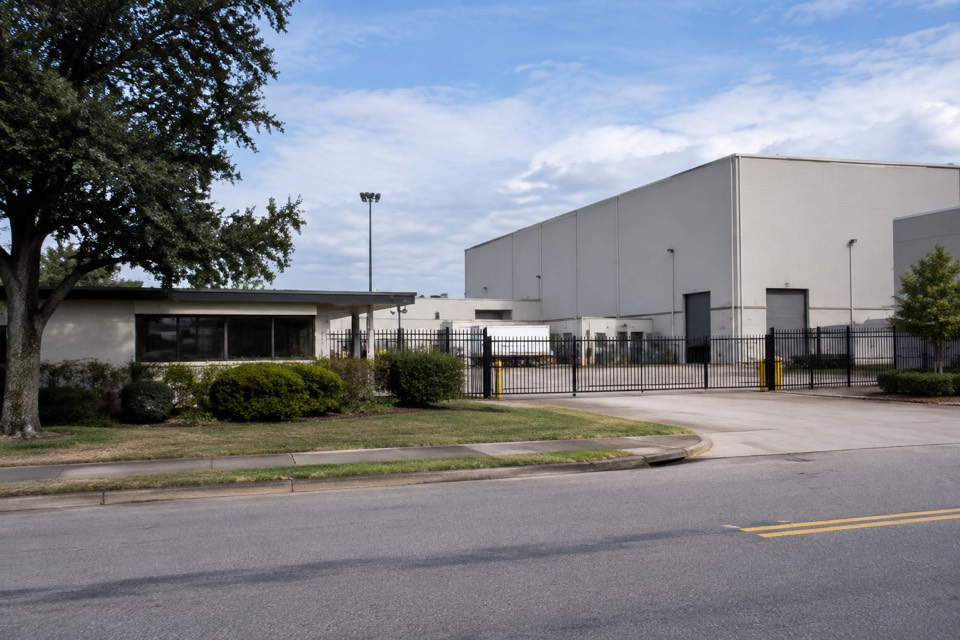
The studio, known as Carolco Studios during filming, hosted the movie's interiors, including Eric and Shelly's apartment. It was on Stage 4 that Brandon Lee was fatally shot on March 31, 1993, during filming of an apartment scene. The lot remains a working production facility and is not open to public tours, so visitors can only view it from the outside on North 23rd Street.

Roanoke Cement Factory - 6411 Ideal Cement Road, Castle Hayne
Location 02

Roanoke Cement Factory - 6411 Ideal Cement Road

North Carolina, Castle Hayne Outside only

Filmed here: Industrial and exterior scenes

The abandoned Ideal Cement Factory in Castle Hayne stood in for the film's key industrial scenes, providing the grim, derelict atmosphere that defined the movie's look. The former factory site is private property and access may be restricted, so travelers should view it from public roads rather than attempting to enter. It sits a short drive north of Wilmington and is best combined with other area stops.

Wilmington downtown and waterfront areas, Wilmington
Location 03

Wilmington downtown and waterfront areas

North Carolina, Wilmington Free to see

Filmed here: Various urban and apartment exteriors including Albrecht's apartment building

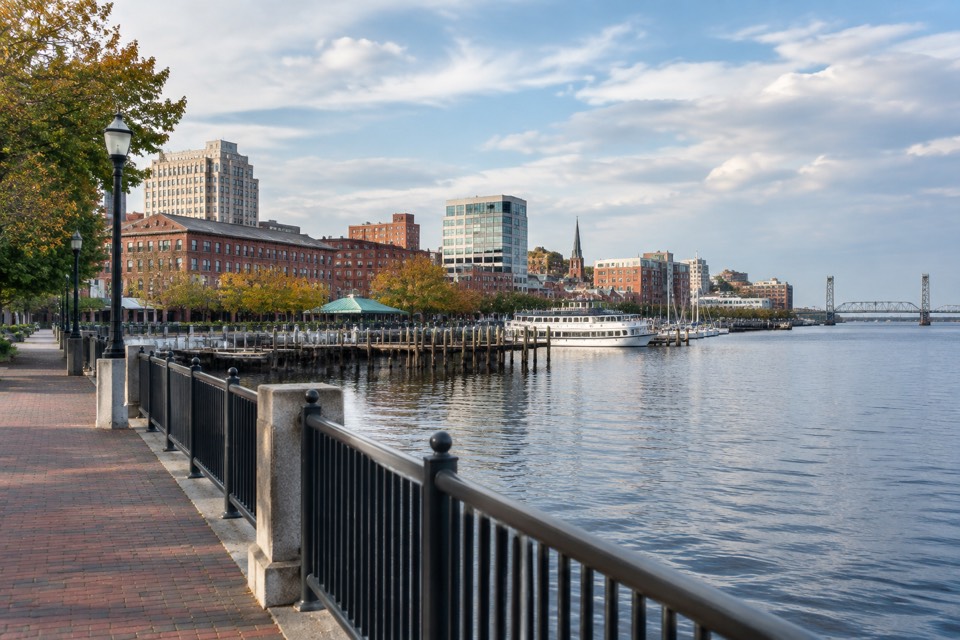
Downtown Wilmington and its waterfront supplied various urban and apartment exteriors, including the building used as Albrecht's apartment. These are public streets and buildings, with some historic apartments used during production, making this the easiest part of the film's world to explore on foot. Visitors can wander freely and recognize facades that were dressed up to resemble a troubled Detroit.

Castle Hayne area, Castle Hayne
Location 04

Castle Hayne area

North Carolina, Castle Hayne Outside only

Filmed here: Additional industrial exteriors

Beyond the cement factory itself, the wider Castle Hayne area provided additional industrial exteriors for the film. It is a rural and industrial zone near the factory with limited public access, so travelers should expect to view sites from a distance. A car is practically necessary here. Pairing the area with the factory makes for a short detour from Wilmington for determined fans of the film.

Los Angeles, Los Angeles
Location 05

Los Angeles

California, Los Angeles Free to see

Filmed here: Additional exteriors and scenes

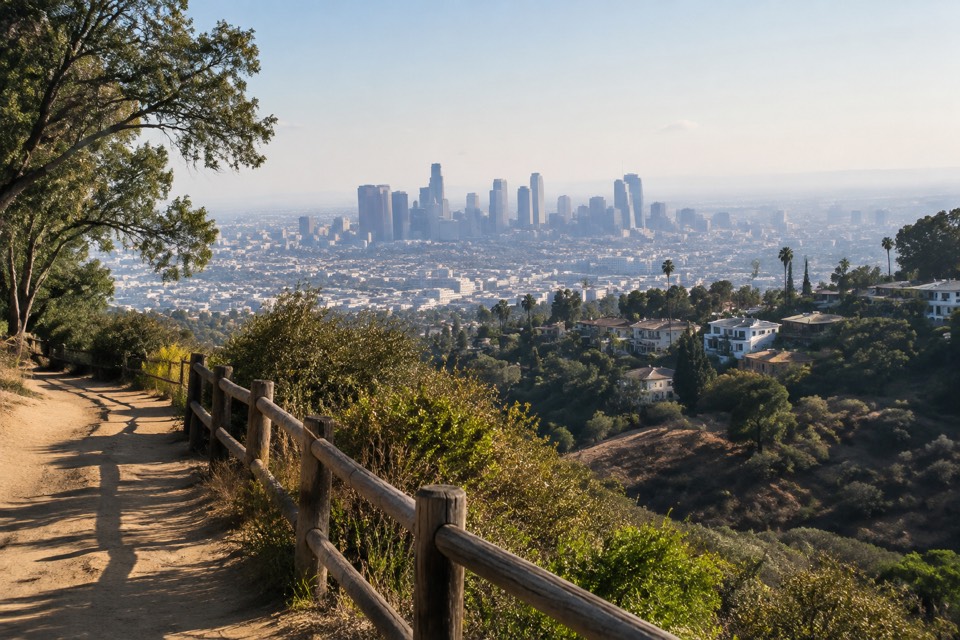
Additional exteriors and scenes were shot in Los Angeles, California, supplementing the North Carolina footage. These were various public locations in the city, meaning visitors can explore them independently, though the production did not publicize exact addresses the way it did for Wilmington. Los Angeles works best as a secondary stop for fans already touring the city's broader film history.

Where It Is Set Versus Where It Was Filmed

The story of The Crow is set in Detroit, Michigan, but almost nothing was filmed there. The production transformed Wilmington's historic architecture and industrial sites in North Carolina to create the film's dark, gothic Detroit aesthetic, with Los Angeles providing additional exteriors. Viewers searching for Eric Draven's city in Michigan will not find it; the real locations are nearly a thousand miles south.

The Studio Side

EUE/Screen Gems Studios in Wilmington served as the production's base, handling interiors such as Eric and Shelly's apartment. The facility was formerly known as Carolco Studios during filming. It is a private studio lot and not open to public tours, so the site is most significant as a piece of film history rather than a visitable attraction.

Tours That Visit These Locations

Wilmington's film industry has earned it the nickname Wilmywood, and guided walks cover the city's screen history. One available option is a movie and TV location walking tour that includes the Historic District, where several Crow exteriors were filmed.

Historic District Film Walk

Wilmywood Movie and TV Location Walk Tour

A guided movie and TV location walk through Wilmington that includes the Historic District, putting visitors on the same public streets used for the film's urban exteriors, including Albrecht's apartment building area.

3 reviews

PriceLive on listingCheck availability

Frequently Asked Questions

Was The Crow actually filmed in Detroit?

No. Although the story is set in Detroit, Michigan, the 1994 film was mainly shot in Wilmington, North Carolina, with additional exteriors filmed in Los Angeles, California.

Can you visit the studio where Brandon Lee died?

EUE/Screen Gems Studios in Wilmington is a private, working studio lot and is not open to public tours. The accident occurred on Stage 4 on March 31, 1993, during filming of an apartment scene. Visitors can only see the exterior from North 23rd Street.

What is the cement factory from The Crow?

The abandoned Ideal Cement Factory at 6411 Ideal Cement Road in Castle Hayne, North Carolina, was used for key industrial scenes. It is a former factory site on private property, so access may be restricted and viewing is best done from public roads.

Are any Crow filming locations easy to visit?

Yes. Downtown Wilmington and its waterfront areas are fully public, and they include various urban and apartment exteriors such as Albrecht's apartment building. A guided film walk can help identify them.

When was The Crow filmed?

Production began on February 1, 1993. After Brandon Lee's death on March 31, 1993, filming resumed and wrapped with reshoots in June 1993. The film was released in 1994.

Why did filmmakers choose Wilmington?

Wilmington's historic architecture and industrial sites could be transformed into the film's dark, gothic Detroit aesthetic, and the city offered a working studio, EUE/Screen Gems, at the time known as Carolco Studios.

For fans of The Crow, Wilmington offers the most complete picture of the production, from public downtown streets to industrial sites on the city's northern edge, while the studio itself remains off limits. A film-focused walking tour of the Historic District is the simplest way to connect the locations, especially for first-time visitors.
Sources