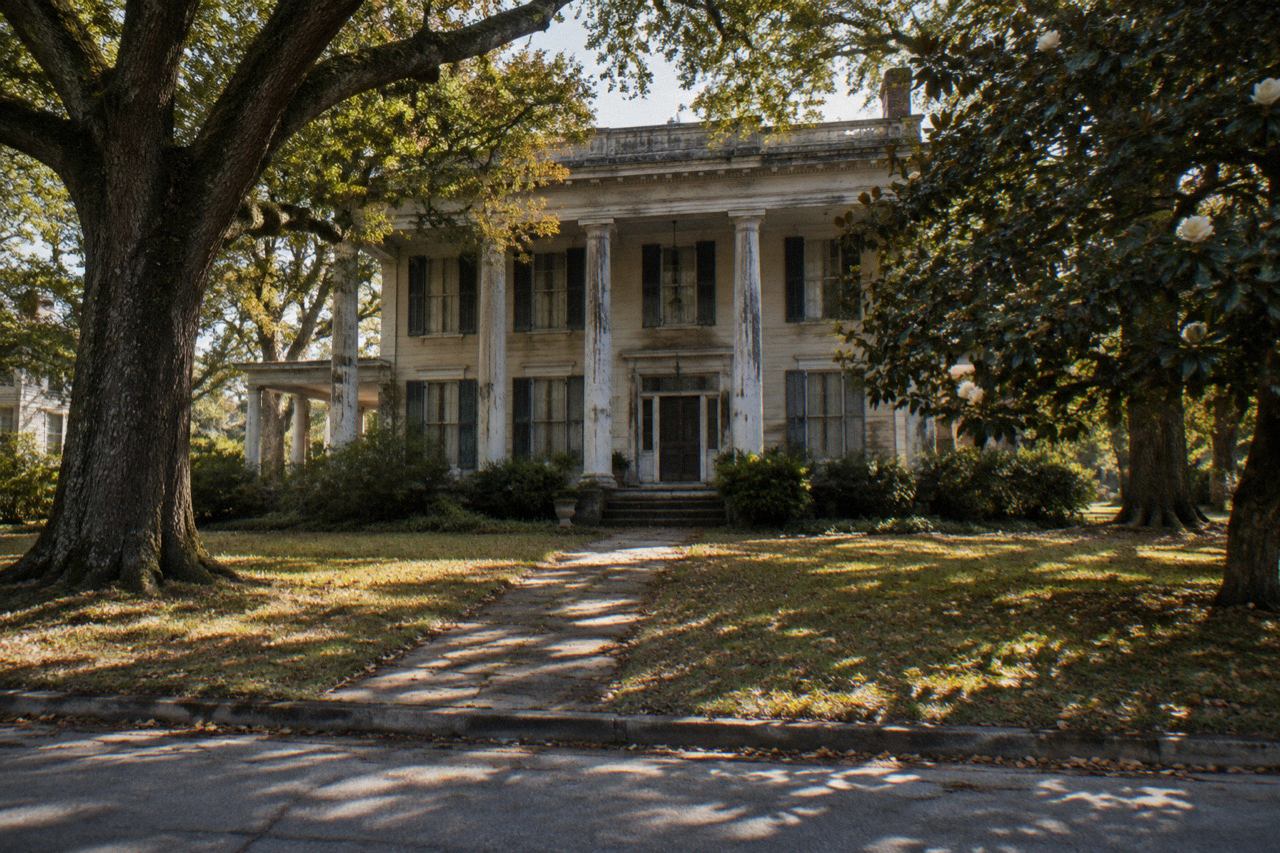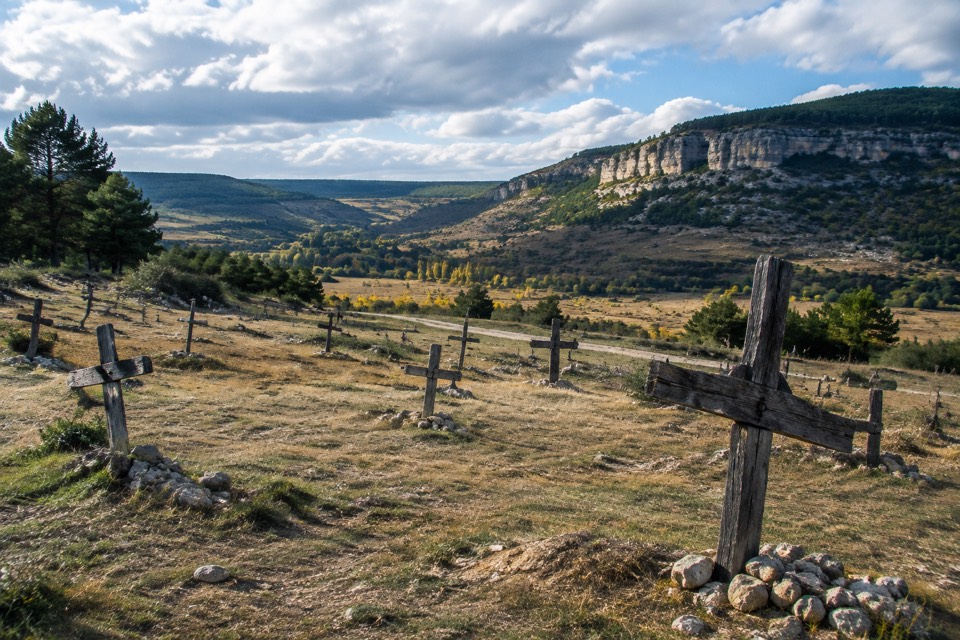
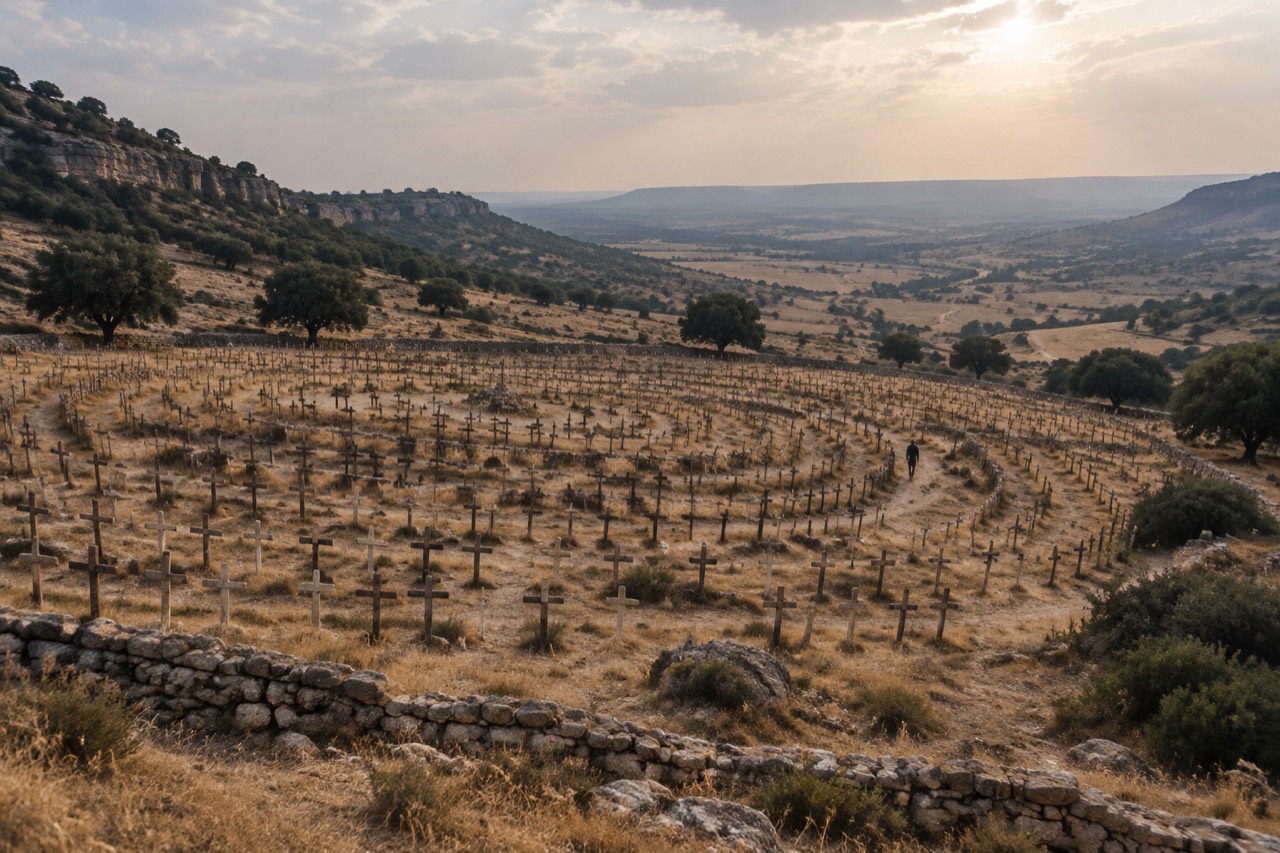
Wooden crosses in concentric circles on a dry golden hillside in rural Spain.

Where Was The Good, The Bad And The Ugly Filmed?

Sergio Leone's Civil War epic shot its deserts, cemeteries and battles across Almería, Burgos and Granada, plus Rome studio sets.

The Short Answer

The film was shot mainly in Spain. Key sites sit in Almería province, including the Tabernas Desert, Mini Hollywood and Cabo de Gata-Níjar, with additional scenes around Burgos such as Sad Hill Cemetery and the Arlanza Valley, plus a station near Guadix in Granada. Interiors and the opening hanging sequence were filmed at Cinecittà Studios in Rome, Italy.

Sergio Leone's 1966 epic looks like the American Southwest but almost none of it was shot in the United States. The production moved across Spanish provinces from April to July 1966, using the badlands of Almería, the river valleys of Burgos and a rail stop in Granada before finishing sets in Rome.

The good news for travellers is how much survives. Sad Hill Cemetery was restored by volunteers and now draws film pilgrims from around the world, Mini Hollywood operates as a full theme park, and the Tabernas Desert remains a protected landscape you can drive or hike through.

Every Location At A Glance

LocationWhereWhat was filmedAccess
Sad Hill Cemetery (Mirandilla Valley)near Santo Domingo de Silos, SpainFinal triello standoff and cemetery scenesFree to see
Mini Hollywood (Oasys)Tabernas, SpainTown streets and night scenes in Santa Ana / Santa FéTicketed
Tabernas DesertTabernas, SpainDesert marches and various exterior scenesFree to see
Cabo de Gata-Níjar Natural ParkNíjar, SpainMonastery and long desert walk scenes; bridge explosionFree to see
Cortijo del FraileLos Albaricoques, Níjar, SpainMonastery mission scenesOutside only
Carazo (Betterville camp site)Carazo, SpainBetterville concentration camp scenesFree to see
Arlanza River near CovarrubiasCovarrubias, SpainLangstone Bridge battle and explosionFree to see
Monasterio de San Pedro de ArlanzaHortigüela, SpainMilitary hospital and monastery scenesFree to see
Cinecittà StudiosRome, ItalyOpening scene and Western town sets (hanging sequence)Ticketed
La Calahorra StationLa Calahorra, Guadix, SpainTrain escape and railroad station scenesOutside only
Los Albaricoques / Cortijada del Higo SecoNíjar area, SpainHanging scene and town exteriorsOutside only

Filming Locations Map

11 locations. The map loads when it scrolls into view.

Map data © OpenStreetMap contributors

Location By Location

Sad Hill Cemetery (Mirandilla Valley), near Santo Domingo de Silos
Location 01

Sad Hill Cemetery (Mirandilla Valley)

Burgos, Castilla y León, near Santo Domingo de Silos, Spain Free to see

Filmed here: Final triello standoff and cemetery scenes

The circular cemetery built for the film's climactic triello standoff sits in the Mirandilla Valley near Santo Domingo de Silos. Constructed as a purpose-built set, it fell into disrepair before being restored for tourism. Today it is a public site reached via hiking trails near Contreras and Santo Domingo de Silos, and it has become one of Spain's most popular film tourism destinations. Expect a walk to reach the circle itself.
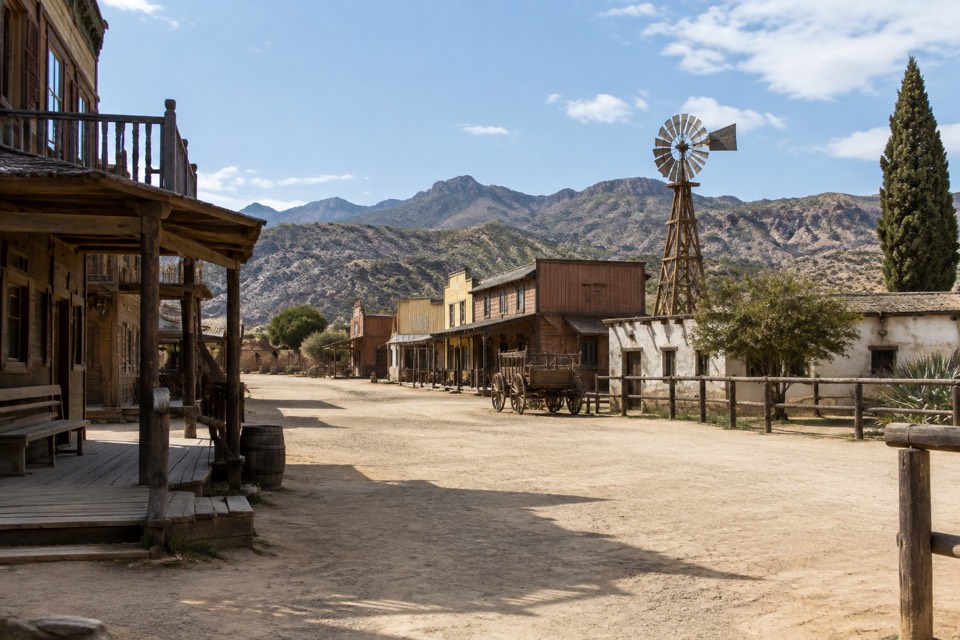
Mini Hollywood (Oasys), Tabernas
Location 02

Mini Hollywood (Oasys)

Almería, Andalucía, Tabernas, Spain Ticketed

Filmed here: Town streets and night scenes in Santa Ana / Santa Fé

This western theme park in Tabernas occupies the sets used for the town streets and night scenes of Santa Ana and Santa Fé. Access is by ticket, and visitors get live shows and tours alongside the preserved film sets. It is the easiest way to stand inside a Leone western town without arranging transport into open desert, and it pairs naturally with a drive along the nearby N-340a.
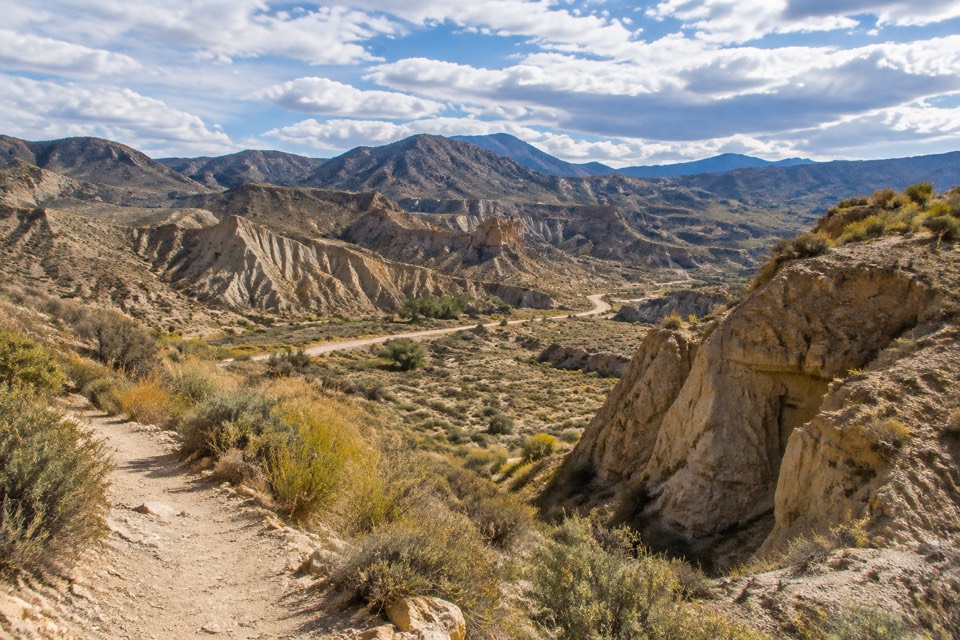
Tabernas Desert, Tabernas
Location 03

Tabernas Desert

Almería, Andalucía, Tabernas, Spain Free to see

Filmed here: Desert marches and various exterior scenes

Europe's most famous desert landscape served as the backdrop for the desert marches and numerous exterior scenes. It is now a natural park area with hiking routes and drives along the N-340a road. The terrain is raw and exposed, so water, sun protection and sensible timing matter. Many visitors combine it with the Mini Hollywood park just outside Tabernas village.
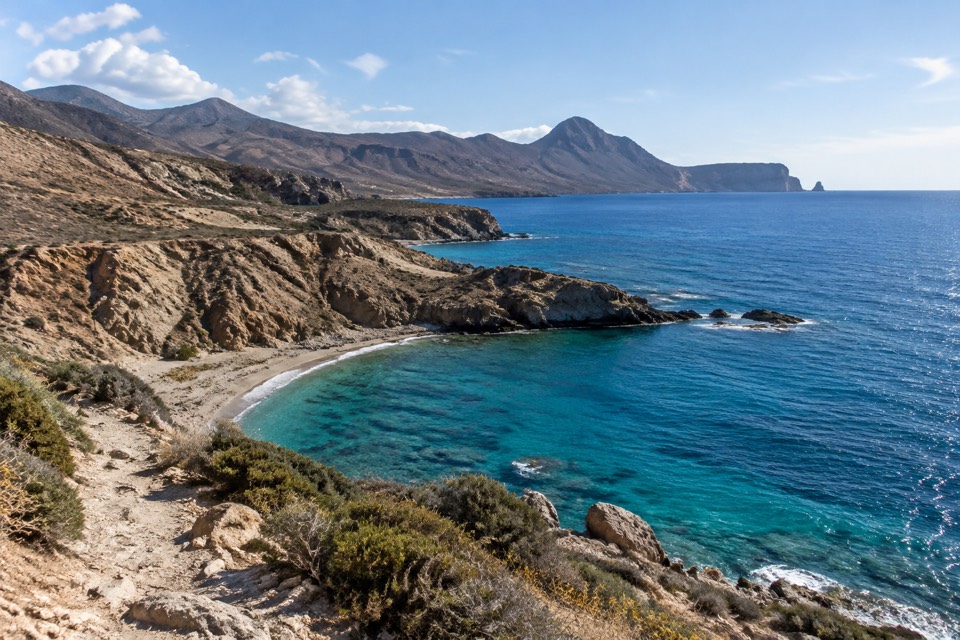
Cabo de Gata-Níjar Natural Park, Níjar
Location 04

Cabo de Gata-Níjar Natural Park

Almería, Andalucía, Níjar, Spain Free to see

Filmed here: Monastery and long desert walk scenes; bridge explosion

This protected coastal park near Níjar hosted the monastery and long desert walk sequences, along with the famous bridge explosion. Spanish Army soldiers appeared as extras in the Civil War battle scenes. The park offers coastal and desert trails, and its wild beaches and volcanic scenery make it a destination in its own right, film connection aside.
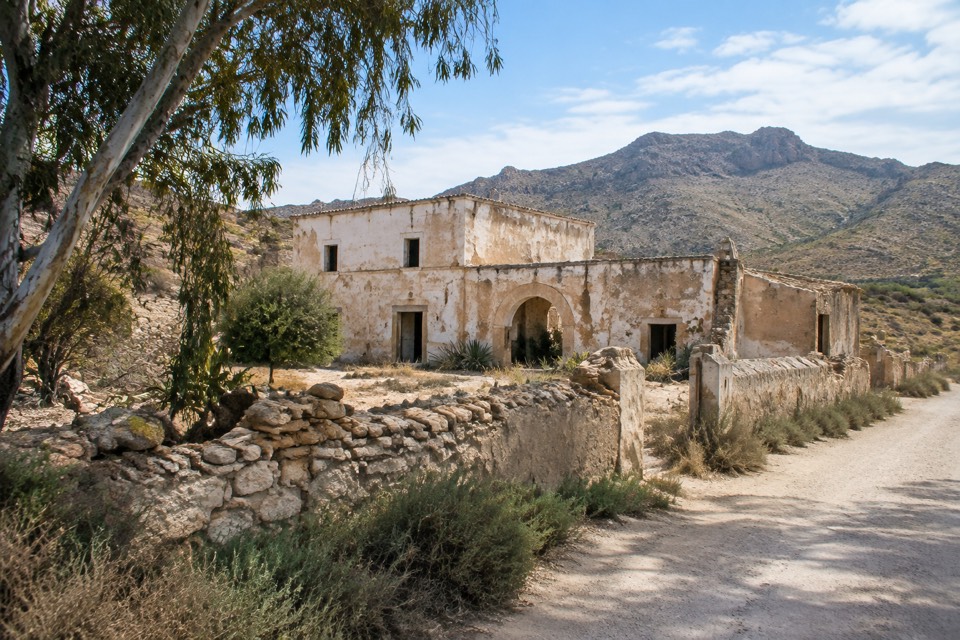
Cortijo del Fraile, Los Albaricoques, Níjar
Location 05

Cortijo del Fraile

Almería, Andalucía, Los Albaricoques, Níjar, Spain Outside only

Filmed here: Monastery mission scenes

A private farmhouse near Los Albaricoques used for the monastery mission scenes. Because it remains private property, viewing is exterior only, from the road. The building's isolated setting against arid hills gives a clear sense of why the production chose it. Combine it with a wander through nearby Los Albaricoques, which has its own film connections.
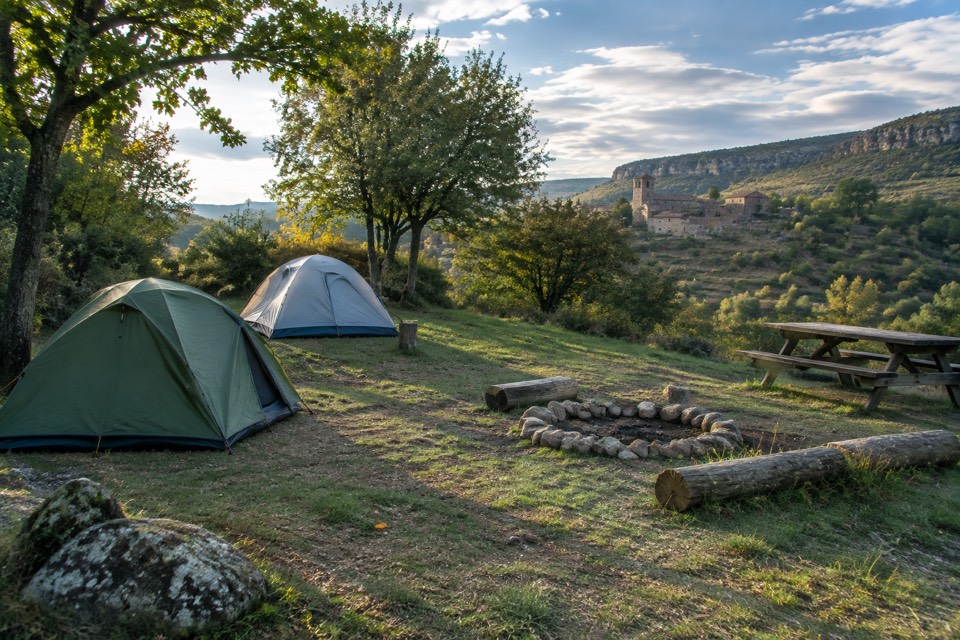
Carazo (Betterville camp site), Carazo
Location 06

Carazo (Betterville camp site)

Burgos, Castilla y León, Carazo, Spain Free to see

Filmed here: Betterville concentration camp scenes

The rural area around Carazo stood in for the Betterville concentration camp scenes. It sits on the Burgos film route, which links several of the production's northern Spanish locations. Access is public, though facilities are minimal and signage is the main marker of what happened here. It works best as part of a wider loop through the Arlanza Valley.
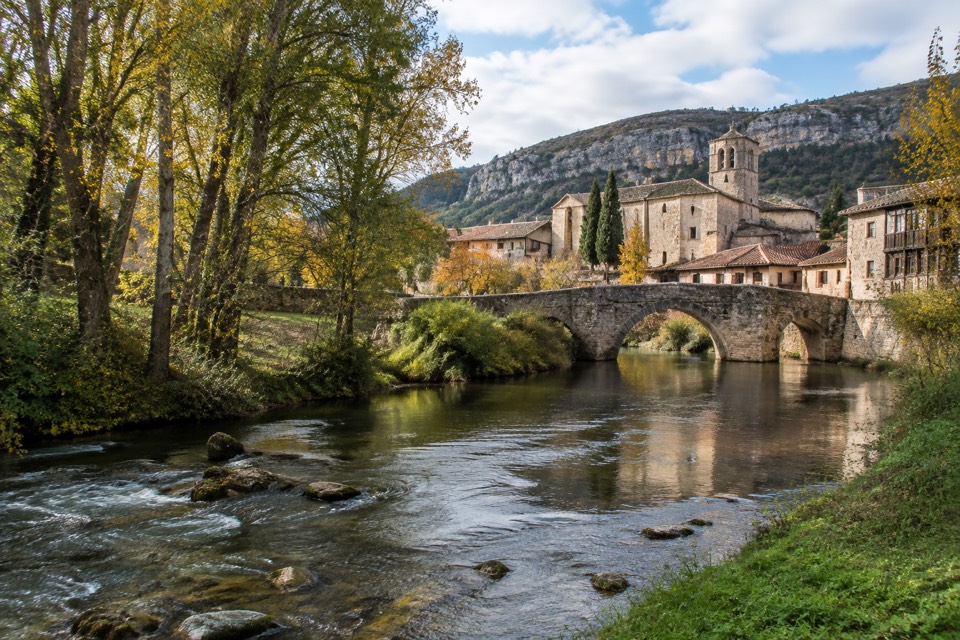
Arlanza River near Covarrubias, Covarrubias
Location 07

Arlanza River near Covarrubias

Burgos, Castilla y León, Covarrubias, Spain Free to see

Filmed here: Langstone Bridge battle and explosion

The Langstone Bridge battle and explosion were filmed on this stretch of the Arlanza River near Covarrubias. In a well known production mishap, the bridge explosion was filmed twice after the first take destroyed all three cameras. The river valley is accessible along roads near Covarrubias, a handsome historic village that makes a pleasant base for exploring the Burgos locations.
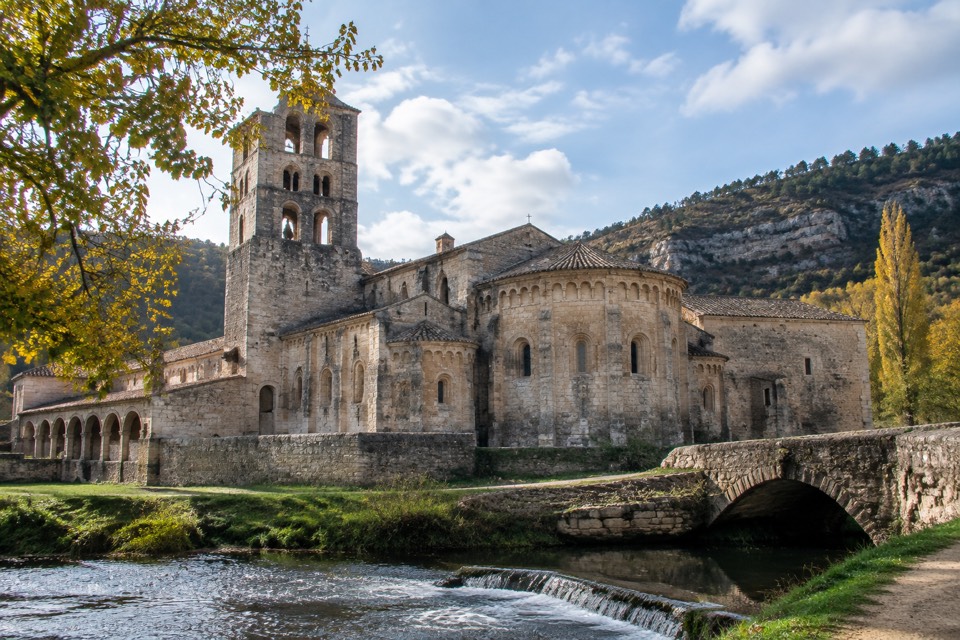
Monasterio de San Pedro de Arlanza, Hortigüela
Location 08

Monasterio de San Pedro de Arlanza

Burgos, Castilla y León, Hortigüela, Spain Free to see

Filmed here: Military hospital and monastery scenes

These historic ruins near Hortigüela doubled as the military hospital and monastery, sharing monastery duties with locations in Almería. The site is open to the public and sits in the green Arlanza Valley, a striking contrast to the desert south. Its romantic ruined arches are a draw for photographers even without the Leone connection.
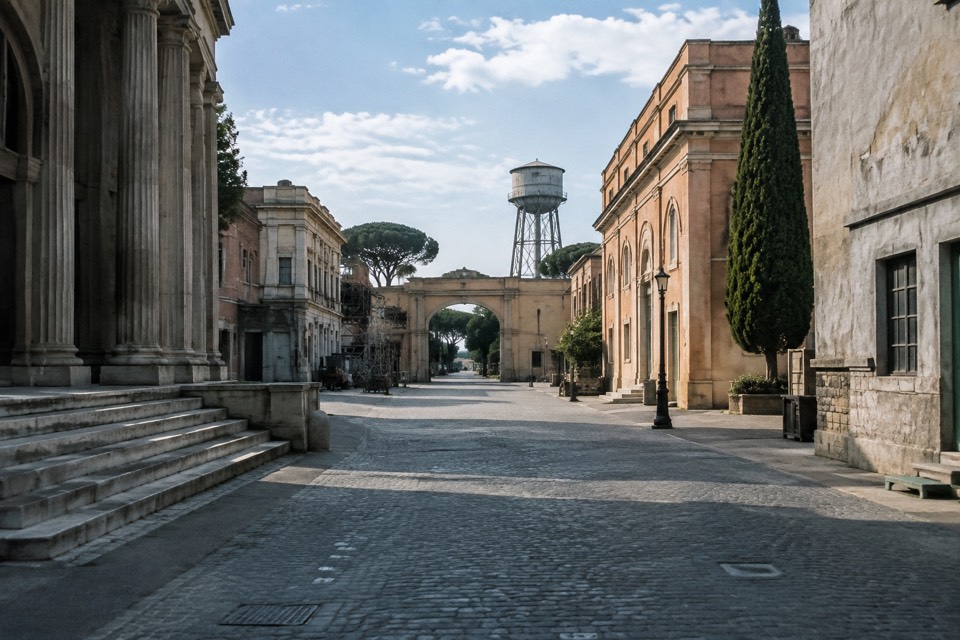
Cinecittà Studios, Rome
Location 09

Cinecittà Studios

Lazio, Rome, Italy Ticketed

Filmed here: Opening scene and Western town sets (hanging sequence)

Rome's great studio complex hosted the opening scene and the western town sets used for the hanging sequence. Cinecittà remains an active studio and offers public tours, making it the one location outside Spain. Film fans visiting Rome can see working soundstages and exhibitions, and the tour provides context on the Italian production boom behind the spaghetti western era.
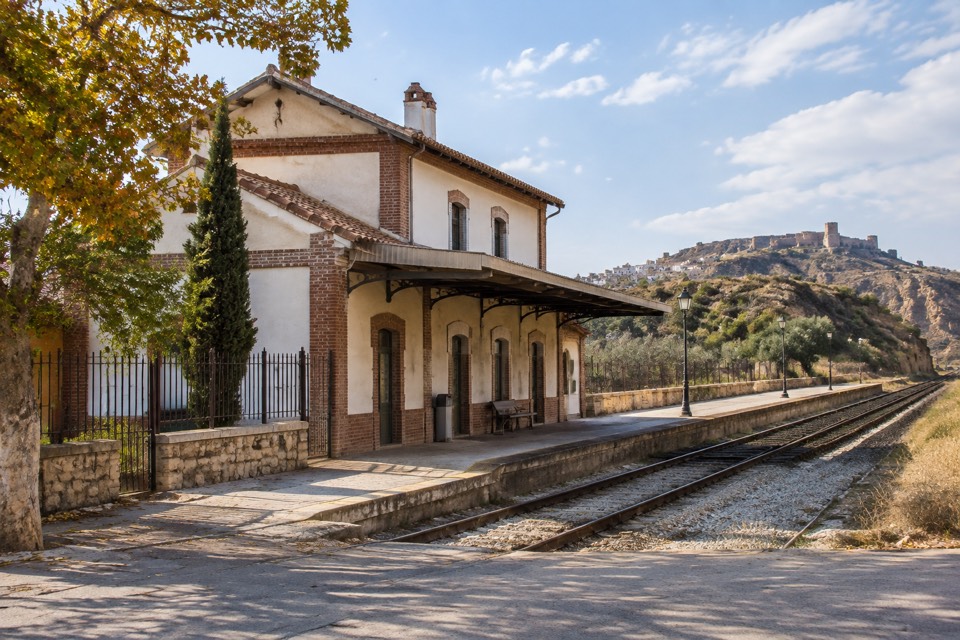
La Calahorra Station, La Calahorra, Guadix
Location 10

La Calahorra Station

Granada, Andalucía, La Calahorra, Guadix, Spain Outside only

Filmed here: Train escape and railroad station scenes

This historic station near Guadix in Granada province appears in the train escape and railroad scenes. It is exterior only, visible from public areas, and there is little formal visitor infrastructure. Guadix itself is known for cave dwellings and desert badlands, so the detour suits travellers already crossing Andalucía between Almería and Granada.
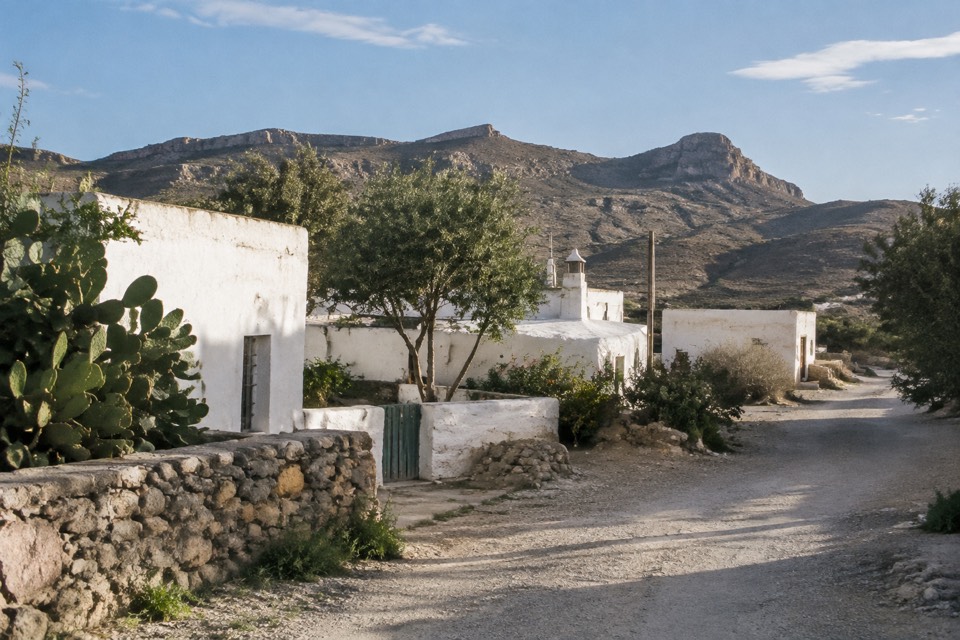
Los Albaricoques / Cortijada del Higo Seco, Níjar area
Location 11

Los Albaricoques / Cortijada del Higo Seco

Almería, Andalucía, Níjar area, Spain Outside only

Filmed here: Hanging scene and town exteriors

This rural hamlet in the Níjar area hosted the hanging scene and various town exteriors. Some of its streets are named after cast members, a mark of local pride in the production. Access is exterior only, and the hamlet is small enough to explore on foot in under an hour. It sits within Cabo de Gata-Níjar Natural Park, close to Cortijo del Fraile.
Where It Is Set Versus Where It Was Filmed

The story is set during the American Civil War in the American Southwest, but virtually no filming happened in the United States. Instead, the production worked across Spain, in Almería, Burgos, Granada and Madrid areas, and shot studio material at Cinecittà in Rome. Spain's deserts and river valleys proved convincing stand-ins for the frontier.

The Studio Side

Cinecittà Studios in Rome handled interior work and hosted the opening scene and the western town sets used for the hanging sequence. The complex is still a working studio with public tours, so it is the single best stop for travellers who want to connect the Spanish locations to where the sets were built.

Tours That Visit These Locations

Guided options around these locations are limited, but the Tabernas Desert has at least one established bookable excursion.

4x4 Tabernas Desert Excursion

Almeria: Tabernas Desert 4x4 Tour

A 4x4 tour of the Tabernas Desert from Almería, rated 4.4 from 116 reviews, priced at $42.79. It covers the landscape behind the film's desert marches and pairs well with an independent visit to Mini Hollywood.

4.4 out of 5 · 116 reviews

Frequently Asked Questions

Was The Good, the Bad and the Ugly filmed in the United States?

No. Despite being set in the American Southwest during the Civil War, it was filmed in Spain, mainly Almería and Burgos provinces plus a station near Guadix in Granada, with studio work at Cinecittà in Rome.

Can you visit Sad Hill Cemetery?

Yes. The cemetery near Santo Domingo de Silos in Burgos was a purpose-built set that was later restored for tourism. It is publicly accessible via hiking trails near Contreras and Santo Domingo de Silos.

When was the film shot?

Filming ran from April to July 1966 across multiple Spanish provinces and at Cinecittà in Rome.

Where was the bridge explosion filmed?

On the Arlanza River near Covarrubias in Burgos. The scene had to be filmed twice because the first explosion destroyed all three cameras.

Which locations are easiest to visit?

Mini Hollywood in Tabernas is a ticketed theme park with shows and tours, the Tabernas Desert is a natural park with drives along the N-340a, and Cinecittà in Rome runs public tours. Sad Hill Cemetery requires a hike but is publicly accessible.

Where were the monastery scenes filmed?

In two places: Cortijo del Fraile and other spots in Cabo de Gata-Níjar Natural Park in Almería, plus the real Monasterio de San Pedro de Arlanza ruins in Burgos.

A realistic trip splits into two regions. Almería covers the desert landscapes, Mini Hollywood, Cabo de Gata and the Níjar hamlets, with the Granada station as a detour. Burgos covers Sad Hill Cemetery, the Arlanza Valley and Carazo. Rome's Cinecittà tours add the studio side of the story for anyone already in Italy.

Sources