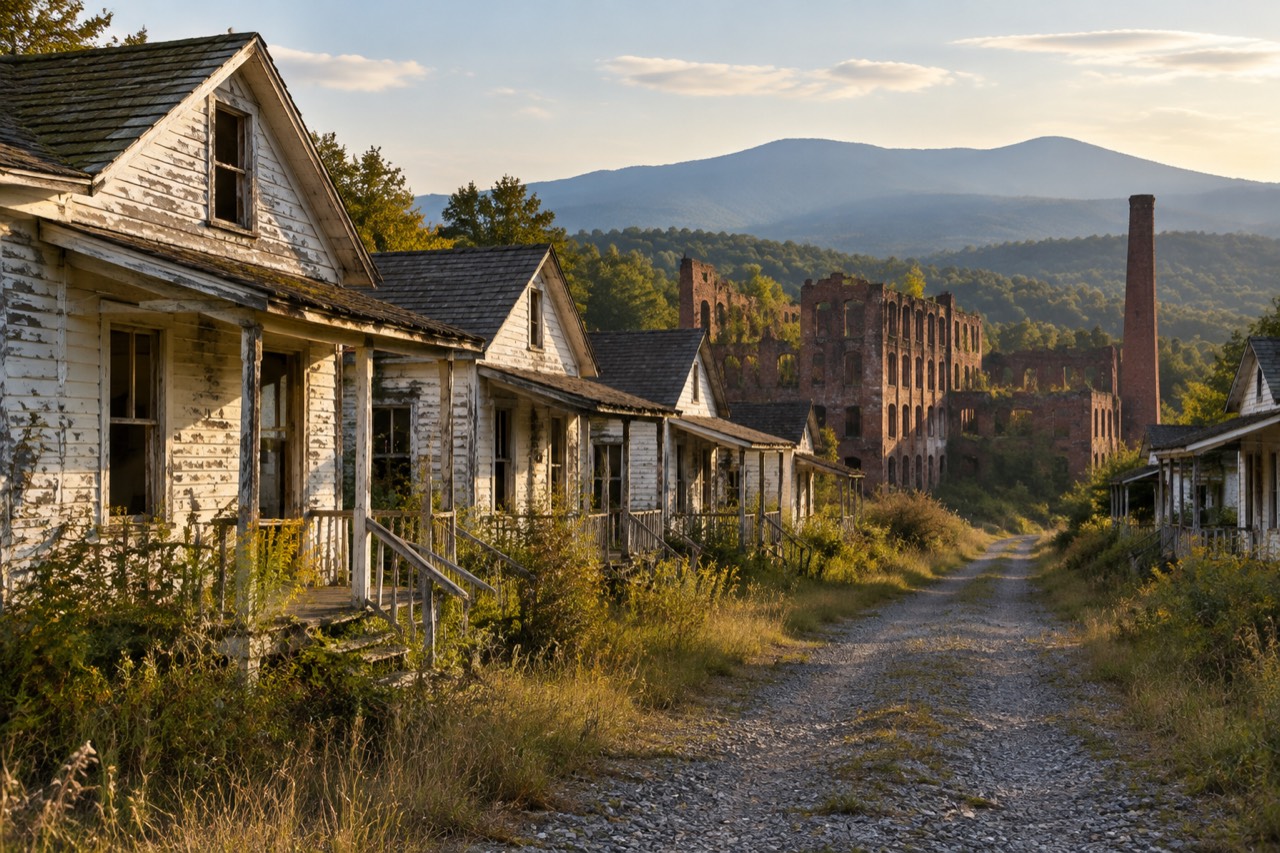
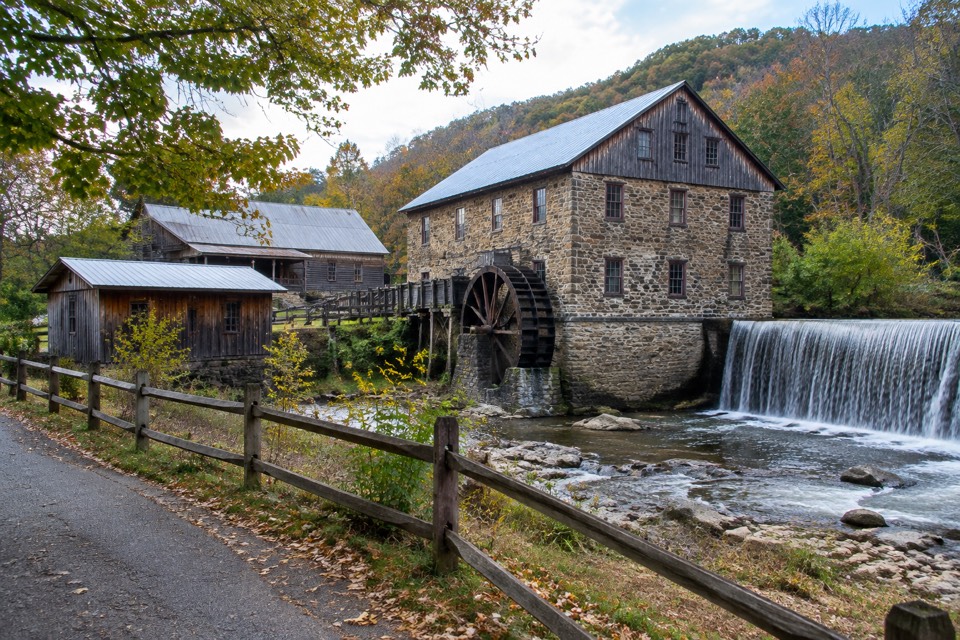
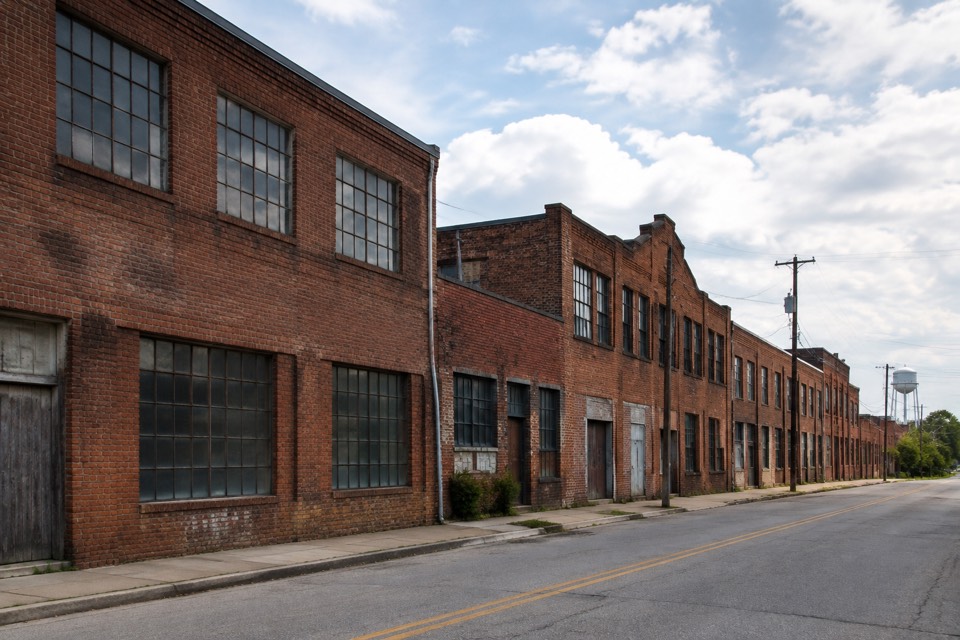
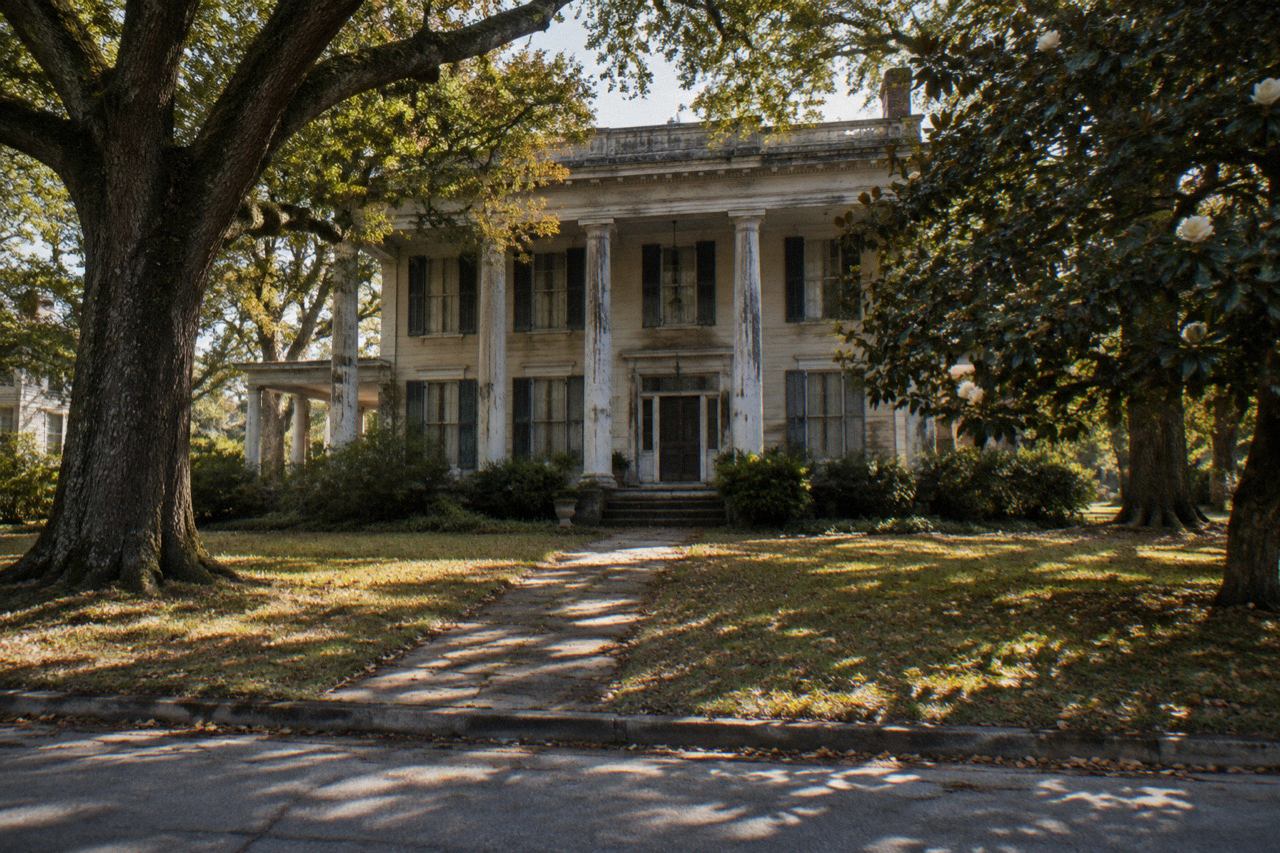
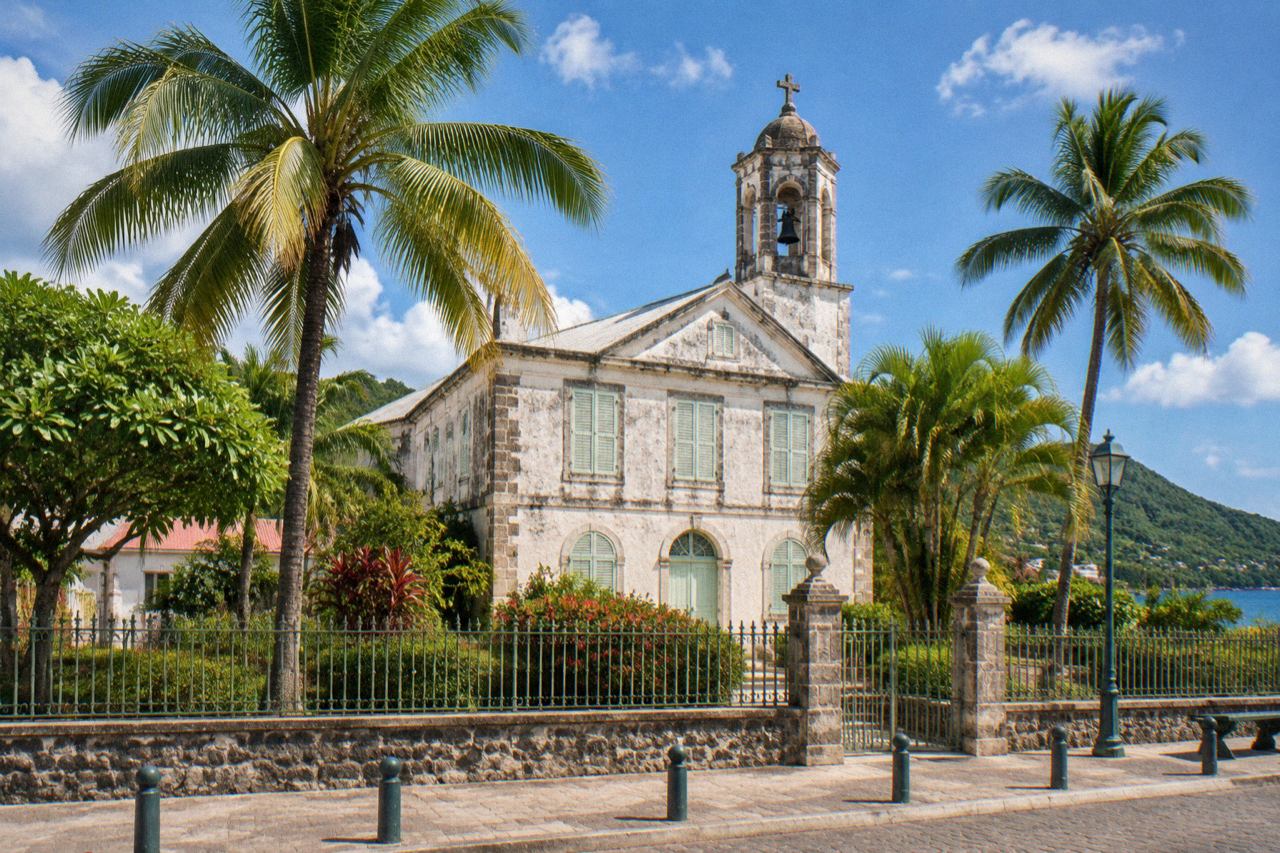
This abandoned 1920s textile town in Hildebran served as District 12, including the Everdeen house and Mellark's Bakery. Now listed on the National Register of Historic Places, it remains private property, though a drive along Henry River Road offers exterior views of the weathered buildings. Guided tours of the historic site are sometimes available, so check ahead if a walk through is important to the visit.
The Short Answer
The Hunger Games was filmed entirely in western North Carolina, mostly between Asheville and Charlotte. Henry River Mill Village in Hildebran stood in for District 12, DuPont State Forest provided the arena waterfall scenes, and the Cornucopia was built at North Fork Reservoir near Black Mountain. Principal photography ran from May 23 to September 10, 2011.
Panem may be fictional, but its first big-screen outing had a single real home state. Rather than spread the production across studio lots and distant locations, the filmmakers kept everything within driving distance in North Carolina, drawing on abandoned mill towns, public forests and convention halls.
That concentration works in favor of visitors. Most of the recognizable sites sit within a two-hour radius of Asheville, and several of them, including the waterfalls of DuPont State Forest, are free to explore on foot.
Every Location At A Glance
| Location | Where | What was filmed | Access |
|---|---|---|---|
| Henry River Mill Village | Hildebran | District 12 village scenes, Everdeen house, Mellark's Bakery | Outside only |
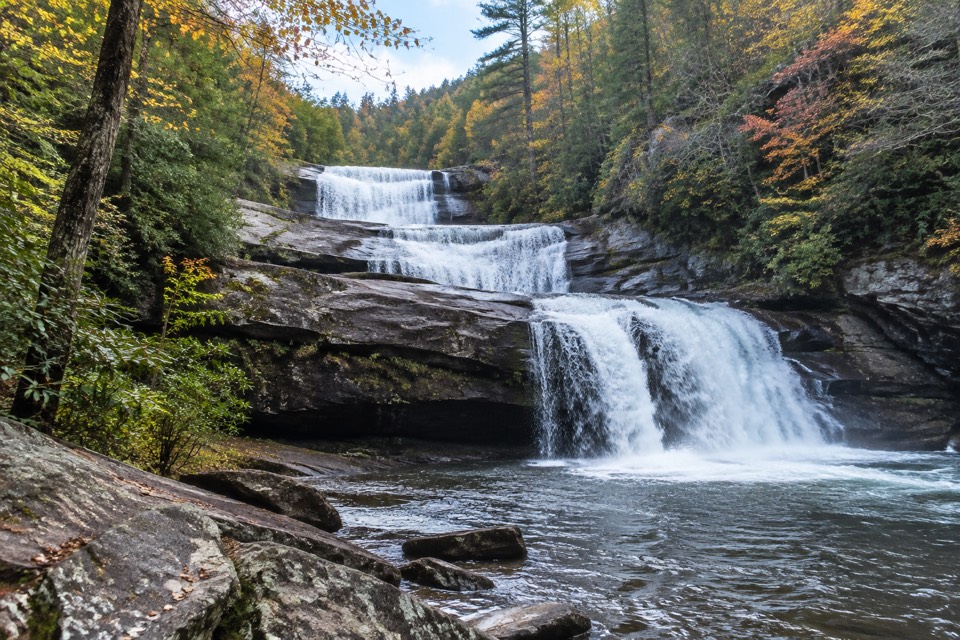
| Triple Falls, DuPont State Forest | Cedar Mountain | Katniss finds camouflaged Peeta at base of waterfall | Free to see |
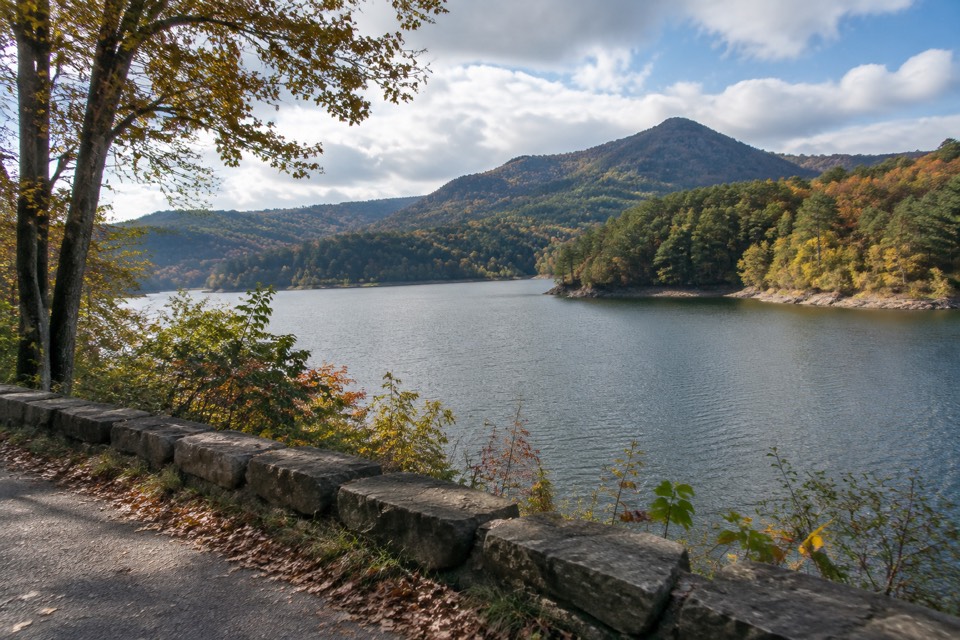
| North Fork Reservoir | Black Mountain | Cornucopia scenes in the arena | Private property |
| Pisgah National Forest (Big Ivy / Coleman Boundary) | Barnardsville | District 12 woods where Katniss and Gale hunt; rocky creek shelter | Free to see |
| Shelby warehouses | Shelby | District 12 reaping ceremony and Hob scenes | Private property |
| Charlotte Convention Center | Charlotte | Tributes' chariot entrance scene | Ticketed |
| Knight Theater | Charlotte | Pre-Games interviews with Caesar Flickerman | Ticketed |
| DuPont State Forest (general arena areas) | Cedar Mountain | Arena forest fire and other wilderness scenes | Free to see |
Filming Locations Map
8 locations. The map loads when it scrolls into view.
Map data © OpenStreetMap contributors
Location By Location
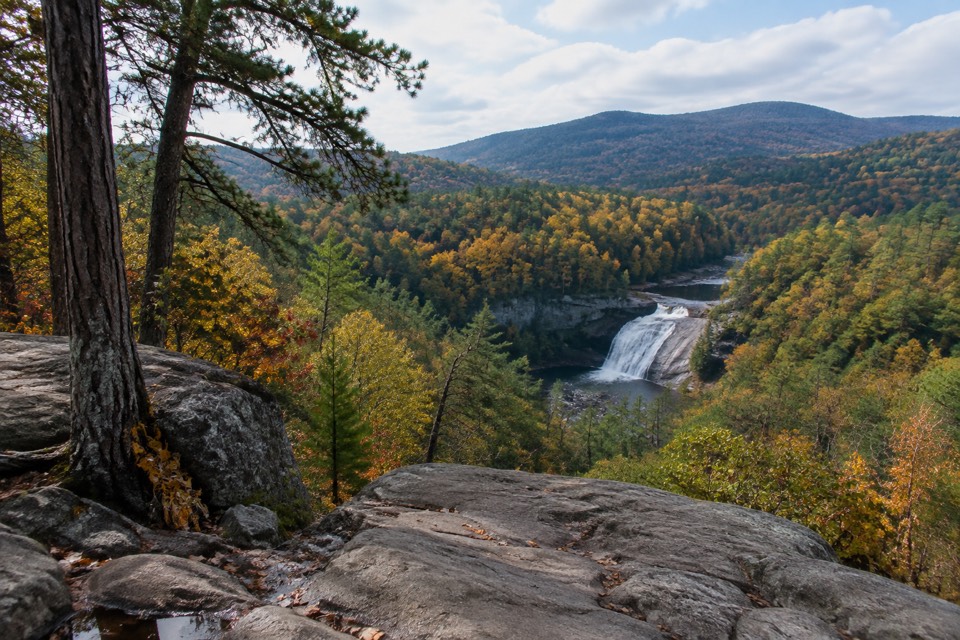
The scene where Katniss discovers a camouflaged Peeta was shot at the base of this waterfall near Cedar Mountain. Today it is one of the most accessible filming sites from the film, reachable via a popular trail from the Hooker Falls parking area inside a public state forest. Visitors can stand at the same rocks and pool that appear on screen, no permission or ticket required.
The Cornucopia arena scenes were filmed on this reservoir near Black Mountain, where tributes charged across the water toward supplies. Access is limited because the reservoir is part of the Asheville water supply, so travelers should not expect a close-up visit. Views from permitted public points are possible, but the site is best treated as a drive-by landmark rather than a destination.
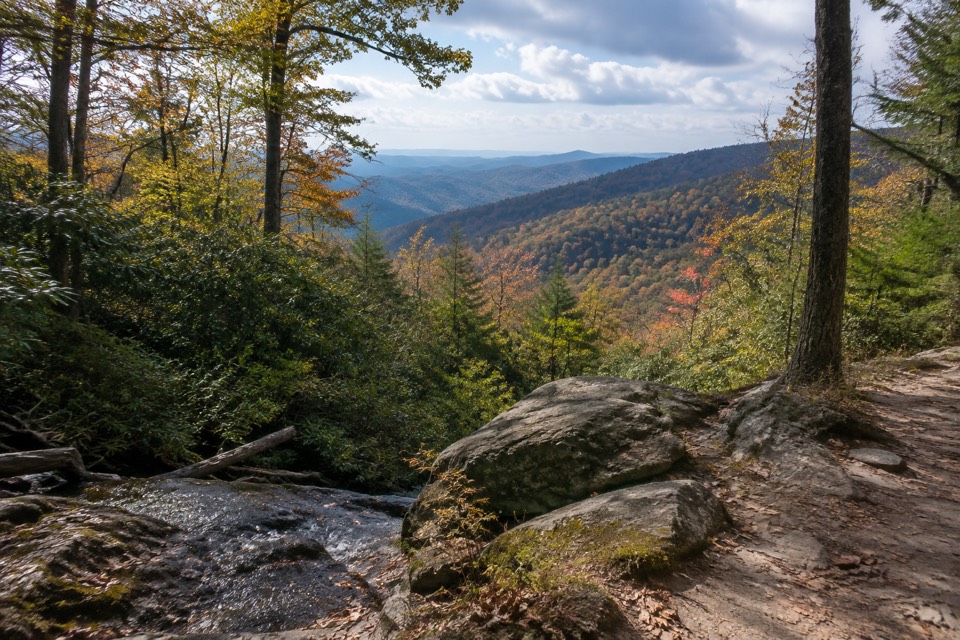
The District 12 woods where Katniss and Gale hunted, along with the rocky creek shelter, were filmed in the remote Big Ivy area near Barnardsville. The national forest trails are open to hikers, letting fans follow the same terrain without restriction. The area is quiet and far from developed amenities, so visitors should come prepared with supplies and directions before setting out.
The District 12 reaping ceremony and the Hob scenes were shot inside warehouses in Shelby, roughly an hour west of Charlotte. The buildings are private property and most of the sets were removed after filming, so there is little for fans to see today beyond the exteriors. Shelby works mainly as a brief stop for completists mapping the full production footprint across the state.
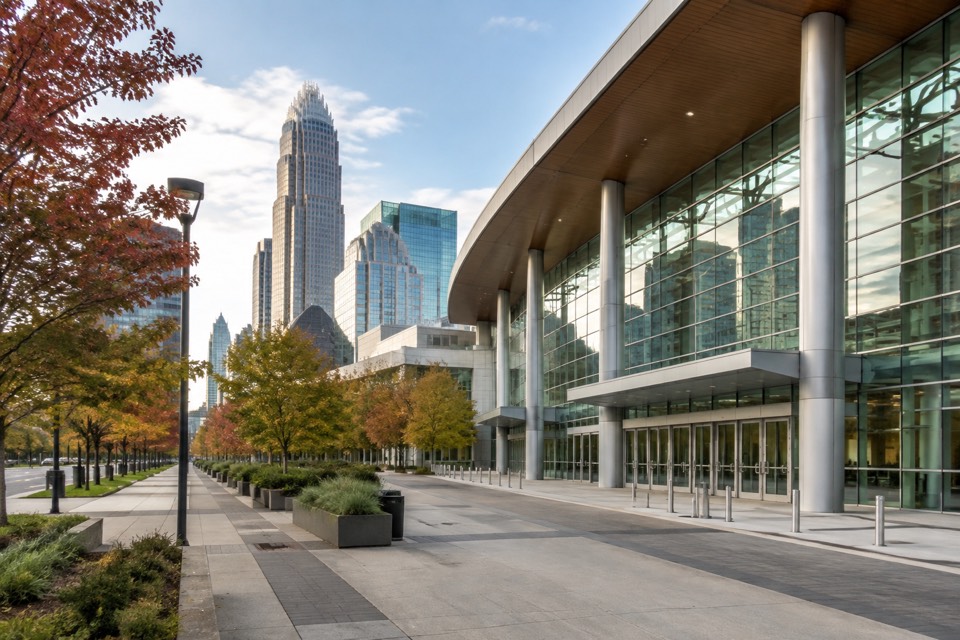
The tributes' dramatic chariot entrance was filmed at the Charlotte Convention Center, which doubled as a Capitol venue. Unlike most filming sites, this one sits in the heart of downtown Charlotte and functions as a normal public building. Access depends on what is happening inside, since event bookings may determine whether visitors can walk the space where the scene unfolded.
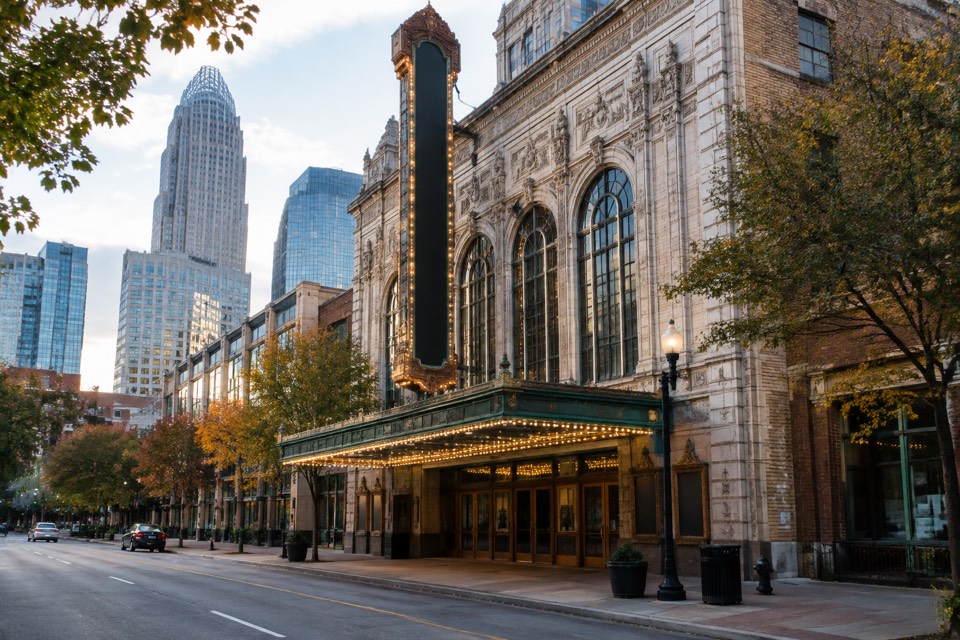
The pre-Games interviews with Caesar Flickerman were staged at the Knight Theater, part of Charlotte's performing arts complex. Checking the current show schedule is the practical way to see the interior, since attending a performance puts visitors inside the same auditorium seen in the film. The venue sits steps from the convention center, making the two Charlotte stops easy to combine.
Beyond Triple Falls, the wider forest at Cedar Mountain hosted the arena's wilderness scenes, including the forest fire sequence that drives the tributes together. The state forest is fully open to the public, with trails connecting its network of waterfalls. Fans can spend a half day or more hiking the same woods that doubled as the arena's hostile landscape.
Where It Is Set Versus Where It Was Filmed
The story is set in Panem, a fictional nation whose District 12 occupies a ruined stretch of former Appalachia, but the production never left North Carolina. Director Gary Ross's team found everything needed within the state, from decaying industrial villages to dense public forests, which is why the film carries such a grounded regional feel despite its dystopian setting.
The Studio Side
Interior sets, including the Capitol training center, were built inside the former Philip Morris Cabarrus Plant in Concord, a massive 2.1 million sq ft facility that offered space no traditional soundstage could match. The plant is not open to visitors, and little on the site references its cinematic stint, so it holds interest mainly for those tracing the production's full logistics.
Tours That Visit These Locations
No dedicated Hunger Games location tour operates in North Carolina, and the sites are spread across rural roads best reached by car. Travelers passing through Georgia, however, can book a private film-focused driving tour of Atlanta that can be customized around movie and television locations, a flexible option for fans mapping screen sites across the Southeast.
Private 3-Hour Atlanta Film Drive
Atlanta: 3 Hour Private Movie/TV Locations Tour
This private three-hour driving tour covers various Atlanta movie and television locations and can be customized to the group's interests, priced at $155 with 16 reviews.
Frequently Asked Questions
Can You Visit Henry River Mill Village?
Yes, but with limits. The village is private property and listed on the National Register of Historic Places. Visitors can drive through via Henry River Road for exterior views, and guided tours of the historic site are sometimes offered.
Is DuPont State Forest Free To Enter?
Yes. DuPont State Forest is public land with trails open to hikers. Triple Falls, where Katniss finds Peeta, is reached from the Hooker Falls parking area on a popular trail.
Where Was The Cornucopia Scene Filmed?
The Cornucopia arena scenes were shot at North Fork Reservoir near Black Mountain. Because the reservoir is part of the Asheville water supply, public access is limited and close viewing is not generally possible.
Why Was The Hunger Games Filmed In North Carolina?
The production found a rare combination within one state, including an authentic abandoned mill town for District 12 and extensive public forests for arena scenes, plus the huge former Philip Morris plant in Concord for interior sets.
Can You Go Inside The Charlotte Filming Locations?
Sometimes. The Charlotte Convention Center and Knight Theater are working public venues, so access depends on events and performances. Attending a show at the Knight Theater is the most reliable way to see its interior.
How Far Are The Filming Locations From Asheville?
Most sites cluster in western North Carolina within roughly a two-hour radius of Asheville. DuPont State Forest sits near Brevard, Henry River Mill Village is east toward Hickory, and the Charlotte locations sit about two hours to the east.
North Carolina remains one of the more rewarding film locations to explore independently because so much of it is genuinely reachable. A road trip loop from Asheville through DuPont State Forest, Barnardsville and Henry River Mill Village covers the film's most recognizable ground, with Charlotte's venues as an easy add-on for travelers heading east.