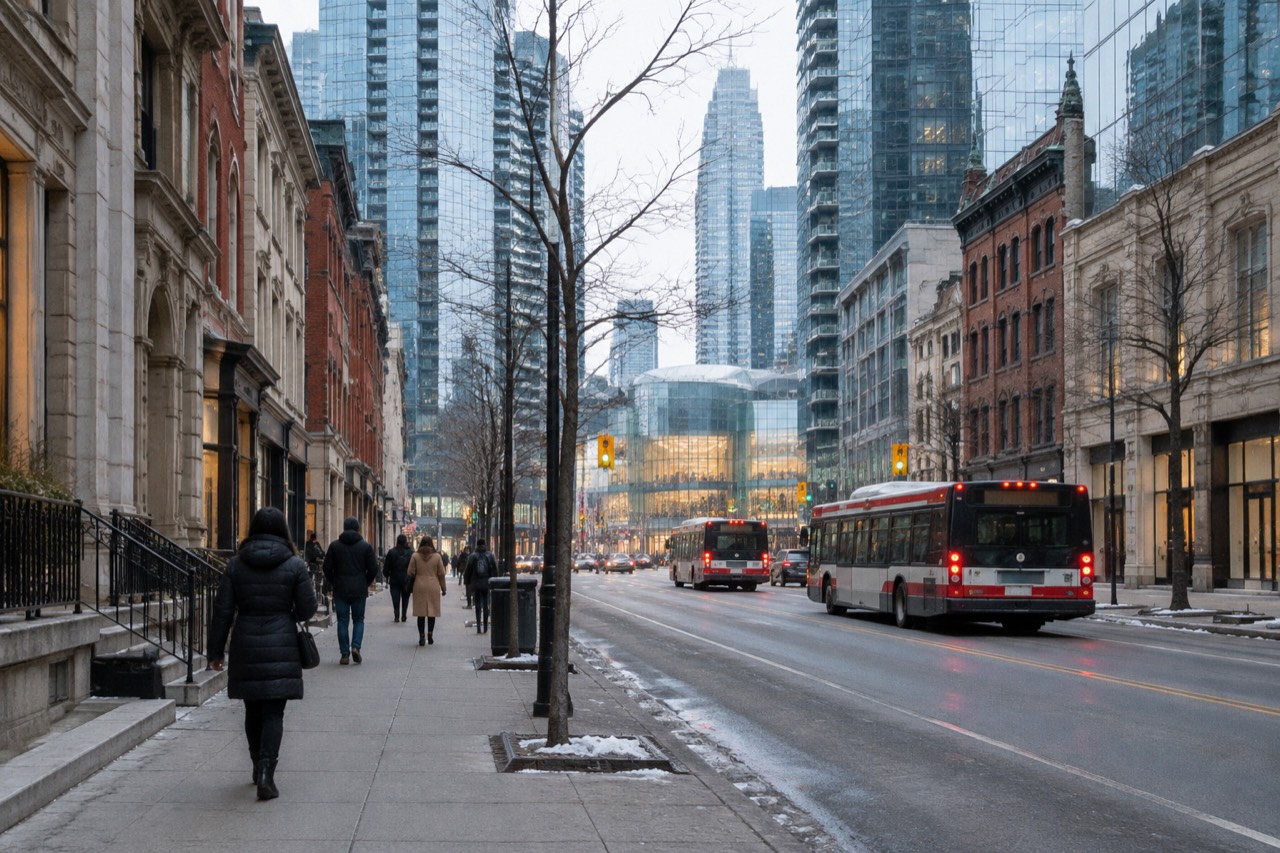
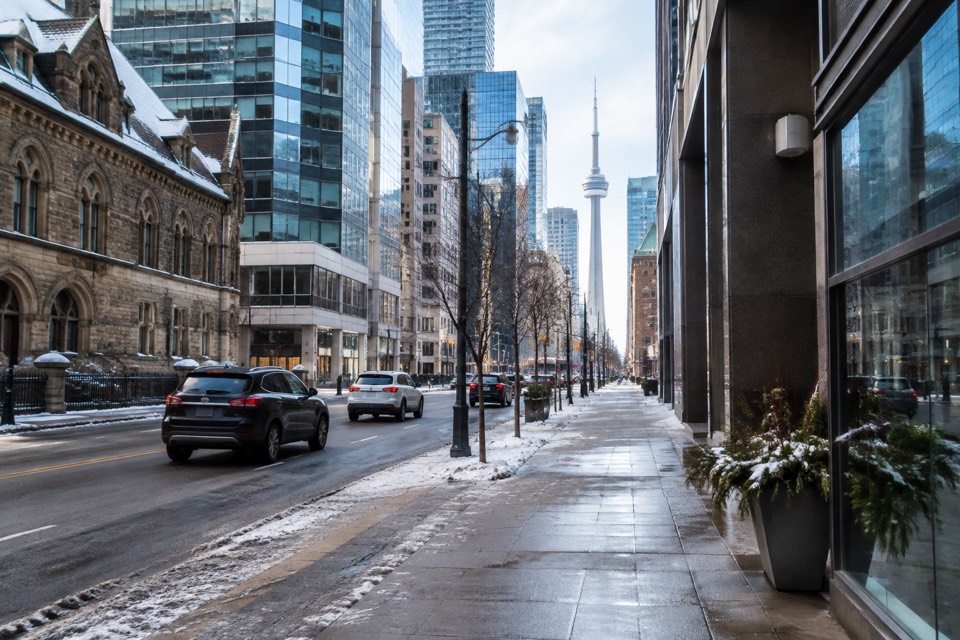
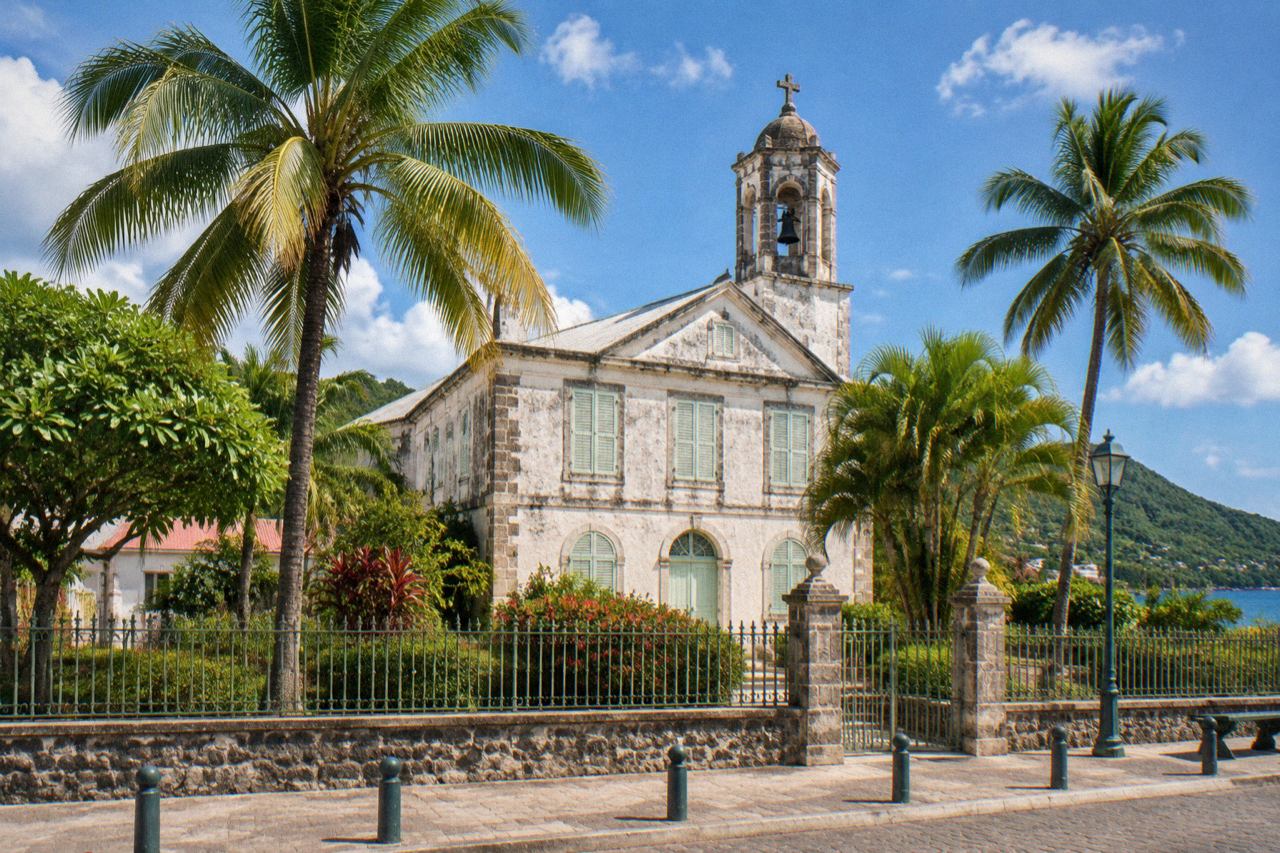
This busy downtown stretch hosted the climactic Hulk vs. Abomination fight. The street was closed for four nights in September 2007, an unusual disruption that had the personal support of Toronto mayor David Miller, himself a Hulk fan. Today the blocks are fully public and look like any other part of downtown, so travellers can walk the exact route of the battle without any special access or tickets.
The Short Answer
The Incredible Hulk was mainly filmed in Toronto and Hamilton, Ontario, Canada, with additional shooting in Rio de Janeiro, Brazil. Interiors were shot at Toronto Film Studios, while Yonge Street, the University of Toronto, and the Cherry Street Bridge all appear on screen. Ontario locations doubled for American settings, and Brazil supplied authentic favela and jungle footage.
The 2008 film sends Bruce Banner from a Brazilian favela to Virginia and finally to a destructive showdown in New York City. Very little of that story was actually shot in the United States. The production spent 14 weeks in Canada, primarily Toronto and Hamilton, before moving to Rio de Janeiro for about two weeks in November 2007 to capture authentic exteriors.
The result is a film with a split personality on the map. Canadian streets and university halls play American settings, while real Rio locations play themselves. Several of these sites can still be visited today, and a few are easy to reach on foot in downtown Toronto.
Every Location At A Glance
| Location | Where | What was filmed | Access |
|---|---|---|---|
| Yonge Street (between Elm & Edward) | Toronto, Canada | Hulk vs. Abomination fight scene | Free to see |
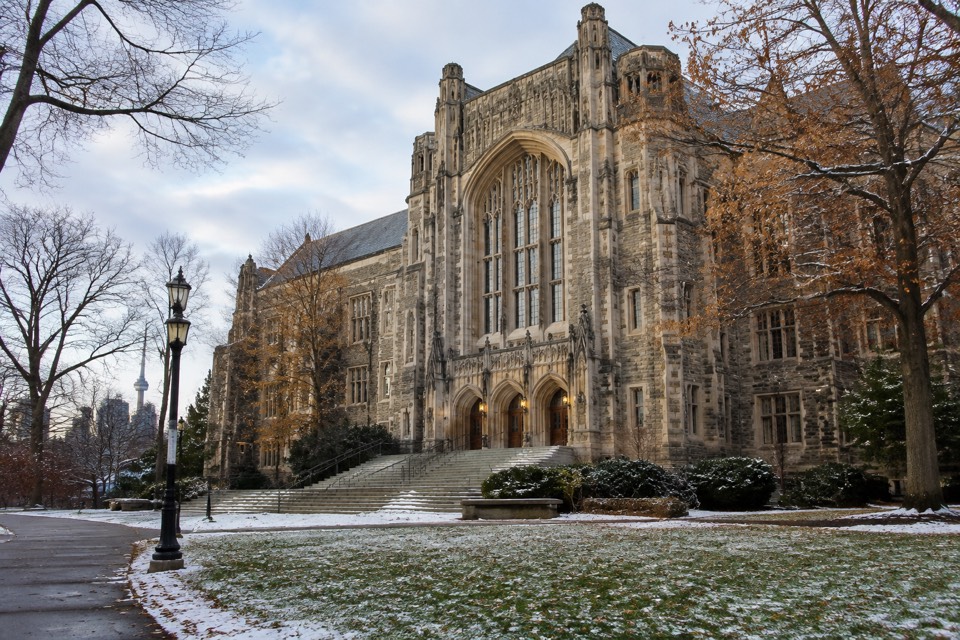
| Convocation Hall, University of Toronto | Toronto, Canada | Culver University / Grayburn College scenes | Free to see |
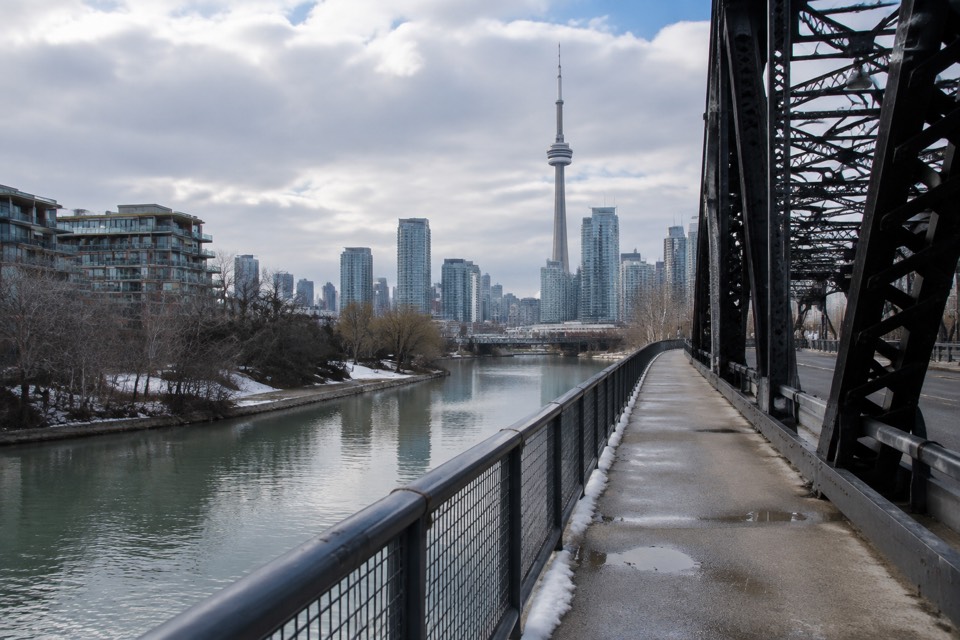
| Cherry Street Bridge | Toronto, Canada | Bruce and Betty kiss scene | Free to see |
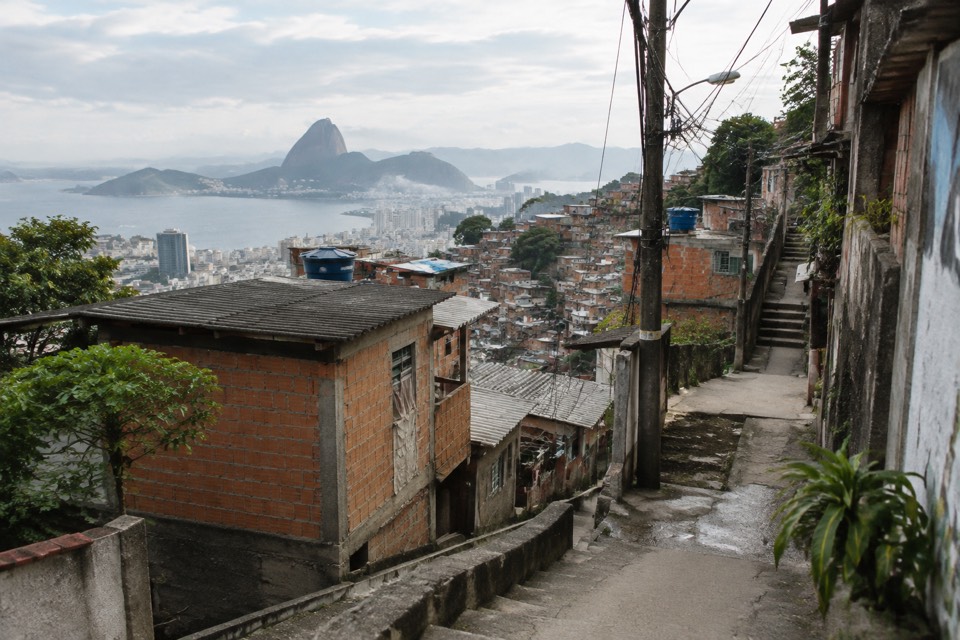
| Rocinha Favela | Rio de Janeiro, Brazil | Aerial shots of favela where Banner hides | Outside only |
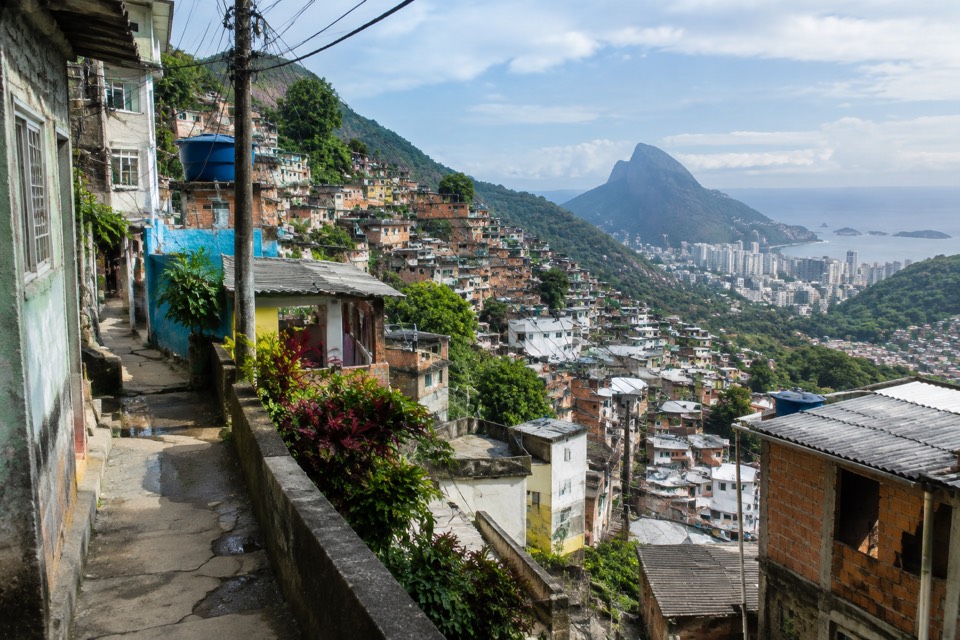
| Tavares Bastos Favela | Rio de Janeiro, Brazil | Stand-in for Rocinha interiors and street scenes | Outside only |
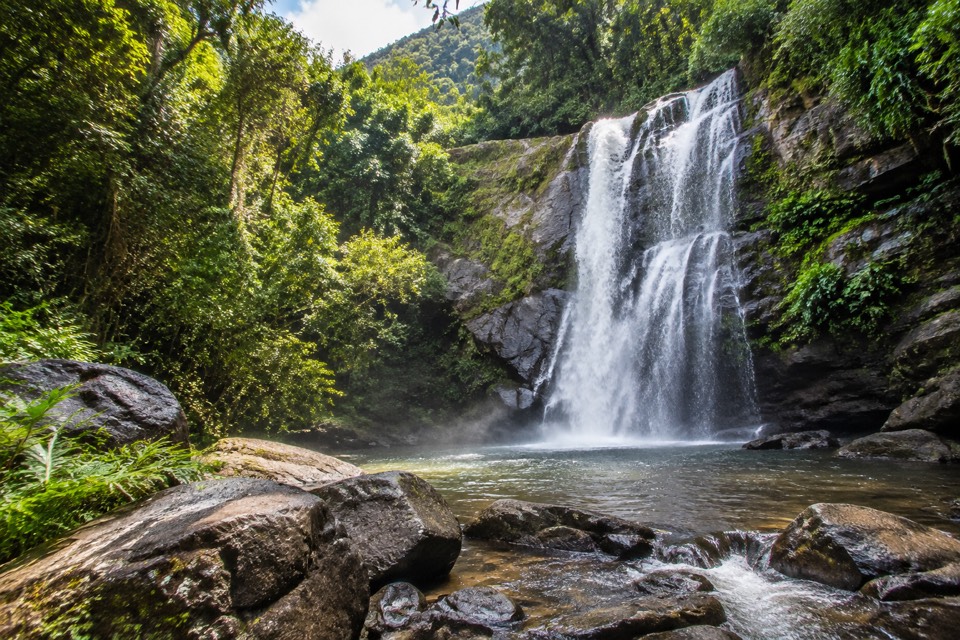
| Tijuca Forest / Taunay Waterfall | Rio de Janeiro, Brazil | Jungle/Guatemala scenes | Free to see |
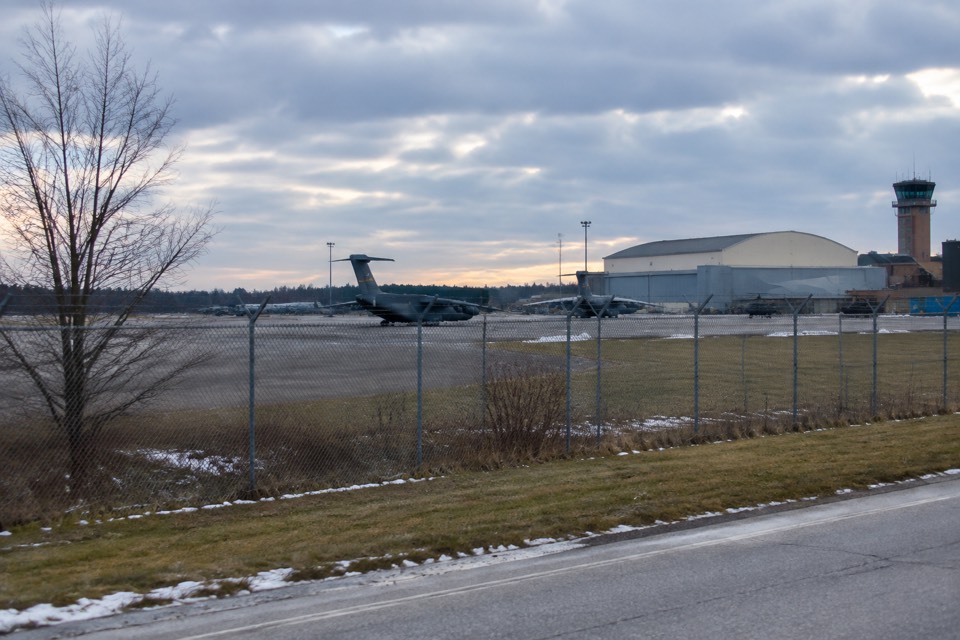
| Canadian Forces Base Trenton | Trenton, Canada | C-130 / Fort Johnson scenes | Private property |
| Consumer's Glass Factory site | Hamilton, Canada | Bottling plant and military base interiors (site since demolished) | Closed |
Filming Locations Map
8 locations. The map loads when it scrolls into view.
Map data © OpenStreetMap contributors
Location By Location
The University of Toronto's Convocation Hall and surrounding campus stood in for Culver University in Virginia, also called Grayburn College in the film. The hall is a working university venue, open to the public during events, so checking the schedule ahead of a visit is wise. The campus is walkable and sits close to other downtown filming sites, making it an easy addition to a locations walk.
This public bascule bridge in Toronto's Port Lands area is where Bruce and Betty share their kiss in the film. It remains an ordinary working bridge, free to visit at any time, and the surrounding Port Lands district has an industrial character that matches its on screen appearance. A stop here pairs naturally with the downtown Toronto sites, though it sits a short distance from the core.
Real aerial photography of Rocinha, one of Rio de Janeiro's largest favelas, established the opening scenes where Banner hides from pursuit. Only the aerial shots used Rocinha itself; street and interior scenes were filmed elsewhere. Visitors can see the favela on guided tours, which are recommended given its size and the caution advised for independent travellers. Viewing from a distance is also possible from surrounding viewpoints.
This smaller Rio favela served as the stand-in for Rocinha's interiors and street scenes, chosen for its more manageable production conditions. Tavares Bastos has some established tourism and is regarded as safer than many alternatives, though visitors should verify current access conditions before going. Its stairways and alleyways are the actual places where Banner's Brazilian life was filmed, making it the more accurate destination for on screen scenes.
The jungle scenes set in Guatemala were filmed in Rio's Tijuca Forest, a national park within the city, with Taunay Waterfall featured among the locations. The area is accessible by trails and is a popular hiking destination independent of its film history. Visitors can combine the waterfall with forest walks, and the tropical scenery matches what appears on screen without any Hollywood alteration.
This active military base near Trenton, Ontario, provided the C-130 aircraft and Fort Johnson scenes. As a working base, public access is limited, so travellers cannot simply walk onto the site. The base is best treated as a drive-by or skip-it entry on a locations itinerary; the film-related value is knowing where the sequence originated rather than expecting a visitable attraction.
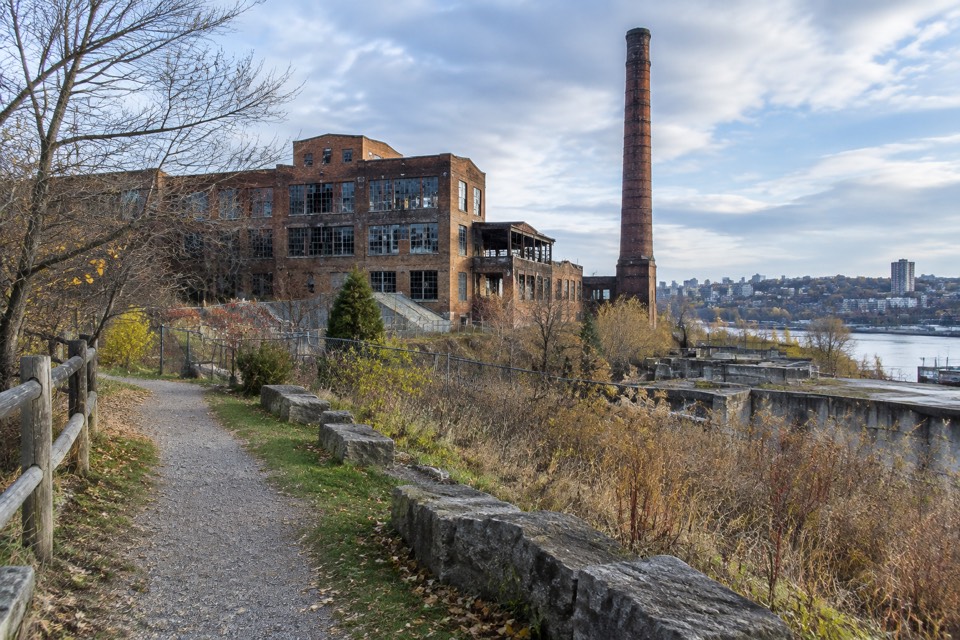
The Consumer's Glass Factory in Hamilton, Ontario, provided interiors for the Brazilian bottling plant and various military base sets. The building has since been demolished, so nothing remains to visit at the site. Its role in the production was significant, housing substantial interior sequences, but Hamilton's film connection here now exists only in the finished film rather than on the ground.
Where It Is Set Versus Where It Was Filmed
The story is set in a Rio de Janeiro favela, at Culver University in Virginia, and in New York City, where the final battle takes place. Filming told a different story: 14 weeks of production in Toronto and Hamilton, Ontario, covered nearly all of the American settings, with Convocation Hall playing the Virginia campus and Yonge Street standing in for Harlem. Only the Brazil exteriors matched their fictional setting, shot on location over roughly two weeks.
The Studio Side
Interior scenes were shot at Toronto Film Studios, which handled the stage work during the Canadian portion of production. The studio is a working facility and not open to the public, so there is nothing to tour on site. Travellers interested in studio history are better served by Toronto's general film and television location tours, which cover the city's role as a production hub.
Tours That Visit These Locations
No dedicated Incredible Hulk tour exists, but Toronto's film location tours cover several sites from the movie, including the University of Toronto campus and downtown landmarks near the Yonge Street battle. These general film and TV walks are the practical way to see Hulk territory alongside the city's broader screen credits.
Budget Downtown Film Tour
Toronto: Hollywood North Experience Film & TV Tour
At $34.36, this budget-friendly walking tour covers downtown Toronto landmarks tied to screen productions, the same core area as the Yonge Street battle. With 63 reviews behind it, it is the most established option here.
Half-Day Action Locations Tour
Action Film and Television Locations Half Day Tour in Toronto
This half-day action film tour hits two Hulk sites in one outing, the University of Toronto and the Cherry Street Bascule Bridge, making it the closest thing to a dedicated Hulk itinerary among the options.
University Campus Film Walk
Toronto: TV & Movie Tour with University of Toronto Visit
This tour includes a University of Toronto visit, putting travellers on the actual campus that played Culver University, alongside a broader look at Toronto's film and television locations. At $161 it sits at the premium end.
Frequently Asked Questions
Why Does New York Look Like Toronto In The Film?
Because it is Toronto. The final Hulk vs. Abomination battle was filmed on Yonge Street, which was closed for four nights in September 2007. Ontario locations stood in for the film's American settings throughout production.
Can You Visit The Real Culver University?
Yes. Culver University is played by the University of Toronto, with Convocation Hall appearing prominently. The campus is open to the public during events, so check the university schedule before visiting.
Was The Favela In The Film Real?
Partly. Aerial shots of Rocinha favela were genuine, but the street and interior scenes were filmed in Tavares Bastos favela, a safer and more production-friendly location.
How Long Did Filming Take?
The production spent 14 weeks in Canada, covering Toronto, Hamilton, and Canadian Forces Base Trenton, followed by about two weeks in Rio de Janeiro in November 2007 for authentic exteriors.
Is The Hamilton Bottling Plant Location Still There?
No. The Consumer's Glass Factory in Hamilton, which provided the bottling plant and military base interiors, was demolished after filming. Nothing remains to visit at the site.
Where Was The Kiss Between Bruce And Betty Filmed?
At the Cherry Street Bridge in Toronto's Port Lands area. It is a public bridge, free to visit at any time, and it is included as a stop on at least one Toronto film locations tour.
For Hulk fans, Toronto is the destination with the most to see: the Yonge Street battle zone, the University of Toronto campus, and the Cherry Street Bridge are all public and free to explore independently or on a film tour. Rio adds the authentic Brazilian layer, best experienced through guided favela visits and a walk in Tijuca Forest. Hamilton and Trenton, by contrast, offer little beyond the knowledge of what once stood there.