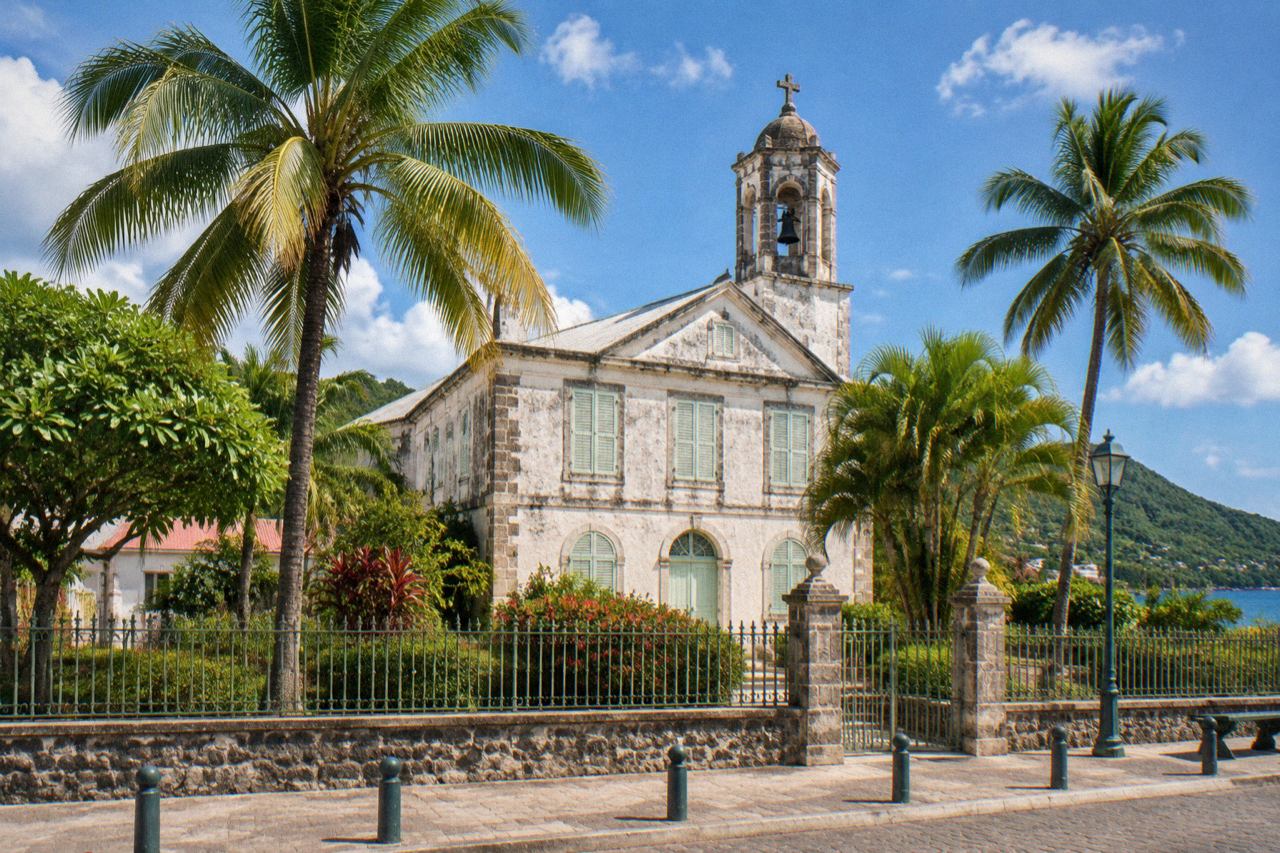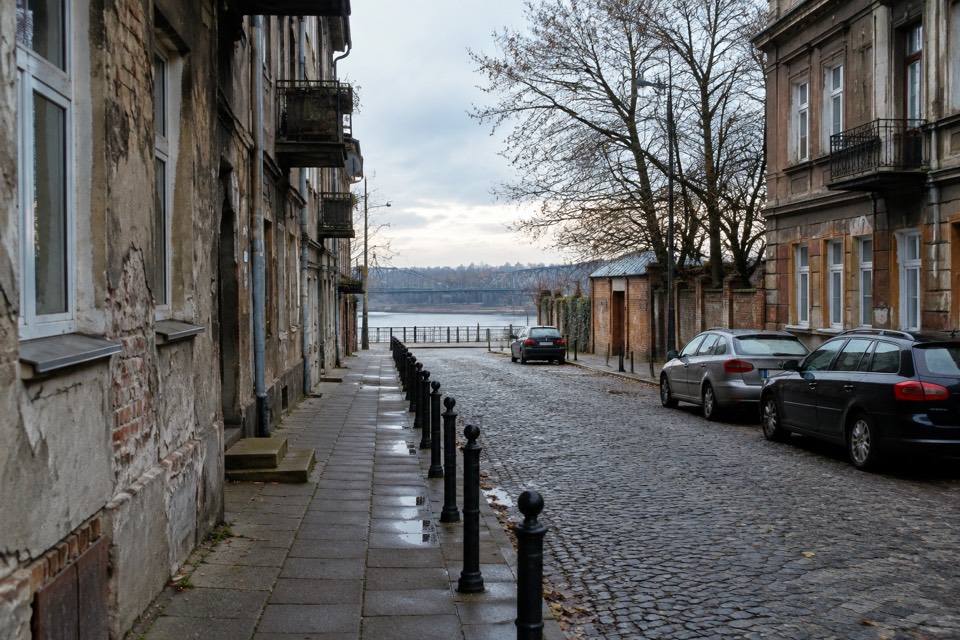
Location 01Mała Street
Praga-Północ, Warsaw, Poland Free to see
Filmed here: Ghetto wall, liquidation scenes, łapanka (roundup)
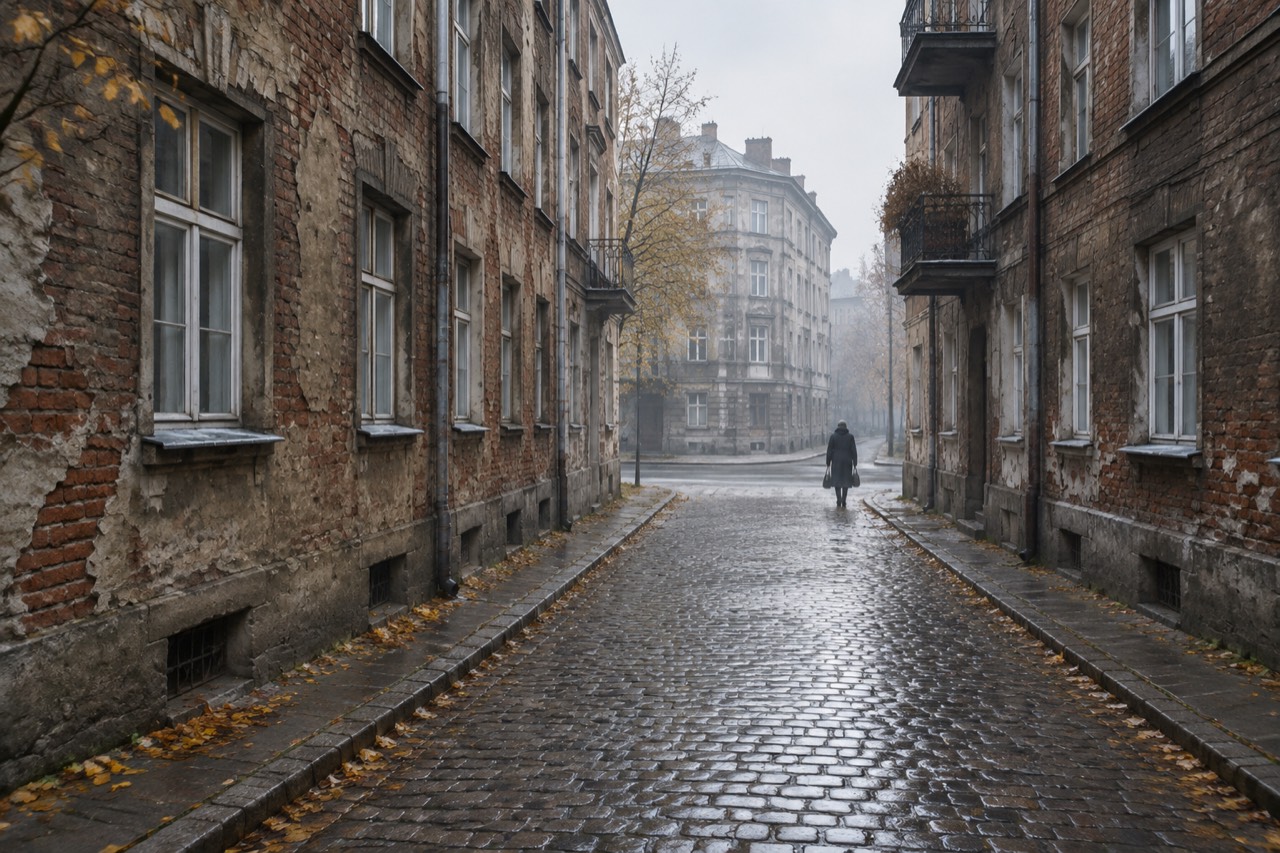
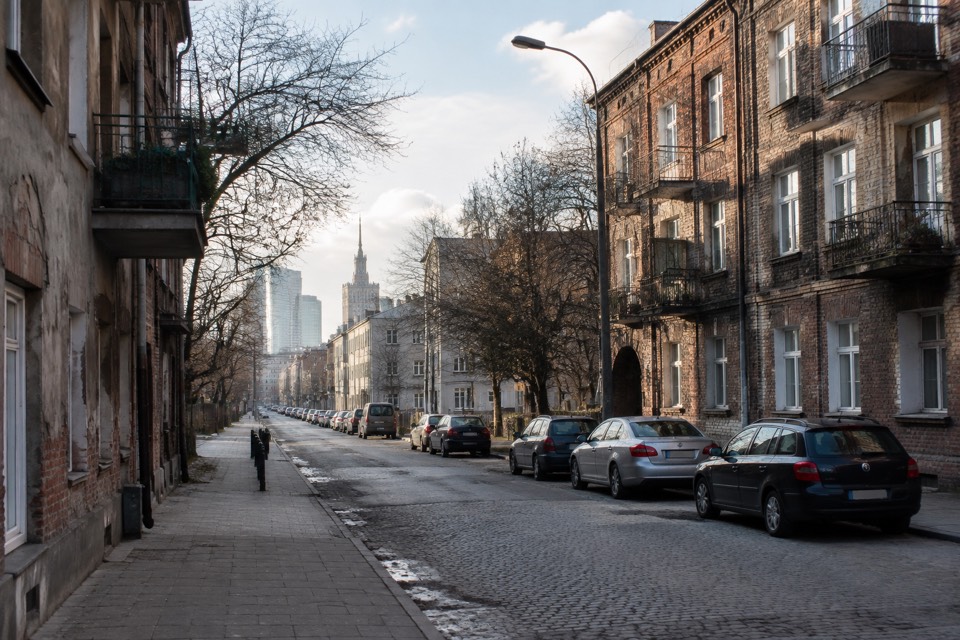
Mała Street in Praga-Północ stood in for the ghetto, hosting the ghetto wall, the liquidation scenes, and the łapanka, the brutal random roundup. It is a short street lined with pre-war buildings that survived the war, which is exactly why Polanski chose this district. Today it forms part of the official 'Warszawa, Pianista' tourist route, with informational plaques marking filming spots. Access is free and public; travelers can walk it in minutes and combine it with nearby locations.
Location 02Stalowa Street
Praga-Północ, Warsaw, Poland Free to see
Filmed here: Ghetto gate, footbridge over Chłodna, forced labor, closing of ghetto
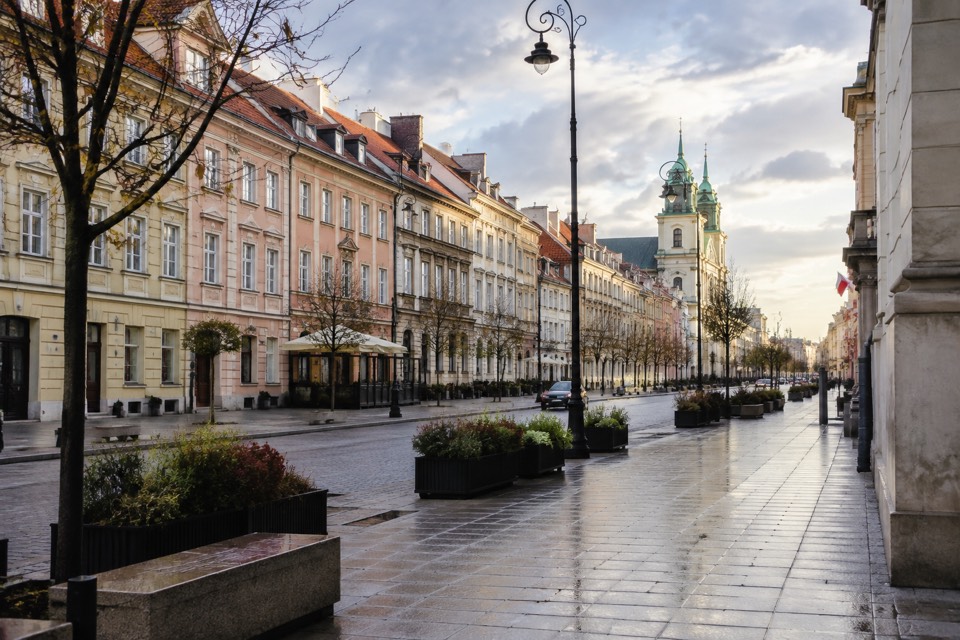
Stalowa Street carried some of the film's heaviest scenes: the ghetto gate, the footbridge over Chłodna Street, forced labor, and the closing of the ghetto. For filming, the production built a wooden footbridge replicating the real one that once spanned Chłodna, along with period signage. It remains a busy street with tram lines running through Praga-Północ. Visitors can walk it freely at any time; the intersection with Konopacka Street is the key spot for understanding how the ghetto was recreated.
Location 03Krakowskie Przedmieście
Śródmieście, Warsaw, Poland Free to see
Filmed here: German troops marching into Warsaw (near Staszic Palace)
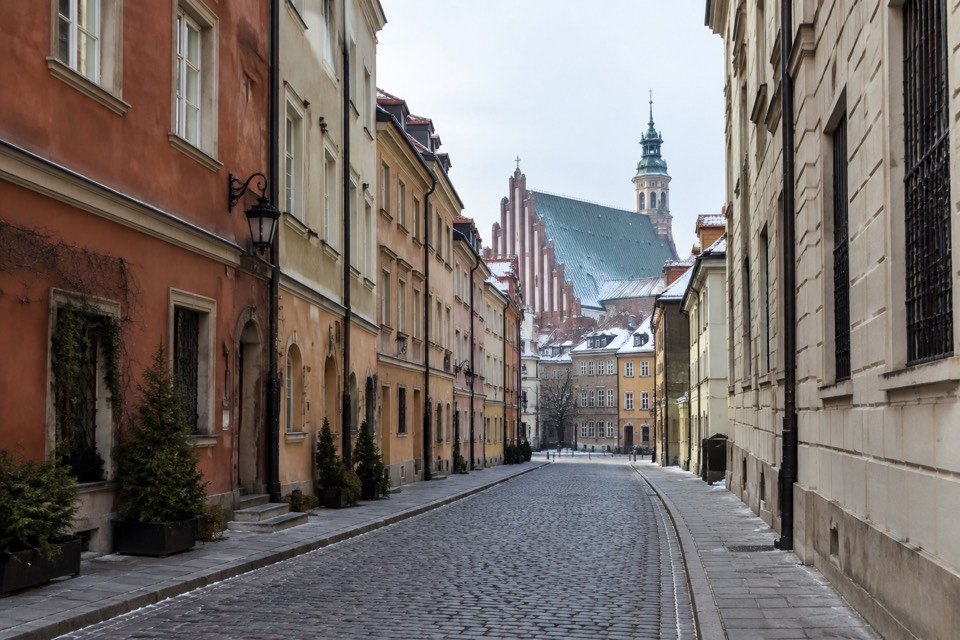
This historic central avenue in Śródmieście appears in the sequence of German troops marching into Warsaw, filmed near Staszic Palace. Filming used multiple spots around the avenue's monuments to recreate the occupation. Krakowskie Przedmieście is one of Warsaw's grandest streets, part of the Royal Route, filled with churches, palaces, and cafés. Access is public and it sits at the heart of the city, so most visitors will pass it anyway; look for Staszic Palace to orient yourself to the scene.
Location 04Kozia Street
Śródmieście, Warsaw, Poland Free to see
Filmed here: Walk with Dorota; 'no entry for Jews' sign scene
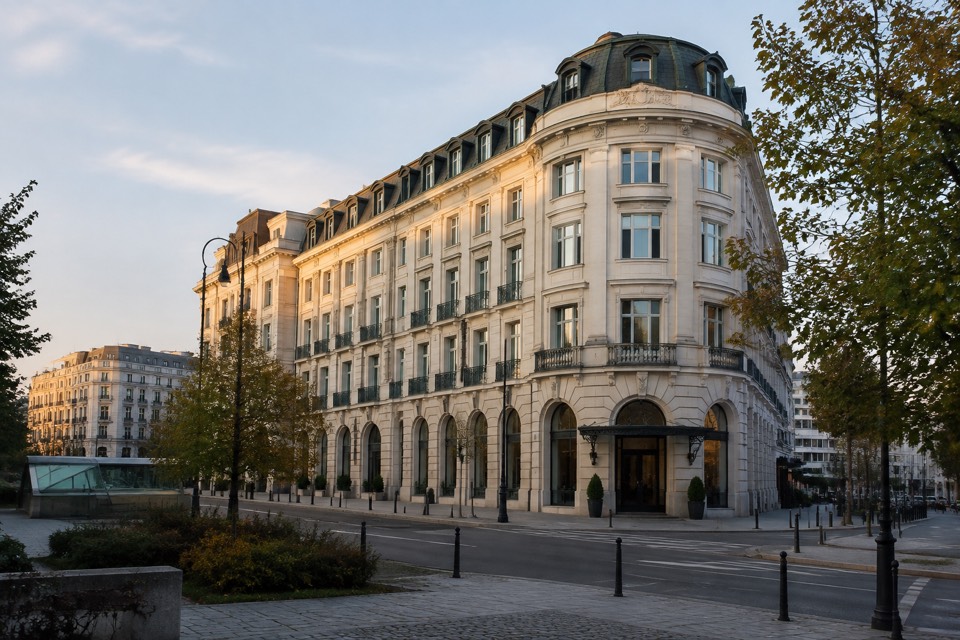
Kozia Street, a narrow historic lane near Wesslow Palace in Śródmieście, is where Szpilman walks with Dorota and encounters a sign forbidding entry to Jews. The street has changed little since filming, making it one of the easier locations to match against the screen. It is public and free to visit, just a short walk from Krakowskie Przedmieście and the Old Town. Visitors retracing the Śródmieście scenes can cover both in a single stroll.
Location 05Hotel Saski (Plac Bankowy)
Śródmieście, Warsaw, Poland Outside only
Filmed here: Café Capri interiors where Szpilman plays piano
The interiors of the Café Capri, where Szpilman plays piano, were filmed inside the former Hotel Saski at Plac Bankowy. The building is historic and still stands at the square, which is a major transport hub in central Warsaw. Only the exterior can be viewed today; the interior scenes were shot inside the former hotel, so travelers should not expect to enter and find the café. It is easy to reach by metro or tram and pairs well with the nearby Śródmieście locations.
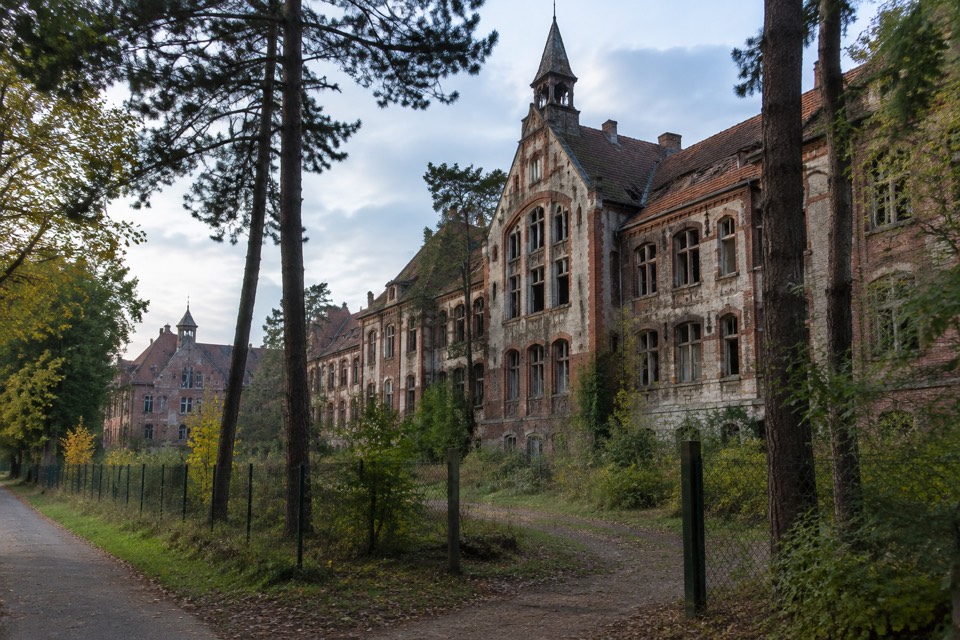
Location 06Beelitz-Heilstätten
Brandenburg, Beelitz, Germany Outside only
Filmed here: Warsaw hospital scenes with flamethrowers (abandoned Soviet military hospital)
This sprawling abandoned sanatorium complex near Beelitz in Brandenburg, a former Soviet military hospital, stood in for a Warsaw hospital destroyed by Nazi flamethrowers. Its decaying pavilions and walkways made it a natural stand-in for a ruined wartime city. Parts of the site are accessible to visitors, though much of it is derelict and some areas are restricted, so travelers should stick to permitted zones or join an organized visit. It lies roughly an hour from Berlin, making it a feasible day trip.
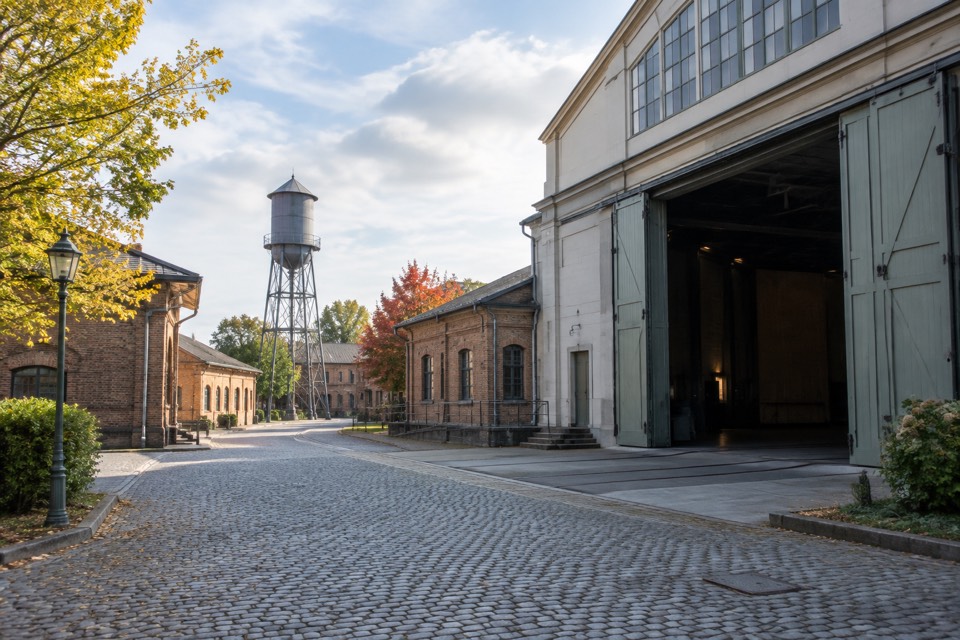
Location 07Studio Babelsberg
Brandenburg, Potsdam, Germany Private property
Filmed here: Interiors, ghetto uprising, ruined city backlot sets, Hosenfeld meeting villa nearby
Studio Babelsberg in Potsdam handled the interiors, the ghetto uprising sequences, and the ruined city backlot sets, with the villa where Szpilman meets Hosenfeld located nearby. It is a working studio, so the sound stages themselves are not openly visitable. However, the adjacent Filmpark Babelsberg offers public tours covering the studio's long film history, and guided tours of the wider Potsdam-Babelsberg film district are bookable. It sits on Berlin's southwestern edge, reachable by suburban rail from the capital.
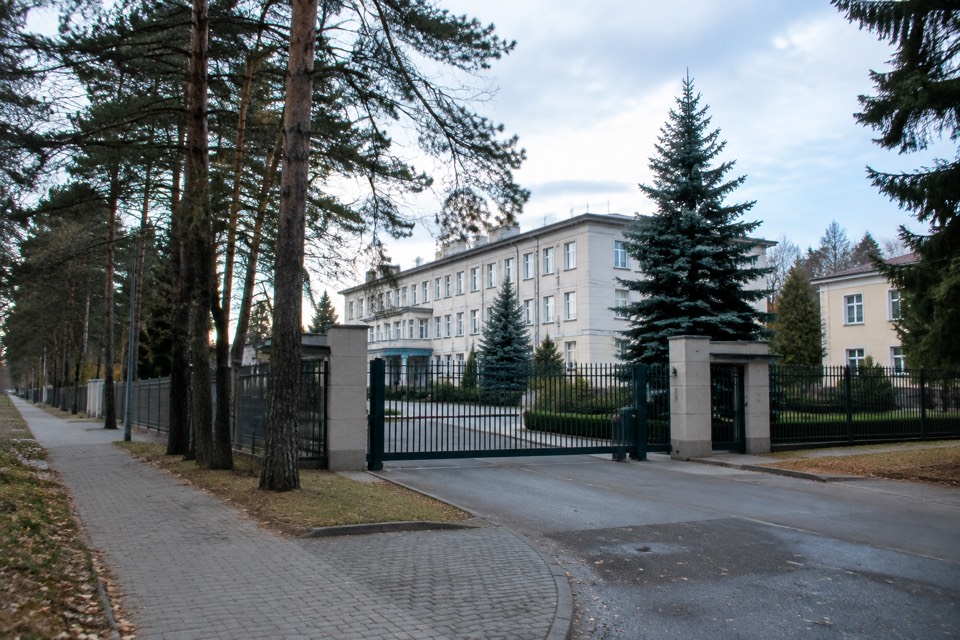
Location 08Rembertów (National Defence University)
Rembertów, Warsaw, Poland Outside only
Filmed here: Umschlagplatz deportation scenes
The grounds of the National Defence University in Rembertów, in eastern Warsaw, were used for the Umschlagplatz deportation scenes, where ghetto residents were forced toward the trains. As a functioning military academy, the site has limited public access, so travelers should view what is visible from outside and not attempt to enter restricted areas. It is the least visitor-friendly of the Warsaw locations. Those determined to trace every scene can reach Rembertów by rail from the city center.
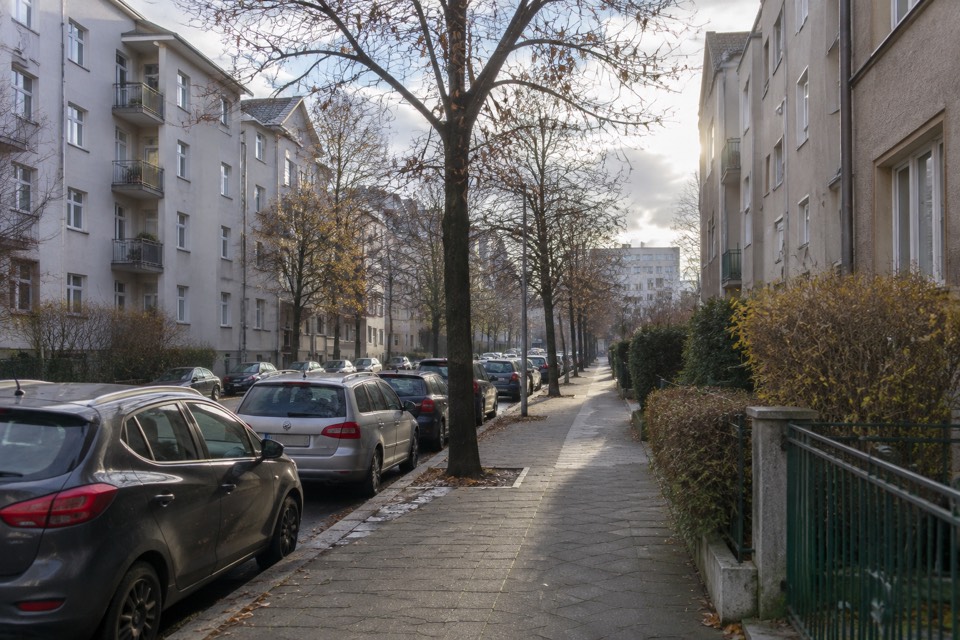
Location 09Instalatorów Street
Ochota, Warsaw, Poland Free to see
Filmed here: Umschlagplatz scenes
Instalatorów Street in the Ochota district of southern Warsaw was used for Umschlagplatz scenes, standing in for the deportation square. Today it is an ordinary residential street, with little signage pointing to its role in the film. Access is public, so anyone can walk it freely, though there is not much to see beyond matching building lines to the screen. It suits completists tracing every filming site rather than casual visitors.
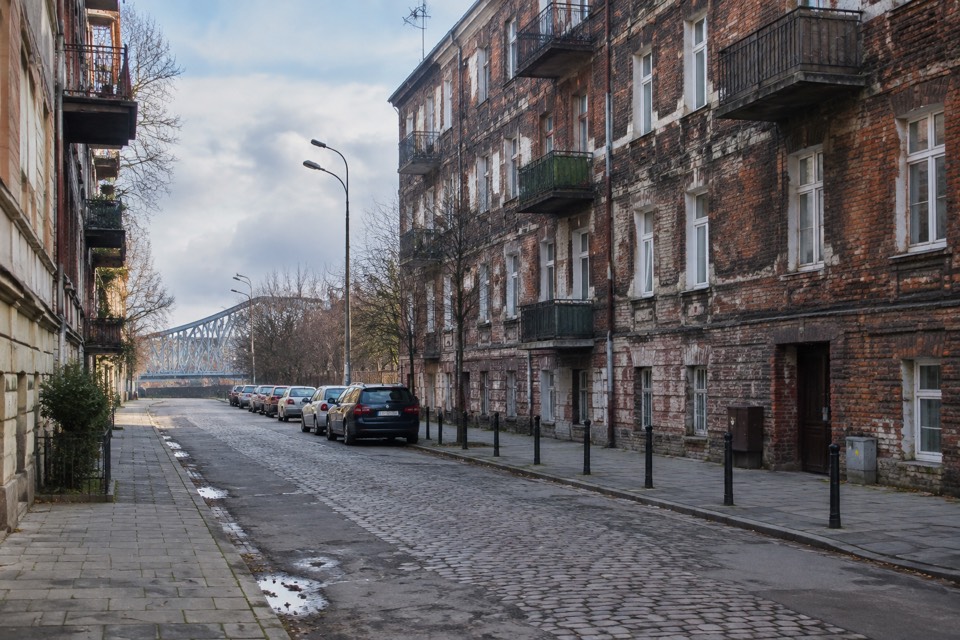
Location 10Konopacka Street
Praga-Północ, Warsaw, Poland Free to see
Filmed here: Ghetto edge and gate scenes (with Stalowa)
Konopacka Street in Praga-Północ was used for ghetto edge and gate scenes together with Stalowa Street. Its intersection with Stalowa is the key point for understanding how the production recreated the ghetto on real pre-war streets. Like its neighbors, it is public and free to explore, and it sits within easy walking distance of Mała Street, so the core Praga filming cluster can be covered in one loop on foot.